

 Apple Podcasts
 Spotify
 Amazon Music
 Youtube Music
 Goodpods
 iHeartRadio
 Deezer
 Castro
 Castbox
 PocketCasts
 Audible
 RSS Feed
 Affordable Housing Starts With Better Questions | Purpose, Community & Construction

Affordable Housing Starts With Better Questions | Purpose, Community & Construction Affordable housing is often framed as a construction challenge, with conversations focused on cost, speed, and supply. Yet behind every housing project is a deeper question about community, purpose, and the people those spaces are intended to serve. In this episode of Activating Curiosity™, Ryan Ware sits down with Rory Rubin, Founder and CEO of SI Container Builds, to explore her unique journey from socia...
Key Takeaways
- Affordable housing and construction challenges require a deeper understanding of human purpose, community needs, and social impact rather than focusing solely on better building systems or lower costs.
- Transitioning from a career in social work to leading an offsite container construction company demonstrates how diverse professional backgrounds can bring fresh, human-centered perspectives to the AEC industry.
- Solving complex housing crises starts with asking better, more curious questions and engaging communities as active, willing participants rather than forcing pre-packaged solutions onto them.
- Offsite modular construction utilizing shipping containers offers a sustainable and scalable approach that can help reduce project costs and speed up delivery when approached with patience and collaboration.
- Building trust and driving meaningful change in the built environment requires listening before leading, fostering cross-sector partnerships, and focusing on long-term generational community needs.
Affordable Housing Starts With Better Questions | Purpose, Community & Construction
Affordable housing is often framed as a construction challenge, with conversations focused on cost, speed, and supply. Yet behind every housing project is a deeper question about community, purpose, and the people those spaces are intended to serve.
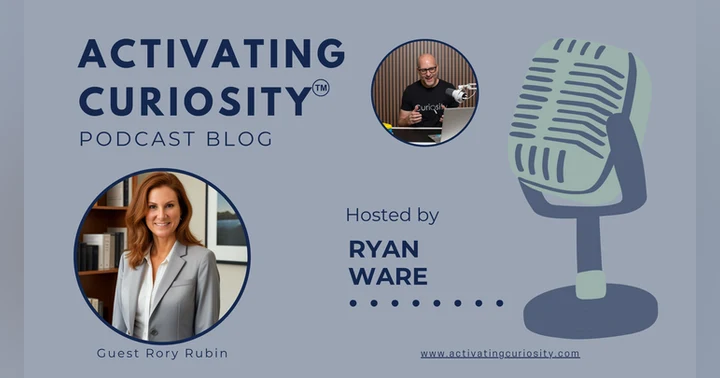
In this episode of Activating Curiosity™, Ryan Ware sits down with Rory Rubin, Founder and CEO of SI Container Builds, to explore her unique journey from social work to construction and how that perspective is shaping conversations around affordable housing, community development, and innovation in the built environment.
Drawing from experiences in nonprofit leadership, healthcare, organizational development, and entrepreneurship, Rory shares how purpose became the common thread throughout her career. Together, the conversation explores the housing crisis, community engagement, offsite construction, and why meaningful solutions often begin by understanding the human needs behind the projects we build.
From workforce housing and sustainable construction to leadership, collaboration, and change, Rory offers a refreshing perspective on what it takes to create lasting impact in both communities and the construction industry.
This episode challenges a common assumption that solving housing challenges is only about better building systems. Instead, it highlights how curiosity, trust, and purpose-driven leadership can help create stronger communities and better outcomes for everyone involved.
What You'll Learn:
• Why affordable housing is about more than construction costs
• How a background in social work shaped Rory's approach to leadership
• The connection between community engagement and successful project outcomes
• Why collaboration is essential when addressing complex industry challenges
• How purpose can guide career transitions and entrepreneurial decisions
• The role offsite construction plays in addressing housing challenges
• Why curiosity creates better conversations around change and innovation
• How leaders can build trust by listening before leading
• The importance of partnerships when creating community-focused solutions
• Why human-centered thinking may be one of construction's greatest opportunities
Who This Is For:
Architects, engineers, contractors, developers, manufacturers, community leaders, and AEC professionals interested in affordable housing, community development, offsite construction, construction leadership, innovation, and navigating change across the built environment.
Chapters
[Final timestamps]
Guest
Rory Rubin is Founder and CEO of SI Container Builds, a company focused on sustainable offsite construction solutions utilizing shipping containers for housing, workforce accommodations, commercial spaces, and community-centered projects.
With a professional background spanning social work, healthcare, organizational development, and business leadership, Rory brings a unique perspective to construction—one centered on purpose, collaboration, and creating meaningful impact. Through her work, she continues to advocate for affordable housing, community development, and innovative approaches to solving challenges across the built environment.
Learn more:
https://www.sicontainerbuilds.com/
Overcast Innovations
Helping project teams coordinate building systems earlier for more predictable outcomes.
New Lyfe Accounting
Free Diagnostic ($500 value) for Activating Curiosity Listeners by NLA, to help your financial goals
Helping construction leaders simplify change, strengthen trust, and move forward with clarity.
Disclaimer: This post contains affiliate links. If you make a purchase, I may receive a commission at no extra cost to you.
Have feedback or stories to share? Drop us a note or leave a VM—we’re listening!
Follow Ryan at the following:
https://www.linkedin.com/in/ryankware/
https://www.linkedin.com/company/connective-consulting-group-llc
https://connectiveconsultinggrp.com/
https://connective-coaching.com/
https://ryanware.me/
Don't miss out on future episodes! Follow & subscribe now to our newsletter and stay informed about the latest trends and insights in the construction industry.
If this show helps you, please consider supporting it. Just $3/month helps cover production and keeps the conversations going.
⭐ “Love the show? Toss some stars my way, it’s the easiest applause ever.
Frequently Asked Questions
How does affordable housing and construction intersect with social work?
A background in social work provides a human-centered framework that emphasizes community engagement, empathy, and active listening, helping leaders design housing solutions that truly serve the needs of the people rather than just focusing on construction logistics.
Why are shipping containers used in affordable housing and construction?
Shipping containers offer a sustainable, eco-friendly offsite construction solution that repurposes existing materials, helps lower project costs, and allows for faster modular manufacturing to address housing shortages.
What role does offsite construction play in the affordable housing crisis?
Offsite modular construction helps streamline the building process, reduce waste, and accelerate project timelines, making it a viable supplemental solution to traditional stick-built housing for improving market supply.
How can construction leaders better approach community-focused housing projects?
Leaders can build trust and gain project buy-in by prioritizing open collaboration, educating the local community, and asking curious questions to understand generational living needs before forcing design and development decisions.
Rory
I was 48 years old and I realized I was not doing anything that was purpose driven in that moment and I needed to do something different. And I had turned to Dan, my husband, and I said, I want to start a business. And the joke in the family was, you're having a midlife crisis. Do you think you just want to buy a car? And I said, No, that's not very purpose-driven. Let's uh I let's look at this and let's start a business.
Ryan
I am Ryan Ware, and today's bonus episode, we're we're gonna kind of stay in the lane of purpose. Um, I know we've had some um previous conversations this month really kind of gearing around knowing and understanding our own purpose um in life, which is harder to do when we're when we're younger. But before we dive into the episode, I hope you're enjoying these conversations and all other conversations we're having. And if if you are, share this with your network, follow, rate the show. If you'll follow us on and subscribe on YouTube, that helps us as an independent podcast to make sure that we're breaking through uh to others who want to have their curiosity activated or have an opportunity to listen to these conversations. I also want to say if you if you have ideas and you have thoughts, go ahead and go on to the website, activatingcuriosity.com, sign up for the newsletter, but go ahead and leave us a quick voicemail on there, leave us a comment, leave us some notes. You can let us know if there's a conversation you would like to see us have. Please feel free to reach out. So going back to where our conversation is going to head today, um, I have with me today is Rory Rubin. She is the CEO and co-founder of SI Container Builds, located in Chicago. And I've gotten to know Rory over the past few months through a connection of mine that we're building um Becoming Human Again events together, Audrey. And we Rory and I had a couple different conversations and just was fascinated by her journey to this present point of where she started and kind of founded SI Container. And I think you'll be um kind of fascinated too, as she's been around architecture and construction in her life, but how she looked at her purpose as she got, you know, to my age as we get into our second, third, fourth careers. But she just felt like there was something more, and there was something that interested her as it related to sustainability and bringing her her background from social impact and social work to be able to deliver projects for her communities and for others and other communities around the country. And I I hope you enjoy the conversation because I think it takes it takes humans like Rory who who are willing to step past some of the judgment that may be there from family or friends and wanting to start a business or wanting to jump into an industry that is is a little unfamiliar and not something that they have been focused on in their careers. But at the same time, having the willingness and the patience and the foresight to say, I have the idea, but I need others to help me do this. Because the reality is that we need to solve some of these problems as it relates to affordability and housing and providing systems and structures for those who may otherwise not have something available to them as they go through their life experiences. Because if we don't look at it in this way, if we hold on to our ideas and we don't share them because we're afraid that others are going to judge us, if we don't want to release those ideas, or we've already set a path out in our own mind of what if we did this, this is what's going to happen. So therefore I'm not going to do it, or this problem is too big for me to solve. If we stay in that area, then we have some really big problems in the world that will just continue to spiral out of control. So this opportunity is really, again, about solving some really large issues, but taking them on in smaller chunks and providing yourself to psychological safety to achieve that. Rory Rubin, welcome to Activating Curiosity.
Rory
Hi, Ryan. Good morning.
Ryan
Yeah, I'm glad we're having this conversation because I want listeners to understand you've had uh your unique kind of background and the work that you were doing, and what has led you to the work you're doing today. Um, so before we dive into this, we you know, you and I have gotten to chat a few times, and your story is so unique in the social work that you were doing and sort of the area of where you were spending your time and your early career, and now that evolved into this new area of working within construction. So let's take a step back a little bit into the journey of how did you get started, you know, going into the area of social work? What was driving you to get into that work for yourself and for your community and the places that you lived? And then as you went through that journey, like what were you noticing? Like what was it making you question about like how we approach construction or approach how we live uh in our society that made you peek kind of into this area that you're focused on today?
Rory
Yeah, I know it sounds really unique when I tell my story that I started off as a social worker and I have my master's in social work, but it it really does tie together. You know, my specialty area was Alzheimer's disease, and I worked for the National Alzheimer's Association. I worked for their sister organization, the Alzheimer's Society in the UK. And I did a lot of things that were driven around purpose. And that's really kind of my theme in my life. But I didn't realize it, you know, when you're in your 20s, you don't really think, oh, well, because my purpose in my 20s is very different than my purpose in my mid-50s now.
Ryan
Right.
Rory
But ultimately, it was the stepping stone of realizing that I had to do things that were bigger than me. I had to impact my other people and other communities, something that's bigger than myself. And so the social work kind of thread through all of my work-related history over the last, you know, couple of decades.
Ryan
Yeah. So so you mentioned like early on that purpose piece. Was it like we're coming from the generation? I think, I think we talked before, we're kind of the same generation X. And it's like, you know, you just get a job, right? What is this purpose word? Um, but as you got into it, it was like you that your purpose was look, I want to help the communities and which I'm gonna live or help individuals. Like, so you're going you're going through all of these um, you know, years through your life, you're practicing giving back to your community. You mentioned you kind of went the nonprofit route and supporting the Alzheimer's um organization, which which is great. My father had dementia, and I think that work is like so important. More so um to to see like someone, you know, not just for those going through it, but the families um and understanding it. So how as you're going through that, what were you what what were you noticing? Like, hey, back to this purpose, like I need I need to do something different, yeah, to to kind of help um address some of the challenges that that we're seeing in society. Because if you're coming from that social work, I'm assuming that's a big thing. Question you're asking yourself is like back to the purpose. What else could I be doing to help? Like, what questions were you asking, and what were you starting to to investigate?
Rory
Yeah, you know, in some ways I didn't really have a choice. So I'm an only child, and I traveled and moved around a ton growing up. I lived in like 11 different places before I was 18, and there was a lot of that. And so I really had to know what it was like to integrate and to assess and to understand different people and communities and really where do I fit in? And so that was always a thing that was on my mind. But the the longer part of that story is both my parents are extremely, and my mom passed away actually from Alzheimer's uh four years ago, but both my parents were extremely involved in their communities. They both spent a lot of time in volunteer activities. They felt strongly that you're here on this planet to do something that is bigger, and that if you're not giving back, you're kind of failing. And so that was really kind of ingrained in me. And I didn't have a choice in that thought perception from an early age. Is it's like you do something that impacts other people because that's your purpose.
Ryan
Yeah.
Rory
So that's kind of my story that I always had in the back of my head when I was young until where I am now.
Ryan
Mm-hmm. What were they doing? Like, what were they doing in their lives to give back in their communities that you were seeing early on and saying maybe you wanted to mimic, or maybe you maybe it was just enough to say, okay, that was their passion. This is the direction I'm heading. Yes. Were you seeing some of those?
Rory
Yeah, it's it's really special. You know, my parents really did things like my mom sat on the Alzheimer's disease board of her community for for a decade. And it was ironic in some ways that she herself got Alzheimer's in the end. And um, and so I was watching her do volunteer, watching my dad sit on boards and doing a lot of volunteer early mornings, getting up and and doing an activity in a nonprofit world. I for them, it was really just a meaningful contribution. Uh, you know, making money and and having a job is one thing. And I think we all it'd be wonderful when we all love our jobs and and do our regular job and integrate that. But for them, it was this is above and beyond your everyday. Like you have to, you have to do this, whether it, you know, and and it's more than a financial thing. Like you can always write a check to an organization. It was a time thing. It's like where can you spend your time that makes it useful for other people? And it that's helping to build community. It really is. So I was, I was, I didn't realize I was a big fan of that, you know, growing up and you kind of dragged to a lot of stuff.
Ryan
Yeah.
Rory
You don't always appreciate some of that, but looking back, it's it's meaningful. It really is meaningful. It kind of shaped who I am today.
Ryan
Yeah. How are they finding time? Because as we we moved through our conversation, like you you got into the construction industry, which we'll get to, but you you see your parents doing this, and I I can remember my parents, and it was always like, you know, my dad was, you know, he he had didn't have a typical 95. He was working four to midnight or midnight to 8 a.m. He was in manufacturing, right? So it was like a lot of different hours. Um, but I but I did start to notice like all of the time that they spent, you know, engaging in community work or with organizations and and their religion or whatever they were spending time in. And I think that I don't know if you see this, but we're very time poor industry now that you're in it. And it's like I'm trying to understand what that means. You know, when I hear we don't have time to do certain things. But this this piece, and now that you're seeing it, is like, hey, I'm watching my parents do this as a young kid. It may not feel like totally aligned with with who I am or these things that they're doing. Um you go, you go out, you get involved in your career through social impact, take us to the point where you said, okay, it's time for something different that I can give back to the communities in which I'm living, that is kind of stepping out of the nonprofit and into uh into what I'm interested to know too is this construction industry that is like, you know, we've all grown a lot of us have grown up in it or around it or kind of came, you know, just saw it when we were kids and wanted to get into it. Like, what made you start to notice some of those things? You said you wanted to get involved in the industry.
Rory
Yeah. So in between the whole social work part of my life and the construction part of my life, you know, there were decades of working in healthcare, working in sales, working in management consulting and leadership development and organizational development. And so there were all of these pieces that I was like trying to learn, I guess, to put in my own tool, personal toolbox. And then the story goes, and and I share the story, and it's it's a big joke in my family and it has been since day one is I was 48 years old, and I realized I was not doing anything that was purpose-driven in that moment, and I needed to do something different. And I had turned to Dan, my husband, and I said, I want to start a business. And the joke in the family was, you're having a midlife crisis. Do you think you just want to buy a car? And I said, No, that's not very purpose-driven. Let's uh I let's look at this and let's start a business. And I started poking around in the sustainability of construction. My dad is an architect by background, so I grew up in in that environment and appreciating that environment. And I started to poke around and realize that the shipping container was something that other countries have been utilizing for decades really successfully. And what a great sustainability moment because we don't ship them back typically. And so they're they're lying around in waste if we don't repurpose them. And they've been legal since 2016 in the ICC codes. I'm like, all of these pieces started falling together. And I know it, and it it sounds like it would be a dream come true, but of course, you know, starting a company is extremely difficult and it's taken a long time to get to where we're at now and as we grow. And and then how do I then take this sustainable product and really look at it in terms of how I'll blow it up from a community standpoint? And that's where affordable housing comes in. And that's where working for nonprofits and and doing uh buildings, we were just completing a girls trafficked home here in the state of Illinois. They've never had a safe place for girls who've been trafficked under the age of 18. And uh, you know, those are moments that are for full circle moments. Now I've been able to piece together manufacturing, modular construction, the shipping container, oh, and social work, you know, and it it just kind of lends itself uh to the overall goal of the purpose that I want in my life.
Ryan
Mm-hmm. Yeah, I mean, it's mentioning that your father was an architect and kind of going back to the point of we talk about the industry, didn't have time for something. He he saw that not only as an architect, that he was doing something for society by designing buildings, right, that we could um live in or heal in or whatever it was that we're part of. Yeah, that's where my background is. Yeah, so it's it's there is this societal piece to it, right? Like you're trained to deliver something bigger for human for humanity, right? We should be doing more for humanity. So that it's interesting that you know your your mom's you know spending her time focused on Alzheimer's and and that impact that it has on society and families. Your father is designing buildings, but also finding ways to do other things with the community, building relationships. And it goes again, the time, finding the time to do those. You're spending your career in areas, like you said, you're seeing organizational change, all of these things are sticking stitching together into a career that you said, I'm interested in sustainability. I'm interested in bringing something back to uh humanity, uh, society, our communities. As you mentioned, some of these early projects as you got into the container approach to construction. Um is that, you know, were that was that something that you first when you were when you're forming the company, you said, hey, this it's gotta be sort of the social impact for those communities. And how were you really thinking about sustainability from the containers in the way that you were thinking about delivering them to market or getting, again, goes back to the buy-in of the piece, getting people to understand what it was that you were uh aiming to solve, that problem that you were aiming to solve by utilizing the containers.
Rory
Yeah. So, you know, great ideas are great ideas. And um, and then they turn into business plans and business plans, you know, kind of grow out of there. But I'm simplifying it. So this has been seven years in the making. I started off by just falling in love with the shipping container and realizing that from a sustainability standpoint that we could be doing some really cool things with this that other countries have been doing. And some people in this country are doing it, but we're just always slow to adapt. And there's always that misconception, oh, rusty old box, or it's you know, it's gonna mold or leak, or all of these things. And, you know, I didn't realize what I was walking into. I just realized that I wanted to do this. And so sometimes, I don't know, to my own um, it's not to my is because I'm still standing, but I I sometimes jump into things and then I'll, you know, it's the sink or swim mentality. It's like, let's keep going on this. We're gonna dig in, we're gonna that grit, that grind, and we're gonna make this work. And so uh flash forward uh four and a half years ago is when we got connected to High Park Angels, which were our lead seed investment group. And we were able to say, you know, this is better than a great idea. This is something that can be scalable, this is something that is meaningful, but the only way to do that is to do that off-site. And so we needed to get into a factory to do that. And so for the last four and a half years, we've been finding our footing in the off-site modular construction industry, finding our footing there, but also finding our footing in making sure that there is still purpose around what we're doing and sustainability and then the projects that we take and how we're supporting other people and entities and businesses. And so we've made some pivots and some, you know, shake ups and switches. And we're really a B2B focused company because if we're gonna do this correctly, we can do this to help save people time and money. I'm preaching to the choir when I preach to you that says construction's not getting cheaper, it's getting worse. And we're in a massive housing crisis in the United States. I mean, these things are not going away. And if there's ways that I can help impact that in a positive way, then I am all in to continue that battle and that fight because we have to. We really do. And I believe we have a solution.
Ryan
Yeah. Well, and it's I mean, it's so true that construction is not getting any cheaper. And it doesn't matter whether it's housing or whatever we're building. And there's there's a number of reasons why why that's true, right? There isn't, you know, one answer to that. And I think that's what we look at is for humans. It's like, well, as you mentioned, you know, the shipping containers, like we build the idea of what something is in our own head without doing any validation sometimes. It's just we're moving so fast, we don't have enough time. So, you know, we see one image one time, and we think we we just multiply that across everything and say, well, that's gotta, that's gotta be how it is, right? Well, we can't solve the housing crisis with a single answer, right? It can't just all be stick built in what you're doing and what others are out there doing to get housing, you know, construction costs down, like get the supply up. And there have been some regions that have been able to get supply up, um, seeing a little bit of the pressure kind of come down. But it could have a number of things could be true in that as well. Could be exodus of people leaving because costs were high and their population. So you got to take all of these things and you know have more curiosity to ask different questions. And you were starting to ask different questions like what is it, what is it about the container that people don't like and how you know they think about it. So you mentioned kind of the the B2B in the save time and save money, um, and and the way you're building, you know, the housing, but you you're also doing some other uh vertical marketing project types. What what have you been noticing? You know, this is where I get interested because you know your your father was an architect, but like coming into this world of like those sort of obstacles and barriers that you're hearing kind of put up um potentially towards not only the the solution, right? But also the process in which to get there. Like, how do you design with this intent? How do you design with this methodology? Because I think your perspective could be interesting in what you've learned since you uh you know had the midlife crisis and and bypassed the car and went straight for the straight for the building in industry.
Rory
That's what everybody does, right?
Ryan
Right. I mean, why not? It's like you know, it's uh that's a that's a courageous leap. Um most people would have taken the car. Um but I I like that I like what you're doing, and I think this is this is worthwhile. It's so important, you know, the projects that you've been working on. But back to the question, like like what have you been seeing? Like what how are you utilizing, you know, you've said organizational change, but like societal changes in the way you've approached your career, like how are you approaching those processes and obstacles that you hear about?
Rory
It's kind of a social worker technique, you know, it's all about collaboration and education. So I did not realize when I started the company as a founder and a CEO that the majority of the time I spend is truly around engaging people to collaborate and to educate, not just about the shipping container, but ways in which we can work together to reduce costs. Uh, project costs for large-scale projects, we have solutions for that. And for people to understand that I'm not the only solution to your point. There are some great solutions out there, but I am a solution. And I I scream from the top of the mountains of Chicago because you know there's lots of mountains here. And I scream and I say, Listen, Chicago, I love you as a city. You're experiencing a tremendous amount of housing um inequality here. Why is it so difficult for us to bring product into the city of Chicago? And there are multiple layers in that, and we don't need to get into that in podcast, but it's like partnering with Habitat for Humanity. It's partnering with um developers who understand what we're trying to do. It's getting out there like tomorrow night, I'm going down to a Southside community, uh Southside of Chicago community chamber, and we're gonna sit and talk with small businesses and other community members and all dramatic support, and so that they can continue to hear the voice that there's something out there that we can be doing right now. And let's let's try to work together to get that solution. I just can't do it on my own. And that's the thing that I've realized more than anything. I mean, that's the part of like with offsite dirt and you know, Audrey's um commitment in collaborating and and bringing people together. And so that to me is is the basics of social work, is is true collaboration and and education.
Ryan
Yeah, you're going into the communities, you're going to the the humans, the humanity piece of this, and trying to understand how they came about their own thought process, you know, thought processes around these solutions. Because I think I think a lot of what's happened with the off-site world and prefabrication has been sort of a forced messaging that was a disconnect between the industry itself, right? The design industry and the construction, but also, you know, the communities. What you're talking about when you're doing housing, like before, before you can even start building, you're getting an entitlement. So you've got to go through a process of of educating that community of of why these things are important. But even before that, what I'm hearing from you is like, hey, it's not just um telling, it's a lot more asking, like going in and asking the community questions and and get and getting them to engage, therefore, it feels less forced. And it feels like now they're becoming this willing participant in the journey. So like is that I'm intrigued by what you said about the so you know, really it starts with that you know, social side, right? The social piece um and the collaboration, like how a lot of people would probably not have the patience for that.
Rory
That's probably true. I never realized I was a patient person until I look back at how long it's taken me to even get here. So, yes, it's patience.
Ryan
Yeah. Well, and I think you're you're trying to help people. One, you're helping yourself understand what, right, what they're thinking. If you were coming in and and trying to force the solutions down, you're not, you know, whether you you want to rush, like we all want to rush, right? We need to get things off the ground. Investors want to see things get off the ground, but the reality is, is like, well, that's how a lot of people end up with failing businesses because they're rushing through this area that where you get to explore and and get a lot more data or information, right, by asking those questions. So, you know, talk, can you just talk a little bit more about your even, you know, you mentioned the group that you're going to go talk to tomorrow night. Like, as you're talking with architects or contractors or developers, which is probably your target, where you mention habitat for humanity, like what is that process like for you, you know, to have that discussion? And how are they, you know, what are you learning from them? And what do you, what do you feel like they're learning from you based off your approach?
Rory
Yeah. So I would say, you know, fundamentally we're all human, right? And so as human beings, I look at it, it's really that basic is that there are key human things that we all need and deserve: food, water, shelter, air. You know, those are the things. I'm a camper. So those are the things that you have to think. You got to put your shelter up, you got to make your fire, you got to get your water, you got, and these are the key things that we are all human and we need and fundamentally deserve. So when I go into a conversation, I go into it as what do we have in common? You know, we might look a little different, we might practice a different religion, we might practice a different culture, like a different kind of food, you know, live in a different area. But at the end of the day, we still have the same fundamentals. And so for me, it's going into that community and really understanding what are some of the key components that are important to them, and then building from there. And, you know, it's it, they're not usually very different, but there's some telling points. These communities, and I think that's probably it, this is um similar in all large cities, is that there are little uh communities within the city in Chicago, many of these community villages. And I would say that what I've learned most recently is the necessity of these generations to stay in their community and really building that generational feel where they don't have to leave because they can't afford something or there's not housing for them. They want that intergenerational living. We're so dispersed in the US, and my family is dispersed, so I can understand. At the end of the day, I think we really do all need each other and to be able to build in that piece and to understand how I can help build in that piece, whether it's uh how I design a house or a community so that people can walk, people can um, when they start to age, they age in place, when there's other needs from a social service perspective, that they're there, they're accessible. Those are the pieces that now are always in my mind when I have these conversations with people.
Ryan
Yeah. Oh no, I I love that story having been able to like travel, you know, the world a little more, right? When you get out of your bubble and you kind of see other, you know, the way other communities or societies or regions or parts of the world, right, are living, there is that not only community, there's there is family, right? I mean, like Italian families. I mean, go to small, small regions of Italy or Spain or wherever, and you see that that connection, yeah. That human piece of it. And I think I think what you're what you're addressing is look, we yes, you you mentioned we're we're only one answer to this, but you're trying to get help one, solve the problem for getting a supply up uh of housing to get it affordability, you know, where that needs to be by region by region, right? Because of how we're so every state is so different, every city is so different. Um but you're also trying to address other problems that we have. You mentioned you you know, the home for women that were trafficked, right? Like that is that's heavy when you hear it. It's like I know I was talking to to Noma, and I believe you two have spoken.
Rory
Like she's fantastic.
Ryan
Yeah, what she's doing, and it's like this it's something that we realize is happening, you know, we hear it and we talk about, but we don't actually know the impact. Right. But even when you solve one problem, there's this other systematic struggle and challenge that humans have. And housing is only one answer, uh, you know, one part of that. So, but it is a way that we can get more stability and and not just you know, that group's lives, but so many others' lives by being able to provide a solution um that can address those. And I to be honest, like going onto your website, Rory, like going back to the statement you made, oh, it's just an old rusty box.
Rory
Until you see what we really did, and it's not a rusty old box at all.
Ryan
Exactly. And that's where the designers can come in, right? It's like you what what you're trying to produce and and the answers that you give, like they're attractive, you know, buildings and they're ideas, right? You're putting out ideas, thought starters, and those buildings that you're doing are sort of like starting to set what's possible with with utilizing these sort of construction materials as a with a hybrid with other construction materials to address a lot of these problems that you're aiming to solve. So um talk a little bit more about then, like, you know, you've you're going to the human side, you're you're going towards them to understand designers and the community to get these um solutions designed into the building. How are you, you know, because you're coming new to this, like as you started to bring this, thinking about it off-site, building a factory and all your processes, like how are you evolving through your manufacturing? How are you, you know, delivery to site, like all of those things without getting too technical? Like, like, what's that journey been like for somebody who's like, oh, I did not come up through manufacturing, I did not come up through construction. What's that journey been like for you?
Rory
I think the number one thing that I incorporate into my everyday is I really never have to be the smartest person in the room. I'm typically not. And that's really okay with me because at the end of the day, if I can surround myself with the people that have the skill sets I do not have, then I'm going to complete my journey successfully. So I say this all the time. People hear the North Star for me and Dan for the business is always what's in the best interest of the business. And what that looks like from a day-to-day and the decisions we make and the people we surround ourselves with are very important to developing a manufacturing environment. And no, I don't have a manufacturing background. Dan has uh more of a business background than I do. But then the people that we have put into place, they are the people that have those expert ideas. And so when I went into this, is um if I'm going to be able to do some of the affordable housing, if I'm going to be able to tackle things like a girls' group home for traffic girls, if I'm going to be able to do that, I also have to have a business case of being profitable, right? So at the end of the day, I need to be able to develop a process, a system, a product line that is going to help people save time and money. And so we have a whole nother element of what we do, which is called P3, which is our portable power pods. And that is truly taking it to the construction site. So now I'm being able to say that I can save construction sites money by our bathroom pods, our workforce housing, and our uh job site offices. And they're a whole heck of a lot nicer than what people are used to being in. So people would enjoy coming to work a little bit better. And these are the people, the bigger people that are building these bigger projects. So I'm helping to support them in the same breath.
Ryan
Right.
Rory
So there's different ways that I can insert uh SI container bills and be successful and still have that purpose at the end of the day.
Ryan
Yeah. Well, I like I like how you framed it because it was one a lot of leaders can like go into it and it's like, it's only gonna work if I hold on to it and I do everything. And you've you've looked at this from a leadership level of I have an idea that, yeah, it's getting questioned by family when I'm launching it. But if we're gonna do it, you're able to release things and and and allow others to take ownership of it while still driving the mission, still driving the vision of the company and the purpose that you're living and why you want to be doing this. So I think wanted to kind of hear that that piece of it, because I think a lot of people think, oh, well, you know, they didn't come from this area, so I don't trust them or this or that. And it's like that's not how life has to work. Like we can we can go through life experiences and they're building, you know, each step or step up as a foundation to the next level. And I think that's what's unique about you know, stitching your career together to get to SI, right, and create these, these, these designs for housing, use it utilizing containers. You're not just you know, you're building the manufacturing piece, you're thinking about this is this is really an area of focus, but oh, here's another problem I could solve, right? I could, I could address. So, you know, thanks for sharing a little more on that because I think that's an important piece of like your past getting to this present. So as we're you know, pulling back and kind of looking out then, Rory, the things that you've been able to put in place since you were um you you know, bypassing the vehicle and going straight to the manufacturing, like what is it that that you're thinking about for your business and and for the industry, the work that you want to continue to do with SI container builds and the problems you're aiming to solving? Like, how are you thinking about sort of what's coming in the next five, 10 years and ways that you want to address, you know, again, that purpose that you're aiming to always be tied to?
Rory
I think that that's something that's on my mind more than ever. We are at a crucial pivotal moment in the company. And it's called teenage years as a startup because we're not a startup anymore. We have proof to market, we won awards, we uh people have seen what we're able to do and that we're capable of doing. We have relationships that will help us. But this pivotal moment that we're in is how do we now take it to the next level? How do we truly grow the company? What got us here is not going to get us there. And so this is where we're looking at strategic partnerships. We're looking at relationships with other organizations that are maybe do similar things than we do or uh adjacent things to what we do and partnering together so that we can truly grow this business. It deserves the proper uh place to grow. I mean, we spent a lot of time in the last seven years getting it to where it is, and it's super exciting, and we're very proud of it. At the end of the day, if we really want to make impact and drive that purpose, we're gonna need help to do it. And so it's it's finding, once again, collaboration, partnership, relationship. I mean, that's the the core of who we are as humans and realizing that there's probably other people that have done it. We don't need to reinvent the wheel. Let's find those people and work together to blow this up, which is really cool.
Ryan
Yeah. I mean, it's when I think back through how most of us think, right? Like you, you guys have gone through, like you said, the infant years to the teen years. And when we start to think about like scaling that business, we we generally always want to believe, like, hey, we're the only one with this idea. Um, but you're at this point where you're saying, like, look, I need um, you know, in order to scale, there are probably other humans out there who have have thought similarly or have some other totally adjacent, you know, might not even feel adjacent idea, but suddenly can connect in because they're listening, or they're listening, you know, they're seeing you out there and they're as they're doing research. And it starts to like spark, this is where it sparks the curiosity of like, what can be possible? Because, like you said, these are now in the building codes. Who would have, who would have thought that, right?
Rory
I mean, well, and kudos to uh my colleague uh slash competitor. I'll even give him uh Stephen Shang from Falcon Structures. He was one of the the instigators of being in the lobbyist to get that into the code. So the people that have come before me, the people that are here with me, really important humans. I I don't, I wish I could say people are like, oh, this is so cool and unique. It's it's an idea that other people have had. You know, I'm just trying to implement it and grow it.
Ryan
Well, and I think that's that's important because creating enough safe space to test and to try, right? Like you're back to your patience of being able to, you know, build those relationships and think let people think about a strategy or let people like bring things up, like getting, you know, getting it into the codes. It's going to take a lot of us in the industry taking small steps to keep getting things advanced to where we can solve big problems. Like we, you know, I say this a lot, but like we sometimes think like, I'm not gonna touch it because it's too big of a problem and why would I waste my time? But sometimes all it takes is like a person over here, if you get to connect with them, like they can go spend their time in that area because that's what that's what their passion is, it's what their they believe their purpose is, and it's going to help launch all of these other things. Yeah. But if we're not, if if we're afraid to say it, if we're afraid to bring something up, I'm not saying to you, but I just mean someone who's who's out there and in their they're living their life, right? And they're in the middle of of whatever it is, like if they feel they have an idea, but they're not, they just don't know how to say it or know what to do with it, there are other people you can talk to.
Rory
And more so than ever before, right? We're so it's so much easier for us to connect because of the internet. I mean, back in the day, we're the same age. I didn't have a computer in college, I didn't have internet, I didn't have social media, I didn't have any of this. We had to like write letters and pick up the phone and you know, give us so much easier.
Ryan
Oh my gosh, writing letters. Um, no, I think back to yeah, think back to the first time I touched the internet, you know. It's like, oh, I'm gonna send an email. Um Um, it's an old story, so younger people can turn it off or play the play the Jurassic Park theme song for me. But I sent an email to a buddy of mine who was at college, and and he he sent me an email a month later. I was like, we could have we could have driven to see each other, or we could have sent a mail, and that's like we didn't know how to use email. So that's how far it's come.
Rory
Now you just now you send an email and you're at somebody's desk before you well now we're sending emails and we don't even have time to read them, and we're like, please don't send me right.
Ryan
Like, yes, now emails could just you know be a conversation. We don't need them to be meetings or anything else. So anyway, that's I don't know where we're going with that, but that's funny though. It's funny because so much has changed, you know, through our gen, you know, through our lives, right? And we're I always say it, I'm 50. I've seen so many evolutions of things come and go, but like with each one, there's an idea that can spawn off. And like my career has changed so much. I've been able to do that because people were willing to test and to try. And I think with this industry, going back to what you're doing, Rory, is like there have been a lot of foundational things that have had to be put in place. But that took one person or multiple people with ideas in order to start to stack them up to where it provides the right time, like you said, for you to launch, you know, SI container builds and other companies that are coming in and other things will spawn off of this and more ideas will come. So I I just I think um I kind of want to curious into this area as well. As you guys are thinking about it, like, yes, the containers are there, but uh like what other innovation has really made it even easier, or you think will become easier for you uh as this convergence happens? Like you said, like we talked about computers, but now we've got obviously AI, there's robotics, there's all kinds of um different things that could help accelerate those solutions. Are there things that excite you, things that you're thinking about for the business or or you know, hoping one day to implement them?
Rory
Yeah, I would say robotics has got to be something that will help my business in the long term. And then that's not to replace people, that's just to make us more efficient. And I I think that there is um an element that, you know, when we talk about shift work, people can work multiple shifts, but at the end of the day, they get tired, right? And so robotics can do spray foam insulation and paint my container and and do some of the uh pieces that I can do a lot faster, maybe that way. And then I can have my team work on some different skill sets that are better served with human beings. So I do think robotics is something that I would love at some point when we're properly capitalized to implement. Uh, you know, these are little things that we do think about. And I I think as a whole, Dan and I are just not afraid. So what comes our way, we'll take a peek at it, we'll see if it works, we'll implement it if we can. The piece that we both have is that grit to say that it might not work the first 25 times, but maybe the 26th time is when it's gonna work. You kind of got to stick with things too. So it's not throwing the baby out with the bathwater. God, that's a really old expression. I don't think a really inappropriate expression.
Ryan
We've lost all the young people.
Rory
It's terrible. Um, but it's it's really realizing that it it's it does take that patience and that time to try things and poke at them and keep poking at them until they grow and they build or they become something totally different than what you thought they were gonna be.
Ryan
So yeah. Well, I do think, you know, as you you're giving yourself you're giving your space, right? This psychological safety for yourself, you know, Dan, your team, that is this laboratory of testing and knowing, like, hey, I'm not gonna get we're not gonna get it right the first time. So but what it what did we what did it tell us? What are we learning from those? And I do think, you know, the robotics and a lot of the the software and the technology that is coming out is helping manufacturing as we think about you know the second industrialized revolution and kind of how we keep evolving. The next, you know, we we talk about the workforce all the time. Like the workforce is changing, the size of it's changing, the the what the next generations want to be doing to start their career or how they're shifting, you know, millennials and everyone else are beginning to shift through their careers. Like there's huge opportunity. And I'm sure this would excite a lot of, you know, a lot of those that are just starting to get into architecture, get into design, or get into construction, you know, maybe even thinking about it in high school. Like the trade, what a the trades look like in the future is going to be different. That doesn't mean like robotics are replacing them, but like how they're doing work and how we're designing buildings and how we're thinking about, you know, design and build sort of this one thing in manufacturing. So design for fabrication, right? Like you're off there's I'm sure there's opportunity for the you know, those who wouldn't look at construction if it weren't for solutions like yours, right?
Rory
Right. Well, and I think about it. So my son is in the five-year architecture program at Kansas KU. And I think things through with him about what does his career look like because he doesn't feel that, and and my dad didn't do a lot of this either. He went to the business side of architecture. He's probably not gonna sit behind a drafting table and use CAD and design. He's gonna take his architecture background. I mean, you've taken your architecture background and look at it in a different lens. And I think that that's really cool that you have that ability to do that now. Where 20 years ago you went to architecture school to be an architect, and that's what you did. And so right now he's working as a main with maintenance people up in Wisconsin, learning some basic skill sets that I think all architecture. But those are basics for him to start guiding him in his um creativity of what can I do now with this degree that might look a little different to what people have done in the past.
Ryan
Yeah. No, it's I mean, it's it's a great way to think about it because I again I yeah, we think like it's our identity. And I say this all the time. Like when I wanted when I was younger, I always thought architecture was the foundation for where I wanted to go. And that's what I would tell people. Like, everyone is like, I can't believe you walked away from architecture. I'm like, I I didn't. I walked away from the off from you know the architecture office in that setting, but I didn't walk away from my belief in what architecture means and construction means and fabrication means, because that's I've worked in all of those areas in my career. And I never once thought, like, oh, I just needed to be this. Like that's the title. And love that your son is already seeing, like, there's these are foundational things, they are not boxes that you have to force yourself to stay in. And it doesn't mean, you know, I think a lot of times people would say, you know, they get in their head, like, I have to admit I failed if I walk away, or that I'm feeling burnout. And I'm like, yeah, it is it is hard. It's a human thing, but it doesn't mean you failed. Like it's just literally the beginning.
Rory
Like it's you learn something, you learn what you didn't like, or learn what you didn't want to keep doing. And to me, that's a gift, right? And when people uh leave a job after X period of time, I was just talking to a friend of mine's young son who just left New York, who is making a fortune, you know, working in investment banking, and realized I'm burning out by working 16-hour days, seven days a week. That is not my driver. Money's not my driver. Like, fine, but his what he learned is infallible. He's gonna be able to take that anywhere he goes. And that's that's really, I think it's because we're not so far away from the generation that stayed in the same job their whole lives that we're starting to be able to say, wow, like I can release that and do something totally different, and I can give myself permission to do it.
Ryan
Yeah. No, it that's so true and so needed for all of us to continue to hear is like, look, we don't what are we afraid of? Being judged by others or us judging ourselves harder over these things, because the reality is it's like, yeah, we, you know, I've I've changed jobs, and it never meant that I didn't care about where I was and what I learned. Those things were were important. So I think that's why having these conversations about career changes and you taking, you know, this leap into construction, you got a little bit in your background, the family's kind of been around it. It wasn't something that you were you were necessarily involved in, but you were like, hey, I see a problem, and then I'm going to find a way to to live my purpose and find solutions to to help people. So before we wrap up, I am sure there is something I didn't ask you, um, or maybe something that you just want to make sure uh that you're able to say. So I'm gonna give you that time now. What what didn't I ask you, or what would you like like listeners to know?
Rory
Well, I think, you know, we we went down sort of the rabbit hole that I really like to be able to talk about, which is um not being afraid to do something that seems monumental or or out of your depth, because there's always gonna be people around you that are gonna be able to help if you ask for help, if you do the research. So for me as a parent, I see both of my children as, you know, the things that I would like to leave them is find something you love to do. Make sure that you have a purpose and that you're giving more of yourself to something else as well. And those are the two pieces, you'll live a very happy life if you can do those things. And then find somebody that you can love, which I'm very fortunate that I did that too. So these are wonderful um life lessons that until you can look back, you don't always realize you have them.
Ryan
Yeah. No, I love it because having a lot of conversations recently, and I know you're kind of involved in we just keep talking about it. Like we got to pause and remember that we're human. So these are good moments to continue to become human again. And as you just expressed, is like finding those things that do make you happy because the the extrinsic motivation of money isn't always it, even though we know we need it to you know pay for the housing, to pay for the cars, to pay for the things that we want, or just natural survival, but they will not keep you you know feeling full. And they won't, you know, true. Your identity is not doesn't have to be the same as your purpose. So if you're tying your identity and and you're you're being pulled in a different direction, it doesn't mean you're losing anything.
Rory
Yeah.
Ryan
Uh it just means that there is something more intrinsic that is leading you to to better places for yourself and helping you become a whole person again. Yeah. So I'm appreciative uh of the conversation. So glad we got to have it. Can't wait to continue and get to know you more, you know, Rory, get to meet Dan. Um, someday I'll I'll get up, maybe see the fact that we'll love the.
Rory
Okay, so you're in a in a place that we come to visit frequently. So I'm hoping to come see you. But of course, you have a welcome invitation to come to Chicago at any time.
Ryan
Yeah, who doesn't love Chicago, except in February? Um I will not visit Chicago.
Rory
Okay, fair enough.
Ryan
Yeah. All right, Rory. Thanks for being on Activating Curiosity. All right, thanks. So that's the episode with Rory Rubin, CEO and co-founder of SI Container Builds out of Chicago. Uh, enjoyable conversation for me. I know, again, similar to the last uh bonus episode. So I'm trying to bring a little different conversation where we're less focused on just some of the solutions that we may be bringing to the table, but focusing back to that human piece. Because in a world where we're in constant pressure, under constant pressure, we're feeling constant pressure or starting to feel the burnout of the day-to-day, we need a little bit of break once in a while to just kind of check in with ourselves. So these conversations are not just about us as guests and hosts, but they're also about all of you in the industry that have been thinking about things. Um, and again, that's part of why we're having all of the conversations are that we're we're all thinking about the problems that we really want to solve and how we can go about solving them when we feel like we do not have enough, enough time, enough clarity, enough certainty to do anything about it. But again, as I I always want all of you to be able to do is ask yourself, how much time do I need to at least start to research? Um, because when we're asking different questions, we're allowing ourselves a little bit of space and grace to go do it. So until next time, I hope you do continue to look at those things, find the time, ask yourself deeper questions, go back through the knowns in your life and try to help yourself by giving yourself no judgment and free space and the time to do it. Until next time, continue to activate your curiosity as well as activating curiosity within others. The Activating Curiosity Podcast is brought to you by Connected Consulting Group, Connective Coaching Art Curiosity Building Current. If you enjoyed today's episode, don't forget to subscribe to the network.com for more details. Until next time, keep leading with curiosity.
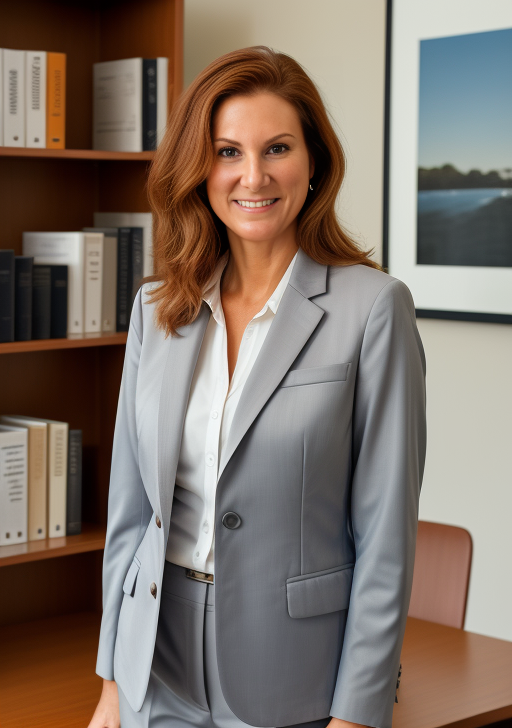
As a female founder, I am several years into building a business that is literally building. We are purpose driven and environmentally mindful. The mission is to build sustainable, quality constructed housing and commercial spaces that people can afford. Nothing could be more aligned with my beginings as a clinical social worker. My desire to build healthy buildings and community stem from my exposure to building a healthy mindset.