What If Construction's Biggest Skill Gap Isn't Technical?
Discover how bringing social work principles into the AEC industry can transform project outcomes. This article explores how active listening, community collaboration, and empathy help construction leaders solve complex housing crises, build psychological safety, and approach project delivery with a deeply human-centered mindset.
Key Takeaways
- Social work training emphasizes active listening and human-centered problem solving, which translates directly to better community engagement in construction.
- Construction leaders often face time poverty, but taking time to build trust and ask the right questions prevents costly project friction.
- Solving the affordable housing crisis requires more than technical building systems; it demands deep collaboration with community stakeholders.
- Empathy-driven leadership helps bridge the gap between innovative offsite manufacturing methods and public acceptance.
The Intersection of Social Work and Construction
When the construction industry looks for better project outcomes, it usually looks toward new technology, better delivery methods, or greater efficiency. Those investments matter. But many of the biggest project challenges aren't technical problems at all.
They're human problems.
Projects succeed or struggle based on trust, communication, and whether the people affected by a project feel heard long before construction begins. Those are skills that rarely appear on a project schedule, yet they often determine whether a project gains momentum or faces resistance.
Traditional construction leadership has been built around speed, cost, and execution. Those priorities remain essential. But when projects require community support, innovative delivery methods, or meaningful collaboration across stakeholders, technical expertise alone isn't enough. Leaders who ask better questions, listen more intentionally, and create space for collaboration are often the ones who deliver the strongest outcomes.
Shifting From Telling to Asking
One of the most common mistakes in construction is assuming we already know the right solution.
Teams arrive with proven systems, established processes, and well-intentioned ideas. But when those solutions are introduced before understanding the people they're meant to serve, resistance is almost inevitable.
The strongest leaders don't begin by presenting answers. They begin by asking better questions.
What does this community actually need? How do people want to live? What challenges aren't showing up in the project brief?
Those conversations transform stakeholders from passive recipients into active participants. The result isn't just stronger community support. It's better projects because the people who will ultimately live, work, or heal in those spaces have helped shape them from the beginning.
Addressing Time Poverty in Leadership
Construction is often described as a time-poor industry. Schedules are compressed, decisions move quickly, and every delay carries a financial cost. In that environment, slowing down to ask questions or build relationships can feel like a luxury.
In reality, it's often one of the best investments a project team can make.
Projects rarely lose time because leaders spent too long listening. They lose time because assumptions go unchallenged, stakeholders feel excluded, or critical concerns surface after key decisions have already been made.
Taking time to build trust early isn't a delay to the project. It's one of the most effective ways to reduce friction, improve collaboration, and avoid costly surprises later.
Overcoming Industry Skepticism
Every meaningful innovation in construction faces skepticism.
Whether it's modular construction, offsite manufacturing, or alternative building materials, people naturally question what feels unfamiliar. The challenge isn't simply introducing a new idea. It's helping people understand why it matters.
That requires more than technical data or product demonstrations. It requires education, transparency, and a willingness to engage in conversations before expecting buy-in.
Leaders who approach innovation with curiosity instead of persuasion create space for trust to grow. When people understand both the problem being solved and the reasoning behind a new approach, they're far more willing to consider a different way of building.
Conclusion
The future of construction won't be shaped by better technology alone. It will be shaped by leaders who recognize that every project is ultimately a human project.
Technical expertise will always matter. But solving complex challenges like affordable housing also requires empathy, curiosity, and the willingness to understand people before presenting solutions.
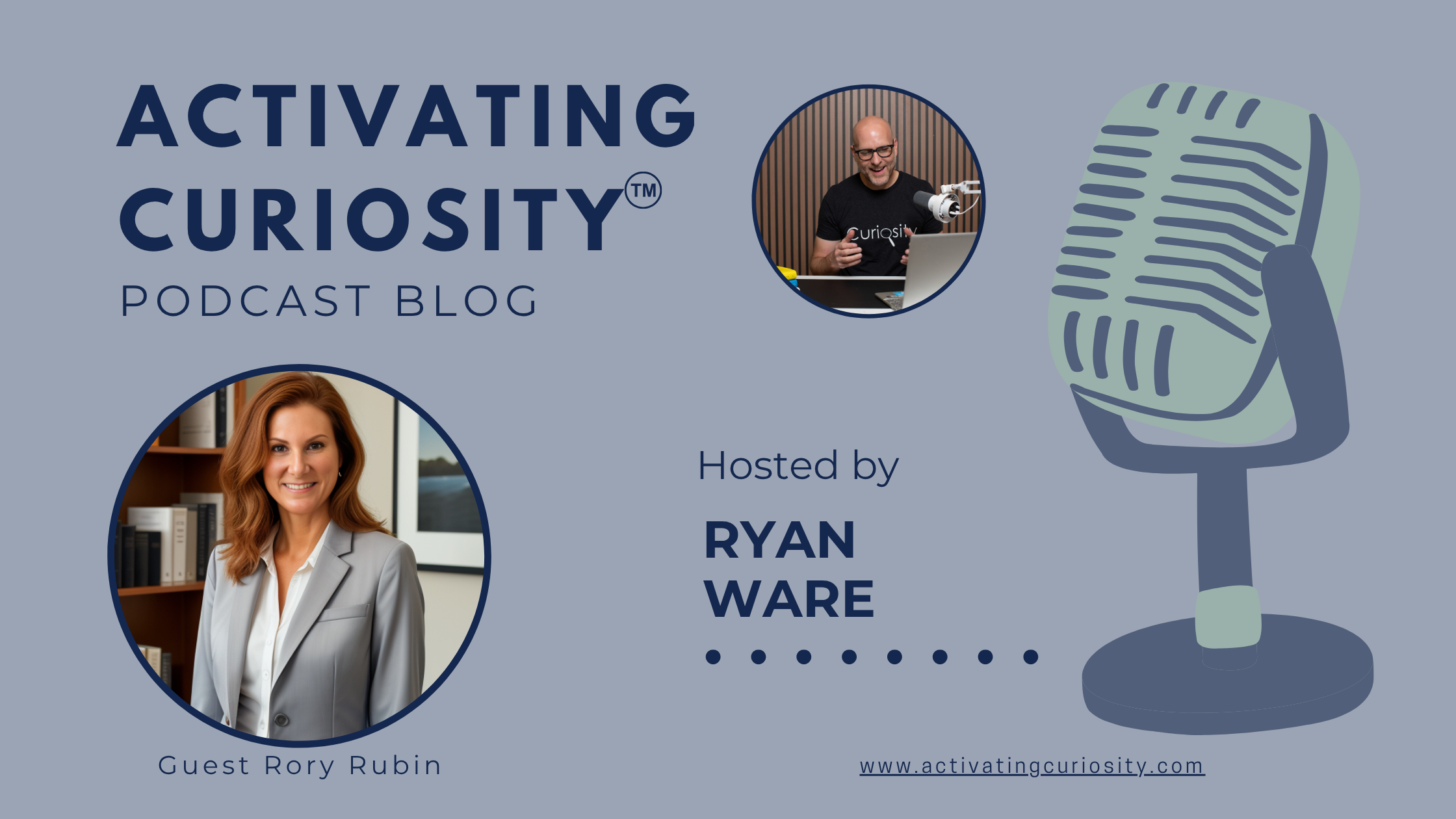
Rory Rubin's journey demonstrates that some of the most valuable leadership skills don't come from construction at all. They come from learning how to listen, collaborate, and build trust.
Before we build buildings, we build relationships. And the quality of those relationships often determines the success of everything that follows.
To dive deeper into how purpose-driven leadership and human-centered design are reshaping the AEC industry, Listen to the full episode of Activating Curiosity to gain actionable insights you can apply to your leadership journey today.
Frequently Asked Questions
How does social work apply to construction management?
Social work principles focus on active listening, systemic evaluation, and community collaboration. In construction management, these skills help leaders build trust, navigate complex stakeholder relationships, and design projects that genuinely address community needs.
Why is community engagement critical for affordable housing?
Affordable housing projects frequently face regulatory hurdles and neighborhood resistance. Engaging the community early through empathy and transparent dialogue builds trust, secures necessary entitlements, and ensures the completed project actually serves local generational needs.
How can leaders overcome time poverty in the AEC industry?
While construction is fast-paced, leaders can combat time poverty by recognizing that relational investments upfront prevent costly project delays, redesigns, and community pushback down the line.
What role does offsite construction play in social impact projects?
Offsite and modular construction methods allow for greater speed, cost predictability, and sustainability. When applied to social impact projects like workforce housing or trauma recovery centers, these methods deliver vital infrastructure faster and more efficiently.

CEO/ Change Management & Leadership Coach/ Key Note Speaker & Podcast Host
Ryan Ware is Founder and CEO driving construction leadership development. With over two decades of experience across every segment and level of management in the construction industry, Ryan’s career journey began in architecture and expanded into construction and prefabrication manufacturing. Throughout, he encountered consistent challenges with change management implementation.
Driven by passion and purpose to advance the construction industry, Ryan took to the stage to support as many leaders as possible. He helps audiences build stronger relationships with change and challenges the way leaders think about change, innovation, and leadership. His mission as a speaker, coach, and consultant is simple: to help the construction industry evolve by empowering those who shape it to better navigate change.
AEC Financial Planning: How Engineers and Architects Can Escape the 40-Year Grind
 Apple Podcasts
  Spotify
  Amazon Music
  Youtube Music
  Goodpods
  iHeartRadio
  Deezer
  Castro
  Castbox
  PocketCasts
  Audible
  RSS Feed