

 Apple Podcasts
 Spotify
 Amazon Music
 Youtube Music
 Goodpods
 iHeartRadio
 Deezer
 Castro
 Castbox
 PocketCasts
 Audible
 RSS Feed
 The Biggest Problem in Construction Isn't Budget or Schedule

Key Takeaways
- The biggest challenge in construction is often not the budget or schedule, but the overall construction experience for project teams, subcontractors, and clients.
- Building a construction company and a software platform simultaneously allows founders to directly test and refine systems against real-world operational friction points.
- Technology adoption in construction succeeds when software is designed to remove administrative burdens and support people rather than adding complex workflows.
- Effective leadership in the AEC industry requires setting high standards through personal example, accountability, and total ownership of mistakes.
- Creating healthier company cultures and simpler operational systems helps mid-market contractors attract talent and scale more predictably.
Construction leaders spend a lot of time talking about budgets, schedules, productivity, and technology.
But what if those aren't the real challenge?
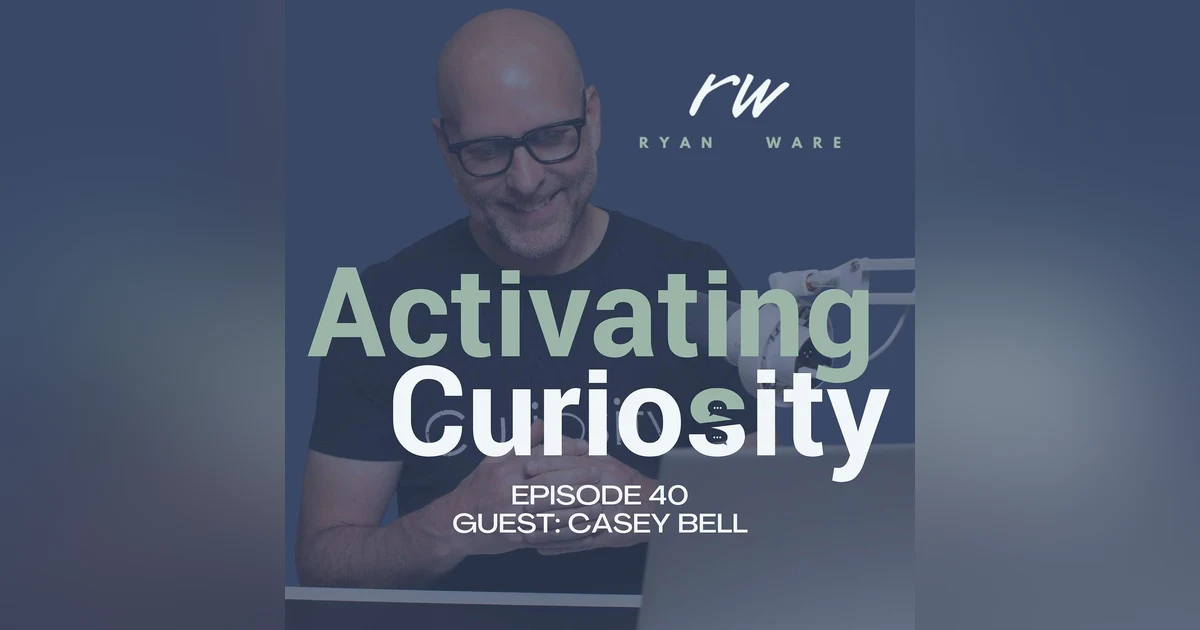
In this episode of Activating Curiosity™, Ryan Ware sits down with Casey Bell, CEO of Aecore and Co-Founder of Buildzen, to explore a different perspective:
What if the biggest challenge in construction is the construction experience itself?
Drawing from his experience building both a commercial general contracting company and a construction software platform, Casey shares how better systems, thoughtful leadership, and practical technology can remove friction—not just from projects, but from the everyday experience of the people delivering them.
Together, they explore what it takes to build stronger operations, improve technology adoption, create healthier company cultures, and leverage AI in ways that support people instead of overwhelming them.
This episode challenges construction leaders to think beyond budgets, schedules, and software. Because when the experience improves for project teams, subcontractors, clients, and owners, better project outcomes naturally follow.
🎙️ Production Note: This episode was recorded with unexpected technical difficulties, so you may notice reduced audio quality throughout. We chose to share it because we believe the conversation is worth hearing.
What You'll Learn
- Why the construction experience matters more than budget or schedule
- How better systems and leadership reduce friction across projects
- The connection between company culture and operational success
- Why technology should support people instead of adding complexity
- Lessons from building both a construction company and a software company
- How AI is creating new opportunities for smaller contractors
- Practical ways to improve technology adoption inside construction companies
- Why leadership sets the standard for operational excellence
Who This Episode Is For
General contractors, subcontractors, architects, engineers, construction leaders, operations professionals, entrepreneurs, technology leaders, project managers, and AEC professionals interested in construction operations, leadership, AI, construction software, process improvement, and the future of the construction industry.
Chapters
00:00 – The Biggest Problem Isn't Budget or Schedule
01:28 – From Economics to Construction
03:30 – Learning to Code on the BART Train
06:16 – When the Startup Dream Hit Reality
10:46 – Building a Construction Company Around Better Systems
17:17 – Construction Is Business on Hard Mode
23:01 – Better Systems Create Better Experiences
31:05 – Leadership Means Setting the Standard
36:14 – Why Technology Adoption Is So Hard
42:40 – Small Wins Build Better Change
46:32 – The Construction Experience Changes Everything
53:36 – What Happens If We Don't Fix It?
1:03:33 – Defining Success Beyond Growth
Guest
Casey Bell is the CEO of Aecore, a commercial general contractor, and the Co-Founder of Buildzen, a construction software platform helping general contractors simplify operations through better systems and workflows. After beginning his career with Turner Construction, Casey entered the startup world, participated in Y Combinator, and combined Silicon Valley's approach to software with hands-on construction experience.
Having worked in nearly every role within a construction company—from field operations and estimating to project management, finance, and software development—Casey brings a unique perspective on the intersection of construction, entrepreneurship, operations, and technology. Through Aecore and Buildzen, he is focused on helping the next generation of contractors build stronger businesses with simpler systems and better experiences.
https://www.buildzen.com/
https://www.aecore.com/
Overcast Innovations
Helping project teams coordinate building systems earlier for more predictable outcomes.
New Lyfe Accounting
Free Diagnostic ($500 value) for Activating Curiosity Listeners by NLA, to help your financial goals
Helping construction leaders simplify change, strengthen trust, and move forward with clarity.
Disclaimer: This post contains affiliate links. If you make a purchase, I may receive a commission at no extra cost to you.
Have feedback or stories to share? Drop us a note or leave a VM—we’re listening!
Follow Ryan at the following:
https://www.linkedin.com/in/ryankware/
https://www.linkedin.com/company/connective-consulting-group-llc
https://connectiveconsultinggrp.com/
https://connective-coaching.com/
https://ryanware.me/
Don't miss out on future episodes! Follow & subscribe now to our newsletter and stay informed about the latest trends and insights in the construction industry.
If this show helps you, please consider supporting it. Just $3/month helps cover production and keeps the conversations going.
⭐ “Love the show? Toss some stars my way, it’s the easiest applause ever.
Frequently Asked Questions
Who is Casey Bell?
Casey Bell is the CEO of Aecore, a commercial general contracting company, and the co-founder of Buildzen, a construction software platform designed to simplify operations for contractors.
What is the main problem in construction according to Casey Bell?
Casey Bell argues that the true core problem in construction is the construction experience itself, because when the daily process becomes a painful grind, project outcomes suffer regardless of budget or schedule.
What is Buildzen?
Buildzen is a construction software platform created to help general contractors and subcontractors simplify their workflows, manage payments, and automate administrative tasks like compliance and contract generation.
Why is technology adoption so difficult in the construction industry?
Technology adoption is tough because construction companies often operate on tight margins with fast-paced workflows, making it difficult to train multiple team members on tools that add complexity instead of removing friction.
Provide an exceptional construction experience, right? Initially it was all about us, but quickly realize after you know working with clients, oh, it's not about you, it's about their experience. People say budget or schedule, like, oh, those are the biggest problems in construction because everything's behind or over budget. But I take that a step higher and say it's about the construction experience. Because guess what? The project's over with budget. That's a pretty terrible experience, right?
Ryan WareFor everybody involved, hey everybody, welcome back to another episode of Activating Curiosity. I am Ryan Ware. And if you're enjoying these conversations, continue to follow, share the podcast with your network, go on Apple, go on Spotify, rate the podcast, share with the network, subscribe on YouTube, helps us continue to gain uh support for guests like we're having today and making sure that people are understanding what each of our guests are aiming to solve for the industry. And I'm looking forward to this conversation. I actually met this gentleman through another contact of mine, got a chance to meet him in his office in Nashville, though I never got to meet him and his company out in California when we were both actually living, living in San Jose and living in the Bay Area. So today I have with me Casey Bell. He is the CEO and co-founder of Acor and Builds In. Hey Casey, how are you doing?
CaseyHey, Ryan, doing great. Thanks for having me.
Ryan WareYeah, no, I'm looking forward to the conversation. You, you know, following you, following your work as a construction company and the work with um Builds in, but just watching you kind of evolve on LinkedIn and some of the posts, they're all thought starters, right? They're all these things that kind of get into our emotions. So I'm looking forward to this conversation. I think our listeners will enjoy it as well. But before we dive into the episode, take a step back. Tell a little bit about yourself, kind of how did you uh get into the work that you're doing, um, and then we'll dive into the to the conversation.
CaseyYeah, absolutely. It's a little bit of a unique story and kind of lengthy. So I'll try to try to shorten it as much as I can. But um, I came from actually an econ background in college. I got a really unique opportunity to do an internship uh with McCarthy Building Companies on a nice $200 plus million dollar job on campus. And that kind of got me into the construction world instead of going in, you know, the finance route. And I ended up uh starting to work for a big GC, another big GC after college, uh Turner Construction in San Francisco in their special projects division, which is a lot of interiors. Uh, did a lot of work at you know, airports and uh for some large uh corporate organizations. And during that time, I was having fun being a PM, you know, managing my projects, learning the ropes, learning the industry. But I was very interested in technology and software. And that mainly stemmed from companies like Plangrid who were coming out just at that time. This was, you know, 2012, 2013, building connected. These were people just like me leaving these big companies and starting this really cool software company and looking to solve problems, right? So yeah, I ended up uh spending a lot of spare time trying to figure out a problem to solve. And to do software, I figured I needed to uh learn to code. So I spent quite a bit of time uh learning to code. And a lot of that was actually done on a BART train going back uh back and forth from SFO and my project. I was on BART for three hours a day and I just sat there learning how to code because I didn't know anybody who knew how to develop software, and you know, I figured that's kind of how people did it. Um turns out I'm not the best developer in the world. I was able to kind of get my feet wet and learn the process, but um, through that, I met my business partner, Anthony. He is, I tell everybody, he's a unicorn. This guy doesn't exist. He's extremely sharp, engineer mindset type of guy. He's a tinkerer, an inventor. Uh, and he also knows construction really well. He was a project manager at a mid-size GC down in San Jose. And he would go home and write code at night. He would just leave the job site instead of going to a happy hour with the team, he would uh go home and crank out some code. So uh yeah, he was a unique guy. We met up and kind of did show and tell one day. Um, met through LinkedIn and said, Hey, let's let's kind of see what each other have been working on. And his pitch was trying to get me to use his software, and mine was the same to him. And you know, we ended up just leaving that conversation and saying, man, this is we gotta work together. Like this is just kind of a a weird thing. Not our none of none of our peers are really doing this, and we seem like a good team. Let's go ahead and work together. Um, so that kind of kicked off a a year or two of just side hustle grinding. Actually, the very first, not very many people know this, the very first version of Build Zen was was started back then in 20, you know, 2014, 2015. Oh, we got a user, uh, paid us like five grand up front, started using the software, just daily reporting and RFIs. And uh, we're like, oh man, we actually got something, let's go. And you know, through that, we finally um hit a point where you know, we I needed to go do this full time. And it wasn't necessarily what we were building at the time. It's just I was at the point where I was spending just so much time outside of project turner project management. I knew I wasn't gonna excel in that type of company without being, you know, fully committed with my side projects. And I was uh lucky enough to have a wife. I call her my my first angel investor, right? We had no customers, like we had no revenue really. We we ended up pivoting on the product, so we didn't have anything. And I told my wife, like, I I just I'm gonna go ahead and do this. And she she said yes. So um, yeah, that took us um to actually have some really fortunate turns in our path at that time. Um Anthony was was uh he he was still working as a project manager at his old company, and I was full time on trying to figure out something for us. And he had a kid and a house, mortgage. I was a little bit more free. And so I spent you know the first six months on our journey of just trying to figure stuff out. We were actually focused on um one of the biggest problems in construction, which is payments. And through that, we we ended up um getting very fortunate and doing a last-minute application to to Y Combinator, the tech accelerator in Mountain View at the time. Applied to YC. We got in and we started um going off to the races of a Silicon Valley venture-backed startup path. And that was that was a wild experience. Two construction guys, you know, used to a job site trailer, sitting next to Sam Altman and back in the day when he was involved in YC. Um, and just learning from some of the the sharpest people. Um the group partners there and just the peers around you. We always just felt like we were didn't quite fit in, you know. There was just some uh some high caliber people there. Um so we ended up uh building a payment product, so invoicing and payments for construction, kind of what Build Zen has today. It's the very first initial um approach to that. And we raised a little bit of venture capital, a little bit of angel investors, and we hit a big wall. So we just we hit a uh a wall of uh of revenue and sales like challenges. So construction is is notorious for not adopting technology very quickly. We're selling to mid-market companies. We would just grind to even get meetings, and it ended up being slow sales cycles and small deal sizes for the product we were selling. And we'd have to convince everybody in the company, the accountants, the uh project managers, even down to the superintendents who may be approving invoices to to use the software and uh and get it adopted. And investors saw that, and we kind of saw the writing on the wall and said, man, I I don't, we're gonna die. Like this is just not gonna work. We're running out of cash in six months, and we got to figure something out.
Ryan WareRight. I mean, it's you telling the story of a you know, the typical Silicon Valley right feel of a startup. But I'm gonna back up to something you said, having that support, giving yourself sort of that space to one. I'm noticing like I can no longer sit in this grind and do multiple things and finding your passion to say, yeah, you know, I'm I'm a little bit feeling like I'm an imposter sitting in this position, and this is where I get my joy and where I need to go. So that you, you know, you had someone that was willing to give you that time to step out and do it. You mentioned, you know, your wife. Um, that's I'm I'm lucky right now. I'm getting that too, right? To to do something. So we we all know like we can feel alone, but you have somebody who's willing to kind of provide you, you know, that space, right? To to test and to try. So you're you know, long rides on BART, sitting and uh encoding, you're meeting, um meeting your partner, um, Anthony. So thinking through like this journey that you're talking about, you know, it sounds typical for a tech company, but something that you said, and I think this is where we'll get into that next big problem that you're trying to solve and how you've evolved, not only as as ACOR and the construction piece, but the builds in as you've learned through this journey and in application of yes, we were our problem first problem was payments, and payments are slow for uh sub trades as well as you know, general contractors. Um, and that is that is a tremendous you know challenge for cash flow within a product within a business. Um, and then you know what happens when one project is slow versus another, and how contractors tend to manage that. But if we just start kind of diving in a little more, then Casey, you know, as you went through this, you know, you hit the wall and you started kind of evolving as as a core um like this we'll we'll get into kind of these obstacles in the human piece, but beyond the payment, like what else as you were evolving as a construction company was starting to come up as like, hey, you know, this is a problem too. Hey, this is a problem too. And then how were you doing that alongside your own business um to kind of address some of those human nature pieces when it comes to technology?
CaseyYeah, uh what we did is highly not recommended, actually, in hindsight. Uh it's extremely challenging to uh to build software and run a company, a construction company, um, at the same time. So um just pivoting into becoming the construction company, we we looked at who we're selling the software to, right? Yeah, they didn't want to buy it, and we also kind of look like really good looks into what else they were doing in their business. How did they do contracts? How did they do um like purchasing and just kind of diving into every little corner of the business across hundreds of companies um in the country? And we had the the the idea if we build software to solve a lot of these problems without having having legacy systems or even just legacy mindset, which is a huge thing. Yep. Um what can we do? Like well, how how how big can we make a change in the building process? And so yeah, that's what we started started doing. We got um got our contractor's license and a year after Y Combinator. I'm running jobs, superintendent. Anthony's writing code all day. You know, I we're I'm basically construction guy, he's software guy. And you know, I'm in a in a ceiling in Livermore in the in the strip mall, running some cabling. And the year before, I'm sitting like trying to pitch VCs on the next big thing. Like yeah, so that was a big shift of like, hey, we just gotta do what we have to do. We need to make, we need to make money. We have a big vision. Um, what can we do with with this software um managing our projects internally? Um how can we build an organization around it too, which is a kind of an interesting uh thing in hindsight. Um yeah, so yeah, that took us into to several years of just trying to build from ground zero a construction company around software.
Ryan WareYeah. So you're starting off and again going back to that revenue piece as a company, you you went back to the roots, what you knew. I mean, you you well, it's kind of interesting because I think we're gonna get into that econ thing here in a bit. But you you find yourself in a construction piece, the project management, you're back out kind of doing this this thing to generate revenue while trying to feed back to the coding side of like like here are some of the problems, here are some of the barriers that you as a contractor you typically might see. And they're picking up because you guys are running a company, you're trying to run a construction company and you're noticing those little things. So talk a little bit about like you know, builds in a little deeper. I've seen it, I've you know, I've I've had a chance to kind of see it, um, Casey, but like it's beyond payments, right? Because now pull your econ piece in, right? Like cash flow is only one part of it when we're talking about project-based accounting and earned value management, right, through through a project. So how has you know, how did it work for you when you guys were doing construction, and then starting to look at these pieces that that a construction team and a project management team, as well as that accounting side, would probably need to solve some of those problems.
CaseyYeah, at the end of the day, it was looking at every little thing we were doing to get work, start a job, run the job, and finish a job. Killing back every single layer of that and seeing what we can build and automate through software. And a lot of it was uh from the category of things that annoy us, we say. What annoys us? Hmm, let's see. When the subs ask us for an insurance requirement or we have to process COIs, that's that's kind of annoying. Chasing chasing signatures on contracts, sending out the contracts, um, down to like collecting lean waivers on the payment side. And so we we we started with the foundation of okay, we got to start a job, and from there we have obviously need to build an estimate and a proposal, and then we need to write contracts. So we we looked at every single workflow and connected them all together as much as we could through Build Zen. Um, obviously using a few out outside systems where where it makes sense, like a scheduling tool or a plan reading tool, um things like that. But that was the thesis. It's like what what can we connect in the software to automate things so we didn't have to hire anybody, right? We well, I was running around, I was a super, I was the PE, the PM, the sales, the BD guy. Right. Anthony would support, he's running a couple of jobs here and there, but it's more we were more focused on him writing code because that's his like superpower, right? And because of the way we did that, it required us to also think a little different than somebody who let's say they're longer older in their career, you know, they're more experienced, they're they have 20 years, they spin off, they have some capital, you know, they they can hire people right away to like do kind of these annoying things. We didn't have that, which is a good thing in hindsight, right? Right.
Ryan WareYeah, well, I I think as you're describing, because you mentioned like your ideal kind of client profile, right, is that mid-market, right? So it's smaller contractors who who are probably similar to you. They they don't have that initial capital, but going back to the you know, this problem that you're aiming to solve, like what you were looking for was the pain points that a mid-market contractor with little funding is going to go through just to deliver a project, right? From when it execute it, you know, close it out. And yeah, I mean, compliance, thinking about all those, all the forms, all the things that that are required to you know get a project successfully done and legally like protected by doing these things is is incredible.
CaseyOh, 100%. Most most people don't at like a PM role. Let's say you're PM at Turner or one of the big GCs or even the market smaller GCs, they don't really see like the business side of it. Yeah. They they can manage their jobs, they know budget, they know like their project cash flow and all that. But I mean, it was a learning experience for Anthony and I along the way. We're still learning things today, talking to CDAs and like you know, trying to understand more of like that world. And it's it's a lot. I think it's way more than people anticipate if they do spin off and start their own GC. Um, it it's it's pretty involved. And fortunately, like build Zen helps with a lot of that, but they're still, you know, it's a it's a messy process, it's a messy industry. It's it's tough. It's uh it's a I I tell everybody it's uh playing business on hard mode. Right. Right. So it's like it's it's just it's tough. It's constant constant competition. You're grinding your numbers down, but you still have to deliver this level of service, right? Which requires a lot of you know people and and resources. And you have to stay in such like there's it's such a regulated industry. There's a lot of um confinements to how you have how you can operate tons of paperwork, especially if you're in commercial and you're working for these big corporations, right? Like A Corps working for some huge companies, Pro Lodges, Irvine Company, uh Brookfield Properties, right? They're these mega REITs and organizations. Then you get into public work or healthcare or super high-touch um facilities, um, like hyper-secure facilities. That's that's just another step into complications, right?
Ryan WareYeah. Well, and I think you you mentioned that it's not we get trained to do the one thing and we get really good at it, but we we are missing the business side of construction with a lot of you know leadership development or just employee development to understand the impact, you know, beyond what they're doing in the field, right? So you have trades and then you have people in the offices and all the parties of what how how that you know, a project is your business, right? That is a contract is your revenue. And by disconnecting it, or you know, some software's always been about the kind of the easy button, but we're going back to this change fatigue piece that that we'll probably need to dive into deeper is one, a technology won't solve bad process or it won't solve that they don't know something, right? Like not understanding the importance of job cost and and tracking it and recording it and getting, you know, managing your budget, your project budget, but also like, okay, it's not the accountant's rule. Like it's how do you bring these things all together? Because a project manager wants to just kind of run the job and make, you know, they're having a hard enough time just getting trades to the project site, like all of these things, and then there's then there's all of this paperwork, which they just feel like, oh, that's just a it's a mountain of stuff that probably shouldn't be my responsibility. And the reality is like it, there's it takes a whole team. That's why they're called project accountants, yeah, right? Like with project managers and everybody kind of working to maintain compliance, um, making sure that the job, everything's recorded appropriately within the periods, getting revenue, you know, aligned with it, changing your EACs, all those things, like that's a it may not, it may sound like, hey, that's that's finance. I don't want to deal with it, but it's like, no, that's project based account. Like this is this is this is part of it. And the beauty part, what I think for a lot of if we've trained people. About those things. It's like the software is there to help you see the data and see the warning signs before trag, you know, tragic things starts to happen. Challenges in cash flow. You know, for the whole year or whatever. And then and then all these, you know, from the county's. Well, you got cost still coming in. Well, that job's been done six months, right? Yeah. Yeah. They already happened. So anyway, I that's maybe a little deeper, but it's like thinking through what you just said of like helping train some younger project, you know, project engineers, project managers, you know, whatever level they're at inside of companies, like the technology, and this sounds like something maybe how you guys have learned, right? Like, like it isn't an easy button. It is built based on those pains that we've had while trying to help educate a whole team to understand what does all this mean? Yeah. Yeah. What it all means. So, how have you you got builds in over here, and as you've grown ACOR, right? Like, how have you, from a leadership level, been helping people understand the importance, you know, beyond the field, right? And getting things done, these will what will feel like tasks or feels like a task, right, to them. Um, but it's part of the overall business health. Like, how have you how have you thought about that and and taking care of training and things like that within your own company?
CaseyYeah, yeah, that that's very it's tough. A lot of construction, you some of the protocols that companies require don't seem like there's a ton of value in it, right? And it doesn't like what we're doing is we're trying to get the right people on site with the right materials at the right time. Right. You know, that's kind of that's what matters. We have to get people on site. And then obviously people can get paid, right? But uh the the super NSM PMs are like they're focused on that. You know, if they miss a day, they report. Like, well, the people showed up and they did the work, right? You know, that there's there's things about construction that's more like, oh, let's record and uh let's have record of, right? Which is super important. So the what I've found helpful is one, we have to make things super easy, right? We have to everybody in Acor is awesome, they're high achievers and great people, but as companies scale, you have to build an organization that average people like can go and thrive and be super successful in. Right. Right. And that comes down to culture, leadership, and systems. So we've done on the system side is that was the whole like thesis of the company is building systems to to make people have our project managers focus on getting the people to the site and getting the work installed with the right materials. Right. Right. So whatever we can shed from their responsibilities of, oh, I gotta update the spreadsheet over here and then I need to go give it to accounting, or somebody drops off these invoices on my desk. Now I got to go through them all and like sign them and like review them or call people, blah, blah, blah. Right. Whatever we can just separate from the key importance of the job is what we focus on the systems side. On the culture side, everybody who's joined who's joined Acor was really was joining and very excited about the systems, which is kind of cool. It's like, oh, I can go somewhere and like this is what they care about. This is awesome. Like they actually think about what I'm doing during my day and how to make our jobs easier, right? But there's a component of culture I've I've learned, and it took a long time to figure this out, where the the key we tell the individuals in the company that you it's almost like a military thing. Like you're you're working alongside people, and you you need to understand that what you're doing affects like everybody else, right? And what should if you do everything, if you look at every single thing you're doing on your plate right now and you execute it at the highest level, not just like, oh, great job, you're doing good, but you're helping those around you on your project. So it's trying to take themselves out of the picture and like thinking more holistically about the other people in their company, in the company. Yeah.
Ryan WareI think that's so important today because we, I don't know, I feel like we've lost a little bit of humanity a lot of times because we're just there's so much, there's so much noise, there's so much pressure on individuals, especially in this industry, that that it's just hit the grind. I gotta keep going through this. It's in order to get, like you said, all of these tasks off my back. Oh, they're throwing a new technology at me. Oh, I'm expected to pick this up right away when I have a thousand other things, right? And having having a culture built around the human piece, right? Like it's our whole business, our whole industry, yes, we may get a contract to go build something, but that isn't getting built without the humans who are in the business doing it. That's that's the service, right? Like it's a service-based industry, and that requires humans. Um, even with their you know, tools and any kind of innovation that comes into it, the humans are the ones that one, we have emotions, two, we have our um, we're bringing our whole life with us when we show up to work, like you said before. You know, Auntie had young kids, you guys were um, your wife was letting you kind of do what you needed to do. Like you've actually experienced that as leaders. So you're bringing a culture in this says, look, you know, we went through this, we're seeing it. We need to solve some of these big problems, but we need to provide the space for humanity. And it sounds like what maybe, maybe add on to this, but it sounds a little bit like, hey, we're not gonna judge one another. Like we're we're going to provide, like, you know, do your best so that everyone here is doing their best in order to elevate all, right? Elevate the business. But um, it's kind of a judgment-free zone. Like you weren't judging Anthony when you first got started, and he wasn't judging you. You guys were just working off of each other's passion and for what you're trying to do to scale business. Is that part of the culture? Is there, you know, these people are coming in, they're obviously curious. People want to know how do you get on a business that is based off the system that has a tech technology behind them, right? Like how has that continued to evolve for you and Anthony as a business?
CaseyOn the the um humanity kind of piece to the what you're describing there, this is not necessarily an A-core thing. This is a uh I think it's a construction company thing in general, where a lot of companies, they're they're marketing, or you'll hear this like you'll see this everywhere on LinkedIn. People say the the reason why people choose us or the reason why we're such a great company is because of the people, right? Right. And at first I it was very naive, young in the industry. I was like, okay, that's cool. Yeah, great people, but like, how can we be the best like contractor? Like, let's go, you know. But at the end, as I will wise and up, like of course it is 100% the good pe the people. It's such a relationship-driven business for uh which is great, but there's also challenges to that too. It's yeah, it's you have to have you have to have the the right people. Um but yeah, to your to your quiet, I guess to your your question of um how Anthony and I have um have kind of navigated that, is that what you were?
Ryan WareYeah, a little bit of navigating based off of your experiences before you launched ACOR, right? You guys were you got connected and you know, the work that you were doing in order to launch Acor, but also launch builds in, like you both have loved experiences. Like, how has that helped you frame, you know, your minds around the types of leaders and the types of companies that you want to do? Because, like you said, like this can't just be like marketing on our website, it can't just be something that's on our wall. It's got to be something that the humans feel. Even at first, you're like, well, that might all be, you know, BS. Like what that sounds like it's shifted. So, how has that framed your your your leadership kind of mindset um as you're running the company? Um, helped you be the leader that you want to be for the company that's that's helping the culture?
CaseyUm looking at myself, the one that's honestly like if I was to sum up everything I've learned in leadership, is and I've not taken leadership courses or any of this stuff. It's all just like trying to be be the best I can be as as leading these companies, right? Is I have to set the example again. If I'm if I'm back in the day, if I'm managing a project, I need to do every single thing I would expect of my team to the best of my capabilities, right? I'm gonna do my weekly report every single week for my projects, right? So that the employees can see that, right? It's it's it's so easy for, especially as you get further along in a business, just to kind of like, oh, I'm gonna not you can't take vacations, but I I'm gonna head into the lake every Thursday, Friday, or I'm gonna um I expect you to do these things, but I'm not gonna do it, type of thing. It's like you have to I've really tried to look at myself and set standards in both my work but also my personal life, right? Um, down to like working out, going to the gym every morning, being disciplined. And that has like leaked into the company culture, which has been actually really cool to see. Yeah, and taking ownership of things, right? When I screw up, which I do, or if I say something that's wrong, like 100% ownership. Um one of our superintendents jokes that I I did, I did a um every week I do a things to think about for the company. It's like, hey, it's just something to think about um in a weekly report for the company. And one of them was like, everything's your fault. Right. The oh, the sub didn't show up. Oh, well, that's kind of that's your fault. Like, did you call them the day before? Did you make sure they showed up, you know? But everything in the both companies, if there's a bug in eight in build Zen, right? Oh, that's that's my fault. It's my fault. Like built, we built it, like it's our our problem to solve. So um, yeah. So I guess to sum that up is trying to be the best I can be and setting the standards for the company, uh, both personally and like uh at work, obviously, is is the best thing you can do as a leader, right? People will pick those things up. Yeah either way, if you're if you're the good stuff and the bad stuff.
Ryan WareYeah. I mean, they're watching, right? I mean, and that's you know, sharing that story of why you wanted to kind of hear it as we as we transition and think about, you know, going into the technology side with builds in, but like you're you're you know, not just focused on a technology, you have a construction company and team that you are expanding, like you've relocated, right, to to Nashville, um, main portion of the companies in in the Bay Area, and you are you know still engaged with your team remotely, you're able to lead the team. And going back to this mindset thing that you were just you know talking about, like people are going to watch the leader and how the leaders are managing themselves, managing their um interactions, not only with staff, but everyone else outside, how they're interacting online, like all of those things, the messaging, you know, all the way down to the messaging, um, internal and external. And as you said, it's like it can't just be fluff. Everyone's going to um ignore that or you know, call it for what it is. And as I'm thinking about like, okay, you guys, your problem you're aiming to solve is to create a construction company and build a technology that also solves a lot of problems for other contractors, right? Not just not just your own. So you're you're helping from a leadership level think about your culture in a way that allows you to then walk into other offices from back in the day when you were first launching, right? With your first first client and $5,000 to now and and having a you know a larger amount of clients. Like how has your understanding of your own internal team's mindset around technology? And you mentioned this before, the integration. It's not just like one, you don't you can't just put the tech in, right? And run. There's all of these other, you know, there's the CEO, there's uh ops, there's finance, and all of these people are going to bring their own ideas and their own um sort of life experiences and and and baggage around change fatigue with technology. So, how how has this journey helped you as you've grown through it to take builds in further and said, this is what we've learned about our mindsets, like the obstacles and the challenges, and what are those most commonly that you hear as you're out in the market trying to now help other companies?
CaseyYeah, it's it's the th I'll I will tell you there's a lot of learning going on right now on that front. Um working with other general contractors. Acor had such a unique foundation. This is what we're about. We build software, we try to improve things, you don't use it, you don't aren't thinking about those things, you don't work here, right? So we didn't have that that like legacy mindset. Um obviously these people are coming from different companies, but like, hey, that's part of the program. Like you when you join here, like this is this is what we expect, right? So we had an unfair advantage in that sense of uh of setting that that culture up front. And that's a lot of like the reason why people join. They want to be around other people like that, you know? Um now injecting systems and technology into other companies is very challenging.
Ryan WareYeah.
CaseyUm something we've been fortunate with is like we get to work with new GCs, right? Right. Like Bravo in Indiana and a couple in the Bay Area, um, one in Alabama. They these were all companies that are just like under a year old. Yeah. So they don't have that structure of somebody who's been in in accounting or in the office for 20 years, and now it's like we're shaking things up, you know? So that is helpful, but now we we are expanding into some more uh sophisticated companies. Uh one of the users of BuildZen is um an older company, but somebody actually acquired it and was a is a partner in the company and looking to improve the company with Build Zen. And it so we have um a different, let's say, user base in that in that company. And there's there's a lot of training, which which is fine. Like training is that's expected, 100% training. Um, but I would imagine there's a little bit of resistance inside the company, right? And you know, I don't I don't know how that problem is to be solved, to be honest.
Ryan WareYeah, it's um it's you know, being in change management now and kind of having gone through that, right? Running a construction company myself, it's like as you're bringing in a new process and you're layering in new technology, how do you not burn a team out? Like pulling the plug on one, pulling, you know, this didn't work, or half the team's not doing it. And as you're as you're describing, it's like, yeah, I mean, there is a status, it's like 70% of change initiative change initiatives tend to fail their objectives because it's not the technology isn't functioning, or could be the wrong answer, right? But that goes back to the humans who are first contemplating bringing this solution in. And like you're describing the mindset, there's a legacy mindset. There's a tend to hold on to that known because one, what am I gonna lose when I start doing this? Like there, there's something that I've been doing for a long time, and what am I gonna lose? Is this going to imp, you know, how's it gonna impact me? What's it gonna cost me, time, energy, yeah, whatever it is, right? So a lot of the times the the way I I mean, it's the way I think about change in our industry is like before before the technology is sort of implemented, it can't fix a process that's already broken because the humans haven't understood it. Or maybe as you're initiating in a change, like the the human, we have to understand the humans' relationship with change, is what I always say. Is like what what have they been through? What is their life experience and how you know you're looking for those key words and as you're implementing it? This is for other leaders who are going to implement it, right? Yeah. It's like you gotta be, you gotta slow down. You can't rush. I know you paid for the software and you want it to happen, but if you rush through it, it's not gonna work. But if you slow down and spend more time up front on understanding, you know, the communication, not just, hey, we're going to do this, it doesn't stop at the town hall. It is oversight from a mindset standpoint of helping people name the fear that they have with the software or the change or whatever's going into it. So it is a human, and I mean, from from my perspective, like it's a it's a human thing that leaders, you know, have to understand. Now, technology side, like their job, right, you you got to train them. You're you got to train the team uh to know the software and to be able to implement it. But the leaders, directors, leaders, project managers, or you know, if you create a zone of psychological safety, which means people can speak freely about how they're feeling in the moment about this change, then it begins to open up a dialogue to where they can say, well, I'm gonna lose control of this, or I didn't make this choice, so therefore I'm just gonna, I'm just not going to do it, or I'm going to resist it, um, for a reason A, B, and C. But the real question has to be is what are you controlling now that um you know that you that you see is more valuable than this? Like what um what choice would you be making, you know, right now that's different, or just asking different questions of groups to try to understand from that human piece, like, hey, the technology is not the easy button. You can't be a passenger in this change. You've got to be a participant in it, which means it can't be felt like from the human perspective, it's forced compliance. If it feels like it's a will they can be a willing participant in it, then I think they, you know, they tend to kind of again come in to be a participant, allows themselves to ask different questions, the freedom of the freedom to slow down.
CaseyYou what you know what's been cool, actually, uh, because of the the stage of build-in and um and how fast we can actually like do things with new new software development tools and AI. We've seen maybe some resistance, and then they come back and they say, Hey, this is a problem, like it's I won't like it to work this way. And the next day it works that way. And they become a lot more uh yeah um excited and like having that say in actually how the software can change and be developed. Yeah, it it changes them themselves, like on it for using the software, right?
Ryan WareSo that's actually been really cool to see. You're giving a feedback loop now to where they're able to they may not have made the initial choice, but they can say, like, hey, this is impacting me, and they're actually seeing they they're getting a small dopamine hit, right? They're getting a win because now it's working, now it's functioning. Um, and I think that's one of the things of change is like it seems like it the change habits a like it's an event, like it's a one time thing, but this thing happens over a long period of time, and that's where the space comes in. Like you're saying, is like just because the technology is sort of like there, the change doesn't end. Like it's an ongoing, which is what you're you're describing there. The these small wins, like breaking it down into these small wins versus like re we are heading to where we are more efficient as a company. It doesn't happen instantaneously.
CaseyYeah. And it makes our life easier. Like if we can add a little button or a little filter or a different export and like, oh wow, my life's easier. Then they see the value and what the leadership of the company was uh pitching to them, right? In a sense.
Ryan WareYep. Yeah. So talk, talk a little bit, um, Casey, then about you know, this problem as you thinking back to when you first started kind of diving into why you wanted to do what you wanted to do. Like, what made it so important for you and Anthony, like when you first started working on it, that you stayed with it when that you were running out of cash and doing all these things. Like, what makes it so important to solve this? Not only you know, for Acor when you started or for Belsen, but for the industry? Like, what makes it important to you?
CaseyYeah, yeah. Um we are cockroaches, we we say we're hard to kill. We scrape the bottom, you just help to kill us. So that's why we've kept going. It's this cockroach mentality of of just not giving, not giving up at all. Um, and we've been doing it for a long time, which has been it's been really cool. Lots of challenging conversations between Anthony and I over the years, but um yeah, we're still working together. Um but I I the problem has evolved in a sense, like we're what we're trying to solve. Initially, it was our problem is to be the best, like build systems to go compete against these other companies and like be the best, which is which is fine. But now it's it's evolved maybe like I don't know, several years ago. The problem both with Acor on the construction side and then Build Zen is to provide the best construction experience, provide an exceptional construction experience, right? So initially it was all about us, but quickly realize after you know working with clients, oh, it's not about you, it's about their experience, right? They're I've I people say budget or um schedule, like oh, those are the biggest problems in construction because everything's behind or over budget. Yeah. But I take that a step higher and say it's about the construction experience. Because guess what? The project's over with budget, that's a pretty terrible experience, right? For everybody involved, yeah, right? If somebody gets hurt on the site, that's a really bad experience for your client. And obviously the individual who's getting hurt, right? Um, so trying to take ourselves out of that equation and really focus on the experience with our clients and then even just on the sub side. A lot of build Zen is built around having the subs um have a better GC and sub relationship and experience, right? We do stuff for them, we fill out per preliminary notices for them and send them out so they can file their preliminary notices uh with all the correct information. Yeah, right. We make it easy to forward uh something along. We pay them super quick. We build ACH networks or flows to pay them right when we've been paid. Um right. So it's it's about the experience, I think, for everybody is the main problem that we're we're trying to solve. And now it's other GCs, right? They're using build zen, and there's their experience using the software, which is very important, kind of like our focus. But it's the same thing, just as Acor, we want their clients and subs to experience a better construction process while using Build Zen. Yeah.
Ryan WareI mean, that I I think about like not the experience of what the public see, right, from a construction side, all the way through, like you said, into the into the sub trades, that it is it has been a difficult experience. I've been around construction and architecture, you know, 20, what uh 25, 30 years now. It's it has an image issue, right? We've had numerous conversations where the construction industry gets an image issue, and that image issue is not only external, it is internal. It's how we we feel and are impacted as humans, going back to your human piece, right? Like that this isn't the the experience needs to be great for the client. It needs to be great, you know, feel a lot different for for your sub trades, like the fact that you're setting things up to make sure they're getting paid and helping them get cash flow. I mean filling out pre-leans, like I don't know anybody that's doing doing those types of things, but that's that's huge. It's like they don't have like they may not have the bandwidth, but if they're bogged down with things, they can't make your project flow, right? So eventually, like you said, it's gonna be overscheduled. Someone's going to feel this if we're not solving some of these problems. And it, you know, make you, I think you're spot on. Like when I think about like that experience, like it is critical that we solve, you know, even the minor, a minor thing makes the experience so much better for two parties, three, the whole, you know, the whole project. Because some I saw something, somebody said, is there any such thing as a perfect project? And I was thinking, like, before you said this, I was like, it should, it should feel like a good experience for the client that they got the project that they wanted, right? Like when I'm thinking as an architect, it was never about me. Like they should have had a better feel that as an architect or even in construction, that they were not just getting a building, that this thing wasn't so painful that they were like, I'm never building again, right? Like, I'm never gonna do this.
CaseyOh, yeah. You can hit those metrics and be on budget on schedule. Everything's fine at the end of the day. But if your client's constantly hounding you, like, hey, where's where's this my updated schedule? Like, where's the costs? But like the change change event that was coming through. Like, I'm constantly trying to bother you. Like, yeah, that's it's just that's a losing job, you know, even though it hit the the paper metrics, right? Uh we've told a lot of and hopefully like builds NGCs take this too. We tell our our our team at Accor, your job is to help your client get a promotion or a bonus or a raise, whatever it is, right? Yeah, if you if they report about their projects, and because they're working on an A Cor project, they have all the uh updated information, they're reporting to their bosses awesome, everything's smooth, they're gonna look good. Like, what can we do to make them look good and help their careers along, right? Um so it's yeah, it's it's different than residential, right? Like their job is to manage the construction compared to oh, it was my part-time job to manage my home like kitchen renovation or something.
Ryan WareRight. Right. I mean, you're talking about you know, being a leader, right? It's like managing something in a task versus like trying to understand a purpose of a business. Like, what is this business, you know, business even exists? This is our purpose. The purpose is to ensure that the other humans have that experience, like you said. And um, yeah, we we should all want to make other people, people look better. And I think that's a it's a powerful kind of way to frame it when I think like we we're very individual, you know, we're driven to be individual, or we we tie our identity to what we do. And the reality is like you only get to do what you're doing because there are other people willing to bring you in. Like, so you are your brand is more than the name, it is more than saying it's all about our people. It literally is your ability to see the humans and drive a process that is smoother for everybody than what we come what we're currently and always have felt for the industry. But yeah, um what do you think, uh, Casey? From you know, you guys are running your own construction company, but also you know, with builds in, like we talked about the importance. The importance is we got to make it a better, better experience with the problem that you're aiming to you know solve with all of these solutions or technology and as you're working uh with contractors. But like what happened, what do you what do you think if if if this isn't solved, like what not only for ACOR, but like what do you think continues to happen if if we don't as an industry go back to some of the things you said, training younger individuals on what all of this stuff means about project accounting or project budget and the tracking and the paperwork, you know, as well as like not understanding like our responsibility in the industry is about making it a better experience, whether it's roads or hospitals, whatever it is we're building. Yeah, yeah, yeah. What do you think the cost is to the industry?
CaseyOkay, my uh venture capital pitch deck answer is humanity will suffer.
Ryan WareI like it, yes.
CaseyUm yeah, less things will get built, right? People don't want to be involved in this industry. We'll have less talent. I think that's a big part of it, too. It's like it's hard to attract um the PMs or even like obviously the the field labor and um the trades, like it's hard to attract people without the system, like the especially with AI and like the systems that can be developed in the future, you know, less less things will be built. There'd be less people to build things, less clients will want to be involved, right? If there's less people to build, back to like econ, there's gonna be uh higher prices, right? There you go. Which limits limits supply, right? Of the what's getting built. So yeah, I I mean that's like at the end of the day, again, like the VC response is yeah, less things are gonna get built, right? Yeah, people are not gonna enjoy the industry.
Ryan WareOh, I whether it's VC or or not, I think that is that is a great answer because we we're building for our communities, right? Like, why do we do what we do? Well, we you know, thinking back to architecture and even getting construction, like we're doing this because our communities deserve better than they have right now. Um there's my VC pitch deck, right? Right, exactly. It is it is a humanity, otherwise, what what are we doing? We don't design buildings to sit empty, right? That's not that is not what we're supposed to be doing. We're supposed to create spaces that people, you know, make memories in and you know constantly come back into their mindstream and constantly want to want to be you know an occupant of. Not if if they don't want to, and it's it's a hospital or something, right? It should feel like more of a human piece to them, right? It shouldn't feel cold, which is our infrastructure is crumbling with healthcare. We got we got health systems, you know, disappearing from rural America. We have all kinds of you know issues with schools and things. And that is our going back to your pitch, Dick, like we if we're not building it for humanity, then who are we doing it for? Yeah, yeah, exactly. So the next generation, as you're saying, the next generation doesn't want to come into this, but we're also who wants to stay in it if that's the experience that they're having any anyway.
CaseyYeah, and to to drill down on the individual level, most people just want to go to their project or go to their company, do a really good job, not have anything like bog them down. Or yeah, of course there's gonna be general annoyances of things, but they don't want to have things outside of their control limit, you know, them doing their job. And then they want to go home and be with their family and like show up the next day. Not everybody wants to go build the next revolutionary thing or like be start their own companies and all of that, which is which is awesome and and totally totally fine. But without good systems, they're not gonna have that experience, right? They're gonna go to work pissed off and like, oh my gosh. Okay, today I am taking data over here and I'm putting in the spreadsheet and then like accounting's on my butt because I don't have my payout done, right? Yep. Instead of like, I'm gonna walk my job, I'm gonna point out some issues and like work my super to figure stuff out, you know. So that's kind of the drilled down. Um, if we don't solve this, like that's what's gonna happen to people.
Ryan WareYeah. It is, I mean, there's so much noise and pressure and exhaustion, and like people don't feel like they have enough anything, right? Like it's I got more of this, the pressure, the noise, and all of these things happening in my life, costs increasing. And as you said, like going into work, you know, pissed off is not what anybody wants. Yeah. And that, and I think that going back to like the field, like I I could remember a number of conversations with people like, well, you know, the crusty old site superintendent. And it's like, well, they're probably not, they're just they have too much friction because of the systems, or because like someone else has a lot of frictions that they're not getting what they need, right? So it's a terrible experience. So why are we labeling everybody? Like, one, they're human, as you said. They want, they they they have their basic needs and they want those met. And they want to know that in the end of the day that they built something amazing for someone else. But if there's so much friction in our system, our process or systems, if they're not aligned with with the core business of what it is, right? Like it's you know, I think about running a company that did not have an ERP system. And I was like, what is this? Like you get the financial reports, and you know, the GP is you know swinging 100% each month, and you're like, this makes no sense. Like none of the projects are running this way. So you whether you're the leader who can't see the business and get the data, or you're the site superintendent who can't get what they need because there's too much friction in the middle, with you know, we don't have enough labor force to take care of things on the field, let alone the office, and and then stack on top of that like old software, or half the team wants new software and half the team doesn't, or some people aren't following protocol, people don't know, and that's yeah you know, another thing. But yeah, I know um yeah, it can feel like a lot to say, hey, you know, all of humanity, but I'm glad you shared the purpose because we need more of that in this industry. I want to see the next generation come in and feel like they're coming into an industry that doesn't we don't have to keep saying like it's it they're slow to change or hard to change. It's like coming in an industry to help with changeability. We're helping people see what's possible and why we're doing what we're doing.
CaseyYeah. It's just last thing on that on this, when you mentioned that 20-year-old super, it just got me thinking, or like 30, 40-year-old uh year super, right? I feel like they're probably just pissed off and and having that attitude in a sense of things in like as a in the GC world, yeah, there's way more process and like protocols. And I don't think that's any like um, I don't think that's gonna go away, right? Right. Like when they probably first started is like, oh, I'll just take my daily report my real quick, my notes, but now I'm doing a pre-test plan, I got a safety plan, I gotta update my three-week, I gotta now update the schedule, I gotta do this, I gotta that. Like there's stuff that's just piled on of process and paperwork, and especially at the big GCs, right? They just they hammer the projects with the CYA type of junk. And I'm kind of optimistic now, especially with AI and like new tools, and you know, what we can even do at Build Zen is like, can we still achieve those things, but make the life easier of that super, right? So they're not so pissed off.
Ryan WareYeah. No. Anyways, no, it's fair. It's it it that's probably spot on. And that's the reality, is they've they've been able to build a lot of buildings in their career and then suddenly find themselves just like buried in a broken system and a process where nobody knows why they're doing what they're doing. It's just someone decided this is what we had to do for, like you said, the CYA piece. And and frankly, yeah, it's because you know, back in the day with thinking about master builders and the way we used to do it, like it only got got this way because we broke everything up into silos, we split everything up, like attorneys got more involved in things, right? And but we're the humans. Like I always say this like, we're the humans. Like, I know it feels like we can't drive change, but we we can have conversations with people that suddenly we learn that there is someone out there, like like a Casey and an Anthony, like doing builds in, or there's someone out there that is trying to drive change in a policy or drive change somewhere else. That it's all being done because there's so many people like yourself and others that are like, we can't we can't just keep shoving technology down, but we do need to figure out how we're going to get the humans connected to these things so that they so we can go address the needs of our communities. Yeah. So all right, so put your VC hat back on. And and talk a little bit about like you've you've been on this journey, but you mentioned was it 2012, 2014 that you were sitting on bargain? Yeah, about then, yeah, 2013, 14. Okay, yeah. So I'm sure I'm sure things have shifted since then, but you continue to advance builds in and you're continuing to grow A um Acor. Correct. But if you take a step back and you say, like, you know, for yourself and Anthony, your businesses and the industry, what how do you describe success um for all of those areas in your life? Oh, that's that's a heavy question.
CaseyUm it's you know, Anthony and I talk about this all the time. Um, what we're doing is very hard, like with running these two things, especially now two construction markets, and then trying to service the the build-send customers and really think and iterate. The good thing about that is they they help each other, right? Yeah. So the better we make the product, the more feedback we even get from other people in the market using the product makes Acor better. Um, so there's there's some synergy there for sure. Success for either, right? Acor becomes a national GC. Um, you know, really scaling that culture we've already set, which would be really cool to see, right? Um and then build Zen is as used by as many GCs as possible, right? Our focus right now is the we call them the rebels, right? The either the rebel who broke out against uh and started their own company, right? From a big GC and is like a rebel kind of entrepreneur type, or somebody who just wants to not use uh Autodesk or Procore, right? And they want to kind of take a different path. So our focus is are those are those people and scaling that up. Um and then I as far as high-level industry, it just goes back to like humanity, right? Of like success is building more things more efficiently, faster, better. And I'm so optimistic about AI because I could see it on our software development side. Yeah, we we've been pushing code, like it would take months to do a day's worth of work. It's it's wild. And so I think I think uh the optimism for the industry overall is applying that to different areas of the uh of the construction process. It's obviously way more difficult than ones and zeros in an excited computer, but um, I think success will look like just more things being built, more places we can go and experience, uh, more hospitals, like just a higher level quality of life for everybody.
Ryan WareYeah. I mean, it's thinking about what you mentioned with AI. I I see this all the time. There's somebody's talking about AI, or there's somewhere like, well, AI won't put a new plumbing line in. AI won't do, you know, it's all it's like, well, you're defining what AI is by saying that's what it's going to do. What you're describing is taking some of these friction points and tasks that we all feel in the industry that need to be done, but frankly, our what we do as humans would be far more valuable by doing the things out on the site and doing the buildings and you know, other innovation that can that can support us because we have that shrink. Labor force. And going back to something else you said, like with that shrinking labor force, you know, economics 101, the cost's only going to go up because we can't increase supply of any of this stuff, let alone the humans who want to be in the industry and come into the industry. So I think it is, I think we're at a point where there's there's a lot of things being thrown at us as humans. AI is talked about at every conference. Not all of it is you know what we might think it is or what it could be. It's going to go through a lot of testing and a lot of trying. But I think as humans, this goes back to the mindset that you were talking about before. Like we can we can find our own agency in that moment. We can figure out like what is the best use for it, like you're doing with coding. We can find it and apply it to uh do things you know from the finance side. Like that's one of the biggest pieces, marketing, things like that, that allow allow a company to scale without needing to, you know, have the workforce they have, right? Without needing to keep adding, which doesn't exist anyway. Uh so I think something else you said of was important, and I do think I think you're what you're describing from the market size and the work you guys are doing, those um rebels, as you call them. I know one of them, you already mentioned his company name. Um Procore is is a tool that's right for certain people in certain areas and builds in as a tool. But I was talking to to um someone here in Cleveland that was, you know, they do a lot of work with subcontractors, small to med-sized contractors, and it's just like they can't afford to bring these softwares in. So there needs to be this solution, right, that you're talking about that is going to help smaller subs, smaller GCs um, you know, come into the market and get off the ground because we know it takes five plus years to even really get going. And sometimes we can't make it past two because you can't see the cash flow, you can't see the information. So yep, yep. 100%. That is that is a critical thing that you guys are aiming to solve. Um, you guys are going about your scaling in a way that works works well with you and the clients that you're bringing in and getting them onboarded. Um so I I appreciate your willingness to come on and talk about your your you know, your story, how you've gotten into your leadership, being CEO and co-founder of both of these companies and working with Anthony, but also getting through like what it is that you guys really want to achieve with Accor and with Builds In. So I appreciate you being willing to come on activating curiosity.
CaseyYeah, absolutely, Ryan. Thank you for having me. I had a good time. Yeah, thanks, Casey.
Ryan WareUm, I look forward to catching up next time, but but uh we'll talk soon. All right. Thank you. Thanks. So that is the episode with Casey Bell, CEO and co-founder of Acor and Builds In. And gotten to got to know him over the last year, getting to sit down with him in Nashville, but just kind of understanding his backstory. If here's someone who starts in economics, ends up in construction, working for large construction companies there in California, and says, you know what, here's a problem um I'm seeing constantly. This isn't bringing me uh joy necessarily to just be here in the field and do this. It's not what I see my career uh path moving forward. But he was already starting to identify some of those challenges and problems that he was noticing, but other people were noticing uh in the construction industry. And I think the story is impactful for all of us. There, there's a level of understanding of how to lead a construction company and then how you're implementing what you're building simultaneously to be able to then go take that to market to support others in the construction industry, because there are a lot of middle market, smaller general contractors, subcontractors, um, similar to what Acor currently is, that these types of solutions can make sense where it'll help them scale to where they want to get to as a business. But ultimately, it is about making the experience greater for every person that's involved in the project to make the life better for the site superintendent, to make the life better for the project manager, better for uh the project accountant and the finance team, ultimately up to the leadership of the company to get information the way they need to to operate and run the company, but also to the client and to the community and to the subtrades and everyone else that are involved in the project. That is that is a big goal and a big mission. And I hope that we all begin to think in that framework. Construction is a human experience. There might be tools, there might be processes, there might be contracts and other things that have to go into place. But the whole reason we do this is for ourselves and our own humanity to do something we're proud of while building for communities. So I hope you're able to continue to look at those things that you're saying, hey, I noticed this problem and you want to try to understand how to solve it. So continue to dive into those things, continue to explore, continue to ask yourself deeper questions and others deeper questions, and just continue to activate your curiosity and continue to activate the curiosity of others. The Activating Curiosity podcast is brought to you by Connective Consulting Group and Connective Coaching or the Curiosity Building Experiences. If you enjoyed today's episode, don't forget to subscribe so you'll never miss a conversation. Share the podcast with your network and help us bring more curiosity into the contribution. Interested in becoming a guest or sponsor? Visit us at ActivatingCuriosity.com for more details. Until next time, keep leading with curiosity.
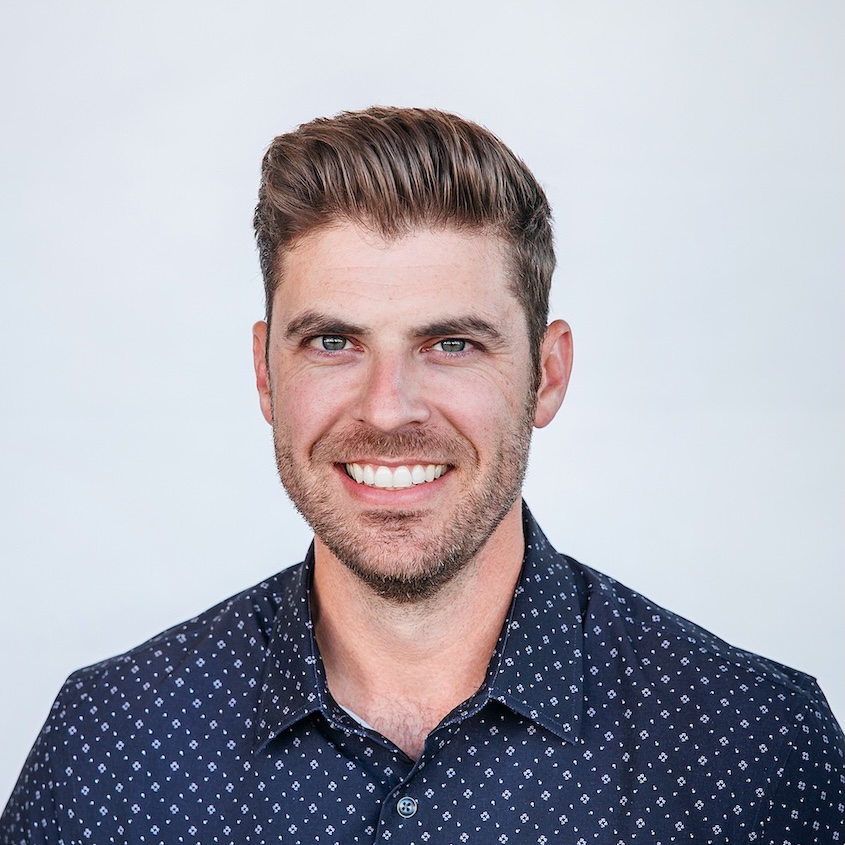
CEO & Co-Founder
Casey Bell is the CEO of Aecore, a commercial general contractor, and the Co-Founder of Buildzen, a construction software platform he is building with his co-founder, Anthony Cirinelli. Casey started his career with Turner Construction before moving into the startup world, eventually getting accepted into Y Combinator and spending time around Silicon Valley’s approach to software, speed, and innovation.
That mix of big construction, startup thinking, and real field experience shaped the way Casey looks at the industry. At Aecore, he has done nearly every job in the company at some point, from sweeping floors and helping in the field, to superintendent work, preconstruction, estimating, project management, operations, sales, finance, and software development.
After years of building internal tools to run Aecore better, Casey and Anthony launched Buildzen to help smaller and growing general contractors operate with better systems, cleaner workflows, and more control. His perspective sits at the intersection of construction, entrepreneurship, operations, and technology, with a focus on helping the next generation of GCs compete without needing massive teams or overly complicated enterprise software.