

 Apple Podcasts
 Spotify
 Amazon Music
 Youtube Music
 Goodpods
 iHeartRadio
 Deezer
 Castro
 Castbox
 PocketCasts
 Audible
 RSS Feed
 Construction Delays Start in Design—We Just Don’t Talk About It

Construction delays are often blamed on labor, cost, or materials—but what if the real problem starts much earlier, during design?
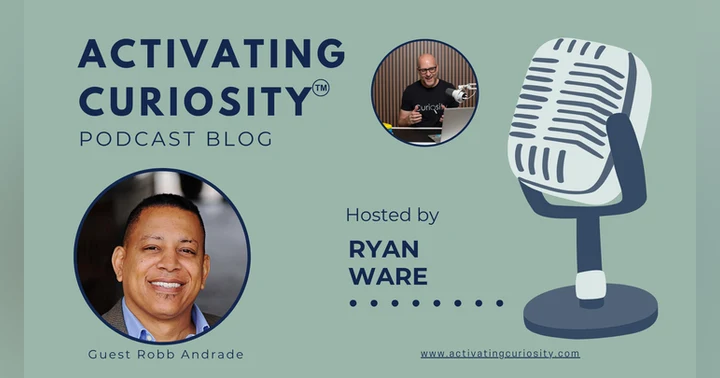
In this episode of Activating Curiosity™, Ryan Ware sits down with Robb Andrade of Overcast Innovations to explore how siloed design decisions create downstream friction, rework, and unnecessary change.
Instead of focusing on what happens in the field, this conversation shifts upstream—where critical decisions are often made without full visibility into how they impact the broader system. From coordination challenges above the ceiling to fragmented trade workflows, a clear pattern emerges:
We’re trying to fix problems in construction that were introduced during design.
Robb shares how shifting coordination earlier, integrating building systems, and applying industrialized construction principles can reduce friction, improve efficiency, and better allocate limited labor resources.
This episode challenges AEC leaders to rethink how decisions are made—and how connected systems, not silos, determine project outcomes.
What you’ll learn:
- Why construction delays often originate in design, not the field
- How siloed decision-making creates rework and inefficiency
- The role of prefab, modular thinking, and industrialized construction
- How shifting coordination earlier improves project delivery
- Why labor constraints demand new approaches to design and planning
Who this is for:
Architects, engineers, contractors, developers, and AEC leaders focused on construction innovation, prefab, and leading change.
Chapters
06:39 - The problem we keep missing
09:25 - Why delays start before construction
12:07 - Designing in silos
14:45 - Why new ideas struggle
28:33 - Labor vs design constraints
50:17 - What happens if we don’t change
Guest
Robb Andrade is Managing Director of Overcast Innovations, a manufacturer of integrated, technology-enabled ceiling systems.
With leadership experience at Johnson Controls and Siemens Smart Infrastructure, his background spans building systems, IoT, and smart technologies across the built environment. He began his career in electronic warfare with the U.S. Navy and is active in workforce development and industry education.
Overcast Innovations
Helping project teams coordinate building systems earlier for more predictable outcomes.
New Lyfe Accounting
Free Diagnostic ($500 value) for Activating Curiosity Listeners by NLA, to help your financial goals
Helping construction leaders simplify change, strengthen trust, and move forward with clarity.
Disclaimer: This post contains affiliate links. If you make a purchase, I may receive a commission at no extra cost to you.
Have feedback or stories to share? Drop us a note or leave a VM—we’re listening!
Follow Ryan at the following:
https://www.linkedin.com/in/ryankware/
https://www.linkedin.com/company/connective-consulting-group-llc
https://connectiveconsultinggrp.com/
https://connective-coaching.com/
https://ryanware.me/
Don't miss out on future episodes! Follow & subscribe now to our newsletter and stay informed about the latest trends and insights in the construction industry.
If this show helps you, please consider supporting it. Just $3/month helps cover production and keeps the conversations going.
⭐ “Love the show? Toss some stars my way, it’s the easiest applause ever.
Robb
Buildings are going up faster and with better materials, better quality at lower cost. So that when you have that state or community college that may not have a massive endowment, they can afford to build the building. Um school districts are passing bonds that because of inflationary concerns, they're the money isn't worth the bond anymore. It's not the same value. By the time the last school gets built in that five-year cycle, they're already behind the eight ball. And usually what gets VE'd out are the things that are forward thinking first. Things that are gonna be those things that get us to the next spot. So we have to change that paradigm, and it starts in design and planning.
Ryan
And this uh conversation today is it's one where I've had an opportunity to kind of meet this team when they were first getting started. Um, I haven't had the chance to meet the guest prior to now, but I've had a chance to research this company. I've seen um a lot of their areas that they were really focused on when they first got started. And I'm looking forward to seeing how they've evolved in the last five to six years uh since my time of getting a chance to kind of see their space in Seattle, Washington. So I have with me today Rob Andrade. He is the managing director of Overcast Innovations. And like I mentioned, they are based in Seattle, Washington. Hey Rob, how are you? Doing well. How are you today, Ryan? I'm good. I'm good. And I'm appreciative that you're willing to be a guest here on Activating Curiosity and get into the conversation. So before we do that, why don't you tell a little bit about uh yourself, your past, and how you got in uh with Overcast? Absolutely. Yes.
Robb
I'm a I've been a building technologist for a a long time now. Um and so from being a controls engineer back in you know late 90s, early 2000s, and ironically enough, um Overcast's primary parent company, McKinstry, um, was my customer in several instances back then. So I've known this organization for quite a while. Um so you know, stints at um you know, from controls engineering up to general management um at Siemens um here in the Seattle area, then took a global role for Siemens and technology migration over in uh Switzerland at the global headquarters was there. Uh for lived over there for about eight years. Um worked Siemens, but then got into um another portion of uh technology, um FinTech. Um so that's where I got the security um aspects of how I view technology. Uh so globalized that firm um literally all over the place. Offices in Lima, Singapore, Hong Kong, yeah, every place that we needed to be um to get that technology up and running. Um eventually spun back to the US to head my own startups, a couple of different engineering firms, um uh got back you know to Siemens, then um Johnson Controls uh became a calling. And so uh I had never, you know, actually done uh big fire and life safety and applied equipment like York. So, you know, did did that and was uh doing that when um I was got exposed to overcast. Um and it was the amalgamation of pretty much everything that I thought needed to happen in the construction industry to change it in the most positive way. Um so we started the discussions and uh and this has been my life for you know almost four years now.
Ryan
Yeah. Well, I'm sure, yeah, once you describing your your past, there's a lot of great global companies, right, that that are around the build environment that have, and I think you'll get into this, some similarities in not just their go-to-market strategy, but the the intensity that it takes to get the system's design and kind of into into a building. And as you dive into things here with Overcast, yeah, I do see that. It's the level, you know, the level of coordination to a lot of the solutions that um that I'm sure we're gonna get into here today. So I'm glad you had the chance to to kind of recognize that. I think a lot of for a lot of people it's like connecting those dots as a career. We're no longer just working kind of in one area and you're trained, yeah, here's your training, and I've got to stick into that so you've been able to see this trajectory through your career and and finding a point here where you're like, hey, these guys are solving something that I've always been recognizing as a challenge for the industry. So let's talk a little bit about that problem that Overcast is aiming to solve.
Robb
Absolutely. So um an issue that we have in construction um in general in these United States is kind of the piecemeal approach. Um buildings get designed in silos and they get built that way. Um so what I mean by that is all the building technology that goes into the building, you don't you're not you don't have the fire and life safety guys necessarily talking to the the you know the folks that are involved in Wi-Fi installation. They're all doing low voltage at that point, but ne'er the twain shall meet. So you've got you know between 13 and 15 different silos operating. And so what we do is take a look early on in the process to say this is that's conceptual, you know, owner's requirements, and then very early in what is still called schematic design to say, hey, um, we're gonna deliver the building technology that you see in a ceiling, um, and it's going to show up as a finished good. Okay, so think of an appliance. Um, a dishwasher shows up to a job site, the plumber's gonna touch it, Sparky's gonna touch it. It's up to the general contractor how it gets installed. Same concept here. It's a ceiling appliance that integrates all of the building technologies fire and life safety, IoT systems, fire protection, HVAC diffusers. Um so everything that's up there that give that that gives occupancy to the building comes out of our factory in Spokane, Washington, gets delivered just in time to the superintendent and the foreman, offloaded the way they're going to install it, and away we go. Um, so it's just a we call it shifting to the left in terms of the AEC team's design. So don't wait to the end, you know, to have your fire protection involved in the conversation. Let's start this conversation up front, integrate the technologies the way they should be. Cabling then follows, you know, predictable paths. Um, it's just a lot smoother. Takes a lot of coordination off the general contractor, therefore reducing the cost to construct in terms of time and material.
Ryan
Yeah, so you're you're really starting to engage with the design entities. So architects and engineers, you're coming up, like you said, in that schematic. You're maybe you maybe you call it this, maybe, maybe you don't. I think of it in the terms of a design assist. It's helping them get through that decision-making process from early narratives, which a lot of these, these items that you're talking about are going to live in a narrative stage till they get to that DD level and they're they're starting to lay out ceiling patterns as an architect, but all of those devices that are then going to drop into that horizontal um plank area, right? So something else that I think you said it was it was very interesting is is is you are shifting left. So the decisions are starting to be made earlier. And we're not talking to, yeah, we're not as a designer, we're not bringing in fire protection. Because one, whether it's depending on the delivery model, like there may not even be a GC yet. You know, it's a TI project and and it's going to go out to bid um or negotiate as it gets further down the line, like that that team isn't necessarily existing right now. So something that's I'd like you to just kind of describe a little more is that these, as we're thinking about these clouds or these planks, and want you to tell your story, is we're we're really talking about the termination points in the horizontal and getting that layout correct. It's it's there's still a design of the piping and and a lot of those things that's kind of ongoing, but it's pulling up some key control areas. One, aesthetically, uh getting the coordination, as you said, off the hands of things that's kind of happening of who's first in the field because of the separate contracts and the silos. So can you just talk a little bit more how you know you're working with the architects and maybe in even those two different areas of like a collaborative contract delivery model versus you know the traditional way? Absolutely.
Robb
So um our our predilection is for design builds just because um the general contractor is gonna see um and understand what we do faster than anybody else and how it benefits the project. Um but we um do have the capability to come alongside in GCCM approaches, for example, or CM uh CM at risk, those those types of it just depends. In that in the latter case, the architect has to be the champion of the solution. Um but in the former case, it really is design builders and especially self-performed design builders, because in effect, they're the ones who end up hanging the technology. Um so um this is not there's not a lot of rocket science involved in this. Um so these things show up um and they get attached to the ceiling in a particular way. Um and there's two different ways to do it open to structure and in grid. Um so literally it is um engagement, okay. What is your concept? Let's start with is the building open to structure or is it a ceiling grid? That's that's where we begin. Um so two different ways to to do that. Um the procurement of all of the devices um then starts to come through us. Now we have flexibility. Um if an owner wants to provide Wi-Fi or you know, particular things that you know they might have a stock of fire and life safety, you know, uh horn and strobes or something like that. So we have the flexibility to be able to accommodate that. If there's anything we've learned in nearly seven years of delivery, it is to be flexible. Um but um the your your best savings in the project is gonna be to let us do what we do. We take the specification and we procure according to the spec. Um so what are you guys thinking about in terms of you know the general procurement aspects of this um early on, and then we engage there. Um so this be basically this is just industrialized construction. It's modular delivery of um ceilings and the components um to include if it's open to structure, you've got you know acoustics and lighting and all the sensors and HVAC diffusion. Um and if it's in you know in grid, um we let the tiles around us handle the acoustics. That's the only difference. And the four and five are just smaller. But everybody is thinking now on the on the project. Okay, we're we're starting from the layout, we're starting from the technology. These are the most important devices for the owner to get occupancy. Yet today we think about them last. So we're inverting that pyramid to say we should be thinking about technology first.
Ryan
Yeah. Yeah, you're shifting that decision making up. It this happens a lot, I think, in healthcare. If you start using prefab um internally and you're bringing new, you know, some new parties up earlier than they're used to and asking different questions than than sometimes have been asked in our traditional delivery model when we think about it as architects and engineers of like, well, who's responsible? And my job is to just get the schematic down, even though it's a contract document. A lot of these solutions are schematic still. Most is coordinated. Like architects really, you know, with BEM, things are getting a little further, but some of these items you're talking about, like those are just performance specs. And so, you know, that's what a lot of people are used to. I'm going to write a performance spec. This is what I want. There's maybe a little bit of placement on the drawings, but some things don't get laid out or even thought about or designed until the building's already under construction. Exactly. Um, as you're as you're stating. So so with that, and you mentioned this, you know, it's not, it isn't, you know, rocket science from that standpoint, but there I'm sure, because I'm thinking about, you know, the years and the decades that I've spent with interior construction and and from the vertical side, there's a lot of prefab wall assembly wall assemblies that are a multi-trade approach, bringing devices and things into the system that normally would be done conventionally, and that's just that that connection point, right? So there's something that has to be ran still through the plenum or or below floor, if it's a raised floor or some system like that. We're just taking that concept, now turning it from vertically to horizontal for the ceiling components, but it's I'm sure there's a mindset shift that you see your team see to help navigate through that because it is a different way to approach the design and the construction piece. So you have so all these different stakeholders, owners, architects, engineers, um, and contractors, and all the subs, like you said. What are some of those typical resistance or obstacles or things that you've heard since you've you've been an overcast?
Robb
It's and it's typically the same thing. It's just that incomprehension, which is incomprehensible to me. Um, so um you know, the incomprehension about what exactly we're talking about when we're talking about it. So we then have to break it down to okay, this is how those components get into the building today. Um, and this is how when we're doing it, um, what that change is. Um and it helps to have the the contractor there um at every turn because they're the ones who are more intuitively going to get it. Um about bin packages from that point on. So as long as we're showing the specific instructions, here's where overcast starts. So this is scope coordination. Here's where overcast starts and where the trades begin. And we're we're a trade house, incidentally. We have a smart blue label, so we're still union manufacturing. Um, and so um, so but this is where the final connections for the trades begin. Um, and this is what Overcast is delivering. And then you watch them work through the process, ask a couple of questions, then ta-da. Now then people start to understand what what this animal is. And then we start getting into just think about all the times that your projects have been delayed from occupancy. Usually it's technology. You've you've there's there's something in that technology. Either something hasn't been coordinated here, or the lighting control system isn't talking to the HVAC control system. There's always something like that having to do with technology. So a happy, you know, result of our pushing everything to the left is so many left, let's RFIs. And if you have RFIs, you're now turning them into cost impact change orders. So designing this stuff up front and having organization throughout the plenum because of it. Now, now the the electrical in particular, they're just doing final connections. Still gonna touch it, they're just not gonna hang it. That's all we're doing. We're taking that ladder climb, that potential slip, trip, and fall on the ladder to hang the device. We're taking that off the tape.
Ryan
Yeah, and I think that's a big part of the prefab is to try to develop a safer environment. So that's it. You mentioned it. It's you know, you have skilled trades that are still in the union, you're in Washington, right? So, like union provided trade labor, getting to a UL listed um um assembly that is then brought out to a project site and and the connections, once it's installed, connections still made by trade labors on the project site. And I think, you know, you've said this design build is it is for me coming from prefab side and construction and design, it is the most useful uh delivery model for TIs as well as ground up, unless you want to go into that full integrated project delivery, which, you know, that's a whole different beast. Um, but there's opportunities for both. But the design build, as you said, shifting left. It's bringing in those specialty um sub trades and getting them engaged in those conversations earlier. And we've had a lot of these conversations on the podcast, but that's releasing um releasing a lot of things that we do through design and engineering that you can now focus on something that has a higher return, sort of of your investment and time. And it doesn't mean it's replacing a lot of the work, it's just, and I'm sure you guys have have seen this and been able to kind of get everyone to to understand, but like you're developing shop drawings during the design phase because you're getting ready to go to fabrication. So, like you said, that's the obstacles are probably very similar to a lot, whether it's mass timber, pre-cast, to to interior, you know, prefabrication assemblies, like what you're doing there at Overcast or other interior components. I think I was talking to Brian Scriptack with the uh design build institute. He works with the VDC um side of things, so virtual design and coordination, like getting all that stuff done. But it what it releases by using design build for industrialized construction. And I think a lot of hesitancy, and I don't know if you hear this, I think a lot of people that I've heard from around design build, it's like, well, I don't want to release as an architect, I don't want to release my control for this or for that. And it's like, but but but you're not. You're like gaining, you're actually gaining more control because it's no longer schematic, right? It is you're working with someone like your team who's coming up and asking those questions that may not be happening at all. You may not even see an RFI, you may just see it installed and be like, whoa, who made that choice?
Robb
And that happens very often. And we have uh, you know, I spent a lot of time with architects, and when it comes time for that final job walk, they're typically there's always some surprise. So we we just tell them, look, you're gonna gain control over that space, over that plane by doing it this way. Um, and that's that's it. So the the the you know, we we s we have to sell into three different parts. So you have the owner, the architect, and the contract. Umer, because there's a lot of uh follow-on benefits to doing it in an industrialized way for them. You know, you know, QR codes for every device, connection into their CMMS systems, um, easier, you know, OM overtime. Those are those are there. Um for the contractor, it's it's far more obvious. Um for the architecture, it's aesthetic, you know. So a lot of what we do really is in product refinement is adding those finishes and things because it is an artistic, you know, as well, an aesthetic element. Right. Um so all three have to nod the head for these things to go forward. Each of them might have different uh levels of influence based on the delivery model, but we have to satisfy all three. Right. Um and that's just that's just what it is in our in our industry to be able to change minds. And we see there's more of a marketplace now. This is something we've seen in the last year or so. Platforms um that come out, and um, now you're seeing you know, the ability to put configurable devices onto these platforms and have you know others just pick them from the platform. So that's something that we didn't have even just in the beginning of last year. So this concept of modular construction, industrialization, which is really being driven by the data centers, those hyperscalers. Right. There's there's almost no construction going on in a hyperscale site. It's all assembly because it's speed the market. And so this is having trickle-down effect uh into the marketplace, and we're seeing this uptake now. Yeah.
Ryan
Yeah, there are definitely, you know, those areas where it's like you you gotta open up, or you're not generating revenue, like you said, with the data center kind of approach, or you think about like we want to get uh heads and beds, right? And hotels. So hotels are notoriously leaning towards modular construction team, you know, companies like Marriott and others. So in agreement there, right? Like it's just there is something about getting. Things open quicker. The the thing that I when I think about TIs and some of these examples, and it could be ground up with the TI portion in it, right? But like where where your area is is focused, right, is on that, on that uh from the ceiling side inside of a tenant space. And that can be, I know vertical markets, and you can get into this, how whether it's schools or office spaces and laboratories and things like that, that you're really kind of focused on. But I I find this interesting because I want to hear how things have evolved for you. And I know you've got McKinstree as well as sort of being one of those partners. But when it comes to multi-trade solutions, especially I'm used to that vertical piece, but this was a big topic when I was meeting with I think Jay and Matt and some of them early on, was the estimating side, right? It was this here is these assemblies that are going to come in and they're going to have certain scopes of work, but not the full package potentially. Right. And and when you think about those early estimates, how does an estimator, and this I used to say this all the time, like an estimator is really good at doing electrical from panel to point of connection? Right. Um, when you start removing some of those, it's like, well, how do I how do I get through this, right? Because it's it's a mindset shift and it it's something new. So how has that sort of evolved for you in conversation of like working with estimators and everyone to understand like it is an assembly that's coming in, and it is a there's there's obviously overlaps if the estimates, the way they were done before, aren't changed. Exactly. And then opportunities in other areas that should be adjusted because your solution's coming in. So can you talk a little bit about that that resistance or how you've seen that evolve?
Robb
So we take um a two two-step approach here. So early on in the process, we generate scope coordination matrix. So here's um everybody on the project, and from an electrical, you know, installing lights from the HVAC to installing the diffusers is what they do, here's what Overcast brings. So there's a combination of that, um, and that gets repeated in the drawing set. So it's in the architecturals, it's delivered with every every package, so everybody can see here's what it is. But we've taken the other step um of direct engagement. So our our business development director, she's a general contractor. She comes from 10 years general contracting. So we have scripted out, literally, discipline by discipline. Here's how you bid it for the general contractor. So now it's not guesswork. They don't have to think about who's going to provide the connection points and and the threaded rod and who's doing it. No, we lay it out step by step, both for the design build approach and for a non-design build, a traditional approach. So everybody gets here's exactly what that bid package is supposed to look like for the subs. And that has taken so much off of the plate in terms of them having to think through it. So we're saying here's here's exactly the recipe for how this cake comes together.
Ryan
Yeah. Yeah. And I mean, that's I I'm glad you shared that. I think that's so helpful. I know when I first got into it, um, having left architecture, I like to do estimates. Um, I actually love more detailed estimates. So, like, once I got into this, it was that area of bringing a GC's perspective of being able to break it down into sort of a narrative form that is much cleaner for people to understand, like, oh, I only got to go to that point. It's the vagueness goes out, the the risk that I'm going to forget something. Exactly. Um, because I know when something's new that's supposed to save money, and this has been, I think, something I argue with the industry about when it comes to prefab, it's like, well, you're putting a premium on it because you've never done it before. So part of it is like, of course it's gonna cost more because you're paying for training to go through it once. And we don't, you know, I've actually had an owner who was actually up in Seattle. Uh we were talking about this, and it was like, well, why am I paying for the upcharge for learning on the job? That's a fair question. Yeah, I was like, that is fair. Uh this is a problem for our industry of like, how can we re- you know, invest in that time when we're bringing these solutions in and seeing it as like, like, it's not a loss on your bottom line. It's an actually an investment in all of your teams to to learn about this new process or delivery model that they can then continue to scale and take it, take it on to other projects so that now you can, to be honest, you're gonna free up more time for yourself to go do other jobs um that you're otherwise turning down because there's not enough labor force to do it. But anyway, and that's a good thing.
Robb
That's a key point, the lack of labor. And this is the other thing driving this. What we notice in our industry is if if you're not saving X amount of percentage that is demonstrable, there's no uptake. Um so we have to be able to, by getting into the details, show here's exactly where you're going to reap the savings. So what we look at is a baseline based on square footage of 15% savings over traditional. And we lay those two things out. And for us, the sweet spot is highly repeatable spaces at scale. So think classrooms, especially higher ed, open a structure, patient rooms in healthcare, laboratories, offices. So that savings goes up pretty dramatically at scale. So we're saying this is not for every space, and it's not for every building, but in the the buildings that have highly repeatable spaces, give us the shot. We're probably not going to be in your super designy lobby, but we'll save you the money to have that super designy lobby. Um, so we're we're that P we're we're the value engineering hedge, you know, here because the give us the predic give us the repeatables and we will take this on.
Ryan
Yeah. Well, I love that you said like, hey, you don't have to give uh this design feature that you want in this area because you got to overpay for something that should be costing less now. Exactly. Uh in a in a traditional world. And I I I still think that we're paying way too much the things that we're getting because we're not looking at alternative delivery models and methods that can, as we learn them, make us far more um efficient in those areas that that we need to be. And you, like you said, you're not the silver bullet for all things. You are, you know, I I do think like, hey, patient rooms, this is this is where prefabs come in. That's why they build um modular, full volumetric, you know, bathrooms and patient rooms, right? So it it all makes logical sense and like where you can speed up parts of construction that are you know, bringing those costs down to rebalance them over to where designers are going to have to give up something and owners may not get what they want, or you're burning through contingency because it's just construction to get it to get something that you want in it. So I do think that as you're describing it, the the idea of where there's potential savings. I think one of the challenges that we've had, and I maybe you've seen it, you mentioned 15%. That we do see the pushback. It's like, where's the data on the savings? Or I've tried it and it didn't save us any time. And I've had this discussion numerous times, and it's like, whoa, how many times have you done it? Exactly. Like, so overcasts like Rob, you could say, hey, it should say 15%. But if everyone on a team has never been through it, it's going to feel like it's moving slower, or like we said, the premiums go on, or people are still learning in that moment. So I had uh uh Ryan Smith on from ModX, and he's like, no one likes to lose money on the first job or on even like on the second, but like we that's that's an acceptance level. And because you alluded to, hey, they all want some percentage of savings or it's a no-go, like that's where we're stuck. I think you know, from my perspective, like our mindsets in the industry get stuck on this, like there's got to be an immediate return. Well, there's not. Like, you didn't come out of university knowing how to do it all. Like, it took you time to grow, and it took, as a business, a time to get to something else. So when you're talking about a methodology, like even doing design build for the first time, doing Revit for the first time was not effective and efficient as we would have wanted to be.
Robb
So and this is where pilots come in because what we've seen is all right, let's do, you know, a partial floor or a few rooms. Those contractors get then get their hands on, you know, here's what it is to actually lift this thing into place. Then the light bulb it just goes off. And so you know, I don't expect somebody's gonna, you know, give me 500,000 square feet to begin with. Let's start with five. Um, get your get the contractor, you know, to understand how this works, and then we move to the other one because it is, it's it's different. Um, but we see that as being a successful path.
Ryan
Yeah. Well, I think I think we started getting into this, but like I'm sure there's other things that you've you're you're thinking about, or you as Overcast and others, but like with what Overcast is aiming to do, the problem they're aiming to solve is really up into that ceiling, up into that plenum area to get things coordinated earlier, get it through fabrication. But like, um, you know, what what does solving this issue um become so important for the industry? Like, what are some of the things that you really say, like, by solving it, here's what, here's what we gain?
Robb
We are not minting new tradespeople. And so uh here in the state of Washington, I work very hard um in with workforce development, getting getting youngsters to look at construction in a different way, but it's we have a giant gray wall of retirement coming. Um so we literally don't have the labor to build what we need to build, which means prolonged and more expensive building times. So every unit of labor is more expensive because there's just less of it. So we're not gonna be able to turn over these projects the way we need to. We're not gonna, if you're an owner and the last thing we want is for the owners to say, look, I'm gonna have to gut this building instead of building green, you know, green fields because it's just too expensive. We know, without the shadow of a doubt, we have so many healthcare facilities, so many schools that need, we need to turn over the building stock. These places are no longer safe for people. So we can't, we have to reduce the cost and time to construct in order to make that shift. And it's not going to happen otherwise. We literally don't have the labor to do it. And that is putting massive upward pressure in costs. We know materials are more expensive. The world is an interesting place in terms of trade and tariffs. So, what is the one thing we can control? How we allocate labor effectively. And that's one of the issues we're solving with this approach.
Ryan
Yeah. Well, it's not, I mean, that's not uh a new thing that's been discussed on here. It just which just tells you how important it is that we do start to think about how we are planning buildings. Exactly. Um, and I say planning because where where do we start? Right. It starts on the design side. And I I'm curious what your thoughts are. You've you know you've been in a lot of different areas in in your career. Um I feel like, and I've come from that architecture side, and we're taught means and methods, and who's responsible for some of these decisions. Right. And I just think this goes back to the power that I I believe that architects and our and designers and those in firms have, engineers included, right? Taking back the power by understanding that the concept around means and methods has shifted. Absolutely. But we're still applying old principles to it. Meaning, like we still think like, well, I'm not in control of that. Yes, you, yes, you are. If you want to design, like, let's be honest, you put pen on paper, you're telling me as a contractor what subtrades I'm going to go bring into this product. Absolutely. So, yes, you're not telling me, you know, everything. That's that's that's okay. But you there is enough information that that an architect and engineer can regain that control to help the industry with, like you said, the allocation of labor forces. Because when I'm talking to people and they're like, well, the project slowed down because it's over budget. Well, why is it over budget? We didn't know that trade didn't exist or couldn't perform or, you know, whatever it was. And it's like, well, wouldn't you wouldn't have been nice to know that like way up upstream when you were planning and designing, which means you were asking different questions during that phase. So I don't know how you feel about it, but I just think like one way that we're not talking about enough it when we're in industrialized construction area or at architecture, you know, events or things, or like the role of the architect and the engineer of understanding what means and methods means now in that industrialized construction area that can help reallocate labor force. I mean, is that something that you're you've been thinking about and seeing? We think about it in in a very prescriptive way.
Robb
So um we think that uh a lot of people talk about, oh, well, you know, with AI, design, you know, starts to take a back seat because it can be automated. If you're doing this the right way, the architect has more infinite control, to your point, of the situation and in owner's requirements. So if I'm an architect, I want to have repeat business with that owner. So that means I'm gonna ask particular questions early on to make sure that the project goes well. I spend a lot of time, you know, uh in AIA CEUs, I deliver CEUs that bring this to the architect. Here are the common problems that are that you see on the projects, here's why they happen. Here are two very important questions that you can ask that owner as the project is being developed, you know, early stages at owner's requirements. Here are a couple of questions you can ask that will set that owner off on a completely different experience in this project. So it's up to us who are live in the technology space to help educate. You know, look, an important part of your design is what happens afterward. And you want this owner to come back to you and get the next one. Well, here are some important things to understand in the process. And if you trigger these things up front, it changes everything else downstream. I spent a lot of time doing that. Probably 30 to 35% of my time is with architects in those discussions.
Ryan
Yeah. Well, I I know I noticed that on your uh on your bio, just really working with you know the STEM schools and kind of working with education, and now you're taking that and applying it in how you're delivering solutions for the industry. But I love that you said educate because we when prefab, and it it is not new, but like when we started really pushing it into the interior side of construction, it came out with some terrible messaging. I'm just gonna say it, terrible messaging that the selling a product that I know as an architect, like, all right, like a product's easy. I just specify it and I move on. I don't have to think about it. Um, but when we're talking about these these areas of a prefab, horizontal or vertical inside of a TI space, especially in a multi-trade, there's a heavier lift on the coordination that you're you're going to do it. It's just when you're doing it and the level that you're doing. But I think what you're saying, you know, that one, getting in front of people that you mentioned CEUs, but getting in front of people where you can spend time with them to help educate them, help them look at their current process and how they think and designing to what shifts now changes. Like you said, the questions that you're going to need to ask. And I I know I would a lot of manufacturers, especially when they first get started, like they don't know where, they don't know how where to begin. So they begin, it's like, get the marketing material, get all the shiny things, and they build the factory and they do all these things. It's like, well, your pipeline actually comes like nine to twelve months after you first start a conversation with whomever. Exactly. And and and this, you know, because of the shifting left theme that we're on here, um, you know, with design assists, like your first step is to educate the market. Like this, this is new territory for them. They've never touched it. Well, maybe they have, but not in this manner. So this this I think is one where the industry from the industrialized construction side, we we could do we're better. We are doing more of it, but how this is where we get the resistance and the push is I don't have time. I don't, you gotta, I need my CEU credit, so you gotta come in and do this, but you can't CEUs don't let you really teach. So then it's like, well, okay, well, we just spent an hour eating cold pizza and cold cuts. Like, right, I'm stressed out, I'm going back to my desk. I barely remember what you said. I keep thinking, like, how do we how do we actually get more available education or more ways to get to more people to help them understand these things and industrialized construction that, you know, doesn't cost them tens of thousands of dollars, or you know, you know, and the in the industry can afford it, like the manufacturing side can afford it without bearing their costs too. But anyway, go ahead.
Robb
We have to start in, you know, we have to start at the architecture schools. I have, you know, every time I'm at um an AIA conference, there's at least one, you know, educator, one professor, one instructor comes up and says, Can you speak to the class? Yeah. Um, because if we seed it at that point, yeah, that look, you're you're gonna run into when you join the firm thing the way they've done it for a long time. And to be fair, that's how they've done it. That's how that's how their model works. Um, but the world is shifting. So we have to get it early on because to your point, when they're at the firm, it's go, go, go, go. They don't have time for this. And if there's any compression in the design schedule, all bets are off for anything, even remotely new, because then it's reversion to the mean. Um, so getting to that point at architecture school to show this is where this happens. I've I've had five really good incidents where um at the conclusion of a CU, the senior architects um, you know, connected in email me with the junior architects to say, look, you're giving these folks purpose because it looks pretty bleak right now to be an architect. I mean, literally. Um and just because of all of that. And so what we're saying is redefine it. But I think it's got to start at architecture school, in design school, for them to be exposed to here's what it looks like before they get to the firm.
Ryan
Yeah. And that's a valid point. And I I know I've talked to I went to Kent State and I've talked to the dean there. And that they after I left, they had combined with the construction management side of the university as well. And they're they're doing some great things, teaching the students, you know, early to to think about these things. I I think what ends up happening, and what I'm hearing from a lot of the younger generations that are getting into it, it's like, well, I bring it up, and then there's that resistance. So we're back to the resistance. Like you said, it's the way they've always done it. And this is something we focus on with, you know, in our conversations on the podcast, is this is this is change management, whether you call it that or not. It is a process and a mindset shift to rethink of how you design a space, utilizing these methodologies or using a new delivery model. And that is not going to feel comfortable. It's not at first. It's and but this is where you know, having that next generation, like you said, we're kind of ingraining how these things can work and how they can think about it as they get into those firms. And then it's really that intermediate side in order in order to truly address this problem of a labor force that is shrinking not only in the trades, it's shrinking in offices too. Exactly. It's shrinking everywhere in every industry. I think what you're saying is it makes a lot of sense what you're doing and where. You're aiming to spend, like you said, 30% of your time is in firms educating us, plus, you know, getting in front of those schools. I just wonder, like, how can the industrialized construction area almost educate themselves too in this like mindset area? Like seeing the human piece that they're working with, and I hear this from you, um, and I've heard it from other guests, is like, I know that's a human over there. Like, yeah, that's of course they're going to, you know, resist it to some extent. But turning it on their head is like you said, that that architect that sent the email saying, hey, this is giving them hope, this is given purpose. That's that's a huge aha moment of like, you know, a transformational leader saying, I get that the way we're doing it isn't solving problems. And I need, I need that next generation to buy into this. To buy into it.
Robb
And and because of, you know, the fact that you see more of it, um, you know, and we put we have, you know, we reference all of our project profiles. We we we cost it out. Here's how much the project cost, here's what we covered, here's why, here's everybody, here's the architect, the engineer, the owner, everybody who was involved in the project, so that they can go and and touch those folks. How did this work? So it really is application. A pilot will do it. Um, of the the the profile of somebody who's done it in your vertical market before. And we're seeing more and more of it. So we're just gonna do more and more of it. We will get to that tipping point. Um, and it's been a it's been a you know a hard slog to get it. But like we talked about, data centers are driving the concept. We have demountable walls. Um, they've been out, you know, for 20 something years, the pioneers of it. And you have more and more design build contractors that are stating this is how we're doing it, because they have that direct experience. So for the first time in a long time, we've got some pretty pioneering design builders out there that are forcing the issue. And they are folks of size. And so that's what we're seeing. Owners are getting exposed to it because the design builder is saying this is how we should do this, and the architect comes along. And once the architect comes through a project or two, it's the the mystif, yeah, there are no more, no more mystification.
Ryan
Yeah, yeah. They again, it's not new to them. They and that's the thing, it's like the design industry, we were taught to solve problems. Right. Like explore, we wanted to explore new things, we wanted to go out and solve problems. And I think your approach to the education piece, and and I know that I spent a lot of my career. People are like, Well, you're bad at selling things. I'm like, I don't really sell anything. I am teaching people how to build with prefabs, and that is going to take some time. Um, because the old way wasn't working and shifting it. And I know you mentioned this, the the tipping point. I've been around this for um a decade and a half or more. And I've heard that tipping point statement, and you hear it every s once in a while, and I'm just like, when we thought it was close a decade and a half ago. Um I you know, to me, it's like, yes, there they're the tipping point is a definition of if we don't change, the pain is going to be enormous. Right. And I wonder, it's like, okay, we already feel it. Like, this can't be comfortable for anybody of what we're in. Like, how much more pain do we need? How much more data do we need to start getting our curiosity level up to ask these different questions about these methodologies to, like you said, go into some training, go into doing a little test pilot area in a space, though that won't get you all all the way of knowing it. You're at least familiarized with the process a little more and asking different questions and things.
Robb
So and that's important. So I'm involved in two projects, you know, um, a a uh more regional architect, and they have taken this on and they are driving this into everything. And these are not design-build projects, so the architect is in control, but at least um one project with a giant, a national, you know, architecture firm. Um, and I mean, this is the commercial head for this firm, and really taking a completely different approach to really lean in to the shift. And it's stunning. And this lady's been driving this from the architecture perspective for 25 years, and finally, because we're partnered with one of those enterprising, forward-looking design builders and an owner in the background who's interested, now we're driving this. Um, and this is a template that we will be able to start using. But again, two years ago, this kind of thing wasn't there. But in the last year, we've seen that acceleration. Um and so I I I see the I see the traction, and that's what we're leaning into.
Ryan
Yeah, I think that with a lot of the technology that's been coming in, and a lot of things that are happening, you you you are seeing uh there's a lot of conversations about prefab, industrialized construction, that name came out, and everybody had to reorient around, like, well, what does it mean? Um, and uh who's involved in it, and it's really just this convergence of all of these things, right? Prefab's part of it. Um, but um, like you said, it I am seeing that momentum. I mean, I've been around it enough to know that that that it does feel like it's going to shift and and tip. Um, but at the same time, it's like we can't still wait for everybody to wait for it to tip. The opportunity is is now because 10 years from now, like the problem is not solving by itself. It is we're not, like you said, we're not getting labor forces, you know, coming in by by the uh millions. We we are short every year on that labor force. And we've talked about, you know, with a lot of guests, like what does it mean if your problem isn't solved or this problem and is isn't addressed. I think there is, you know, there is that side of of the labor force and kind of what happens, but there's there's bigger, there's bigger things that work for not having a labor force, like there are other ramifications that that sort of come in into play. So from your perspective, Rob, what do you think happens if we don't solve this problem?
Robb
So um, if we go back to how we're looking at buildings, um, so you know, 25, what almost 30 years ago, um, lead was created to, you know, drive out electrical consumption out of these things, make them more efficient. And now well is there because we realize we've done what we can in a lot of ways for efficiency, but how healthy are the buildings for us? So even though you don't see a ton of buildings getting a well certification yet, people in general in the design community are looking at the well approach for how humans uh interact with the building. What is that level of health? That is, to me, going to be a bigger and bigger driver when we think about health in general, indoor air quality. That's why we got to turn over these buildings. They're just they were made with materials that are not good for us. We didn't know that back then. Um, so you know, here in the United States, we're seeing that decrease in life expectancy. Um and because we're we spend more than most countries a ton of our time in these old buildings. How education works, how many studies do we have to read about the indoor environment to trigger education and get us to that next level before we decide, okay, the building is part of the problem. So I talk a lot about turning over the building stock. Um, that really is the broader picture. We're in structures that are unhealthy for us. We have those, you know, it's there's so many different touch points that tell us this. And yet that's going to be the driver for how we shift things. When when we really peel it back and say our kids are exposed to things that we don't need to be exposed, and maybe that has something to do with the, I mean, how many families have cancer in them? That was it all. I mean, we've we're doing this stuff to ourselves. We have to extricate ourselves from these environments. And that means building new buildings. We've got to do it.
Ryan
Well, I like the way you said said that last part is we're doing this to ourselves. I mean, just like technology, any solution, anything. It's like the humans are still here. We can still find our agency to to do something about it. We can we can look at the situation today. We don't we we can blame and we can do everything we want. That isn't gonna solve it. Absolutely the the buildings are what they are today, and as you said, it's like, man, who would ever want to one go into a hospital where the hospital is potentially causing you more damage than what you had, or we're sending one of our greatest resources into buildings that are not healthy, substandard. Absolutely, right? And yeah, I mean, I we you know, you and I probably around the same age, like we grew up with asbestos, like exactly we had to figure it out. Like I remember when we started taking bad chemicals out of material um, you know, throughout my career because we're just finding things out, like the data starting to come. But again, it goes back to that. Like, how much data do we actually need? And I I you know a lot of times as humans, we don't we don't want to solve a problem that may not happen. And it's exactly well, right? It's a lot cheaper to solve a problem that may not happen than you know, preventative care. Like, why are you changing oil in your car? Like you do things because like it's in the best interest of longevity, sustainability, right? Keeping something functioning for a long time, and that's buildings in a new way to build them and get them to be healthy, like you said. And I love that you said kind of that lead story, because I think that is important when we first started coming around with lead. Everybody wanted to design with lead, but not get the accreditation. So Wells going through that moment now, too. I think that's back to that testing, like prefab and modular, like we all kind of have these moments to work through, but it's really one of those areas, and we've said it numerous times, I think today is like the power lies with the design teams, because a lot of end users may only build once, but like design teams, design build companies, contractors, like we we can be the humans who start to address this and not wait for someone else to come tell us to address it, like, well, we just need more people. No, that's not the answer. It's not the answer. Even if it was, I don't think we're gonna really solve the problem. We we have an opportunity now with industrialized construction, different delivery models, bringing technology in, doing the right things with it to solutions like overcast. Um, so that's my version of success. So, Rob, what does what does success look like for overcast and for the industry as a whole, the way Rob sees it?
Robb
Uh, you know, faster buildings are going up faster and with better materials, better quality at lower cost. Um, so that when you have that um, you know, that state or community college that may not have a massive endowment, they can afford to build the building. Um, and you know, school districts are passing bonds that are because of you know inflationary concerns, they're that the money isn't worth the bond anymore. It's not the same value by the time the last school gets built in that five-year cycle, they're already behind the eight ball. So it's how how we you know allocate money and then spend it um puts us in the squarely into value engineering. And usually what gets V'ed out are the things that are forward thinking first. Things that are gonna be those things that get us to the next spot. So we have to change that paradigm, and it starts in design and planning.
Ryan
Yeah. I hate the word value engineering. I say it, I say it so many times on here, but I I I you got to hear it seven times. It's supposed it was meant to bring more value through engineering, not lower the cost because it was over budget. So, as you just said, the things that could be the biggest benefit. So I used to say this when I was working with prefab and was out with designers and kind of doing what you were doing from an education standpoint. I would show them an image of a space with all of these things in it, and then would like start to remove them one by one with a click of the button and say, like, well, you're over budget, so this has got to go, this has got to go. But if you do it with prefab, you get this. Exactly. Um, to show, like, hey, the power is that you you don't have to give thanks up because you're you're lowering costs in areas that aren't bringing value value and you're engineering with value, you're using delivery models and methods that that do bring that. So um, so I appreciate your viewpoint on it. I that it's a tremendous um, you know, kind of view of yes, we are overpaying for things now. Yes, it is taking us too long. And being able to reassess where the value values need to be existing and where the cost should be going. Um, because you know, I agree. It should cost us far less. I my vision is that it should cost us far less to build what we're building today. Absolutely.
Robb
It really shouldn't. It should. It and it has to. Um we you know, we can't have the situation with I mean, for example, uh just last week talking with a general contractor who was telling, you know, an owner, you know, these these solutions are going to be more uh expensive because um this is what the cost was for that solution for overcast three years ago. And that doesn't take into account any escalation. And my rejoinder to the owner was we're a manufacturer, escalation doesn't factor in. We become more efficient over time. I'm 60 16% less expensive on product today than I was three years ago. We track it, it's our job to. So when you have industrialized construction, efficiency is a central part of it. You don't automatically, escalation is just part of what everybody thinks. Wrong. We're thinking about it the wrong way. Because if you think about it that way, then guess what? At a certain point, a building is gonna cost a trillion dollars. So let's, let's, let's, let's, let's pull it back here. Let's be sensible about so I mean it's true.
Ryan
It's like our cost of construction in my career has gone up so much. And I'm looking, you know, I look around and I'm like, yeah, there's some there's some new things that have come out, and there's some there's some cool things being done, right? But generally, most spaces, I'm like, this is like 20 years ago. Exactly. Nothing against the designers, it's just that's how construction has worked. That's how that's how it is. I think that's um the way you're seeing it there at Overcast and thinking about it with industrialized construction of like we get to collect the data every time we're going through that factory. And that's one of the biggest things is like we're we're shifting the work from the field to the factory where we don't have to move the material so much. We don't have to go up and down those ladders as much. Like all of those things you said that we don't one, it's got a human involved in it that that is about safety, but all of the other things uh that have cost, invisible costs um inside of a budget that don't get left or put into the building. I always said this, like I want to get to a point where less is walking off the project site. Exactly. Because there's so much that is paid for that just leaves the site and isn't isn't bringing anything to the occupants or those kind of that that get to experience the space. So um I love what uh you guys are doing, Rob, at Overcast. I like I've mentioned I've had a chance to to to see the space and and meet some from McKinstree as well, and and get to see kind of how it was going together and some of the strategies and things. So it's it's been fun to watch the growth, see what you're doing there now from your side. So if someone is listening and they're they're curious, Rob, and they want to learn more about the overcast, um, what are some next steps that that they can do?
Robb
Um, so you know, reaching out to us is easy. You can do it by the website. Um we do have um, you know, we're we're we have people in, I've got a Boston office, a Denver office, a Dallas office, uh, and then of course the Spokane factory, which is um we do a lot of work over there, and then here in Seattle. So we can be found, Overcast Innovations. Um, it's all one word, easy to find us. Um, we respond very quickly. Um you'll typically get um if you if you've got a project, you toss it over, takes us very little to tell you right away is this the kind of project for overcast or not. Um and if it is, we're gonna suggest here's how we would preliminarily lay this out. So we're already in the discussion right at that point. It's so it's not protracted, um, the timeline is short. We can tell you right away, can we help or not?
Ryan
Yeah, and we'll share, you know, I'll share all of your information in the show notes for listeners, um, and the information on the website um as well. So I know you guys got some great um material out on your website, kind of things that architects can go through, that process kind of describing that early engagement, that design assist piece um that you guys focus on. And I'm sure it's not just, hey, don't just reach out if you're an architect. Architects, engineers, contractors, subs, like wherever you are, like engage in the conversation. This is this is something that I think a lot of people um could take advantage of, thinking about it from my design background as well as being in construction. I I think about it in freestanding pods and room environments that I used to prefab a lot. Like that's where we were kind of investigating it.
Robb
So there's huge potential to help. It's funny you mentioned that. We're working with a pretty enterprising firm right now on reflection rooms for schools. So pods that go inside the school and the ceiling carries the yeah, so more and more neurodivergent kids are coming into school for whatever reason. And so reflection rooms are a thing. Um and solving problems like that is what we're aiming to do. So full-on ceilings, or if you got an idea for how to solve a particular problem, come talk to us. Chances are we've got ideas. Yeah.
Ryan
Well, I think it's outstanding. I think you know, you guys do fit in that industrialized construction area, and you know, it's a big passion of mine. But yeah, let's find the time to uh to go out there and check out what Rob and team are doing at Overcast. Like I said, everything will be shared in the show notes. And um, Rob, I'm I'm really appreciative that you've been able to come on, uh be a guest on Activating Curiosity and spend some time with me and share, share your background and share Overcast story. So thanks. I appreciate the opportunity, Ryan. Good talking with you. Yeah, thank you. All right, have a good one. You too. So that was the episode with Rob Andrade with Overcast Innovations. I wanted to have the conversation because they're they're fairly new, but the concept is how to we how do we look at the horizontal planes within our space? So the ceiling systems that then are multi-trade solution with, you know, the um replacement of those areas that things will be connected into inside factories and allowing the connection to still be done in the field by the trades. And speeding that up in the field, but also providing back this opportunity for architects and engineers to kind of step back from the some of these things are schematic or they fall on someone else's responsibility, and then to how can we design spaces where these things are planned out uh during the design phase? We're getting the shop drawings sort of produced during and along with us during the design phase. And I just wanted to give the opportunity for Rob to kind of tell the overcast story. Um, they have come a long way, even having additional offices around the country with some great partnerships and things that they're working on. So you're gonna hear this name more out in the industry um in the coming uh months and years. And this is something that you're going to want to raise that level of curiosity, begin to explore their website a little. And just if you worked with prefab on the interior side of things, it's very similar concept and process. Um, so I hope that you enjoyed the episode. I hope it gave you some insight into different ways to think about how you're laying out your ceilings and how you're starting to think about bringing in this multi-trade solution that isn't just above the ceiling plenum with a lot of the MEP systems, but actually we're talking about the ceiling system in a cloud or dropping into a grid system. So I hope you are able to continue to look at those things within your uh career, within your office, within your Life that you've said, hey, I really want to investigate this more. I really want to understand things a little better, and finding that time to raise your level of curiosity to dive into it. So until next time, I hope you're able to activate your curiosity as well as activate the curiosity within others. The Activating Curiosity podcast is brought to you by Connective Consulting Group and Connective Coaching, part of the Curiosity Building Experiences. If you enjoyed today's episode, don't forget to subscribe so you'll never miss a conversation. Share the podcast with your network and help us bring more curiosity into the construction industry. Interested in becoming a guest or a sponsor? Visit us at activatingcuriosity.com for more details. Until next time, keep leading with curiosity.
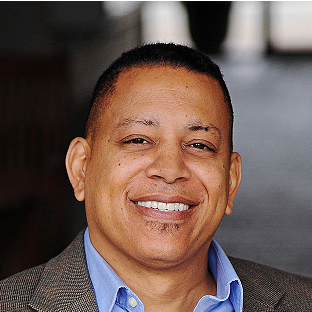
Managing Director
Robb is the Managing Director for Overcast Innovations, a manufacturer of technology-integrated ceiling assemblies. His history includes being the General Manager of the Seattle-area branches of Johnson Controls and Siemens Smart Infrastructure, and a global role with Siemens for Technology Migration. In his Seattle-based roles, he oversaw the sales, engineering, installation and services for Fire and Life Safety systems, Security Systems, HVAC Building Automation systems, Digital Services, Mechanical Equipment and IoT Solutions for Smart Buildings. Robb began his technology career with the US Navy specializing in Electronic Warfare. He also globalized a Swiss-German start-up in the FinTech industry and co-founded a green building start-up in Washington and Oregon. Robb is President of the Board of the Smart Building Center Education Program, the Industry Lead for Washington’s West Sound STEM Network, Chairman of the Washington State Controls Apprenticeship Committee and is invested in connecting industry to education across the entire state of Washington.