
 Apple Podcasts
 Spotify
 Amazon Music
 Youtube Music
 Goodpods
 iHeartRadio
 Deezer
 Castro
 Castbox
 PocketCasts
 Audible
 RSS Feed
 People Don't Buy Sustainability. They Buy Better Buildings.
For years, sustainability has often been framed as a choice between doing what's right for the planet and doing what's right for business. But what if the fastest path to climate action has nothing to do with asking people to sacrifice? In this episode of Activating Curiosity™, Ryan Ware sits down with Josh Dorfman host of Supercool and co-founder and CMO of Plantd to, explore sustainable construction, climate innovation, building products, and the human side of change. Together, they unpack ...
Key Takeaways
- People do not buy sustainability just for the sake of the planet; they buy better buildings that solve real-world problems and offer superior performance.
- When developing sustainable construction solutions, focusing on product performance, moisture resistance, and cost parity is far more effective than leading with guilt or sacrifice.
- Climate innovation in the built environment succeeds when it aligns with existing human behaviors and business values rather than demanding ideological alignment.
- Overcoming market inertia requires creating products that are not only better for the environment but also easier to use and more reliable than traditional alternatives.
- Framing climate action around modernization and efficiency helps bypass political polarization and appeals naturally to mainstream builders and consumers.
For years, sustainability has often been framed as a choice between doing what's right for the planet and doing what's right for business.
But what if the fastest path to climate action has nothing to do with asking people to sacrifice?
In this episode of Activating Curiosity™, Ryan Ware sits down with Josh Dorfman host of Supercool and co-founder and CMO of Plantd to, explore sustainable construction, climate innovation, building products, and the human side of change. Together, they unpack why the most successful ideas aren't adopted because they're labeled sustainable—they're adopted because they solve real problems, improve people's lives, and create better outcomes for everyone involved.
From healthier buildings and product innovation to consumer behavior, business strategy, and the psychology of adoption, this conversation challenges how we think about sustainability in the construction industry. Rather than convincing people to care more, Josh shares why the future belongs to solutions that people naturally want to choose.
This episode challenges construction leaders, manufacturers, architects, and innovators to rethink how sustainable construction gains momentum—and why creating better products may be the most powerful way to create lasting change.
🎙️ Production Note: A technical issue around 21:16 resulted in a change in audio/video quality. Thanks for sticking with us.
What You'll Learn:
- Why people don't buy sustainability—they buy better buildings.
- The biggest misconception about driving climate action.
- How better products outperform better marketing.
- Why human behavior influences innovation more than technology alone.
- The connection between business value and sustainable construction.
- How healthier, higher-performing buildings accelerate adoption.
- Why solving real problems creates lasting change.
- How construction leaders can influence the future through better solutions instead of better arguments.
Who This Is For:
AEC and construction leaders, architects, engineers, contractors, manufacturers, developers, sustainability professionals, building product innovators, business leaders, and anyone interested in sustainable construction, climate innovation, human-centered change, product adoption, and the future of the built environment.
Chapters
00:00 — People Don't Buy Sustainability. They Buy Better Buildings.
02:31 — Josh Dorfman's Journey into Climate Innovation
07:55 — Why Sustainability Shouldn't Feel Like Sacrifice
13:16 — Stop Selling Sustainability. Start Solving Problems.
17:42 — Why Guilt Doesn't Drive Lasting Change
29:35 — Why Better Products Beat Better Technology
32:25 — The Electric Datsun That Changed Everything
39:32 — Passive House: Why Benefits Matter More Than Labels
46:36 — When Climate Work Becomes Personal
52:56 — Does It Matter If People Believe in Climate Change?
59:11 — The Real Cost of Doing Nothing
1:05:33 — Defining Success Through Impact
Guest
Josh Dorfman is a climate entrepreneur, author, and media personality dedicated to accelerating the adoption of practical climate solutions. He is the CEO and host of Supercool, a media company exploring innovations that reduce carbon emissions, improve business performance, and enhance everyday life.
Previously, Josh co-founded and served as CEO of Plantd, a carbon-negative building materials manufacturer recognized by Fast Company as one of the World's Most Innovative Companies in 2024. Throughout his career, he has launched sustainable businesses, led climate-focused organizations, and helped shape how consumers and businesses think about sustainability and innovation.
Josh is also the creator of The Lazy Environmentalist, an award-winning media brand that became a television series, national radio show, and bestselling book series. His work has been featured in The Wall Street Journal, The New York Times, Forbes, Fast Company, and Reuters.
Learn more at https://getsuper.cool/ and https://www.plantdmaterials.com/
Overcast Innovations
Helping project teams coordinate building systems earlier for more predictable outcomes.
New Lyfe Accounting
Free Diagnostic ($500 value) for Activating Curiosity Listeners by NLA, to help your financial goals
Helping construction leaders simplify change, strengthen trust, and move forward with clarity.
Disclaimer: This post contains affiliate links. If you make a purchase, I may receive a commission at no extra cost to you.
Have feedback or stories to share? Drop us a note or leave a VM—we’re listening!
Follow Ryan at the following:
https://www.linkedin.com/in/ryankware/
https://www.linkedin.com/company/connective-consulting-group-llc
https://connectiveconsultinggrp.com/
https://connective-coaching.com/
https://ryanware.me/
Don't miss out on future episodes! Follow & subscribe now to our newsletter and stay informed about the latest trends and insights in the construction industry.
If this show helps you, please consider supporting it. Just $3/month helps cover production and keeps the conversations going.
⭐ “Love the show? Toss some stars my way, it’s the easiest applause ever.
Frequently Asked Questions
What is the main message behind sustainable construction solutions?
Sustainable construction solutions succeed when they prioritize better building performance, quality, and cost-competitiveness rather than asking buyers to make sacrifices for the environment.
How can construction leaders drive adoption of sustainable building products?
Construction leaders can drive adoption by focusing on how new products solve everyday job-site problems, such as improving moisture resistance or matching existing installation methods, without adding friction or cost.
Why do traditional marketing approaches focused solely on climate change often fail?
Marketing strategies that rely heavily on guilt or sacrifice often alienate consumers and builders whose primary priorities include managing budgets, meeting deadlines, and everyday operational needs.
Josh
I want to influence those who are around me. Feel that what's important to them are the same things that are important to me. But that's through that's through influence, right? That's just only through influence. Like, can I influence them and my children to see the world and grow up with values that that that I hold? I hope so. But I know I can't do it, do it by telling them what they need, what they should think, right? It's by role modeling and presenting something that I think is really exciting and worth paying attention to.
Ryan
And this conversation, I think, can go a lot of different directions, but it's it's one that I've thought about for a long time in my personal life and career, is when you when you're talking through with someone that you know and you they have a differing idea of the problem, it can become contentious. And this is really around global warming, climate change, sustainability, and all the things that we think about in the AEC industry as we're designing buildings, but we also interact with people running businesses, to people in our communities, and we're we're trying to help them understand why we believe solving this problem is important. So I think with this gentleman today that we're gonna have the conversation, he has spent his life and something triggered in his mind to go, I'm gonna go in here and try to try to solve this, or at least try to be uh part of the group trying to solve and address it. And today I have with me Josh Dwarfman. He is the host of Super Cool, a podcast that I recommend everybody uh listen to, where he brings on guests and is able to talk about those things that they're trying to solve uh as it's relating to the climate and sustainability and businesses that are really about climate action and how they're approaching those. Josh is also an author and has been in media personality for quite some time. But uh, hey Josh, welcome to Activating Curiosity. Hi, Ryan. Thank you for having me. Yeah, I'm glad you're uh you're able to come on today because I as I've listened to your podcast, I'm like, mm-hmm, mm-hmm. Okay, let's we should have a conversation um to talk about some of these things because I think we all run into brick walls that we think we can't move or a problem becomes too big and we're just not sure how to engage with it. And I think you can bring through your journey a lot of a lot of ideas and just like, hey, this is the human piece. This is how other people are addressing it or having those conversations. So before we dive into the episode though, Josh, just um give us a background on kind of how you got started, you know, where you got started into this uh this journey, but what was those moments that really kind of came um came for you uh before starting Supercool?
Josh
Yeah, thank you, Ryan. So for me, my journey to let's say sustainability, the work I do today started 30 years ago in China. And I went to China two years out of college. I had a three-year plan coming out of the University of Pennsylvania. I knew I was gonna be a ski bomb for a year. So I went to mail and did that quite successfully. And then I knew I was gonna go to China for a couple of years, but really thinking much more about a career in the State Department. I thought, well, man, maybe if I get lucky, CIA, but if I can go there, something cool happened. And I was teaching English on a university in Nanjing, and I got a part-time job working in a bicycle lock factory for an American company called Kryptonite, like stronger than Superman, strongest log in the world. Now they were setting up shop in China, right? So here I am trying to figure out how to do quality control in this first factory and ended up going to work for kryptonite full-time. We opened more factories. A couple years later, we're we're in southern China, just outside of a city called Guangzhou, I mean another small city called Dongguan. And we opened this factory. I'm traveling with the Chinese owner of the factory who we're partnering with. We get to this restaurant, and before we go in, he says to me, Josh, look, my Mercedes is the biggest Mercedes of all the Mercedes here in this parking lot. Now, this is communist China 30 years ago, and yet here's all these Mercedes, right? Because a lot of Hong Kong businessmen and setting up these huge factories. And in that moment, I you know, I thought, my gosh, you are just like us. The Chinese dream is actually a lot like the American dream. You want more, you want bigger, but there's a billion people here. And I'd seen a billion people riding bikes. Now I was seeing a billion people who probably wanted cars. And I just thought, man, I don't know anything about global warming, but what's it gonna mean when there are a billion more cars in China and then India and then Eastern Europe and everyone's raising their quality of life? Um, how do you do that on a finite planet? So came back to the States, went to business school, went through the dot-com boom and bust, did a bunch of different jobs until eventually I thought, you know what? I live in America where consumer culture, 66% of our economy runs on uh, you know, consumption. I'm gonna try and help consumers shop more sustainably, move their consumption in a more sustainable direction, but I'm not gonna do that through scolding. I'm not gonna do that through guilt trips. I'm gonna do it through design, style, aspiration, right? Try and marry all these environmental um attributes, recyclable materials, recycled FSC certified woods, two really awesome products and see if we can move the needle that way. And that's really been a through line through my career. Just to fast forward it, I would say um, you know, I've had, as you alluded to, I had my own TV show, radio show for a while called The Lazy Environmentalist, really trying to help lazy Americans go green. Went to Amazon, uh, led a project for Amazon or a business unit called Vine.com, which was like an online Whole Food. So I built that business within Amazon until Amazon was like, yeah, just to heck with this. We'll just buy Whole Foods. Yeah. Um and eventually found my way to what I do today. In addition to Super Cool, I'm the co-founder and CMO of a company called Planted, and we make structural building materials out of grass instead of trees. It's a crazy business. Uh, carbon negative products, we're working with DR Horton, largest home builder in the country. We have a standing order for 10 million structural pounds to replace OSB. Um and that's generally the kind of work I do.
Ryan
Yeah. Well, I mean, I I love the story. I think that you we all have those moments where suddenly we're we're awakened by some disruption, which might be, hey, look how big my car is. And it's like this aha of like, what are we, what is it that we're doing um with things? Um, it you said a a lot of interesting things just through your journey. And I'm sure we're gonna we're gonna dive into a lot of that through the discussion. So love to hear more about Planted as we're going through, as well as these conversations and the way that you're you're hearing and working and talking with people on Super Cool, and also just you know, through your past of the television show. So if we sort of started with Josh, like this area of the problem that you're aiming to solve, right? Because when we're talking about there's sustainability and then a larger issue that I think we all wrap our head and you know, it's it is connected, right? Which is there's global warming, and then we have climate change happening, the words like climate action, and they're huge, right? I mean, for a lot of people to digest it, uh people in our orbit who maybe aren't in construction or just in construction, and we hear a lot here in the States, like there's a lot of political tension around it. So I think what kind of things that I've been interested in listening to your to your some of your episodes is how you look at this problem, right? And thinking about going after it to try to bring solutions and getting people to come along for that journey. So pulling back then, like how have like when you started getting in with Planted, but everything that you've been doing, is there an underlying problem that you're aiming to solve versus the overarching? Are there multiple problems that you've said, if we can just you know approach these differently, I think we can solve this.
Josh
Well, so uh if you were going to think it just broadly about sustainability, I think you would you would hear a lot of different views on what is sustainability, right? For starters. And so I concern myself within that, specifically on climate change and moving toward a decarbonized world, um, basically bringing our our carbon emissions down to zero. Now, I know a bunch of people would be like, well, then you're you're not thinking about biodiversity. And it's like, well, yeah, you're right. I'm not. I'm thinking about this one thing, which to me feels existential to um our civilization. If nothing else, if we don't solve it, life gets a lot worse. So within that, so I think, okay, we got to solve climate change. We got, we've got, you know, it's it's fun to build a company like Planted. I built it with two guys from SpaceX, really interesting thinkers. And when you and when you start to break things down very fundamentally, it's like, well, what's the problem? The problem is you have a lot of carbon dioxide or a lot of carbon in the wrong place. You just have it up in the atmosphere. There's nothing wrong with carbon. In fact, carbon is kind of one of the cornerstones of all life. We've just been burning it in a way where it's in a place where it's extremely unhelpful. So, how do we get it out of the atmosphere and how do we start sending the atmosphere? It's really that simple. So, but when I think about how do you how do you go about doing that, I think business is an incredible lever for actually scaling solutions. And I think fundamentally, we're living in a paradigm, kind of like you're alluding to, Ryan, where we're where we've been told over and over again and we've accepted that solving climate change means sacrifice. Solving climate change means suffering. Solving climate change means pulling back you can't live the way you want to live. But that's just not true. And we are in a moment today, which is why we actually started Super Cool, because there's all these solutions just coming to market that just like cut carbon and make life better. And I was I was actually having this conversation with this dude who I think has one of the coolest jobs of anybody I know. He works within Schneider Electric, one of the largest um infrastructure companies today for energy, for AI, right? Um, and he runs their think tank. Like, I'm like, how do you get that job to like that's amazing? You get to run the think tank. He's like, Yeah, my job is to project out where we're gonna be 30 years from now, and then how do we build our businesses to take us to that future? And he was like, Josh, tell me one thing, one thing today that equates to modernization that's not electrification. Like, give me one thing, like if we're gonna modernize that like actually like doesn't get electrified. Like electric cars are just way more fun to drive than gas-powered cars and way more convenient. Um, very few people go back, right? Like you're seeing this in our homes, whether it's people moving to induction range stoves, because that's what top chefs are doing, because it's just a better way to cook than natural gas, right? And you could go on and on and on. And so what I think is the fundamental gap, and that what everything that I try and work on is attempting to help address is the misunderstanding on a civilizational scale that climate change means sacrifice, when in fact the opposite is true, which means like even if climate change weren't an existential crisis, we should still be trying to decarbonize because it just makes life better.
Ryan
Yeah. I love I love how you said the misunderstanding. There's been a loss of translation, and then it's been hijacked to some extent when we think about these conversations, politicians using things to push emotion. But going back to what you're saying is like the human mind, when they're going through any sort of change or being asked to be a part of a change, there's two levels there's the forced compliance, and then there's willing participants, and getting more willing participants to come in, like we have to get them to understand like that whole thing that you said sacrifice, because we hold on really tightly to things that we think are add more value or have gotten us to where we are. So we created this value structure over it. Like, oh, if if I gotta do that, I'm not I'm not doing it because I can't let this go. So I think what you're saying I mean, I think what you're saying about the problem that that and the way you're approaching it is to get to get through this misunderstanding, to try to speak in a language that allows us as consumers where it's less emotional and it's the pain isn't losing something. The pain it you're gonna feel the pain by staying in in the in motion and how how you're kind of treating life right now. But if you jump into an electric car, like the electrification piece, or or like you're doing with planted, like everything's going to get a sheathing. Who has emotional tie to plywood, OSB, or with what you're doing with planted with grass? Like, there's not a you know, that's not an emotional decision to say, hey, if you did sheathing in a way that was, you know, helping with carbon emissions to decrease or get to net zero, would you do it if it didn't cost more or you didn't lose something in the in that situation?
Josh
If you don't mind, I uh the only thing I would just add is like we don't that's not what we say at Planted. And I think the really important thing, and the and when I unlike on Supercool, yeah, when we're talking to companies that are succeeding, right? Companies that are scaling solutions, uh, it doesn't matter who it is, doesn't matter the industry. Could be Dandelion that's now working with like Lenar and other production builders on putting geothermal right into new new residential developments. It doesn't matter the company. No company that's succeeding with a climate solution is asking anybody to buy the climate solution, and neither are we with planted. We're asking you to buy a panel that's more moisture resistant for the same price as OSB, right? That's what we're asking you to do and installs exactly the same way, and you wouldn't even know on a job site. And so that's really the the like to me, there are hundreds, thousands of companies scaling climate solutions, taking market share today. They're not asking anybody to buy into the values of the founders who started it because they're you know crazy like me and they want solved climate. They're asking you to buy in because we're giving you a better product, more features, better outcomes for what you want as a builder or what you want as a driver. Doesn't matter. Like, that's really the shift. And so I would just say like, not all climate solutions are created equal. A lot of them are really terrible, but there are so many today, and this is the fundamental shift that I think people are not tuned into that are really working in the marketplace, whether it's business to consumer, what you're gonna do in your life, but really in a B2B um kind of landscape where uh there's just better ways to build, better ways to operate buildings that just take your carbon down, take your costs down, um, and are easy for staff and teams to to run and operate.
Ryan
Yeah. I I'm glad you added that because I think that is part of that conversation of I going back to when we first really started addressing and thinking about sustainability here in the States, and there was that, like emotionally, like trying to solve that problem, that's how we package stuff. That's how we talked about it. It's how you know getting someone to design with a lead, you know, any kind of you know, lead accreditation, like that's how we we approached it. And and now we've had to shift because it's there is has been some hijacking and there has been misunderstanding or miscommunication and loss in translation to get into this, as you said, solving the problem, removing the pain. I think I've heard you say like you know, the friction piece, the things that humans won't take this the action step towards the solution because there's too much friction, there's too much loss of something they value, there's just too much that that's like, hey, this is gonna impact me. This change impacts me more going through the change than the value on the other side of doing it. And I think within what you're saying, just like with planted, we're again, this is where you're removing the emotion. It's like when you're selecting a product for a building, generally that's what you're looking for is performance. Can it perform? Does it do what it says it's going to do? And if it adds, has those additive um, you know, uh things for for the climate and for whatever other reason that that it might be might be beneficial, people will do it. Um but but but there just seems to be a lot of that people not willing to to bring these solutions in or take, you know, see them as an alternative uh uh solution to something they're doing today, they tend to just want to hold on to those things that have gotten them there. Like that's you know, that's some obstacles and barriers that we know have been coming up over time. So I'm just curious, like from your perspective, and you've been in this doing this in a lot of different businesses and now with Planted, like what are the most common obstacles? Obviously, we all sort of know them. And then how do you think about them? And how have you sort of, what did you say? I think originally, do it without judgment, do it without like pushing it on the people, but trying to go towards them and get them to understand, you know, working through those obstacles to get the adoption.
Josh
Yeah, I think it's the I mean, this the way I approached this in business is something that I had to learn, I would say, very personally. And so, you know, I mentioned I I came back from China, I felt like I was had seen the future, right? Standing in that parking lot. And when I came back to the States, it wasn't just like, oh my gosh, climate change. I didn't even have the vocabulary. I didn't even really know what to even be asking, but I started researching and learning. And and, you know, when you're like that age, it's kind of I came back to the States, I was 25 years old, and you're like, hmm, there's this thing, climate change. Uh, how come nobody told me about it? Like, we're like, are we hiding this? Like, what's going on? You know, and then you're like, you feel a little bit betrayed from like your education, all your teachers. So, you know, you start learning, start learning about this issue, and I'm like, wait a second, okay, this seems really bad. Um, but we're all just like walking around doing the same thing. And I was, I was in the I was in New York City. Uh, I grew up outside New York City in Westchester County, and just reconnecting with my mom, and she's like, come on, let's go to the theater, like, we'll go, we'll go out to dinner. And I remember like, like I was a really normal kid growing up. Like I played sports, you know, and I was just like normal kid. And, you know, we're in we're in New York City, we're like walking down Sixth Avenue or something, and I'm looking up, and I remember saying to my mom, like, why are all the lights on in these buildings? You know, it's like eight o'clock at night. And she's like, What do you do need some therapy? You know, like, no, I don't mean therapy? Like, look, this is the world needs therapy. Right. So I'd like went through this phase of just being like what I would call sort of my activist phase, you know, just trying to deal. And what I ended up recognizing through this activist phase of just talking about the issues, really being frightened, all I did was alienate the people who were closest to me who are like, here he comes again to make us feel bad about ourselves, you know. And I was like, gosh, I don't want to be, I don't want to be that way. I don't want to be that way personally, because I feel pretty miserable and I don't want to make the people I love miserable. And there was like this kind of coming to like recognizing reality. It's like, look, we just live in this world where like even if we care about the environment, and I think almost all of us do, you have to look at it within like the ranked order of hierarchical priorities, right? Like, of course I care about the planet, but like I care about my mortgage and I care about like my kids' homework, and I got to put a meal on the table, and I have all these other things. I just happen to care about more. And so to me, over time, what I just started to realize was look, I need to figure out a way in the ventures I'm going to work on to meet either a consumer if I'm trying to get them to care about my TV show, or a builder if I'm trying to care about my product, to meet them where they are, not ask them to share my values, but to say, okay, look, I see what you're trying to accomplish in your business. I have a solution that happens to be awesome for the planet, but it also happens to be awesome for the problems you're experiencing on a job site. That's what I want to talk to you about. And where I, so where I see humans and businesses going awry that have the values that I have is that especially I think it's actually more interesting to talk about with like startups and like tech companies. You know, like founders, when they're starting climate technology companies, they want to talk about those two things. They want to talk about the climate and the solution they're solving. And then they want to talk about the technology that they're building that's going to change. The world. And the reality is, customers don't care about either one of those things. Like, I don't care about like your tech. I don't care about like your views on the climate. Does your product or service solve something in my business that I need to solve better than either the product I'm using right now or just flat out inertia because I don't really want to change and I'll live with some mediocrity because change is actually a giant pain. You've got to be better than inertia and better than the, you know, inertia might like, right? It might just be like you might be selling some awesome tech uh software, and they're like, ah, I just kind of like using a pencil. Or like right, like, or I don't really like it, but I'm not gonna change. And so the key is to really hone in on who are you trying to reach, what matters to them, and then do you have a climate solution that actually can bridge the gap and also solve what matters to them? Because then you can succeed wildly. But if you can't do that, go do something else because you will only be selling to people who live in like Santa Cruz or where I used to live in like Asheville, North Carolina. You'll have a very, very narrow, limited market. Yeah.
Ryan
I mean, it your story about the lights on. All I could think about is like, well, that's every father. It's been like, what are you born in the barn? Shut the door. Why's the windows open? The air's on, why is the lights on? Um, yeah, we we have those maybe PTSD moments like getting scolded or told to turn them off, but I digress into that world. I think it is where we we have to have those moments that sort of interrupt a pattern in which we find ourselves in. And seeing those lights as a kid and those moments, like you said, coming and working in China, these things suddenly made you pause and be like, hey, something just doesn't feel right with the way we're approaching it. And as you're describing it, you know, change for anybody, it no matter how small or large, is difficult. So you're describing, like, yes, I'm not going to go through this because it is not worth it. And those obstacles, especially as I think about this world, like the whole sustainability piece, but doing it had to be important enough to those who were going, whether they're in manufacturing to go through and change their process. So we have capital markets, products, things we make, and we have those who are going to go procure it, whether it's B2C or B to B2B sort of approach. But in the construction industry, we're selected based off those performances. So those manufacturers had to make a choice to go increase their sustainability approach, to go find new materials, to to come in with different solutions. And if it was that, hey, ultimately we're doing this because we want a better climate to live in and for the future, we know it's the right thing to do. But this is what you keep coming back to is what I just find, I find the biggest problem is that we just don't like we're trying to sell something, but the reality is, and the way you said it, we need to go towards the people that want to take action. And that might be procurement of something or whatever it is, but we got to understand them. And I think for too long, some of us, you know, in the world have thought, well, policies just need to change. We just need to have regulation, we just need to do all of these things, which change constantly. We end up in kind of whiplash mode. Well, California is a very regulate, regulated state, it has a lot of you know green energy. Texas is not regulated and has a lot of green energy, so they're completely different states with completely different people and mindsets. And I just think as you're describing it, that this whole our our approach, not the people who won't take the action, but those of us who are in manufacturing and the industry and what we're how we're approaching the market, the way you're telling it is so powerful to try to say they're not they're not the resistors, they're not the problem necessarily. We're just not solving the problem of understanding what's important to them and how they're thinking they're going to be impacted. And what they think they might lose isn't even isn't even a loss. It's it's not even real. Just thinking through that, then you know, it's like we're we're talking about those obstacles, Josh. Like you you've seen them, you've heard them probably from many people that you you've worked with. You mentioned they working in Amazon and now you're working with Planted. Like, how would you think, how have you been thinking about again, when you're having conversations with other manufacturers to help them understand if their sales pitch is, as you said, those technology companies or others, like if you're selling climate action, you probably will have a limited niche market to go after. But if you if you approached it, like, because that's again a mindset change of that group now. Now you're changing or trying to help change a mindset of the approach to go towards these people that they want to take action. So now you're asking for a shift in maybe where they'll start to say their obstacles because they're passionate about the thing that they created, right? So they have they they want to go, they want to go sell it, they want to go solve their problem. So their passion lies within their solution. But we're trying to get them to understand, and as you're talking, it's like this, the the problem. That's that's where the passion should lie. How are you solving their pain and describing that without necessarily selling something or talking about something that a lot of us, again, won't take action for whatever reason, misunderstanding, been politically hijacked, whatever it is, that those people will come in and and buy the solution or or to spec it into a project. So I don't know, how do you how else have you been thinking about working through with companies on and yourself, like to get others to take those those actions on the those making the products?
Josh
Yeah, I think that it's it's hard, but it's hard only because it's hard to agree that people um want to remain right, right? Like if my identity is like if it's more important to me to be, I want to feel right or self-righteous than actually drive a sale, then great, hold on to your values and keep talking about them, right? If like you feel that um having customers buy your product is actually what's going to create impact, then maybe think about your approach. And what I often see with especially first-time entrepreneurs, especially technology entrepreneurs, is that they get confused because they think that their product is their company, right? Like, I've got this cool whatever thing, new window, right? Like, let me tell you a million times about this window, right? And they don't say, like, well, how are you pricing it? Where are you making it? Right? Like, how strong is your supply chain? What's the warranty? Right, it's just like the window, the window, the window. And so first people have to be like uh kind of they they they need to recognize that like that's one that's just not a company. Like you're just not building a company, right? Like you're just like, um, and if you're this, if you're the founder and the CEO, you have to be still be taught or recognize that, like, hey, I have to think about what am I trying to do here? And if I have employees, I really need to be thinking about how am I selling through this product. And so that's kind of one. But beyond that, I think if any company, and I think this is the challenge that companies with climate solutions face is like often someone will ask me, they'll say, Hey, like, how do you how do you build a climate company? And it's like, yeah, build a climate company exactly the same way you build one that's not a climate company. You go talk to your customers, you understand what they need, and then you try and deliver it to them at a price that they're willing to pay. The only difference is what you're doing on the back end to presumably make your product with lower impact, or on the front end, when they use it, they will have operationally lower impact, right? Maybe it's a more energy efficient thing. But the the whole issue is that people think like if I'm gonna build like a green business or a sustainable business, it's some other kind of business, right? Like what I have never understood is why there are like green MBA programs. Like, what is that? What could you possibly be learning in that that like you wouldn't learn in a in some other MBA program? It's just business, right? You just happen to have different values about it. And you know, I to me, I one of the way, one of the reasons I think why this is so core to me. Like years ago, when I was running this thing, we haven't really talked about it, I called the lazy environmentalist. I I created this conversation. Um, and it went to Sirius XM. And so I had this live radio show on Sirius, and not a huge show, but it was live on like a channel pretty far up the dial. Whatever. I wanted to do a show about eco-friendly cars. This was 2007. The only car really on the road at that time was the Toyota Prius, and I didn't want to talk about Toyota Prius, right? So I found this um drag car racer out in Portland, Oregon, who went by the racing name Plasma Boy. It was this guy, John Whelan. And Plasma Boy had taken a little tiny 1972 Dotson, tiny, tiny little car, and souped it up and installed all these batteries that he had like quote unquote borrowed from a forklift in the warehouse that where he worked at, right? So he's got all these batteries in this tiny little car. Now, if you put a ton of batteries in a tiny little car, you're gonna get some really cool outcomes. You're gonna get, which is what he came on talking about. He's like, he's like, Josh, you wouldn't believe the torque on this thing. He's like, I'm talking 800 pounds of torque. I'm talking zero to 60 in like two seconds. He's and I found him because he had just recently set um, I don't know if it was just for an electric car, but he had set the, he was a dry car racer, right? So he set the record in the quarter mile. Yeah. So he comes on the show and he's like, he's going through this whole thing. He's like, you wouldn't believe me. He's like, I was at the track the other night and I blew the doors off this Corvette. And I went up to the driver after the race, and I said to him, How do you feel about the fact that I just kicked your butt on a car running on American made energy? He's like, So we've got zero to you know, zero to 60 in under two seconds, 800 pounds of torque, American-made energy, blah, blah, blah, blah, blah, just going on and on and on. It was exciting. And on our little show, where we rarely had callers, the phones did light up. They actually lit up. And who listens to the series? Well, it's mostly like guys in there, like 18 wheelers going down some highway. And they're all talking to this guy, and they're like, that's amazing. I want, how do I want to, how do I get this for my pickup truck? You know, I want to DIY this thing, and they're going back and forth, back and forth. And I'm not saying anything. The only thing going through my head is, oh my God, here's all these people calling into the show who want to DIY their pickup truck and make it electric. None of them are environmentalists, and they're all excited about the the environmental solution because it fits the things they care about. And that is like, that is it. That is the whole story. That's the only thing you need to know. If like you want to go get your solution in the market, think about how do you get that person on the other end to care. Um, yeah, and you can build a company. And if you can't do that, you can't do it. You just there is no path. You just have to get into that mindset. And every single company that's succeeding to that, it doesn't matter, honestly. Like, if they're sometimes it happens when they're a startup because they have a founder who is attuned to this. Sometimes it happens that they raise their series A round or they raise a series B, C growth stage venture capital round, and then they start realizing like, oh, start talking about this. But sometimes, and like I was just talking to this publicly traded company, this long-duration energy storage battery company that's now valued at like, I don't know, something like eight or ten billion dollars in the public markets. And I was just talking to the CEO a couple months ago, and he's like, Yeah, we really realize we need to start talking a little bit more about like you know, customer outcomes and less about our technology. And I was like, Oh. Do you think? Yeah. So that's the way I see it.
Ryan
I mean, it's it's a it's a great story because if you just peel back the layers, it's as you said, you tied this person tied emotionally to everyone else, right? This wasn't even a solution, it was just something he tried. But he's tying this connection of these things that they have common interest in. And the solution was it's good for the climate, but like what he built, right? Like had an answer that long term would would give us something good for the climate. Um, but telling the story, like this person's telling his own story of why he did it, suddenly everybody wants to get on board. And that's, you know, one, they're passionate about it, two, they like to work with their hands, whatever it was. We I I think that's just the thing that has bothered me with the construction industry and those who want architects to specify something or contractors to build a certain way or take a delivery model or whatever it is, that our messaging and our approach has all been, like you said, the technology. I I used to say it as an architect all the time. I don't buy anything, I'm trying to solve a problem for a client, a client. So when everybody was coming to me trying to get me to specify their product, one certain things as an architect have a client, they have emotional attachment. Like there's things that we want to address. Then there's the systems, so you got the engineers and all that, you know, the that area. Then you got the contractors. So everybody has their thing that maybe they're emotionally attached to in that design, and others as we go through, you know, pulling and pushing on the solutions that we want to bring in. But the one thing that I noticed, and this is where I jumped out of architecture to get into the fabrication with side, was like looking at a website before I dove into the to this company, and I was like, these guys don't even know what they got. Like I'm looking at it from a perspective of the problems it was going to solve for me versus the shiny things that they wanted you to know because it was it was core to them and important, but they weren't growing from it, or no one was getting it. No one was actually aligned with it because they were just like, I don't even know how this what this does or what it's about. So I when you tell that story, I just started going back through my head of thinking like we're not making as much progress as we could because we're still, again, from manufacturers' perspective in a lot of those areas, like we are holding on to something that has far less value than just seeing our clients and their problems and the pain and changing our messaging and trying to go towards them, as you said. So I I don't know, I I'm glad you shared the story because I just think for listeners who are in the industry who are like like looking for a solution, but like everyone's selling them something and they're not the dots aren't connecting. It's not they're not calling in, right? Like you said on your show.
Josh
So yeah, and I think sometimes, and and I I I mean I appreciate what you're saying, Ryan, and then I appreciate the the the challenge and frustration, and and I and I certainly don't mean to be like glib or you know, flippant about it, but you know, I've also just I've I've seen what works and I and I see what haven't. And then and what I've recently on Super Cool, we've done a number of shows, we have one coming out soon. Um we've tapped into or started looking at passive house. Yeah. And so, you know, so we had this architect on this guy, Michael Nguy. He's he's a fairly prominent passive house um designing architect in uh New York City. And, you know, he came to the same realization too. He's like, gosh, if I walk into a potential client's home and I'm gonna talk to them about passive house, right? There's gonna be like, who is this communist, right? Who's like sitting in my at my dining table? But he's like, you know, he's like, I could design a house for you where you won't hear street noise. Um it will be uh, you know, you won't have cockroaches or other things in your house, like no bugs. Um, it'll be like really comfortable. Um, like that's it. Like, I'm not even gonna talk to you about like how much energy you're gonna save. I'm just like, you're in New York City, it's loud. I'm gonna solve something. Would you like that? I could actually do it at, you know, pretty close to like like you're gonna build in New York, it's expensive, so it's a different, but like I can do that for you. And that's how he starts the conversation. And of course, people are like, oh, wait, you can build a house where I don't hear the street? And wait, you can build a house where I'm just gonna have like fresh air all the time? Really? Like, and he's like, so that's what I've learned to talk about because that's how I'm gonna sell in to that customer, right? Now it's you know, we just brought on the the CEO of a company called Wife Windows. They manufacture high performance windows. This shocked me in Ramsey, New Jersey, like northern New Jersey, and are selling to builders all over the country. And then they started because he too, Darren, the the CEO, didn't come out of a sustainability background, um, but eventually went to go work in his family's construction company or work with his dad in Hoboken and eventually started like stumbling into this passive house thing. It's like, oh my God, like this is crazy. So he built his home in New Jersey, is his house, is the first passive house, I think, certified house in in New Jersey. And then he was like, but the windows were such a pain in the neck because I had to get them from Germany and like like one showed up, it was broken, and there was no one to call. And it was such a pain. He's like, so then it was like eventually it's like maybe I'll just start making windows here, which is a crazy leap, right? But so when we talked about it's like, well, how do you do it? Like, how do you how can you manufacture windows in New Jersey? He's like, Well, we had to do a bunch of things. We had to like really ramp up our technology so we get to automation, right? We can't have a lot of hands touching this thing to do it in America. And we figured out a business model where we sell direct so that we could take out some of that cost in all the distribution layers, right? So he's like, so we had to do a lot of things differently to get to a price point for all these customers who actually want the benefits of what our windows offer to be able to get to scale. And so that's the kind of, you know, just how you need to, it was just really telling to me because it's like, he's like, yeah, he's clearly so passionate about solving for operational carbon in buildings. Like that's what's gonna drive this guy for the next 25 years. But the only way he gets to go have impact, right? And the impact is he's working with um, I think like the New York Development Housing Authority to put these windows to retrofit them into low-income housing, housing that's like overlooking highways, right? Where like the social benefits to the people living in those homes is massive, right? Right. The only way he gets to like he gets to feel good about that and deliver all that value to the customer is if he internally does all the reworking and reconfiguring of his business to make the economics work and then actually to go out and sell the product in the right way to that customer. So they realize that that's actually what they need because it's going to solve the things that they really care about.
Ryan
Yeah. I mean, both of those stories are perfect examples of shifting our approach as we're moving towards someone to get them to take action, getting, you know, getting them to take action into having this house designed, or someone who's like trying to do it with the windows goes, All right, I got a I got a friction point to bring these in. So what can I do to get windows in the United States? But doesn't look at those things that other manufacturers maybe look at as like, well, this has always worked, I trust it, it's gotten us here, so we got to stay that route. Those are gone. Like for that individual, it's just like, all right, well, you know, here's the game now. This is how I'm going to approach the manufacturing. I'm going to go into tech, you know, the all the robotics to to any sort of software or technology that that gets gets it into the building. That's all that mattered to him. And I think that's where we're getting into taking action that also is kind of passive sometimes because when I think about the way we design buildings, a lot of times we just grab the last specification that was done for the building before or whatever, because the industry is very time poor. And to be able to do some of that research into those new innovative solutions isn't always easy. So manufacturers can only do things like Got to go to the office, run a happy hour, do a CEU, do whatever these, you know. That's how you know a lot of things get out into the market. But what I think with Super Cool and things like that, like those people can go listen, and I know they come on to listen, you know, my podcast. Like, it's not, they do it on their own time. And they get to hear these stories of like, yeah, you can actually take action and and get someone else to take action to help solve these some of these large, you know, sustainability issues and climate, you know, addressing carbon, addressing the climate without them even knowing they're they're losing anything or taking a step forward. Um, like you said, with those windows, like low-income housing, like they don't have to make that choice, but a builder gets to decide if that is something that is better for the for the individuals who who are going to occupy it. So Josh, I have a you know, thinking through all these obstacles we've been talking about, right? And there's there's a lot of them, and most of them are just human mindset, but how do we navigate through that? For you, like thinking back through your career and now what you're doing with super cool and what you're doing with planted, like like that's intrinsic to you. So that I'm I'm guessing, you know, as you think through it, like what does make it so important, you know, not only for you, but for Planted, but also as you think about the AEC industry, so construction and the architects and everybody that's designing, as well as others, like what makes this such a critical and important problem to be solved?
Josh
For me, I mean, I want to build the best future I I possibly can. And I want to build the the highest quality, most delightful future that that I can step into, and that's what I want for my children, and that's what I want for their future children, and that's what I want for civilization. Like I want to move toward an advanced civilization. And to me, that is fundamentally tied to whether or not we can figure out how to decarbonize and solve climate change. Like there's if if we if we do it, we can do it in a way like where that's the world we're gonna get. If we don't do it, well, then we're gonna get you know a way more suboptimal world with far more pain. That just fundamentally drives me. And for me, it is core because like I, you know, I can draw a through line for me personally from the fact that you know, President Nixon opened China, like landed in China to open China, you know, and start or normalize relationships with the United States on the day I was born, February 21st, 1972. So I have taken that as a little bit of like, oh, okay, I think that is a sign of maybe there's some like fate or destiny in there for me. And then I had that moment in China where it's like it was so visceral. I was like, I I've been given this gift, I've seen the future, I know what's gonna happen. There will be a billion cars in China. It's a market that is like four or five times bigger than the United States, and we're the biggest market in the world. Although I think, oh, maybe China surpassed us in auto, right? But like I know where the world's going, and I want to make and I want to get to the best possible version of that future. That's why, that's why I do the work I do.
Ryan
Yeah. Well, I mean, that's that's what makes again, it's like important because it's intrinsic. And what you're saying is like, I'm one person who can take spin my career, take my passion, put it in trying to help others sort of understand, you know, the situation. And I think something you said there, and this is where it gets wonky, is is this whole well, I'm not gonna engage because I don't think I can address it, you know, a lot of individuals and people that I hear. And it it's like I I know I keep hearing the word hoax come out, and it's like, okay, well, the cost of not addressing this is far greater than the cost of addressing it if it never happens. So we've seen you're you know, we're you're a little bit older, but yes, I remember those times in the 70s, like things that I can remember as a child having discussions and different administrations doing different things and making us think about the the planet and this world that we coexist with so many other people. And I think back through to the 70s, like the the population was half the size, maybe a little more than half the size of the planet. And it's one of those things that it's like we can do like individuals feel like we can't do anything, so we don't jump in, or we feel like, why would I try, or I'm doing this, but I don't feel like I'm making any impact. Well, if there's eight billion, nine billion, whatever the number gets to, we got to all take a little step forward. And if we're all taking little steps, those are huge strides because we're all doing what we can, given whatever regulations there are in place, or what frictions have been removed and solutions are provided to us to you know what we want to procure, to what we want to design, how we want to design and specify buildings. And it as you're describing it, it's like thinking back through those impactful things as you've gone through your journey and why you got involved in them. It's for me, it's just like, well, how you know, being able to get other humans to take those steps, like that's a priority. I that's that's why I wanted to have you on. It's like I see that as a priority without judgment, without argument, without making them feel like they're in a forced compliance situation where there's just laws and regulations because no one is comfortable with that. But if we can get it to what what you have, which is this intrinsic piece of picking that one, like you you said, getting to carbon neutral and getting it to where it's not in our atmosphere and destroying the planet, you're zeroed in on one thing that is it's large, but you can chip away at it. And that's why I'm I you know what makes this important to me and thinking about it as an industry is sometimes you can feel like, hey, I I can't make this choice because no one else is really on board. How do I even start to have those conversations? Asking questions. Start having have conversations and asking questions of what would have to be different for them to think in this way about you know a solution that you're trying to take to them. Or I think back through. Like sometimes we're sometimes again, you said something too. It's like we just want to be right. Well, yeah, no one wants to feel embarrassed as a human. So sometimes we've thought about this global warming or climate action or climate change or whatever the name is, whatever you want to say it, sustainability. If we're not checking in with ourselves of like, how did how did even come to this this sort of place and how my emotions feel about it as a human? And if I haven't, like, did I get it from someone else? Like, did I even really own it? Did I come to it on my own? Um, because I think a lot of times, like, we may if we actually have this interruption in that moment, we can start to think differently about how we even got here with that mindset around these solutions, around some of these things. So I don't maybe I went too far down a different path in my own head, but but it's just one of those I just feel like that's what makes it important is solving our mindset around a lot of these, and that will begin to take action.
Josh
Got any thoughts on that? Yeah, I mean, I I certainly I I appreciate what you're saying, and I do think there is um, you know, of course, there's an internal process that I think people need to go through. Where I differ um when it comes down to the conversation around, you know, hoax. Is this a hoax? My view is who cares? Who cares if it's a hoax? Because like, would you like it's a hoax? Okay, so you'd rather live a crappier life because like it's a hoax? Like you'd rather still like burn natural gas because it's a hoax? Like you don't want like a new house that comes with a you know a heat pump and geothermal and lower costs in the basement and a more comfortable house, and no condenser outside your house in your neighbor's houses, so you don't have to hear that thing every time you go outside. It's just a quieter resident. Like, you'd rather live in a louder, crappy place because it's a hoax. Okay. Like what can I tell you? Like eventually you won't be living in like a louder, crappy place because all the things that are hoax are just going to take all the market share anyway because they're just better. So, you know, that that's really my view. It's like, I don't really, it doesn't matter to me. And and so people say, like, well, what can I do? And it's like, well, there's one thing I think everyone can do. It's like you park your money in a bank, it's sitting in a savings account and a checking account, and wherever you're banking, if you're with a mainstream bank, it's guaranteed that some of that money is being loaned out to develop fossil fuels because all the banks still do it. But there are banks, one in particular that I like is Climate, I think it's Climate First Bank, they've been on super cool, where like they underwrite other things, solar, yeah, more you know, things, and it's like pretty good interest rates. And it's like just move your money because like you don't have to change your life to just move your money and still have your money work for you. So, but like other than that, to me today, it's like people are like, Well, what can I do? It's like, don't worry about it because next time you go to Home Depot or the time after that, like when you're gonna go replace your stove, it will be electric. I can almost promise you. And like you're you know, like your boiler, like how you're gonna, you know, for the most part, like those are gonna be electric too. And like you're gonna have a battery in your house pretty soon, like almost no matter what. And certainly you mentioned Texas, like Michael Dell's son, Zach Dell, has a two and a half-year-old company, just raised a billion dollars. The whole point of that company is to put batteries in people's homes. Like, this is happening. So, so to me, like the whole hoax, no hoax, like, okay, sure. Like that, it's just like that's just not a fight worth having because it's just irrelevant to live the future we're moving into.
Ryan
Yeah, yeah, no, and I'm glad you kind of shared that because I think that's where this is where one both sides start to get into a direction of an argument of of almost with themselves. And it's like if you really are wanting to help, you know, get people to understand what they can do, as you're saying, like don't argue with them about the hoax. I I do think what you're you're addressing too is the markets are going to drive it, they just are like the insurance companies are going to suddenly drive decisions of where you can build and how you can build. I saw that Wells Fargo is giving discounted rates for homes that are built with icon, which is a 3D um printing um company down in Texas, but they're building a lot with additive manufacturing and and and 3D printing of homes. Well, banks are starting to realize like you can't just loan out money to properties that may lose value because climate change or you know, inaction that we take against this change in climate and future climates, is it's not a good investment for them. Or they won't fund you know projects for general contractors, or you have insurance companies all risk or whatever, they just won't insure you. So I think as you just said too, is like like people can say whatever they want to say, they if you don't have to believe in it to still take action, that is still better for you as an individual. Um, like you said, like an induction stove. Like, I mean, you had a story about one. It's like they they got rid of the friction by putting the battery in in the stove. And I heard, you know, a gentleman I think was on before was talking about how to create investments, like you know, came from the financial markets, and it's like, how do you create a you know, portfolio of investments that people can invest in that is towards um, you know, sustainable solutions so that you aren't just parking. So there again, there are things that won't be as painful that you can take action and you've lose nothing and gain far more than you ever thought, as well as future generations by just taking one step. So I know that I know that this conversation can get big, but I I love how you're kind of sharing your the way you think about it without getting, you know, losing our own emotions when we're having a talk with someone who is in disagreement with us. And this is one of those that is like emotional and and politically driven, but the reality is is like take a step back, see the human that you're talking to, and and just have a real human conversation about the things that you would like to see and that would be important because you never know when that person maybe created a car and re-restructured it all through batteries that you suddenly get excited and creating one of those yourself. So um I appreciate the input on it. So we've we've talked about why it's so important. I don't know if it's if we want to get too deep into it, but like what do you think the cost, maybe we do it from the business side or you can think about it from an individual side, but like what's how do you look at it from a cost standpoint, the cost to individuals or the planet? Like if we don't do some of the things the way you're describing, if we don't approach them differently as businesses, like what are some of the costs and the problems that you think might continue to exist and just continue to get larger if not addressed?
Josh
I I think the the human impacts that we'll feel increasingly, and we may feel no matter what, um, but we can guarantee we're gonna feel are you'll have you'll have more storms, you'll have more severe storms, you're gonna have the power knocked out, you're gonna have more disruption in your life, you're gonna have you know situations that are exacerbated by a changing climate. I mean, I was been reading a lot about how Florida, I was just really staggered because I didn't know this know this. Um, you know, they've lost 90% of their citrus production of oranges. Florida oranges are basically going away. Non-existent. Yeah. And that wasn't necessarily caused by climate change. I mean, the culprit is tied back to uh uh an insect that um invasive, you know, that came from China, because I didn't know this, but citrus actually originally came from China. I didn't know that. Um, but exacerbated by hurricanes that were exacerbated by climate change, which reached inland into like the inland of Florida where they'd never been before and really damaged the roots of these citrus trees, which made them more susceptible to these bugs and et cetera, et cetera, et cetera. So you're just gonna see more of things that are really like culturally meaningful to us, like Florida orange juice, disappear. Um I mean, you can go on and and you know list all of you know what it means in terms of flood and drought and upheaval, and what does it mean for people living in the West, and what does it mean for like everyone connected to the Colorado River basin? Like all those things you can play out and start to get a sense of like what it's going to mean for humanity, greater migration, right? Like we don't want we have you know, we have problems with our with our border and folks coming over the border now. Just wait, you know, just quickly like like yeah, you know, like it's um you can all you can build a wall as high as you want and like just wait because because that's the future that we're we're heading toward. So I don't know, you know, to me it's like I don't really spend a lot of time focused on the problem because I know it's I know there's a problem, and I've spent years you know reading about it, thinking about it. People ask me, like, oh, what books do you read about climate change? Like none books. I don't read any books about climate change. I like I don't need to, like, and like I don't read need need to read a book that's just gonna make me feel bad when I know the problems. You know, I've read the UN intergovernmental panel reports on on climate change. I'll probably read the ones in 2029. I'll you know, see what the climate scientists say, but I know the direction that it's going, right? To me, it's like let's just get on with solutions because the more you surround yourself with that with with the conversation around solutions, the better you're just going to feel. Like, yeah, because it's like both of it's like both of these futures exist, they they coexist. The future where the climate gets worse and worse, and there's all this degradation and and we and we sacrifice, and or we just like our our our quality of life erodes. Um and the future where more and more climate solutions emerge, life gets better, far more livable. Um, like all these things are happening simultaneously. Where you put your attention, where you put your attention, you know, pretty much 100% determines how you feel in your day-to-day life. Both these things are real. So it's not my view that we should be like Pollyanna-ish and just be like, oh, there's all these solutions, life's just gonna get better. It's far more meaningful a journey if you can hold on to the idea of like, this is a really big, severe crisis issue we're contending with. I can I can feel that pain, and yet I'm gonna focus my energy on all the positive things that are happening and that are underway, and I'm gonna keep discovering them and keep moving toward them because I'm just gonna feel a whole lot better in my daily life and far more, and I will feel like I have far more agency to actually do something productive, which is really all you can do on a day-to-day basis. Um, and that's really how I see it.
Ryan
Yeah. No, I you you described it so well, uh, ending with agency. The way I think about it is in through my life, is people aren't taking action because they only hear all the detrimental things, and that becomes the overwhelming area of focus. And and what you just said is hey, pause, check in with that realization, but you know, changing your mindset into this, you know, growth mindset or this area over here of, well, I know I can't, you know, I don't have to be frustrated with everybody who's not doing anything. I don't have to get all the all the emotions into it. I can just stay centered and see these, the good work that is happening and engage, be part, you know, be part of that process. So yeah, I I think this is again why I wanted to have the conversation of everything that I've heard you kind of saying on your podcast and just reading, reading more about you is your approach to this is through a human lens, not necessarily like from a negotiating and arguing perspective and the way you approach it. It's always been, I see the humanity, we're taking back our agency, I'm not letting all of these patterns in which I've lived in or the way we've always done it become the barrier, the obstacle. I recognize them and step outside that for a second to ask different questions. So I I appreciate you kind of having that dialogue because I again I think listeners here on my show should should check out Super Cool and all the work that you're doing because there's a lot of manufacturers on there that are doing tremendous things as it relates to types of solutions um that can be utilized in in construction in the way we're designing um not only housing, but all types of different different infrastructure and how we approach our business. So Josh, then just as you're thinking through this, not just for you know maybe for you, super cool and the way you think about it. You mentioned your kids and stuff. Like how do you how do you think about success for Supercool or these businesses or or whomever you're thinking about? Like how do you how do you frame success in those areas?
Josh
Well, if it's planted, I guess so I I would say I look at it in a few different ways. Planted, we are a venture capital backed startup. So success really in my mind means one thing scale to exit. Exit could be IPO, exit could be acquisition. We want to build this into a multi-billion dollar company in terms of its valuation. Um we're heading toward a Series C funding round. So that's what I want to do because all of those things um also relate to impact for me. Um, it's I mean, it's it's about building a company that has staying power, it's about getting that company to scale, it's about what it means for all our employees, it's what it means for me personally and our family. All of that's tied together. Um, from like a career enterprise value type type point of view. What I think sustainability means just more personally, on like my personal trajectory professionally, is I want to wake up every day and I want to do work that by the end of the day I feel good about, it's aligned with my values. Like it's um, and that's for me why I've tried all sorts of different things. Well, I've done radio and TV and built companies and gotten to work for big corporations like Amazon and just, you know, was in all these different environments. The through line was like, am I doing something every day where I wake up and it's aligned with my values? And if I am, and I'm fortunate enough to be in that situation, that's what that's how I'm gonna make my decisions that are gonna govern my life and for sure will continue to govern my life to the degree that that that's possible. Now, if I can't, right, if I find myself in a financial pinch and it's like I gotta go be an Uber driver, I'll go be an Uber driver. You know, I'll drive an electric car, but I'll like I'll go be an Uber driver. Like um Where I think about it in terms of like my, you know, my family or the people around me is like, I want to influence those um who are around me to share, feel that what's important to them are the same things that are important to me. Um, but that's through that's through influence, right? That's just only through influence. Like, can I influence them and my children to see the world and grow up with values that that that I hold? I hope so. But I know I can't do it, do it by telling them what they need, what they should think, right? It's by role modeling and presenting something that I think is really exciting and worth paying attention to. And so that's also success for me if I can do that.
Ryan
Yeah, I think uh it's a powerful kind of way to think about success for yourself and obviously your family. And and to me, it's like that's that's what I'm hoping a lot of us start to to think through these problems that we're aiming to solve in our careers and our life. Of like what it if it was forced compliance, if you could get everybody on board with forced compliance, then you've sort of hijacked their agency in the decision. But if we want to maintain and not, you know, have our freedoms, don't tread on us, and maintain that agency, then we get to do more exploration. We get to have more curiosity to ask deeper deeper questions. And we could do it by having real conversations without having all of the other noise, you know, be in our ears telling us like you just gotta force it, you just gotta force it, you gotta force it. So Josh, I appreciate you coming on and having the conversation before we wrap this up. Is there, I know you have a book, you've done some other things, things that you you think listeners might find impactful, um, things that that you want to share um that they might want to take a take a look at.
Josh
Uh well, one, thank you, Ryan. I this has been uh a very uh eventful conversation. I appreciate the the the line of questioning and the conversation. Um if listeners are interested in what we're doing was was super cool. I think that's a great starting point. I certainly welcome anyone who who wanted to check that out. Our websites get super.cool podcast newsletter, the kind of conversation we're having here, solutions that are scaling. Um planted is plantedmaterials.com. It's the hipster spelling, so there's no E. It's P-L-A-N-D-D. Uh, and then um uh mostly on LinkedIn to the degree I'm on social media. So if anyone wants to connect with me there, that would be great.
Ryan
Yeah. Okay, well, we'll we'll share all of that in the show notes, and then of course you'll be um out on the website tied to the to the episode that everybody can kind of go on and and click on those links, check it out, um, get to know Josh, kind of the work that he's doing um out there with super cool and planted. I I appreciate it, Josh. I know I wanted to have a fun conversation that we could think we could think deeply about those things that were important to you, and I know are important to a lot of listeners. And sometimes we come up, you know, we come up against somebody who we want them to think like we do, but they don't. So how do we how do we work through those things, especially when the problem feels too large to solve? So thanks for the stories, thanks for the conversation. Uh, look forward to continuing to follow you and thanks for being on Activating Curiosity. Thank you, Ryan. I appreciate it. Yeah, thanks, Jeff. So that is the episode with Josh Dorfman. Um, he is the host of Super Cool and also uh founder of Planted, as he described, which is an uh exterior sheathing that would replace OSB board and other solutions in the way we're building. I know from our standpoint within the construction industry, we have been discussing sustainability in a lot of these ways that we have been manufacturing, designing, and building in the industry. And we've been talking about it for a long time. And we've been putting sort of, you know, our processes into place. We've changed solutions. We, you know, the design industry has done a great job of researching and kind of making sure that they're working through from a lead standpoint, USGBC and with well and other solutions that are there to help us make sure that we're designing with the most sustainable solutions. There's also just products that get procured and things that are put in by owners and other property managers that Josh ends up having a lot of conversations around, including things that have to do with infrastructure, trucks, and things that end up on the project sites. So we have done a lot of work within the industry to address certain areas. But I wanted to have the conversation because we we tend to have people in our life, especially I've been around people who are in sustainability. And even when we're having conversations in today's environment, we don't want to say something because we're afraid of the emotional reaction that might come. And whether we're trying to get someone to bring a solution into a design, or we're just having a conversation with someone, those first moments where it can feel intense. We feel like, oh, I don't want to bring this up, or I don't want to say anything, or our approach is to, as Josh said, force somebody, get in an argument with them over a solution, or have a disconnection and a misalignment on even the problem that we're trying to solve. So just having a conversation with him was to bring it back to the human side of this change, of this thing that tends to feel larger than all of us. And I think the way he said it before is it doesn't really matter what other people think. If if you believe in it and you focus on those solutions and those steps and those actions that you can be taking, then you'll be able to make an impact. And I think that's also, you know, true that you can work with other people to get them to come an understanding for themselves of like those things that are important to them that they can also do, that they're not giving something up, they're not losing something of some sort of value uh in the way that they were thinking about it before. So I hope that this was a fun conversation and just gave you little nuggets of ways to be thinking about things with your business, if you are in the sustainability um world, or if you're thinking about how you have conversations with others within your community and within your orbit. So I hope you're able to continue to look at those problems that you're aiming to solve within your professional life and within your personal life, whatever they may be, that you're finding that time, you're you're pausing for a moment and reflecting on those things that are important and intrinsic to you. And you're able to continue to take those action steps uh towards solving that. Until next time, I hope you stay well and continue to activate your curiosity as well as curiosity within others. The Activating Curiosity podcast is brought to you by Connective Consulting Group and Connective Coaching, part of the Curiosity Building Experiences. If you enjoyed today's episode, don't forget to subscribe so you'll never miss a conversation. Share the podcast with your network and help us bring more curiosity into the construction industry. Interested in becoming a guest or a sponsor? Visit us at activatingcuriosity.com for more details. Until next time, keep leading with curiosity.
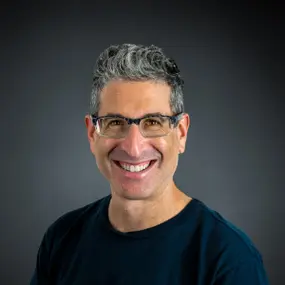
Josh Dorfman is a climate entrepreneur, author, and media personality. He is the CEO and host of Supercool, a media company covering real-world climate solutions that cut carbon, increase profits, and enhance modern life. Josh was previously the co-founder and CEO of Plantd, a carbon-negative building materials manufacturer, which was named to Fast Company’s list of the World’s Most Innovative Companies in 2024. He has founded two modern design sustainable furniture companies, directed Vine.com, an Amazon e-commerce business specializing in natural and organic products, and served as the CEO of The Collider, the nation’s first innovation center for climate resilience and adaptation. Additionally, Josh was previously known as The Lazy Environmentalist, a media brand he developed into an award-winning television series on Sundance Channel, a daily radio show on SiriusXM, and two popular books.
His work has been featured in The Wall Street Journal, The New York Times, Forbes, TechCrunch, Fast Company, and Reuters. Josh has also made regular appearances on national television and radio programs, including Morning Joe, Fox & Friends, and NPR’s All Things Considered, and is the only guest to ever ride a bike onto The Martha Stewart Show.
Josh holds an MBA from the Thunderbird School of Global Management and a BA from the University of Pennsylvania.