

 Apple Podcasts
 Spotify
 Amazon Music
 Youtube Music
 Goodpods
 iHeartRadio
 Deezer
 Castro
 Castbox
 PocketCasts
 Audible
 RSS Feed
 What If We Changed the Definition of Standards In Construction?

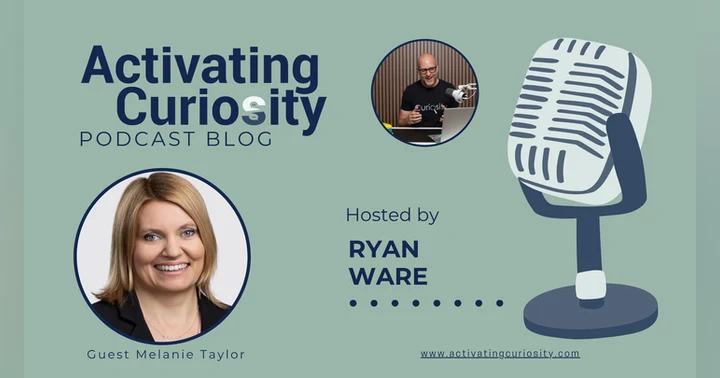
Industrialized construction goes beyond prefabrication to reshape how buildings are designed and delivered. In this episode of Activating Curiosity™, Ryan Ware talks with Melanie Taylor, Vice President of BILDT, about how leadership, early collaboration, and Design for Manufacturing and Assembly (DfMA) are key to overcoming labor shortages and improving project outcomes. They explore how redefining construction standards can create lasting value for projects, people, and communities alike.
Key Takeaways
- Industrialized construction is ultimately about putting people first, addressing labor shortages, and bringing critical infrastructure like healthcare and housing to communities that need them most.
- Successful adoption of industrialized construction requires a shift toward upstream planning, early collaboration, and Design for Manufacturing and Assembly (DfMA) to eliminate waste and drive project certainty.
- Redefining construction standards means challenging traditional assumptions about how buildings are designed, delivered, and constructed to overcome the industry's historical productivity challenges.
- Bringing manufacturing principles into construction does not replace traditional expertise; rather, it empowers the workforce by utilizing their deep knowledge to train the next generation and improve factory-level coordination.
Construction has spent decades trying to solve labor shortages, productivity challenges, and rising costs. But what if the greatest opportunity isn't simply changing how we build? What if it's changing what we consider "standard?"
In this episode of Activating Curiosity™, Ryan Ware sits down with Melanie Taylor, Vice President of BILDT, to explore why industrialized construction is about far more than prefabrication or modular buildings. Together they discuss how leadership, collaboration, manufacturing thinking, and curiosity are reshaping the future of construction while creating better outcomes for people, projects, and communities.
Rather than asking whether industrialized construction will replace traditional methods, this conversation challenges construction leaders to ask a different question:
What becomes possible when we redefine the standards we've accepted for how buildings are designed, delivered, and built?
From Design for Manufacturing and Assembly (DfMA) and integrated project delivery to workforce development, lean thinking, healthcare, housing, and leadership in change, this episode explores how curiosity and collaboration can help the construction industry navigate transformation with greater confidence.
What You'll Learn
- Why industrialized construction is ultimately about people, not factories
- How leadership shapes the adoption of new construction methods
- Why redefining standards creates new opportunities for innovation
- The value of upstream planning and early collaboration
- How Design for Manufacturing and Assembly (DfMA) improves certainty, quality, and project outcomes
- Why community impact should be a measure of construction success
- How curiosity helps leaders navigate change in the construction industry
- Why the future of construction depends on rethinking today's assumptions
Chapters
00:00 – What If We Changed the Definition of Standards?
02:17 – Melanie's Journey into Industrialized Construction
09:20 – Why Construction Must Change
13:00 – Better Projects Start with Better Collaboration
18:51 – Challenging the Myths of Prefabrication
23:43 – The Human Side of Change
30:23 – Measuring Success Beyond Cost and Schedule
36:28 – Proof, Data, and Building Trust
42:35 – Redefining Standards for the Future of Construction
49:44 – Building Better Communities
55:27 – Access, Opportunity, and Industrialized Construction
66:45 – Curiosity and the Future of Construction
Guest
Melanie Taylor is Vice President of BILDT, where she helps advance industrialized construction through collaboration, innovation, and Design for Manufacturing and Assembly (DfMA). With decades of experience spanning lean construction, prefabrication, integrated project delivery, and manufacturing, Melanie works across the AEC industry to help teams rethink traditional building methods while improving project outcomes and expanding access to healthcare, housing, and critical infrastructure.
Overcast Innovations
Helping project teams coordinate building systems earlier for more predictable outcomes.
New Lyfe Accounting
Free Diagnostic ($500 value) for Activating Curiosity Listeners by NLA, to help your financial goals
Connective Consulting Group
Helping construction leaders simplify change, strengthen trust, and move forward with clarity.
Disclaimer: This post contains affiliate links. If you make a purchase, I may receive a commission at no extra cost to you.
Have feedback or stories to share? Drop us a note or leave a VM—we’re listening!
Follow Ryan at the following:
https://www.linkedin.com/in/ryankware/
https://www.linkedin.com/company/connective-consulting-group-llc
https://connectiveconsultinggrp.com/
https://connective-coaching.com/
https://ryanware.me/
Don't miss out on future episodes! Follow & subscribe now to our newsletter and stay informed about the latest trends and insights in the construction industry.
If this show helps you, please consider supporting it. Just $3/month helps cover production and keeps the conversations going.
⭐ “Love the show? Toss some stars my way, it’s the easiest applause ever.
Frequently Asked Questions
What is industrialized construction?
Industrialized construction is a method of building that utilizes manufacturing principles—such as prefabrication, volumetric modular building, and Design for Manufacturing and Assembly (DfMA)—to improve project quality, certainty, and efficiency.
Why is early collaboration important in industrialized construction?
Early collaboration and upstream planning are crucial because manufacturing environments leave no room for mid-production RFIs or delays, requiring complete and coordinated design decisions before fabrication begins.
How does industrialized construction help address labor shortages in the AEC industry?
By shifting a significant portion of construction work into a controlled factory setting, teams can utilize standardized processes and teachable work instructions, helping bridge the gap left by an aging and shrinking field workforce.
Melanie
I mean, we did this big study. Is it worth it? Is it gonna work? The math didn't mask, but we said, you know what, we're gonna do it. We believe it. You know, one of those team things that said, the team knows it's true. We can't make it pencil, but we're gonna do it. And we we blew the math out of the water. We know that there is a labor shortage coming. I mean, 2030 is gonna look very different than today with the with the construction force. Change is hard. There's a lot of pride in construction, there's a lot of pride in the workforce. And so to say, wait a second, I've done this for 20 years out in the field in the rain and the snow, and I traveled, and I did all of this. And to look at it differently. Um, you know, there's a big there's certainly a barrier there. It has taken time. I feel like the industry is something's shifting. I feel it. I feel like we get more calls. We still have to explain what industrialized construction is and convince people. I always feel like we're we're convincing, but it will shift. It's it's shifting over time. What if we change the definition of standards?
Ryan
Hey, everybody, welcome back to another episode of Activating Curiosity. I am Ryan Ware. Before we start the show today, I want to thank everybody for being here, listening, watching on YouTube, wherever you're getting your podcast. I want to thank you again for continuing to follow. But if you can, go ahead and share with those people in your network that you believe can benefit from these conversations that have to do with the construction industry, leading change, and going through uncertainty and adoption of innovative uh solutions. So if you continue to like that podcast, feel free to share with that network. That is one way as an independent podcaster, we can continue to grow and reach other people. This conversation today is one that we've had with many guests, but every time we get a guest on, the point of view is always different because their background, their lived experiences, how they got to this point in their career to be part of industrialized construction is always different. And as you think through these things, we're talking about all of us as humans. So we want to hear that human side of construction. And nothing's more important as we begin to look at industrialized construction and that convergence that we're seeing and feeling with all of the technology, methods of construction, delivery models as it relates to delivering all types of projects in all vertical markets. So today I have with me Melanie Taylor. She is a vice president of Bilt. They were launched by Bolt Construction, which many probably know, large national general contractor located here in the States, have spent a lot of years within lean construction as well as prefabrication. So, hey Melanie, welcome to Activating Curiosity.
Melanie
Thanks, Ryan. I'm really looking forward to our conversation today. Thanks for having me.
Ryan
Yeah, absolutely. I am too. I think I came across you uh via uh my network when I realized that Bilt had been launched by Bolt, having seen what the Bolt was doing during the pandemic and seeing them out in in California as well as across the United States. But before we dive into a whole of that story between Bilt and Bolt, let's talk a little bit about you, Melanie, and kind of your path and your journey of how you got to be the VP of construction at Bilt.
Melanie
Sure. I'm happy to share a little bit about myself. I will say I'm glad the network worked. I'm glad you glad you got connected with us. This is uh a great opportunity. My background. So I started, this is going way back, truthfully. I come from a construction family. So I absolutely love construction. It's in my blood, it's who I am. Um, my family had a construction business. So I certainly was out on uh construction sites when I was in high school out working in the field. So I have a certain love and comfort uh with the industry. Um graduated from UW Madison Civil Engineering, absolutely loved it. Truthfully, I thought I'd go more the science route, but uh you can't you can't get away from what you love. So I found myself focusing on construction management, had the opportunity to work for Bolt right out of school. So Bolt um, you know, is well known in Wisconsin and now across the nation at the time in Wisconsin. Uh Oscar Bolt came to speak to UW Madison, and I was just moved by the human element of him, the family. He was a father and a husband, and that really moved me. He respected his workers. Um I chose to work for Bolt uh right out of school. Spent many years in traditional construction, right? Working up through project engineering, project management, project executive, all of that, those operational roles. Um, found myself with the opportunity to serve our Chicago team. So I led our Chicago operations in office for five years. This was pre-COVID. And as you mentioned, Bolt is very strong in lean manufacturing or lean construction. Now I'm in manufacturing, lean construction, and that led us to find customers that were into integrated project delivery, collaborative delivery, uh, and we found some clients that were focused on metrics that led us to prefabrication and modular. So we actually did a fair amount of work in 2015 in the prefabrication and modular space. COVID happened, and I had the opportunity to take a position in our corporate operations and focus on our self-perform teams. So leading concrete masonry, focusing on productivity. And that was an interesting aspect because it started to link that you know, the advantages of prefab and modular with self-perform and linking productivity. So I did that for a number of years, and our self-perform teams also supported our modular work. And, you know, as soon as Bolt was interested in launching built, and we see this as the future again, because we have a lean mindset, eventually it leads you to prefab and modular. So when this opportunity came to start a new business and launch built, I was definitely excited for the opportunity to sort of take all of the work I've done to date and create something new, build a business. And it's something I believe in. It's certainly the future of construction. So it led me to this point. So been in built now for just under two years as a full standalone business. Um, but been doing pre-vibe and modular work for 15 plus.
Ryan
Yeah. I I I love the story of sitting there as a you know student and hearing, you know, Bolt come in and kind of talk. And the first thing you notice was the human piece of it, which I think goes back to this conversation I've had with with other guests about the imagery of of the industry. And sometimes what people think construction is versus what construction is, or how you know the humans are experiencing the industry. But you you right away notice like something different, which draws you into, you know, this long-lasting company. It's been around a long time. And and that's probably one of the reasons is that they do see the employees, you know, as humans, and you know, not just a number that's cranking out. And you we mentioned productivity, but just hey, it's all about output. It isn't about the human side and human peace that that we're all going to experience. And you you said something else that I found was you know very interesting was you know, bolt the natural progression for bolt to go from there, you know, when lean started coming out and lean practice, when we started putting that into our practice from construction because it came from manufacturing, right? And seeing how we can approach delivery pro you know, delivery projects through our different methodologies. And then that's a natural transition for the company to start to explore other delivery methods, other delivery models like IPD, integrated project delivery, design build, things like that. But then it's getting into the fabrication. So what with that then because of your experience and then kind of what Bolt was doing, you mentioned 2015, right? What was it they were kind of noticing as a problem area to say in 2025, we're gonna launch Bilt, right? Was there just some uniform problem that they were seeing that they really wanted to launch that company? Or was with maybe there were multiple different problems that they were really aiming to solve to launch the company?
Melanie
Sure. And I would say it's an evolution. I would say in 2015, it was more maybe not a problem, but an opportunity. Uh construction can be difficult, right? It's it can be seen as um challenges and contracts and a different, a difficult approach. And we looked at it saying, we want to be a relational contractor. And again, that when you have that lean mindset, right? So first you go, I mean, my first day at Bolt was a last planner meeting. So that might be like the early tools of of lean, but then you get into how do we how do we turn a construction project in a into a team, into like a true family? How do we, how do we take, look out for the benefit of the project, not just the individual silos. So I think the early days, it was more the the relation, the relationship, breaking down those silos and finding the advantages that that brought, right? Not just eliminating waste, but truly saying, how do we, if if this organization is better at this aspect or we can combine our forces, we can be more productive as a group, have better results, and have a team that's happier, um, enjoying what they're doing. They're closer, they're more collaborative, they're being innovative, right? When you're in a strong work environment, you're finding new solutions. So those uh, you know, I would say 2015-ish, or sooner than that, even, was really about taking the advantage of collaboration and relationship to spur innovation, try new things, be comfortable to expand. Now, once you get into 2020 and beyond, the labor realities are there, right? I mean, we we know that there is a labor shortage coming. I mean, that that 2030 is going to look very different than today with the with the construction force. Um, it's aging, our younger workforce doesn't have the same knowledge um as some of the older older folks do. So the translation is less into experience. We also know productivity is going down. Um, so we are we are not being as productive as an industry as we used to be. So some of those combined with our um values in relationship and and people brought us to say, you know, prefab and modular is the future. It's a way that can focus on collaboration. If you want to do prefab and modular in a good way, you have to invest time and resources in team up front. You have to solve problems and design up front. And then also, because we put so much time up front, we can start to have a different workforce that doesn't necessarily have to have those same deep skills. It's something we can teach in a different method. So we we really launched Bilt as a way to say, one, this is a collaborative delivery model. And two, this is a way to address challenges of the future. And also, it brings construction to places that it's hard to get. You know, so think of like the communities. Um, you know, Bolt is very community-based. That's one thing that brought me to Bolt. But that also allows communities to get healthcare where maybe there's a labor shortage or um expensive labor or just access challenges. Um so many of those reasons sort of combined into, hey, it's time to launch Bilt as a standalone business.
Ryan
Yeah. And I think you saying you saw an opportunity. I think it was through the through the problems that were maybe created by some of those things that you listed that the opportunity starts. We become more aware of it, opposed to, well, that's just how it is, so we're just gonna keep cranking, pushing under the pressure. Bold is recognizing, like, okay, um, this labor force is is shrinking. And I love that you said hey, 23 is gonna look different because situations are gonna change. Um, and they will. But I think what's what's interesting, some things that you kind of shared there, when I think about you know, the labor force and and the younger generation kind of coming into this, as well as providing new opportunities. So staying into to the area of the the changing labor force and how you're thinking about it. Going from, you know, field sort of, I don't even like the word production, but it is the the output of the construction side, right? So we're in the we're in the execution phase, first bringing something in the factory. Skill sets still translate across, you know, until you bring in automation or other forms, which we can dive into. But I think you said something interesting. It's like the younger generation doesn't know what the older generation doesn't know. So we do have this middle gap. There is a group missing, this missing middle of knowledge that we sort of lost in 08 to 2013, and we sort of continue to lose today. I don't think it's I don't think we've solved that problem, um, which is another imagery thing of the younger generation wanting to stay in the industry while they're here. So when you're talking about, hey, we want to change the way we're thinking about construction and move forward, because that labor force is going to be different, because the areas that we want to build can't get access, there isn't the labor force to go to it, and they still deserve to have the solutions brought to them. So the other thing that you mentioned too, and you know, I think this is so important because the the prefab world, and I I say this a lot, but I I say it because I've been in it and I recognize it. Like we try for a long time we tried to sell it in in the modular world or prefab or anyone else, we've been trying to sell it. And it's like one, it is a method of construction. So to get it to go into a design, as you just said, you're you're talking about going forward into a design assist or however you want to call it. And it isn't the traditional pre-construction to get these things integrated. It is your team is probably, I'm guessing these new workforces are whether it's designers or you know, pro you know, project engineers and project managers, executives that are coming up into that front end stage to help guide people through decision making of how how your prefabrication modular, whatever level you're going, is going to impact from an architectural as well as engineering standpoint, and you can correct me if I'm wrong, but GC, whether that's bolt or someone else, that happens to be the contract holder. So what were some of the things, one, that kind of have triggered or helped you think about it from a manufacturing side, but also as you're starting to deliver, you know, to get further upstream, right? Because the factory can be built, but like the projects have to exist, which means the team has to get up front. So as you were doing that, how were you maybe thinking through the steps to get the teams built and how you were going to uh deliver the projects, or what other things do you think were important that kind of came through this journey?
Melanie
Sure. So, you know, built is is um interesting. We come from construction, right? So we come from a GC and most of our uh employees right now, we're starting to get uh folks that were not from Bolt, but most of us originally were from Bolt. So we have a GC mindset, and and our approach is to be a turnkey solution, right? So we think that is our our differentiator is that we are turnkey from design all the way through project activation and beyond. So we deliver the whole project. And then then, of course, the other approach is you start from manufacturing and get into construction versus starting from construction and get into manufacturing.
Ryan
Yeah.
Melanie
Um of course we're the we're the GC version. Um so for us, we understand constructability, we understand the lessons learned from a design not being complete and depending on means and methods, or if details aren't coordinated, the impact that that has in the field. Like we we know it. You can see it translate to, you know, the whole construction industry is built around managing waste. It literally is managing waste, whether it's RFIs, submittals, you know, field, field challenges, the whole thing is about managing waste. So we know that if we can solve those items up front, invest the time in, we call it the TFMA, design for manufacturing and assembly. That's what that's what matters. Um, so for for us, we we partner with industry um designers and architects that understand prefab and modular. We'll do prefab. We do a lot of volumetric modular building, so the whole project, um volumetric or hybrid. Um, but for us, it's it's critical that you invest that effort up front. And and it's still the traditional, you know, you still have to have uh a permit set. So you still have to have construction level documents, it's just taking it to that next level. That's really the difference for us and for most manufacturers is saying, how do we create fabrication drawings and work instructions that translates to our factory so that our shop assemblers who um again might not have 10 years of experience and you know uh carried bags on on themselves for the last 10 years can can learn and understand how to how to construct, how to fabricate. And and there isn't that gap. There isn't that time to have a gap to solve a problem, right? You have to you have to keep the line moving. So spending that time up front is really is really critical um in that design phase. So we find ourselves investing, you're right, it's not pre-construction, it's design, uh spending most of our energy up front uh engaging the supply chain uh trade partners to really detail it out to a level beyond what you see in construction.
Ryan
Yeah. Well, I love that, I love how you shared it. I think that's the one of the most important parts to kind of see the adoption really take hold from where we've been in the past and some of the things that we saw as challenges, because a lot of times whatever level of off-site that was kind of being brought, right, whatever solution, Kittic Parts all the way through volumetric, the depended on the architect, the engineers, the the construction teams, and the factories. And a lot of times what was happening, and I think this is where maybe the a lot of bad taste started coming from as it relates to off-site construction or pre it's called so many different things.
Melanie
Yes, it is.
Ryan
Just off-site, right? Like it's there's levels of off-site, and it's like choose, choose your path. But a lot of times it was like brought in way too late. No, yes. And then it's like, well, that you know, it costs too much. Well, that's because you're stacking it on top of everything else because the estimator had already pinned so far down the line that they're not sure how to what gets removed, where's the scope, you know, changes and the potential gaps that are going to happen. So as you're describing it, I think this goes back to a delivery model, those collaborative models of IPD or design build, right? And bringing these groups up front, all and this is how I learned to practice as an architect is like get the subs up front. Start working through those things. Like you said, there's no time in those factories to shut it down and try to go get an RFI like you would in a field. Well, that's that's the waste management you're talking about, like people standing and waiting. And this is this is something I'm interested in your thoughts too, because coming from the architecture side, getting into fabrication and construction from my background, I'm trying to get most of the design industry to understand like those delivery models actually provide you more control, which is what they want over their design content. And design context that they're putting together and design a tent, I should say, then throwing it over the fence is a design bid build and hoping that someone's putting something where you thought it was going to go. And, you know, the way, you know, the whole designing for fabrication, that's providing this level, and even the word certainty, I think, is dangerous because there's nothing, nothing's certain. It's just providing everybody with a lot more information at the right time to be making the right decisions to move forward. And as each each moment's going, where you as a factory are coming in or bringing in and checking the supply chain, like you're saying, people are learning right off the bat like, does this labor force exist? Does this material exist? Can we get it when we're supposed to be getting, and not finding it out during the construction and having to make a change? So I know that was a long way. No, I love it. Kind of feedback, but I just think like having a contractor step into this arena where you're recognizing this, I think is powerful for the rest of the industry who has been a little bit hesitant. So that leads me to this my favorite next conversation that I love having with people is trying to help all of us understand the obstacles and barriers that our mindset might tell us as it relates to these solutions. So I'm I'm wondering, Melanie, like maybe maybe you have it from multiple perspectives because you have like what owners think, what designers think now, and inside of a construction company, maybe where some people were a little, they believed a little less in taking this on. So I'm curious, like, what were some of those obstacle barriers, the typical things that you and your team might be hearing out there in the industry? And how how are you able to kind of work through those and help people think through them a little differently so that they do take on the adoption, uh, feel like they're part of that collaboration, that team like you're talking about?
Melanie
Sure. Well, I'll tie to uh the first one. I'll I'll just touch on integrated design because let's let's talk a little bit. I like what you just said really hit home to me. It can be a barrier for architects and engineers. I do feel that maybe they're losing some of the control. And I think you nailed it. Integrated design is the exact, exact opposite. You're getting real-time feedback from a contractor of what is constructible, what we can do in the factory. So, first of all, I would say, I mean, that can be a barrier. Now, we tend to work with folks that love this, right? That like want to innovate and want to take it to the next level. But you know, for the for larger industry adaptation, architects and engineers not feeling like they're getting replaced and the manufacturer, the GC, is gonna take over design rather than you know recognizing that it's truly integrated. It's an integrated approach to help um the AE team develop the best design that's gonna be the fastest, most cost uh you know, cost certainty um solution. Um so that that's one. I would say when we go to uh to owners, there's a couple things. One, change is hard. There is a whole system built around we write RFPs, um, we so you know, we go through interviews, this is how we select our contractor, we know we're getting competitive pricing from market. That is a system, that is a machine that's built. So a big challenge is saying, hey, this is it's not new, but it it's kind of new. Um, how do I embrace high how do I, as an owner representative, embrace um prefab or an industrialized construction solution when our organization hasn't done it before? There's not a lot of competition. It's hard to understand certainty of cost. So a manufacturer might say a price, a GC might say a price, but what how do they work together to provide certainty of price? Now we we do both, so we we can overcome that challenge because we guarantee both. Um, but I think change and being that first owner rep to say, yes, let's embrace this, that's a challenge. There's also just let's be real, there's a perception when you hear the word modular, what that brings up. Um it, you know, it it you think of something lower quality, temporary, um, not beautiful, um, not bespoke, not interesting, you know, a box. You think of a box. Um, so overcoming that is is also a challenge. And then even internally, you did mention it. There's a lot of pride in construction, there's a lot of pride in the workforce. And so to say, wait a second, I've done this for 20 years out in the field in the rain and the snow, and I traveled and I did all of this, and to look at it differently. Um, you know, there's a bit, there's certainly a barrier there. These are all you can overcome all of these with exposure, right? You can bring owners to see the quality of the product in a building. You can take your workforce and say, hey, come into the factory and we'd love your expertise to help train um our younger workforce or our newer workforce, um, I should say. So you can overcome these, but there it's it's it takes time. It has taken time. I feel like the industry is something's shifting. I feel it. I feel like we get more calls. We still have to explain what industrialized construction is and convince people. I always feel like we're we're convincing, but it will shift. It's it's shifting over time. But I would say those are some of the largest barriers. There's certainly more. Um, you know, it's your metrics are different, your productivity measures are different, you don't have the history of data that you used to have uh under construction. Um, you know, I will say one more and then I'll I'll I'll rest there. But even with GCs, and I mean I come from a GC and I love GCs and I love regular construction and I love bolts. And you know, we we partner together, of course, often to execute our projects, but a GC, their margins are tight. And you know, I think industry, I mean, I think the general population thinks contractors are are raking in large profits, but it's tight. The margins are tight and it's based on revenue. And, you know, the the difference can be if your equipment is on a job or if you have people on a job. And all of a sudden, if you're doing a volumetric modular building, 80% of the project is going into a factory. And that, and so it's a GC is like to look at a manufacturer as a subcontractor. But truthfully, it's a partner taking, you know, 20 different trades and coordinating them in the shop. That's what a GC does, right? They take 20 trades or plus more and coordinate them. But now the fact the factory is doing that. So a big portion of the workload is not under their direct management. And so there's a loss of revenue there. Um, so there's some things that GCs and manufacturers, we have the advantage we can work together, we understand that, but I can there's certainly a challenge there when you have a manufacturer and a GC working together because it's a different um a different way of looking at a project of how who manages what and how to avoid gaps, make sure the project's successful, and then also make sure all the partners are successful.
Ryan
Yeah.
Melanie
A lot there, Ryan.
Ryan
No, I I I'm glad you shared it because it is. I mean, going back to the human piece, right? I I'm gonna start with the GCs and work backwards. I think what we did wrong over the last 50 years, 20 years, whatever, whether it was interior construction with with off-site or bringing prefab in to modular that was sort of um, you know, again, it is not new, like you said. A lot of times everybody wanted to show their relevancy and they were bypassing the general contractor. And that became this go direct to the owner, go direct to the developer, and separate the contracts. And I recognize early, like that is dangerous. One, you you want to be integrated into it. If you were pushed outside of it, like if you're the one living outside an IPD contract, like it feels uncomfortable. So if you're separating the contracts, it's never a good solution from my perspective, from my professional perspective. And what I've seen as successful is as you're saying, it's that partner. Now, not I know it is very valid that it is a low net profitability industry. And if you are a self-performing general contractor versus others, you are seeing some of that work be pulled back. But I also think like, well, we we have a shrinking labor force, and sometimes like we can actually go take on more infrastructure projects or other projects that need to be built by delivering in each project with slightly different levels of offsite, whatever is required, and utilizing that aspect, that would increase revenue. We'd be able to do more with less because we're getting less, less output, less humans to be doing things. To the human piece that you were talking about, for those uh who have been working in the field, and I loved how much pride you even showed and shared of the industry. I am too. Like my whole life has been spent revolved around this industry and and it trying to figure out how we can help humans understand things. Like, I think we when we see that new thing coming, we go, okay, what am I gonna lose? Like this got me here. I recognize it, it I trust it, it feels safe. And if if it's gone, what does that mean for me? And the the human mind makes us want to hold on to those things as an architect, as an engineer, as someone who has a specialty trade piece. And and and we tend to, we overvalue that versus the value of anything on the other side of that change or innovation that's coming, to know that it could, you know, those things can release us into a whole new world. And it's like you're not losing it. You just didn't realize that that was what you needed to get you to this next step over that point in time. And I think you said something to um the perception. So the perception of modular, well, who defined it? Like who defined modular? Like if you're an individual sitting and you have a perception of it, it's like ask yourself the question who was it defined it, or how did I get this defined? And how is that situation different from today? Because we may have learned what we think modular construction is from the past. And I don't know. The telephones are the of the past are not the telephones of today. So time and innovation has changed that, same with what these terms might mean. So how we define it is actually a trap that we're putting ourselves in, opposed to you know, pausing for a second to explore those things of like, I don't even know how I learned this, but it seems to be holding me into this mindset, like I'm never going to use it because I think it's this, versus, okay, well, maybe it's not, maybe what I learned wasn't wrong. It's just different now, and I need to look at it differently. So I don't know. That was a lot to answer, you know, to kind of come back with what you were talking about. But I just think we're we're human, we're the humans. And if if we want, we can release the trap. We can get out of the limiting belief in our head of whatever it is, if we if we can, this is the dangerous word, find the time in a very time-poor industry to pause and relearn or investigate or become curious enough to explore. So I don't know where all I was going with that, but you got me, as you were talking, you got me just thinking about a back to this human piece of the obstacles and the barriers that we tend to want to place and think through. And as you just said, it's like, I don't want to be the first person. Well, you're not. You're not. I mean, we've been doing like you're you're not even close to the first person. As you said, this is not new. We've been doing this a long time. And to be honest, each time we're doing it, we're getting better. And the other, I'm curious from your perspective too. A lot of times what happens is we tried it, it didn't go the way I wanted it to, or the salesperson oversold, or whatever it was. So that sticks in our mindset, and we don't try it again. Yeah, yeah. We just hold on. So I don't know. I just, you know, I'm thinking as you're as you're talking through this, Melanie, that I think Bolt is in a unique position and build to go tell the story differently than the past. Like we the past was at some point a present and it was living then. But now we get to kind of see all those things and begin to define the what is the present moment that we're in as it relates to industrialized construction and delivering projects.
Melanie
Um well, I can share a story to hit on that point. You know, I mentioned early on when I is when I was in our Chicago office, we did a program, uh, IPD program, uh, outpatient uh facilities. And as long as the team performed, the team continued. So this team that started in 2014, that team is still continuing today. And because it was a true IFOA, everything was tracked at cost. So we knew the metrics for our trade partners across the board. I remember when we first did exterior wall panels. Uh we did this big study. Is it worth it? Is it gonna work? The math didn't math, but we said, you know what, we're gonna do it. We believe it. You know, it was one of those team things that said we're the team knows it's true. We can't make it pencil, but we're gonna do it. And we we blew the math out of the water. It was extremely successful. The building got enclosed. It was a wonderful process. It became an old reliable. Many people do exterior wall panels, right? But for us, that was the first time we had done it for this program, and now it's an old reliable. Then we did interior rooms, exam rooms. Okay, the math didn't math. You know, again, everybody looks at their part, and then we did it and it mathed. And now doing exam rooms is an old reliable. So you then we did a volumetric modular building, same thing, right? We we saw the math. We we had our projections, we did it, and then we saw the outcome. And so we have the data that says this works. When when you get out of your silos and you plan it up front, it works. If you do it after the fact, you mentioned it earlier, it doesn't, it doesn't work because somebody's giving up a piece of their pie. It's really hard to do that after. But you know, we're armed with this. Like in my in my heart, I know this works. I've seen this the results. It's real, it works. You can do volumetric modular buildings, you can have speed, you can have cost certainty, and you can have higher quality, you can get it all. You can get it all. And if you do it with a team that stays consistent in regular construction, you can see the results. Now imagine if you combine factory productivity with consistent teams and delivery. That's the breakthrough that I'm excited about. I mean, we we've done some of that, and we're doing more and more programs, and that's where I think the you know, the the productivity and the in the sauce is really gonna make sense and the and the results are gonna speak for themselves. But it does right now take customers, you know, we we bring customers in, we go to go see's, come look at our factory, come look at a project. Look, it looks like regular construction. It's the same, it's a different process, but it's the same steel. It's the same drywall, it's the same components. Um, we think it's cleaner, it's you know, done with less rework, so it's tighter construction. Um, but it still is the same. So, but it takes people to see it right now to realize something different. It, I mean, we are human. I think you nailed it. We are we are human, and it is a challenge to get people to think about what the future could be or what it'll still be the same building, just fabricated differently or built differently.
Ryan
Yeah. No, I the story, I think the story is helpful for people to hear kind of like how you've progressed through through the testing. And I think a lot, you know, some other things you shared, it's like we we like to stay in those familiar patterns. And so, you know, as humans, whether we are a subtrade, general contractor, architect, engineer, or a developer, like that familiar, like that's protective. Like that, that we know. We trust it, you know, we've seen it. And and what's interesting is like when it does come to prefab, it's like, well, we got to see it because we're a visual, we're we're visual. And it's like seeing it doesn't deliver on all of the the you know, the process to get you to where you're seeing it. Because the process, and this, you know, you're able to get through that is because this delivery approach, getting into design, working through those things, like you're you're working to change the familiar pattern of how we've been delivering projects. Yep. Exactly. And that is hard as a human. It is hard to let go of what we what we believed we were in control of, but yeah, we never really were. And and and changing that such that we can address these problems, like you're saying, the labor force challenges that we have, the the skill gap changes, getting things off a field, you know, off the job site and into a factory is can be the same crews. They're just less ladder carries, less whatever. It's a safer environment and it's cleaner. Um, but something else you shared, and this I think, I think Brian Turmell was talking about it when I had him on. And we've had it, this conversation with many others. It's like when you're when you're not doing the program, like you're saying, and I dive into that a little bit, but it is like it's one project, and all of a sudden this group of people come together that have never maybe they have worked on jobs, some of the subtraits or this or that, depending on where you work in the region. But it's like a whole new crew comes in to do a building. And if you introduce something new in the middle of that, like, guess what happens? The the emergency breaks go off. Like every everyone's goes into freakout mode because the pattern's been suddenly broken. But what I might suggest, and this is just me thinking through the mindset piece, is when the pattern gets interrupted, that's where we get to kind of pause for a moment. And that awareness brings us into an exploration. And with that, that's where we get to, you know, as humans, we can ask deeper questions and more questions and things that help us start to grow to understand those things. But if we stay, if we stay and we want to hold on to that familiar pattern, like that, you know, that's what people define as resistors and resistance. Well, no, that's just humans holding on to the thing they value to stay in that pattern. In the industry, we need to, we need that interruption. I don't call it disruption. It's an interruption of our minds to believe that our current state of delivering is the only way we can deliver. Um, so hearing your story of like, hey, we now have the data. We've gone through this, we've tested from panels all the way up to two now volumetric, that yeah, the data, the data will help people kind of understand it. And sometimes they see the data too, and they're like, Well, I don't, I don't know what this really tells me. And the thing I might stress to those individuals too is trust yourself and your ability to work in a project system that maybe is slightly different, but use your skill sets as architects, use your design thinking, you know, engineers, use your design thinking. Same as a contractor if you are a carpenter or superintendent, somebody coming into that new environment. Like, like the greatest skill set we all have is to relearn, to rethink, to adjust to those things. So again, not sure exactly where I was heading with all of that, but it just you you got me thinking through your story of like these obstacles, like they're there, but there's such an there's such a need and an importance to why you're doing what you're doing there built. And and maybe you can share this, but like you mentioned this this community piece. Like, what makes addressing the that opportunity, you know, going for the opportunity with the problems that again are being addressed by this, what makes it so important to build and and build in on in your teams to really address? This.
Melanie
Sure. Well, I mean, a couple of things. I would say, you know, first to what you just mentioned about um programs and projects and getting people to buy in. We still want to build beautiful buildings. We look at prefab and modular as building beautiful buildings in and being a community asset. So for us, um, we think you can have it all. You know, I think there is some of that mindset that again, I'm gonna have a I have to have the building be very standard in particular, you know, or very standard and not not be beautiful. And that's not the case. So our goal is to provide beautiful buildings in communities. Our our goal is to provide communities, right? So right now, I mean, our our workforce, they go home every night, they can go to their kids' play, they can pick up from daycare. Um, they don't necessarily have to only those that want to be part of the install team travel. The rest can come in and work every day in 70 and sunny, as we like to say. It's more like, you know, lighting, not quite the sun, but right. I mean, it's in a controlled environment. You know who you're gonna work with, you know where the bathrooms are, you have clean bathrooms, you've got a nice break room, you leave at the end of the day, you can get to your PTO meeting, all the things, you can be part of your community. Interestingly, another great aspect, a surprise, I would say, you know, to that prideful workforce. Some of the folks that are close to retirement or would be retired from regular construction, because you know, maybe the cold or the conditions or all the things are finding a home in our shop. Uh, they want to mentor, they want to teach. So we've got a couple of folks in in our shop right now that are that's what they're doing. They're finding a new opportunity to mentor some of the up-and-comers uh on the actual construction knowledge and transferring, you know, their information. So for us, for us, it's about the relationship, about the people, about the community. It's still construction, it's still a beautiful building, it's still something we're very proud of. And you, you know, I I love the smell, I love walking on a construction site and smelling concrete, you know, like freshly poured concrete pulls me right back to my childhood. And I can I can walk in our our facility. I don't smell concrete in our facility, but I can walk out in our factory and I can, you know, smell that burnt metal, you know, when you cut a stud. You know, you still get it's still construction, you know, you still have all that essence of construction. So it's it's a lot of the same. I think getting convincing our internal teams and our owners that you can still have a beautiful building, it's it doesn't have to be, you know, what if we change the definition of standards? We always think when we think prefab and modular, it has to be this size, this color, this shape. And in fact, it's like, what if the standard was the team? What if the standard was we didn't do what you said? We come together, we do a project, and then we all go off in our silos and we do a different project. But instead, we said, you know what? Instead of getting three competitive plumbing bids to get the best price, we said, you know what, we're gonna use our partner that knows our factory, knows our details, they know our they know our systems, and we're gonna drive our costs down by using the same partners and we're gonna have a better experience. Um so I mean, I think there's a lot of aspects that go into why we did this, why community matters, um, what we're doing. But it's really if for some reason we love to dissect the construction process. We don't dissect engines, you know, things we buy that have lots of parts and pieces, but we dissect the construction process. And if we can focus on the product, the building, versus all the parts and pieces that go into it and let us handle that, you're still gonna get the same beautiful building, um, perhaps just a little bit higher quality.
unknown
Yeah.
Melanie
If that makes sense. And built by people who are just, you know, part of their community and and um, you know, a little bit higher quality of life, perhaps.
Ryan
Yeah. I mean, it makes a ton of sense. I I think we've heard this kind of productization term being used a lot. And and sometimes it's like it's hard because the industry has it has this definition, right? Like each it gets lost in translation, but based off of which part of the industry you're in. Because this industry is small but yet enormous and takes, you know, between the design teams and the architects. So when we think about like the word product on one end, and we think about product utilization with you know, off-site construction or methods of construction, we they get lost in translation because it's like a product to an architect is like, I should just be able to specify it and not have to think about it, right? Toilet partitions, fire, you know, fire extinguisher cabinets, whatever, right? Like it shouldn't take me a lot of energy to go through this. And in this case, it's like what you're saying is like we do dissect it. It's it's really that all of like that whole team is the one that is going through getting it to a productization. Like it's your part of that to for the owner, not for ourselves, not for it's like for the community, for the owner. So I don't know, this this these terms sometimes things get lost in that translation. And I I think about mentioned this before, I think with others. I remember I wrote this um blog post one time called We Need to Redefine Means and Methods. And the reason being because it goes back to the system structure as you were mentioning before, which I think is so powerful, that we're in we're we're in these patterns that are created by the systems and the structure that we as humans put into place over the last century or two. And the definitions, like they're ours to redefine, like they're ours to figure out. I know there's contracts that exist over here, and I know you know all of those things can still exist, but we do get to peel back those layers to say, again, current situation and the future of you know where we're heading, wherever that is, requires something different than what we're working in today, the systems and the structures that pattern that we're keeping ourselves in. And if we want to sit and say, well, the terms this, the terms that is terms, it's like, well, we're the cute we're the humans. We get to we get to you know change it if we want. Um, so anyway, I I wanted to kind of acknowledge that um that part of it. So something else you said. This this one hit me. Um the older generation that if in conventional construction may have to hang up the hat, may have to retire. That that they as humans have given a lot of time and a lot of of use of their their physical, you know, body to go build as where as well as their mental. And they and then they feel like they don't have anywhere to go. I love that you said they have a place to go mentor and to teach. Because in the end, that's what it is. Like to get to that middle part that we're missing, that middle group that doesn't exist in even the next generation, like there is a lot of opportunity to help each other go through this change, through these things that that we're experiencing in the industry. So that one just that's the that's a very human impact. Um, and I'm grateful that you shared it because I think a lot of times, especially in the younger generation or whoever, we might think like, we just need people to retire so I can go get a job. It's like we we want people to continue to produce, and that doesn't mean they have to be doing output on a project site. They can be producing through that education, through the mentoring, through the changing the imagery of of what somebody younger might think this industry is. Um the other thing that you said is yeah, we can change our mind on that end product, that it can be beautiful. That that we have to, you know, understand the process in which we get to that that building might be changing, but in the end, a building is a building made of materials, made by humans, made by you know, machine, whatever it is, like it doesn't have to be the that term we're using of standardization. Yes, there are factories, they only make this or they do that, but the whole point is that you're bringing all those together to get to an end product uh and solution. So what what do you think then thinking about back to your communities, Melanie? You have spent your career in construction. You have talked about these innovative solutions, about industrialized construction, about using technology, means and methods, method, uh, you know, delivery models and and and all of that. What do you think it's costing or might cost the industry or communities? Let's go back to communities. If we continue to stay in the pattern, if we continue to stay within the systems and the structures as they were in the past and continue to apply today when we need different answers. Like, what do you think that is that is costing communities and the industry?
Melanie
That's a good question. Um, I think I think it's lack of access. So, you know, we do a lot of uh our work in the healthcare industry, and a lot of our modular, volumetric modular buildings have been in areas, again, where mostly where there are labor deserts, where labor doesn't exist in communities um where, you know, indigenous communities where there isn't a labor pool. Uh so they're not going to get health care. So, I mean, some of these folks are driving hours to get health care. Well, now they have we can fabricate a building in our facility and install it in six weeks, and it's beautiful, right? And they have access to health care. So I think if we don't look at a different uh platform of how to deliver construction, what will happen is certain communities, rural communities, won't get the care. They won't get the access to care. They'll have to travel or they'll go without it. Um, you know, they and then in locations where labor costs are extremely high, they also won't get it because folks, you know, uh health systems won't build facilities because it won't pencil. So those are my my concern is the access to care. Um, also, I think of of the the jobs. I mean, the construction, I mean, now folks will hopefully still find gainful employment, but it won't be in the construction industry. You know, our younger folks aren't interested as I mean, I think when I was younger, uh, I was willing to travel. There's folks aren't as willing to travel as they used to be rightfully so. And that's that's good. But that means there's gonna the construction industry is gonna look different, or we'll lose people to different industries. So for us, where our factory is located, you know, we can attract a whole group of people that have very meaningful employment in an industry that might have been either intimidating or off limits to them. They might have said, I I can't be gone from home for six months. You know, I need to be home for my family or take care of my aging parents or or whatever it is, or I want to be involved in my community, I want to be part of this organization, or I want to play volleyball, or I want to be on, you know, what whatever a personal passion is. So I think because of this, this is one step to help build a stronger, you know, stronger community, whether it's your local community or or a location where a facility is going. You know, often some of these smaller clinics that we're we're providing have community rooms in them. So it's in a in a it's going to a community that has lack of access to healthcare. And on top of it, now they're getting a community room that can be used for other events, right? Other community gatherings. Um so I think if I would summarize, I would say it's just access. We're if we don't do this, we're we're going to slow down the pace where construction can can deliver projects and healthcare or whatever the project is, and ultimately lack of access.
Ryan
Yeah. I mean, it's a common theme that you know a lot of guests share in a conversation is that, you know, by not addressing it, someone is missing out on something. Yeah. And that is people in our community. Or people, you know, whether it's community where our businesses are or community where someone else's family is, like that is seeing the humanity piece of what we do in construction. What what else are we building for if it isn't for the other humans that that are in our communities or or within within the parts and the regions in which we live? If if we aren't trying to address those problems, and that doesn't, you know, it it means being able to go build the infrastructure and build the facilities that those communities need, whether that is housing, whether that is schools, whether that is healthcare, as you're talking about.
Melanie
Yeah, housing, housing, you bring up and right, housing is uh another great one that this this can be a huge benefit. And even components. I mean, I speak a lot about volumetric modular buildings, but we do wall panels and components and bathroom pods and and you know, all of those things that I think are becoming more mainstream, right? They're becoming more accepted. Um, those that will continue, and that's going to aid traditional construction as well. And so, I mean, I uh there's a wonderful place for traditional construction. You know, I'm a big fan of it. So, you know, if prefab and modular can support traditional construction in places where that makes sense so that projects can go up faster, um, you know, provide their value to their communities sooner, all the better. That's also a huge win.
Ryan
Well, yeah, and you're talking you're talking about a coexistence. It's like again, going back to what we might lose if we think like, oh, well, you know, these these solutions are coming in and they're going to take over the traditional. No, it's going to have to be a hybrid approach. Yes. In fact, that is the only way that we are going to get all of these things constructed and getting access to what, you know, whether it's access for people to work in a better environment, as you're describing, inside of a factory, especially that next younger generation. I mean, let's be honest, we're talking about a young generation that is just getting started in the workforce, probably starting families. And just because it goes back to, well, that's how it was for me, so therefore it must apply to everyone else, sort of mentality. We need to pause as humans in that world of like, again, the the second industrialized revolution was supposed to change how we worked, and it didn't. We just the way we started in the United States, especially versus Europe, I'd love to be in Europe, but like it's it's a different mindset about our relationship with work. We can have passion and pride in what we're doing, but if we can change how we're working and the amount of time that we need to be spending, because sometimes it's just the price, you know, that we got to pay for a mission to relevancy to keep cranking through hours. And it's like, I know this industry loves to wear it as a badge of honor sometimes, but like the next generation does not want that.
Melanie
True.
Ryan
Like there has to be something more human about why we are doing what we're doing, and they we can't blame them for wanting instant information and instant access. Like, that's the world they're growing up in. So we have to figure out how to translate these things. And I think what you're the point you're making is very valid. The world that they want is going to be different, but if we can provide them the opportunity to come into construction and see it from a different perspective or or a different experience than what we had, that doesn't make it wrong for us. That just makes it new. And it's a true opportunity for us to to kind of figure those things out. Well said. One of the other things that you've said, and before we kind of wrap up, is just again, going back to the community piece, we've had this conversation before of the access to healthcare, rural hospitals are becoming less and less. We are losing them less and less. And I've had this conversation with with another gentleman who was who's trying to help solve that as well as what you're doing in both tremendous efforts. Like going back to that again, like everything the problem will continue to worsen if we cannot, if it again, that labor pull isn't there. And I can think of, you know, I always bring up West Texas because I can always think about groups like what's HCA and SCA and those groups, you know, it's it's like they have to utilize prefab because they'd be building entire cities just to, you know, just to be able to kind of build a hospital and without that labor force there. The other side of it is that doesn't get built. So the people in those communities are driving, you know, hours upon hours to go somewhere, which not only, you know, we can all think about this uh, you know, within our industry, as architects and contractors, it's like if we are resisting, if we're staying in that pattern that we're always used to, this is where the cost becomes value because it's valuable to understand. Like that could be your community, that could be someone in your family's community. It doesn't even matter if you don't know them. That is someone's community who isn't getting access because we're we're thinking the thing we're controlling in that pattern is more important than exploring these types of solutions to go provide that, to give access uh to those communities. So I thank you for sharing that. Um so, Melanie, going back to kind of big picture here, you have enjoyed this conversation tremendously. I'm sure you have thought about this, not just from build, but hearing what you're building, you've been around construction your whole life. Like you can answer it for built, you can answer it for the industry, but from your perspective, how do you how how do you see success or how are you defining success as it relates to the adoption of industrialized construction and the solutions that you that you'd like to see utilized in the workforce?
Melanie
That's a big question. That's a good one. That's a good one. Um, I'll start with built, and then I definitely can comment on industry. You know, for built, for us, it's the go-to market leader providing that turnkey solution that owners can customers can look at us to say, okay, I want a durable solution from the beginning to activation, and that we're their go-to. That that success is for us that we're looked at as the the industry leader that provides speed, provides certainty, provides innovation, that we're known for those three elements. For me, it's really important that success, success for us as built means that our our workforce, our team goes home every day to their families. They're part of their communities, they're part, they're present, you know, they're they're present in their work, they're present in their family, they're present in their community, they show up healthy, safe, um, you know, that that the work that they're doing is really meaningful. Uh that's that's what success looks like. Of course, there's the business metrics and the growth and all all of all of that, which is is also very important, but it's really um providing value to the people and the in the communities. For industry, um, you know, for me, success is when the model of industrialized construction consistently delivers the full promise, right? So we always talk in construction about is it quality, is it is it schedule, is it cost certainty? You can have two, but you can't have three. I think we've all heard that. I think for me, uh success for industrialized construction is when we consistently deliver speed, cost certainty, high quality at scale. And, you know, I think is scale is really that that key element because scale means we've we've become mainstream. That there's RFP. I would love to get an RFP for a volumetric modular building and not be certain who my competition was. There's a few of us, right? I would love to know that there is abundance of opportunity and choice for customers, and there was abundance of competition for us, because that means we're all going to get better and we've become mainstream and we're gonna continue uh to evolve. So, you know, construction's biggest challenges are productivity and labor. And I think uh success means solving productivity and labor and providing high quality buildings to customers in the time frames they need them and to get access to those communities. Um, really, I mean, I think if you want to go visionary, it's when I see becomes the default choice.
Ryan
Yeah, yeah. No, I I think it's it it's a fair statement. It's why why not shoot for that, right? Um a success. I d I I thank you for sharing it again because just hearing it from everybody's perspective, they're always unique. But you again you started with the humans, right? Like because that's the most important part is it's only like we need we need our employees to feel safe, that they can go home, that they have a place to work, and that they can deliver projects pridefully in their communities and for others. And to this other the other success, you know, going back towards industrialized construction and you know, any level of prefabrication where we actually are delivering on the promise. And my you know, my thing for that is always we can get there, but it takes the humans who haven't done it yet or haven't have been questioning it for a while to come in not as a forced compliance, not someone's making you be on this because someone chose to do that solution or this. Begin to explore what Melanie's doing and what all of these things are when we're doing that, because the industry sitting over here who's doing it needs them to come in on board. And when we can do that, that's where we're we're getting out of our patterns. That's where we're seeing the RFPs come out. I used to say it all the time hey, if if I was bidding every job and it was all prefab or we were up against it, not that I want to go there because I do think the delivery models are better, you know, collaborative delivery models.
Melanie
I 100% agree with that. I I should clarify, I agree. Collaborative and is way better, a better result. But you know what I'm saying.
Ryan
Like Yeah, exactly. Yeah, it's it's just one of those, it's like, but but when we know we're there when we're starting to see that. And that's what I always tell my team and others is like we've we know we've we're getting close or we're close to making it to where the adoption is now higher than than sort of where those being hesitant about it kind of exist. So well, I thank you for sharing. Thanks for the time. I mean, this is like this is my favorite subject. Um uh is trying to work through those obstacles that we commonly hear as it relates to IC and offside construction, whether it's any kind of technology, anything, delivery model, method construction of how others are thinking about it. So as you can tell, it excites me. I love the conversation. Um, Melanie, I'm sure there's something that maybe I haven't asked you, but you know, some last thought that maybe you want to leave listeners, anything else you want to share um that they might want to look into or check out. Feel free to let them know how they can how they can find you.
Melanie
Sure. Uh feel free to jump on our website, built.com. Um, we are part of the Bolt group, uh, so we have a service of companies. Really just learn about IC. I mean, I think having an open mind, uh certainly you can learn on our website. There's others. I mean, this is a great, great avenue here with your podcast, Ryan. I appreciate the opportunity. There's a lot of good resources out there, great conferences to attend. Um, but to me, it's going and seeing. You know, if you hear about a project that was uh done through industrialized construction, go see it. It's amazing once you get into it and you put your feet on that ground and you're like, oh, okay, this is just a regular building. So I just encourage people to have an open mind. Uh engage early. If you're interested in industrialized construction, ask questions, engage early, learn. Um there's a lot of great avenues out there, but um, feel free to reach out to me. I can be contact at melanie.tailor at built.com. So thank you so much, Ryan. This was a great conversation. I appreciate appreciate the opportunity to chat with you and and share some content.
Ryan
Yeah, I had a lot of fun. I'm I'm I just I'm so glad you were willing to come on and and go through the the conversation with me and all your past, your experience, and what you're doing there at Build. I will definitely show all the information in the show notes regarding you and Built, and everyone can kind of check you out on the on the Activating Curiosity podcast as well. Once again, you know, blog posts, other things that we'll be sharing. Um, but again, Melanie, thanks for being on Activating Curiosity.
Melanie
Thank you, Ryan. Take care.
Ryan
Yeah, you too. So that was the episode with Melanie Taylor, vice president of Bilt, a company that was launched by Bolt in 2025. And I know we we've had other guests on, and we talk about industrialized construction a lot. And and again, the importance is that we're getting someone else's lived experience to express how they got to this point in their career, but how they're thinking about it, how they're working within industrialized construction, how they're approaching um off-site construction and delivering projects in a different way. But again, going back to the big, the big problem and why they're aiming to even solve it. It keeps coming back to that human piece, that that community to provide access to healthcare, provide access to infrastructure, provide um access to any type of building or vertical market that you might be designing and and working within right now in this industry. So it is a conversation that is obviously near to me. It is um of spending a lot of my career um in it. And I I always love hearing different perspectives because it gets me thinking um differently about it because every one of us is different and and and the regions are different and how we think about it in the United States versus Canada versus uh Europe and Asia and other parts of the world. The more guests we have on, the more perspective that we can gain around how we as humans think about these things in order to, you know, design and plan and what our involvement is and the things that we we may think that we're going to lose, but the reality is what what what we aren't going to lose is actually more what we're going to to gain and actually be able to give back and gain more uh things for others on the other side. And it's less about those things that that again that we're going to lose or things that we might we might lose. So I enjoyed the conversation. I hope you did. I know um some people may just say, hey, I don't really want to be involved in industrialized construction. That's fine. I think there are areas that all of us want to explore and we want to test and we want to try. So getting guests on with a lot of different conversations isn't always important. But even if it isn't something that you want to do, there are probably things that you may hear that you can adjust and you can translate into those things that you're really trying to solve for yourself. So until next time, I hope you continue to look at those things, continue to evaluate them, continue to uh express your interest in them and to learn more about them and continue to activate your curiosity as well as curiosity within others. The Activating Curiosity podcast is brought to you by Connective Consulting Group and Connective Coaching, part of the Curiosity Building Experiences. If you enjoyed today's episode, don't forget to subscribe so you'll never miss a conversation. Share the podcast with your network and help us bring more curiosity into the construction industry. Interested in becoming a guest or a sponsor? Visit us at activatingcuriosity.com for more details. Until next time, keep leading with curiosity.
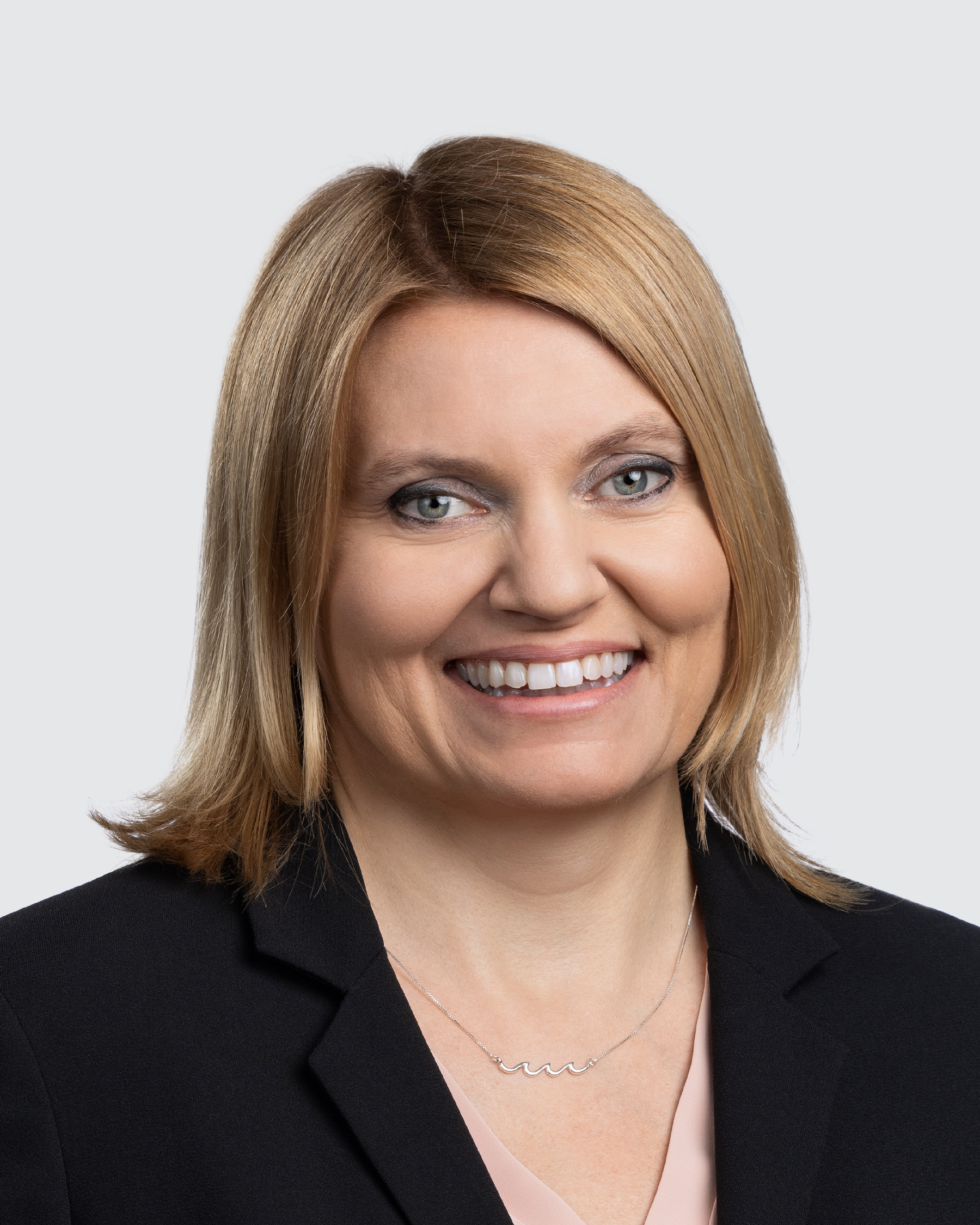
Vice President of Bildt
Melanie Taylor is the business leader and Vice President of Bildt. She sets strategy, steers growth, and owns end to end delivery across design integration, engineering, fabrication, and field installation.
Under her leadership, Bildt is advancing industrialized construction through Lean, standardized work, and DfMA—scaling repeatable product platforms from slide in pods to full volumetric modules that enhance speed, safety, and quality. Known for her clarity, partnership, and manufacturing driven approach. Melanie works closely with owners and project teams to bring predictable, high performing modular solutions to healthcare, commercial, and industrial markets while driving Bildt’s growth and impact.