
 Apple Podcasts
 Spotify
 Amazon Music
 Youtube Music
 Goodpods
 iHeartRadio
 Deezer
 Castro
 Castbox
 PocketCasts
 Audible
 RSS Feed
 Financial Realities Every AEC Leader Can't Ignore
AEC professionals spend their careers solving complex problems. But are we applying that same problem-solving ability to our finances, businesses, careers, and lives? In this episode of Activating Curiosity™, Ryan Ware sits down with Ryan Sullivan, founder of Off the Beaten Path Financials and Off the Beaten Path Advisors, to explore a different question: What if some of the financial realities we've accepted in AEC aren't rules at all? Ryan began his career as a mechanical engineer. At just ...
Key Takeaways
- AEC professionals often accept traditional career and financial paths without questioning whether those trajectories truly support their personal lives and long-term goals.
- Money should be viewed as a tool that unlocks choices, time, and control rather than just a byproduct of working a demanding job.
- Ryan Sullivan’s transition from mechanical engineering to financial advising highlights the importance of aligning one's career with the desire for autonomy and flexibility.
- Demanding AEC careers can cause professionals to postpone personal financial planning, creating a strong correlation between intentional financial attention and overall stability.
- Applying the same creative problem-solving skills used in architecture and engineering to personal and business finances can help shatter the industry's low-margin mindset.
AEC professionals spend their careers solving complex problems.
But are we applying that same problem-solving ability to our finances, businesses, careers, and lives?
In this episode of Activating Curiosity™, Ryan Ware sits down with Ryan Sullivan, founder of Off the Beaten Path Financials and Off the Beaten Path Advisors, to explore a different question:
What if some of the financial realities we've accepted in AEC aren't rules at all?
Ryan began his career as a mechanical engineer. At just 22 years old, he could already see the traditional career path ahead of him, and he wasn't sure he wanted the life that seemed to come with it. That realization started a decade-long journey into investing, business ownership, financial planning, and understanding how money can create greater choice and control over time.
Today, Ryan works with AEC business owners on both business financial performance and personal wealth. Together, Ryan and Ryan explore the relationship between money, time, work, and the lives AEC professionals are trying to build.
They discuss why demanding careers in architecture, engineering, and construction can leave little time or capacity to focus on personal finances, how traditional career and compensation structures can limit a person's sense of control, and why becoming an excellent architect, engineer, or construction professional doesn't automatically prepare someone for the financial realities of running an AEC business.
The conversation also challenges some long-held assumptions about the business of AEC.
Do margins have to remain low because that's simply how the industry works? Does the traditional career path have to determine someone's earning potential? And how many of our financial assumptions are actual constraints versus beliefs we've stopped questioning?
Ryan challenges AEC professionals and firm owners to apply the same creative thinking and problem-solving skills they use to design buildings, solve construction challenges, and serve clients to their personal finances and businesses. There is no inherent rule saying AEC firms must remain low-margin or that profitability and building wealth are out of reach.
Because money isn't necessarily the goal. It can be a tool that creates more choices around our time, careers, businesses, and lives.
AEC professionals spend a lot of their lives building for other people.
It's worth getting curious about what we're building for ourselves.
What You'll Learn
- Why Ryan Sullivan began questioning the traditional engineering career path early in his career
- How money can become a tool for creating greater choice and control over time and income
- Why demanding AEC careers can make personal financial planning easy to postpone
- How traditional career and compensation structures can shape someone's relationship with work, money, and opportunity
- Why being a strong architect, engineer, or construction professional doesn't automatically prepare someone to run the financial side of an AEC business
- How better business financial practices can create opportunities for firm owners, employees, and the organization
- Why AEC's resistance to change can extend into business and financial practices
- How assumptions about low margins, profitability, and wealth building can become entrenched
- Why financial health is about more than investing or a once-a-year conversation about your 401(k)
- How AEC professionals can apply their existing problem-solving skills to personal finances and business finances
Who This Episode Is For
Architecture, engineering, and construction professionals, AEC firm owners, construction leaders, architects, engineers, project managers, operations leaders, emerging professionals, and anyone in the built environment interested in personal finance, financial planning, business finance, AEC business ownership, investing, career development, profitability, wealth building, and creating greater choice around their time and future.
Chapters
00:00 – Challenging AEC's Financial Assumptions
01:24 – The Financial Reality Behind the Work
05:17 – Ryan Sullivan's Path From Engineering to Finance
08:18 – “I've Got 40 More Years of This?”
11:25 – Taking Control of Time and Income
12:38 – Learning How Money Can Make Money
14:02 – Learning the Business Side of Engineering
18:54 – Turning Financial Experience Into a Purpose
20:05 – Money Is a Tool That Unlocks Everything Else
24:18 – Why AEC Professionals Don't Make Time for Their Finances
27:09 – Treating Financial Planning Like a Problem to Solve
33:18 – Bringing Business and Personal Finances Together
34:40 – The Financial Challenge of Running an AEC Firm
42:38 – Building Better Firms and More Opportunity
43:23 – The Hidden Cost of Staying in the Status Quo
46:14 – AEC Can't Keep Thinking About Business the Same Way
46:54 – Challenging the Low-Margin Mindset
47:30 – Apply AEC Problem-Solving to Your Finances
Guest
Ryan Sullivan is the founder of Off the Beaten Path Financials and Off the Beaten Path Advisors.
Ryan began his career as a mechanical engineer working in the building industry before his interest in investing, financial independence, and business ownership led him in a different direction.
After recognizing that the traditional career path didn't offer the level of control he wanted over his time and income, Ryan spent years studying markets, investing, business, and finance. His career eventually gave him the opportunity to build and manage an engineering department within a mechanical and plumbing contractor, providing firsthand experience with team leadership, business financials, sales, and operations.
Today, Ryan combines that experience with his work in financial advising and business consulting to help AEC professionals and firm owners think differently about money, business performance, personal wealth, and what's possible.
https://www.obpfinancial.com/
Overcast Innovations
Helping project teams coordinate building systems earlier for more predictable outcomes.
New Lyfe Accounting
Free Diagnostic ($500 value) for Activating Curiosity Listeners by NLA, to help your financial goals
Connective Consulting Group
Helping construction leaders simplify change, strengthen trust, and move forward with clarity.
Disclaimer: This post contains affiliate links. If you make a purchase, I may receive a commission at no extra cost to you.
Have feedback or stories to share? Drop us a note or leave a VM—we’re listening!
Follow Ryan at the following:
https://www.linkedin.com/in/ryankware/
https://www.linkedin.com/company/connective-consulting-group-llc
https://connectiveconsultinggrp.com/
https://connective-coaching.com/
https://ryanware.me/
Don't miss out on future episodes! Follow & subscribe now to our newsletter and stay informed about the latest trends and insights in the construction industry.
If this show helps you, please consider supporting it. Just $3/month helps cover production and keeps the conversations going.
⭐ “Love the show? Toss some stars my way, it’s the easiest applause ever.
Frequently Asked Questions
Who is Ryan Sullivan in the AEC industry?
Ryan Sullivan is a former mechanical engineer and the founder of Off the Beaten Path Financials and Off the Beaten Path Advisors, where he helps AEC professionals navigate personal wealth and business financial performance.
Why do AEC professionals struggle with personal financial planning?
Demanding workloads, long hours, and project-based stress in architecture, engineering, and construction often leave professionals with little time or capacity to focus on their personal finances.
How can problem-solving skills be applied to AEC finances?
AEC professionals can treat their finances like a design problem—defining their current financial starting point, establishing a clear end goal, and building a strategic path to bridge the gap.
What is the low-margin mindset in the construction industry?
It is an entrenched belief that AEC firms must inherently operate on low profit margins simply because that is how the industry has always functioned, a mindset that Ryan Sullivan challenges firm owners to rethink.
Ryan Sullivan
There's just beliefs that are entrenched in how, I mean, as humans, we think, but especially within the industry. And I would just challenge that. It's like, why does it have to be that way? Professionals in the AC space, that's what we get paid to do, is to solve problems and have creative thinking, specifically towards, you know, buildings, construction, et cetera. Why can't we apply those same principles, those same skills to our finances, both personally, our finance for the business? Just getting people to make the space to do that and make it a priority because it really does unlock everything else.
Ryan
If you're enjoying these conversations, be sure to follow us on YouTube and follow us on whatever platform you utilize to get your podcast. We appreciate all the support, and we're looking forward to continuing to grow the podcast by having you pass information on to those in your network that you feel will benefit from conversations like the one we're about to have today. And today's conversation is one hits home for me, having been someone who has practiced architecture, worked inside the industry for 25 plus years, and have gone through multiple financial uh downturns and seen what it's like to experience those areas, but what it felt like as a human who was doing something that I was passionate about, practicing architecture, designing buildings for my clients, but also realizing as I got home, like the finances weren't exactly what I needed them to be, and that things became a challenge. And it's always an uncomfortable conversation to talk about financial situations of your personal area as well as those within our businesses. And this industry, this industry, construction industry, architecture, engineering, like we we notoriously have have looked at these areas of like, hey, we we we don't have time to focus on certain things. So we just have to do the projects. And if we go get more projects and we just grind through them constantly, like things will just turn out because they always have. But today's guest is going to go through some areas that we we can actually get more out of our own personal lives and do things that we've always wanted to do while also designing and building infrastructure and buildings for our communities. And it doesn't have to be an or. We don't have to look at, like, well, I either got to design the buildings and get all my projects off my plate. And at some point in the future, when I have time, I'll think about the financial side. And today's guest is Ryan Sullivan. And he is the founder of Off the Beaten Path Financials and Off the Beaten Path Advisors. Now, Ryan started his career some 11 years ago. He practiced mechanical engineering. He studied, he went to school, he got into the office and started working alongside other engineers. But he started noticing these things of like hearing from co-workers about how life really felt for them on a daily basis. Like they were passionate about doing the work, doing the designs. But then all of the other things that had to be carried along with that of the personal life, the finances, like I don't have time to take vacations. I don't have the money to take vacations. I don't have, I don't think I'm ever going to be able to retire. In this culture that he was living in, he started realizing like there's got to be more than this. There's got to be something else for us to experience. And I think that's why it's so important, because we talk about this labor force shifting and changing in the future. And we keep talking about, we look to the past of like how we could have done things different in all of these other areas. But the reality is like, if we just stay in status quo, if we just continue to do it the way we've always been operating our businesses, plus our own personal finances as it relates to the AEC industry, then those who do come into the industry are going to feel that same pressure and feel that same culture around, I don't have time and I don't have money and I don't have all of these things that I want to do and I want to be a part of in my own personal life, along with those things that I'm doing on a daily basis that I'm passionate about. And if we don't look at it differently, if we don't think about this in new ways, then we're going to continue to apply yesterday's solutions to tomorrow's problems. Ryan Sullivan, welcome to Activating Curiosity.
Ryan Sullivan
Thanks, Ryan.
Ryan
Glad to be here. Yeah, I'm glad we've had a chance to talk a little bit and kind of get to know you. It's interesting because we both started in the AEC industry inside of practice, right? Like we we grew up, went into university, studied, went into, you know, the workforce, go through that that training and that burnout that is required, right? With uh with being a mechanical engineer such as yourself and me practicing architecture. And we've both had those lived experiences of seeing what it's like to go through that process to end up within a firm and notice things, right? Start to notice like how the business is operating, but also how the culture feels, what it feels like to work on projects versus what it's like to work in the industry and have lives and have things outside the office, right? When we do get to go home. So I'm just before we dive into like, you know, this financial health of the business and ourselves and why it's so important for us to really be focusing on those things as the industry continues to evolve and change. I just want to step back a little bit and I want to hear from sort of your experience and your view, like what were you seeing and noticing and what what really had you step outside the industry adjacent to it to support it in the way that you're doing now with off the beaten path and in the financial services? Can you can you tell a little bit about some of those things that you saw and noticed?
Ryan Sullivan
Yeah. Yeah, I think I think my story is, you know, similar to a lot of people where, you know, growing up, the only real path I kind of knew or had heard about was go to school, get good grades, get a good job, work till you retire, basically. And so that that's what I did. You know, I kind of stumbled into engineering as far as you know, I enjoyed math and science. So okay, I guess I'll do engineering. I picked mechanical because it the other ones didn't seem as appealing. I didn't want to do chemical or civil or electrical, so mechanical is the most general. So I picked that. So everything was, you know, there wasn't like a ton of thought. It was kind of you know stumbling into these different areas and then ended up in the in the building industry at a large regional architecture engineering firm doing HVAC and plumbing design there. And again, it wasn't something that I really sought out, it just kind of happened and stumbled into that. And pretty quickly, into my experience there, our office was the the headquarters office for the whole firm. And I sat next to the head of all the mechanical engineers for the whole company, and and then also my my direct supervisor who ran that office, and pretty quickly started to see, you know, what my future career could look like, because if I did everything right, I could manage that office, and then I could manage all the mechanical engineers for the company, and then I could maybe become president. Like that was pretty much it. So I'm, you know, 22 at this stage and kind of already seeing what that future looks like. And I didn't love what I saw, you know, even within a year or so. Obviously didn't have a ton of experience, but I was still doing similar work to what my my boss was doing. And he complained about you know sending his kids to college, you know, the cost of that. Complained he didn't have time to work out or exercise. And I was like, huh. So I got like 40 more years of this, you know, like that does not seem that appealing. And so that was really kind of what I started to notice around me of just that type of environment and and seeing people at different stages of that kind of throughout their career and life. It was like, there's gotta be more to this.
Ryan
Yeah, it's such an experience to start to notice at 22, like this thing that you were passionate about, chose, used all your effort and time to get into it. And that doesn't mean like, hey, you know, we've all done it. Like that was the the wrong choice, right? That was there was a reason to get into it. But when you're suddenly like, why is everyone so burnt out? And why is everyone so frustrated with with their lifestyle or their income after giving all of these, you know, these hours and you know, blood, sweat, and tears to become something? Because I can think back as you were describing, and it's just like, yeah, I remember, you know, walking out of out of Kent State, going to start, you know, practicing architecture. And it's like, I had all these years ahead, like like you would, you know, to take the exam. And I'm like, I will be this old before this really becomes, you know, an opportunity to get to that level, right? To be president. And we start to see our career path lay out. And that's one thing. We could be passionate towards designing and engineering buildings, right? And getting them built. But on the other side, as you just said, like putting everything else on hold to get to that, right? Like I had young kids and and, you know, was the only sole income and went through financial challenges of both sort of like the ripple effect of the dot-com and then the great financial prices in in an 08 through pretty much 13. And I was like, you know, how much more do I have to carry to make it? I can't pay bills, I can't, I'm not earning whole income, I'm not, I'm barely able to make it. So I as you tell, it hits home. And for me, it's like we don't all want to exit, right? And I think that's what what you were starting to see, like, there's got to be more to this. So you you're looking at it now from a viewpoint of being adjacent to the industry, but like when you first sort of started out, right? Like, what were you when you said there's got to be more to this? Like, what was that problem that you were like, okay, here is what I believe the problem to be. And then as you were going through further discovery, how much more did that that advance for you?
Ryan Sullivan
Yeah. Yeah. I mean, what I what I realized is that what I really wanted was I wanted control over my time and control over my income. And it became apparent pretty quickly that, you know, at least in that company and kind of a typical job structure, that, you know, your income is a lot to do with what everyone else gets paid and less to do with kind of your performance and what you bring to the table, just because you have to kind of fit into uh a pay structure, right? And so that was frustrating because I felt like I brought a lot to the table and and offered a lot, and yet they were weren't willing to pay me more or what I wanted because of some of just the corporate limitations. So that was kind of the first piece, and then also it was like, I don't really want to have to show up to the same place every day from eight to five and basically sit at my desk, you know, because you're pretty much paid to sit at your desk regardless of what you do. And so that started me doing some research, thinking, and really started this this quite long process. It took me probably about 10 years from that point to finally start this business and kind of figure out what I wanted to do longer term. And so originally I remember Googling over and over again, you know, like how can my money make me more money? I was like, I finally am making some money. So if I could just make more money with that, that seems cool. And that was always something that was very appealing. And so I spent a lot of time learning about markets and investing and got really close to trading at that, at that point, but quickly realized too that you know investing is a great way to build your wealth over the long term, but also to to kind of preserve your wealth. It's not the most effective way to to build wealth quickly. And the best way to do that is really through owning a business, just because you don't have uh there's not really a ceiling on that. So as far as having more control of my income, it's like, okay, I need to have a business. So then I spent a while trying to figure out what that was gonna be, and had little you know things here and there, never really got anywhere with that for quite some time, but and then realized I cared more about not so much the business itself, but more like like business itself, I guess, you know, so not what the business did, but just more like the concepts of business. And through this period, you know, spent a lot of time reading, learning, researching, and so I felt like I was building a good kind of foundational base of knowledge and got to a point where I was gonna leave that company, potentially leave the industry, the building industry, but got an opportunity to start an engineering department at a mechanical plumbing contractor. And so that was kind of an interesting opportunity because I basically got to build my own little engineering firm inside of an existing company. So I I didn't have you know the risk, I didn't have to worry about payroll, I didn't have to worry about, you know, some of the things that come with running your own business, but I got exposure to a lot of all the same stuff. And so as far as building a team, managing a team, making decisions, looking at the financials, you know, selling, etc., I I basically had full autonomy to kind of do whatever within that realm. And so that provided a lot of great experience. That company uh ultimately sold and got acquired by a larger mechanical plumbing contractor and continue to do the same thing, continue to build my team in that department. Um, we did pretty well, but didn't love the environment, didn't love um, you know, a lot of the things that come from kind of the AEC space, and especially at a at a contractor, there was a lot of internal conflict between the the design engineering team and the rest of the company. And so I was getting kind of burnt out with that, and I actually ran to this guy like randomly at the store, and this was in 2020, and he was a financial advisor that used to be an engineer, and we really hit it off. And originally I wanted him to manage my portfolio, and when he looked at my portfolio, he was like, I've never seen anything quite like this, you know? Um, he was like from a from a level of sophistication, and he was like, You should just keep doing what you're doing. Like, and so he really encouraged me to continue down that path, continue to learn more about investing, to do it myself. And originally I had no desire to become a financial advisor, but over time, kind of a few other things came together and it was like, hey, actually, I think this makes a lot of sense. You know, it takes my I enjoy working with people one-on-one, you know, I enjoy having an impact and being able to do things like that. I enjoy numbers and finances and and money and investing and to bring all those things together uh was really kind of the culmination of it. And that's when I decided to launch my firm.
unknown
Yeah.
Ryan
So a lot of, I mean, going back to to the study part of it, right? You were watching everything going on around you, but spending finding that time to like, hey, like what is what are some of these problems that if I can't be the only one I'm that's feeling this, right? Like I can't be the only human inside the AEC industry that is feeling like, hey, I'm giving all of this. What am I getting back? Like, yes, we all, you know, the the cost of living has continued to change and accelerate, you know, over the last decade, but especially since I began my career, which is I'm a little older than you, but like thinking, thinking about from a recruiter standpoint, I've had these conversations of like the pay structure. And I'm I I hear some of these terms and I'm like, how are we still paying that? Which means like all of the talent that that we need to go design and build right inside of this industry, like they this it were a service. So they are the revenue stream. And if businesses, one, it's your own personal wealth and financial, right, which is what you're you're talking a lot about too. But like from a firm standpoint, you got a chance to see what a PL is. You got to understand like what the cost structure is, like from a from the top line with the project and understanding project cost. Well, those costs are are the individuals, right? Like they're they're the ones producing the the output as engineers and architects. You're you're starting to to be able to understand like how the industry sort of functions from that side as a business, to know like what's possible in that area. You mentioned from the standpoint of like, I didn't want to step you know wholly out, or you were thinking about stepping wholly out. What what really drove you to say, look, all of these things that I've studied and learned about you know, financial planning to to investing and all of those things? And I I I'm not surprised an engineer engineered a financial solution for themselves makes complete sense, right? But like as you were starting out, like what made you sort of say, like, look, I want to now solve this problem for those individuals that are in the industry, like versus versus the opportunity, right? To work with work with others. What really made you sort of stay home? Was it what you felt and you were like, hey, this has got to be more than that? And that's a purpose-driven area. And how's that sort of journey been for you thus far?
Ryan Sullivan
Yeah, I mean, a big part of it was what I was able to do for myself, you know, personally and and from a financial perspective. I've always been more of a a saver than a spender. My wife is the opposite. And so I think a lot of you know, couples have a similar dynamic where one person is is stronger on one side than the other. And that can lead to conflict, you know, but there are ways to to manage that. And so I have done a good job saving. Ultimately, we purchased uh really our our dream property in the in the mountains of Montana, and you know, at a fairly young age. And so to be able to put myself in a position to do that, to achieve some of these different things, felt like, you know, I learned a lot just from my own experience of that. And I also saw what early on, I thought that everyone kind of spent a lot of their time figuring these things out and like learning how to manage money, learning how to invest. And the more and more I talked to people around me, it was like, no, most people don't spend their free time doing that. And so I kind of realized that I had built up this expertise and I I really enjoyed talking about it. Um, and I really enjoyed helping people with it because in my mind, you know, money is just a tool, and it's really what unlocks everything else. And so, as far as what I wanted, kind of that ultimate, you know, freedom, control of time, control of income, etc., well, you really need to understand, you know, money, how to make it, how to manage it, et cetera, in order to really do most things that people want to do. And so that kind of realization was like, huh, you know, I I have something to offer. And seeing people in the industry and kind of my journey through that, you know, there was someone that came in to talk about the 401k like once a year. And outside of that, that's that was like it, you know. So it's really up to you to learn these things and figure that out. And so I wanted to take all that time and energy and effort that I'd spent to learn that and basically help people do that so they don't have to spend as much time and kind of expedite and accelerate their journey because nothing that I did was really that crazy, but I was consistent, had good habits, had a good system, and that's unlocked a lot of doors and opportunities for me and wanted to be able to turn around and help other people do similar things.
Ryan
Yeah. Yeah. And I'm sure part of that journey is probably interrupting a pattern that that those in the industry have found themselves over, you know, over time keep saying, I don't have time to do this, I don't have time to study this, I don't have. In fact, I I think a lot of it too is like, I think back to even being able to invest my 401k. And as I mentioned, if you were like the sole provider inside of this industry, if you, if you have kids, right, like I felt pretty limited to have any cash left at the end of the month or or needing to, especially during the financial crisis, like take on, take on more debt than you really wanted to just to survive. And being able to like dig out of that stuff. And then what I found was the uncomfortable feel no you know it, then you got to go discover it. And being able to have a partner, as you're describing, of like, like this isn't rocket science, but like being able to spend more time than one time a year talking about like which funds to be in or how to be there, but like building building a plan to to figure out like how can you start to get your money to work for you, as you said. And I think this industry, you know, I can think back to when I was thinking, you know, like I am gonna be a partner in a firm and I went from was ready to go from an associate partner to a partner. And it's literally like sitting and talking, like, you should own nothing. Everything should be in your spouse's name. And I was just like, what are we talking? It had to do with like, you know, being sued. But it was like this stress point of like, how should I be thinking about my career and my life outside when it comes to finances, especially as you move up in hierarchy and maybe you do own that business. And that is where the wealth is, like you're saying, right? Versus there's that investment side. So take it to today, then those things that you are you saw it, you dug into it, you're realizing like this industry is people are exiting, they're not having a good experience. And if they're not having good experiences sitting inside firms, they're they're not taking it home to feel like they can do those things that they want to do. Talk a little bit about how during your 10-year studies to today, like there's a lot more opportunity out there to invest in. There are things that people are you know afraid of or this or that. The market is a is a unique thing. Private, you know, uh to public, all those areas. Like, what are what are some things now that that you've continued to learn in present day of like how to get people to to have that interruption in their patterns and how they're living their lives and looking at their their cash, as you said, as to to switch the view to like this is a tool for you to utilize to get you what you want? Like how how is that working today and thinking and working with your clients?
Ryan Sullivan
I don't know, it's not the most exciting answer, but a lot of these things are relatively simple. Um, and I think to your point a minute ago, you know, the AEC industry in particular, people, there's kind of two sides of it. There's the people that love it, you know, architects in particular, a lot of times really love what they do. A lot of engineers, you know, really enjoy what they do. Some people get, you know, a little more burnt out or less um enamored with it. But in general, too, there's a really kind of intense, you know, work ethic or just the stress that comes with construction and projects, etc. And so kind of the combination of those factors, you know, I think really sets a lot of people up where they don't have time, they don't, you know, say they don't have time, they don't have capacity or bandwidth to to think or to learn or to focus on their finances. And what I've noticed is there's a pretty strong correlation between how much attention and sort of energy people put to their finances versus, you know, how well off or kind of how stable or strong of a financial position they have. And so to a certain extent, it's as simple as the more time and energy you think about it or put to it, it's probably gonna turn out better for you. And so it's really a lot of just getting people to make the space to do that and and make it a priority because it it really does unlock everything else that they're looking to do if they're willing to make the time and and put in the energy towards it. And that's where someone like me, you know, working with a financial advisor can help because you can offload a decent bit of that. You know, you don't have to do it all on your own. But a big part of it is really just time, energy, focus to that. And it's it's having a good system as well as understanding, you know, where you're trying to go. And so a lot of the work that I do with clients is really about helping them figure out what we are working towards. You know, one client recently, he actually ran a construction firm and you know, had accumulated a decent amount of assets and kind of mentioned that he always had this dream to buy a property, you know, kind of live a little more remotely. Um, but it wasn't really something that he was actively working towards. And he mentioned this kind of more casually, and I kept kind of poking at it and pulling it out of him. And eventually we kind of realized that like this is his top priority. And that experience was very similar to my own, where my wife and I realized that like the most important thing to us was getting this property because that was going to change everything as far as our lifestyle and how we wanted to live, et cetera. So a lot of times, again, people are so caught up in the day-to-day with their with their job, their life, their kids, et cetera, that they're not always thinking kind of about that bigger picture or setting clear goals or targets for what that could be. And by defining that a little more, having a little clear vision, it really starts to bring that more into what's possible. And we start to build a plan about how can we actually achieve that. And so the way that I think about all financial stuff is really it's it's a simple problem. Like we have point A, which is where we are today. These are the the resources and things that we have to work with. Point B is you know where we want to be and things we want to do, things we want to have, et cetera. Okay, we just need to solve that equation, right? We just have to figure out what's the fastest, easiest, most effective path to get from point A to point B. And so that's, I mean, more complicated than than that explanation, but that's kind of how I break it down. And really by defining that starting point, the end point, and coming up with a clear strategy to bridge that gap, we can accomplish a lot. And so again, if people are willing to put in the energy and focus on that, it's just a matter of time before we can achieve that. I think most people have dreams and aspirations, but they don't really define it clearly enough. And they don't come up with a plan and they don't really put in specific effort to actually achieve that. And depending on where you're at in your journey, a lot of times people are closer than they realize. And that was the case for this client that bought his property. It was the case for my wife and I buying our property. Um, and so when you actually sit down and think about it, a lot of times you can make those things happen in a much shorter time frame than you were really expecting.
Ryan
Yeah. Yeah. I mean, you're you're you're focused on the core of coaching, the foundation of like it only, it only really matters as current state to get you to the future. Like we don't look as coaches, we don't look or need to really drill into the past a lot. Sometimes we got to go there. But generally it's treated like a GPS system where it's like, okay, here's where you are, you got to go there. And that's what you're defining. And going back to those within the industry and the time thing, right? The the grind. Like we got to, we got more on our plate. We got to, we got to grind more. There are less people in offices now because the industry continues to lose head count, right? Either they're they're retiring and or people come in and then they leave because they're just like, this is not a good experience that I want to, you know, it's not something I want to be a part of. Well, I'm as you're talking, I'm thinking like, this isn't a whole opportunity for businesses to change the culture. Like if everyone feels like they don't have time to think about these sort of things, then from a business standpoint, a leader, I'm constantly thinking, like, what kind of a what kind of environment am I creating where everyone is under the grind, when everyone is is feeling the pressure that they're uncapable of thinking about their own lives and being able to go do the things that that make it really feel like you're alive, the things that are allowing you to have a home, have your kids, do the, do travel, whatever it is that that is that one big thing that you're aiming to do, that most important thing, which is a really part of coaching, you always start with like, what's the most important thing? What is the thing that that is top of mind, right? And and drilling into those, and I'm sure this is part of the process for you, is like breaking it down into smaller chunks to get to get areas of celebration to get you to that end goal where you need to go. But part of it is just exposing the problem, like how much, like I don't have time to do this. Well, how much time do you think it would take to do it? Like, we don't sometimes we gotta ask a simple question to be like, I don't know, how many uh do I need to do it every day? Do I need to do it every week? Like most people don't know, but until you like as a as your own person, I think, ask more uncomfortable questions with yourself. Like I said, most of us are are well aware, sort of like, hey, there's where I want to go, but then we throw out the obstacles. And time is always the obstacle. Every time I go, you know, do a talk or I'm with people, and if it's a word cloud or whatever, time is is the list. Well, we all have the same 24 hours. It's how we're spending it. And my question, you know, this comes back to the sort of the things that you were talking about and how you felt it's like, why has the industry continued to build a culture around we just got to keep grinding? And like, you know, I've had architects tell me, like, the design is never done, so therefore we just got to keep going. Yeah, it is the minute the firm runs out of cash, you're gonna run out of cash, and everybody, like there's no business, right? You don't you can't keep designing. So that's not the answer. The answer has to be is not an or thing. Like, I don't I don't have time to do this. It there has to be an and answer. And I think that's really where you're zeroed in is like, are you working with individuals, Ryan? Or are you like, are you thinking like from a culture level of a business, like we can create a whole new feel and culture for the financial wealth of uh of the business as well as the individual? Is that is that something you've you've started to explore?
Ryan Sullivan
Yeah, so I actually started a second business to do basically that. So as I, you know, was started working with a lot of these architecture engineering professionals, a lot of them were firm owners, you know, smaller firm owners. And what I realized is that they were so focused on their their business that their personal finances they they didn't really care much about or want to put the time to or make an investment in, etc., because they either their business was so front of mind, and maybe that needed some support or more stabilization before they could really start to think more about kind of the bigger personal picture. And early on, I I realized that I I actually wanted to be a business consultant. This was back kind of in that that 10-year journey, but I didn't really have I didn't have any experience at the time. And I was told that by a couple people. Um, and so now having you know basically started and run a firm, I I had built up that experience. And so what I started offering more like business consulting, business advisory services, kind of in relation to, but also separate from the wealth management and investment side. And that saw a lot of success with that. And that's what people were really looking for and really needed in that space. And so it's got to a point now where um really now running you know two businesses where work with business owners on the on their business, help them, you know, figure out how to make more money, and then what do we do with it on the on the personal wealth side? And as part of that too, though, you know, again, kind of the end goal is really around my own experience coming through the industry and the challenges I saw there, the complaints I had, the frustrations I had. And so now I have the ability to influence that, you know, from a totally different perspective and you know, helping people make the business that I wanted to work for, you know, and and thinking about things a little bit differently. And the AEC industry notoriously is is pretty slow to adapt, um, you know, and pretty, pretty far behind the curve as far as what other industries, other types of businesses are doing or practices, et cetera. And a lot of it's just because of that uh kind of entrenched knowledge, entrenched way of doing things, uh, uh lack of willingness to change. But a lot of it also comes from a financial perspective. And, you know, it's it's hard running a AEC business. Uh construction is hard. And there's a lot of different factors and variables that come into that. And so a lot of times firm owners aren't the most financially savvy. You know, they're more of a practitioner, more of a an expert in architecture, engineering, et cetera, kind of their domain. And so they don't have a great grasp on the financial side. They don't necessarily have a great grasp on how to run a business or effective practices there. And so by being able to help them with that, you know, we can create a better opportunity, not just for them, but also for their employees and their entire business. And so that's really what excites me is you know being able to have that impact to take the frustrations, et cetera, that I experience and be able to, you know, help people build something better, better for them, better for their team, better for the industry, et cetera.
Ryan
Yeah, yeah. I mean, that that's going back to that culture piece as you're discussing it. It's like making the whole experience better for everybody that's involved inside of the firm. Because in the end, we all want to deliver projects. Like that is why we do it. That's why we stay in it. That's what we love. But this area of like being able to understand, like, we are responsible for the culture. It isn't a word, it isn't something you type on your website, you don't put it on the wall. It is that experience that people feel. Like it is, it doesn't have to be heard. Like we know it. We know what the industry feels like. And it I look at it from a standpoint of a responsibility of the industry to change the image and how we people do see an experience. Like we are at fault when when people are leaving, right? We it it is it is leaders and industries fault when people exit because we're not we're not looking at it from a different standpoint of like the business, like the business I inherited or the business I started or whatever is going to change. It is going to shift because the outside market is also shifting. Like everything else is shifting. This goes back to the changeability comment that you talked about. It's like my focus area is like to try to help people become more comfortable with change, to recognize of like asking different questions and realizing like situations have shifted. Like as I've been through my career, the way we deliver projects has always been shifting. And I always wanted to be ahead of that. Like how I delivered a project, how I was looking at the deliveries to the methods, to whatever it was. And if we're not going to think about like the business culture to try to maintain the talent within, right, that doesn't just mean like giving them pencils and pens and a computer, like giving them a way to build a life around the work that they love doing. And that's what you're talking about. It's like it's becomes an intrinsic. And if we're not willing as you know, AEC industry leaders to see the business that way. And like you said, I'm not I'm not saying running a construction company is the I've I've operations and architecture to construction. The challenge has always been is because we aren't taught that financial side, as you said. So my thing is always like the whole industry is built on hiring outside consultants and subtrades that do work that we don't do. And we instill trust in them to help us complete and build a project. And if we look at it from a standpoint outside influencers, and you're not even that, like you're an outside influencer who's been adjacent your whole career, to come in and be able to embrace that is like this here's an opportunity. Like you don't, yes, some things are gonna get uncomfortable because we don't like saying we don't know something, but like as an industry, right? Like we we love to know it all. Well, this is one thing that is an opportunity to to bring an outside consultant in, just as we would as an architect, bringing in structural engineers, mechanical, electrical, right? And like like looking at the business, because the reality is we can peel back those layers and realize like we're using yesterday's situations to build our business. And that leads me into like the way the construction industry, AEC industry is going to move forward, it's going to be so different in how we go build, but the business structures are probably going to be different as well, which means that's where that changeability comes in. So I'm curious, Ryan, like how how are you having those conversations? Because yeah, you're planning for the future, but like the businesses will be different. The the opportunities are different, right? Like, how are you looking at the future and helping people kind of see that a little better, a little more clear sometimes when when clarity is not 100%?
Ryan Sullivan
Well, I think, you know, in today's day and age, you know, change is happening at a at a faster rate, really, than we've ever seen before with technology, AI, et cetera. And, you know, it it's creating a lot of opportunities for for people, businesses that are willing to embrace that, and people that aren't are aren't going to make it much longer. You know, so that's kind of the it if you're not thinking about these things, if you're not willing to make changes, if you're not willing to move past the status quo, you don't have a ton of time left, in my opinion, right? And so there's kind of this existential emphasis on that, which, you know, again, some people are are willing to uh to embrace that, and and a lot of businesses and and firms aren't, you know, and so that is kind of an easy delineation of, you know, are you open to doing things a little bit differently? You know, are there ways that we can change this? And the way that I approach a lot of conversations with clients, just the way that I kind of think is what's the ideal? You know, what is the ideal way that this could work? And let's start with that as the baseline. And if we need to make exceptions or caveats, etc., we can do that, but that should those should be made consciously and kind of case by case. Whereas I feel like a lot of times people kind of start with like a lower threshold of, well, you know, one time this happened and one time that happened. So we have to account for this, we have to account for that. You know, your contracts, your exclusions, et cetera, get longer and longer and longer. And there's, you know, there's some legal and liability reasons for some of that. But that seeps into the way people are thinking about this. And so they they don't look at the opportunities from a perspective of how can I make that reality, how can I make this happen, to more poking holes in it and saying, well, this is why that won't work. And I really want to encourage people and help them flip that on its head and say, no, we need to figure out how to actually make this reality and sort of force the world, force our clients, our projects, our consultants, et cetera, around us into this new dynamic of how we see things working best. And at the end of the day, you know, if you're hiring architecture firm, engineering firm, construction firm, you know, really you're you're hiring them because they're the experts, they're the expert in their domain of what they do and what they provide. And if you're that, you you should act that way. And a lot of times, you know, you you kind of get pressure from the client, the project, these other parties involved, and it kind of forces you to do something that you don't necessarily want to do or how you prefer to operate. And over time, that's just created kind of the industry that we have. And so when I when I think about the future and I think about the potential, think about, you know, how can we really create a better culture? How can we create a better firm? How can we create, you know, more income, more opportunity, more possibility for everyone involved? And let's start with that as the baseline and the expectation and problem solve, you know, use our skills, you know, our problem solving skills to be able to help figure out the nuance of how to actually apply that in reality.
Ryan
Yeah. I mean, you're talking about the human nature of throwing up, you know, every obstacle that they can think of to stay where they are because it's known, right? So we we feel as humans, like staying in that known pattern is much quicker. But status quo uses a lot more energy than pausing and questioning like, like what's changed and how did I learn this? Because status quo basically means that you are punching the gas and the brake pedal at the same time, which is more energy than just releasing the gas a little bit, spending some time to explore those things. And okay, that's so so yeah, you're you're labeling all those obstacles as a human, but like how do you know? Like, how do you how do you know? Like life has taught you like these things either always work or Or or never work. And the reality is, is like, well, what situations have shifted over time that that can make this different. And I don't know. I just wanted to share that as I was thinking through what you're saying. Is like, that's human. That's just part of being human. So being able to like, if we're if we're listening to this, like, yeah, that uncomfortable feel, like talking about money isn't always comfortable for people. But but a business is a business and it can only pay its employees if it's if it's making money and if it has the cash flow to pay it. And those employees have the same, the same thing, right? You you talked about it, it's pretty simple. It's like cash in, bills to be paid, what's sort of left, right? Like in envelopes, if you will. So I don't know. It's such an important topic because I don't know how we continue to to go build if people can't build a life around the purpose and the passion in which in which they're living in. And I'm I don't know if you're seeing this, but I there were projects being paid for, like contracts that from from general contractors like you like were getting from business owners. They were much larger, right? It was wasn't their only project. These are people that do massive development, but they wanted to pay with crypto. And like, you know, that was a big thing when I was in California was just like the different ways that were suddenly being paid in these whole different ways to invest. Like we we all need to be understanding these things. And if we can we can hold off and we can pause, but if we're if we're okay just living in status quo, no, you're burning a lot more energy and time than you have time for. And that's that that is something that you can actually step back and pause for a moment and you suddenly realize, like, oh, you got a little bit of time to ask some questions. But I'm grateful that you were sharing that because I I don't know, Ryan. Like, I'm sure we we we dug into a lot today, but like I'm glad you shared your experience and kind of why you're doing what you're doing, because that's the whole point of these conversations is like that problem that we really want to solve. And like, how did we get here? And and why is it, you know, why is it important? Well, the industry can't keep going in status quo with how we build, but we can't keep going and how we think about our business financials either, even though how we can all say, hey, it's low margin, it's difficult, it's all those things. Those things can be true at the same time as we can slow down and pause, as you're saying, and learn those things. But what is something I haven't asked you, Ryan, or something that you're like, hey, I can't walk off this podcast without without addressing it. Is there anything that that we haven't gotten to?
Ryan Sullivan
Well, I mean, I think we've we've hit at a lot of the root of it, you know, as far as kind of what you were just saying there with that, you know, even around the low margin piece. Like there's just beliefs that are entrenched in in how I mean, as humans we we think, but especially within the industry. And I would just challenge that. It's like, why does it have to be that way? You know, there's nothing, there's no sort of inherent law that says this has to be low margin. There's no inherent law that says you can't be profitable and make money. There's no inherent law that says you can't build wealth and you know have everything you ever wanted, right? It's a matter of prioritization, it's a matter of effort, and it's a matter of of problem solving and creative thinking to achieve that. And kind of the ironic thing is that we as you know professionals in the AC space, that's what we get paid to do, is to is to solve problems and have creative thinking, specifically towards you know, buildings, construction, etc. Why can't we apply those same principles, those same skills to our finances, both personally, our finances for the business, you know, and and how we we go about those other areas. And that's really where what I'm driven to do and and you know to help people in the industry with that, because we have these these sort of embedded beliefs that when you hear them are just kind of ridiculous in my mind. And so let's figure out a way to make that better. And you know, if that's what you want, you want to change that, that's what I'm here for.
Ryan
Yeah. No, I love it. It's uh that's part of it, right? Those limiting beliefs. We are, I always say we got squatters living in our head, and most of the time they are us, right? They're us telling us something because we've learned it over the years, we were taught it, and we've never really checked in to be like, God, is that still true? Or why is it true? So, as you're saying it, that's such an important way, place to land on the conversation. So, so Ryan, I'm really appreciative that you were able to come on and have this conversation because it is it is so critical for the individuals and the businesses and a and just a step outside of like the normal conversations we we have here on the podcast, but like going back to that human piece, like this is a very human thing that we all experience. So I'm appreciative that you were able to come on, Ryan, and be a part of Activating Curiosity.
Ryan Sullivan
Yeah, I appreciate it, Ryan. Love the conversation and uh hopefully that's helpful for someone out there. Yeah, thanks a lot.
Ryan
So that is a conversation with Ryan Sullivan. I hope you enjoyed it. I know these conversations, as we said a couple of times on it, they can be uncomfortable to talk about our financial situation. They can be uncomfortable peeling back those layers. But if we begin to ask ourselves different questions, if we begin to realize that we're only throwing out obstacles, that we're only throwing out all of these things that we we believe are restrictions to doing and getting what we want, and we don't pause, that we're actually burning more energy than if we actually slow down to ask deeper questions. So I hope you continue to look at those things in your life and around your office and around the industry that you're passionate about, that you want to help address, just as Ryan did, and you're able to work through those things, find that time, give yourself the space and the grace to do that. And I hope you also continue to activate your curiosity as well as curiosity within others. The Activating Curiosity podcast is brought to you by Connective Consulting Group and Connective Coaching, part of the Curiosity Building Experiences. If you enjoyed today's episode, don't forget to subscribe so you'll never miss a conversation. Share the podcast with your network and help us bring more curiosity into the construction industry. Interested in becoming a guest or a sponsor? Visit us at activatingcuriosity.com for more details. Until next time, keep leading with curiosity.
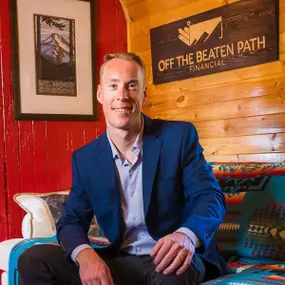
Founder | Wealth Engineer
Ryan Sullivan, PE is the founder and principal wealth engineer of Off the Beaten Path Financial & Off the Beaten Path Advisors. Starting his career as a mechanical engineer, he built an engineering department from the ground up before launching his financial and business planning firms.
Today, he helps architects and engineers build, grow, and ultimately use their wealth to create a life with no limits.
Ryan believes cash flow is the foundation of a strong financial position, but true wealth comes from aligning money with purpose. Through structured systems and strategic planning, he helps clients gain clarity, make better decisions, and move forward with confidence.
His approach combines engineering precision with dynamic investing, actively adjusting to changing market conditions rather than relying on static, set it and forget it strategies. The result is a more resilient path to financial abundance, giving clients the freedom and flexibility to live life on their terms.