

 Apple Podcasts
 Spotify
 Amazon Music
 Youtube Music
 Goodpods
 iHeartRadio
 Deezer
 Castro
 Castbox
 PocketCasts
 Audible
 RSS Feed
 Why Construction Leaders Can't Hire Their Way Out of the Labor Shortage
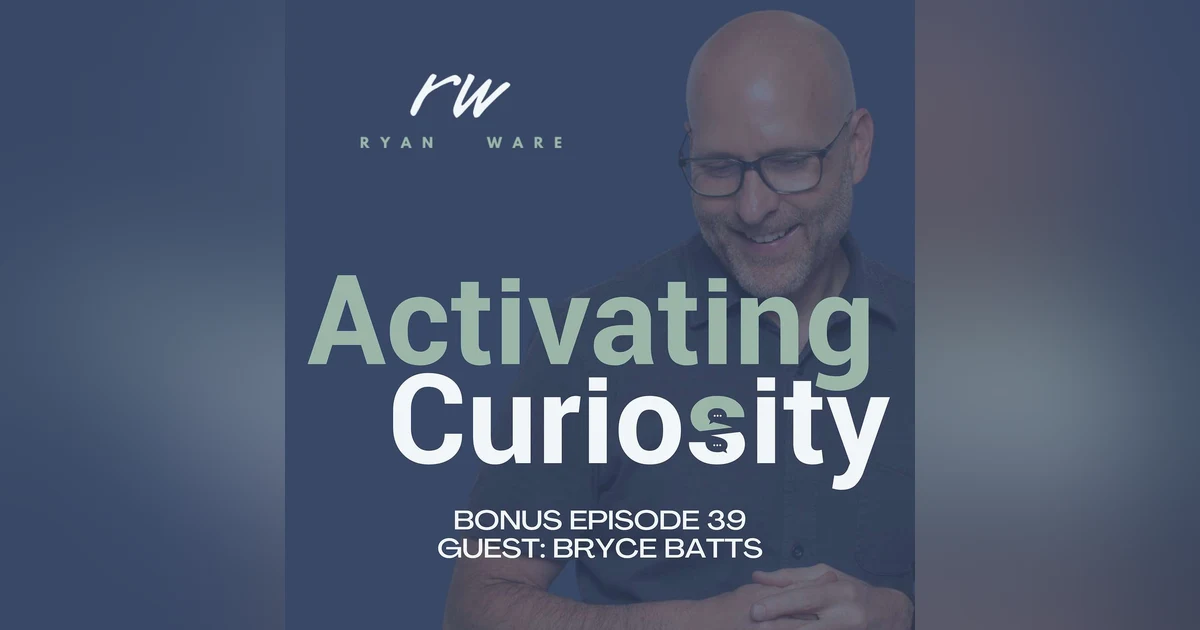

The construction industry has a changing workforce. But are the ways we recruit, hire, and develop people changing with it? In this episode of Activating Curiosity™, Ryan Ware sits down with Bryce Batts, Co-Founder of Career Collective and a recruiter with 20 years of experience in the AEC industry, to explore a different question: Can construction really hire its way through a changing workforce? Bryce has watched the AEC recruiting and talent landscape shift dramatically over the past two d...
Key Takeaways
- Construction leaders cannot simply hire their way out of the labor shortage by treating staffing as a reactive measure to fill project holes.
- Retention in the AEC industry is driven primarily by company culture and career growth opportunities rather than compensation alone.
- The 2008 financial crisis created a missing middle of experienced AEC professionals, leaving a significant gap in leadership and mentorship today.
- Great candidates in the current market can disappear within 10 days, requiring firms to make swift hiring decisions and move away from slow-moving traditional processes.
- AI is transforming recruiting through automated sourcing and candidate screening, making human connection, strong onboarding, and authentic company culture more valuable than ever.
The construction industry has a changing workforce.
But are the ways we recruit, hire, and develop people changing with it?
In this episode of Activating Curiosity™, Ryan Ware sits down with Bryce Batts, Co-Founder of Career Collective and a recruiter with 20 years of experience in the AEC industry, to explore a different question:
Can construction really hire its way through a changing workforce?
Bryce has watched the AEC recruiting and talent landscape shift dramatically over the past two decades. The 2008 recession helped create a “missing middle” of experienced professionals, the balance between employers and candidates has changed, and today great candidates may be available for only days.
But finding people is only one part of the challenge.
Ryan and Bryce explore why architects and engineers leave firms, how culture and career development affect employee retention, and what happens when companies approach staffing as a reaction to project needs instead of a long-term business strategy.
They also dig into onboarding, mentorship, the expectation that new hires should “hit the ground running,” and how AI is changing recruiting for employers and job seekers alike.
As more of the hiring process becomes automated, the conversation comes back to something distinctly human: creating workplaces where people can grow, contribute, ask questions, and see a future for themselves.
The workforce is changing. The question is whether construction leaders are willing to get curious about why people join, why they stay, and why they leave.
What You'll Learn
- How the AEC recruiting market has changed over the past 20 years
- Why great candidates can disappear from the market quickly
- How the 2008 recession contributed to today's missing middle
- Why reactive staffing can keep firms stuck in a cycle of filling holes
- Why culture and career growth influence whether people stay or leave
- What firms get wrong when they expect new hires to “hit the ground running”
- How onboarding and mentorship affect employee success and retention
- How AI is changing recruiting, resumes, sourcing, and candidate screening
- Why human connection may become more valuable as hiring becomes more automated
- What AEC firms can do to become places the next generation wants to join
Who This Episode Is For
Architecture, engineering, and construction leaders, firm owners, HR and talent acquisition professionals, recruiters, operations leaders, project managers, emerging professionals, and AEC professionals interested in recruiting, employee retention, career development, workplace culture, AI, leadership, and the future of the AEC workforce.
Chapters
00:00 – Why AEC Firms Struggle to Stand Out
01:07 – The Human Side of Staffing and Recruiting
05:44 – How AEC Recruiting Has Changed
09:41 – When Employers Stopped Holding All the Cards
11:55 – Great Candidates May Be Gone in 10 Days
12:32 – How 2008 Helped Create the Missing Middle
13:30 – Stop Staffing Projects and Start Thinking Strategically
16:25 – Why People Leave: It's Not Just About Compensation
17:30 – Your Firm Sounds Like Everyone Else
22:17 – From Filling Positions to Building Careers
24:18 – The Problem With “Hit the Ground Running”
28:51 – How AI Is Changing Recruiting
37:17 – Why Human Connection Still Matters
44:08 – Building an Industry People Want to Join
Guest
Bryce Batts is the Co-Founder of Career Collective, a business consultant, speaker, bestselling author, podcast host, Certified Career Coach, and recruiter with 20 years of experience in the AEC industry.
Throughout her career, Bryce has placed more than 800 professionals while helping organizations rethink how they attract and retain talent. Her work focuses on strengthening talent acquisition strategies, creating career opportunities, and helping firms and professionals navigate a changing AEC workforce.
Bryce also hosts the Wine After Work podcast, where she creates candid conversations around careers, life, and the experiences shaping the people behind the work.
https://www.mycareercollective.com/
Overcast Innovations
Helping project teams coordinate building systems earlier for more predictable outcomes.
New Lyfe Accounting
Free Diagnostic ($500 value) for Activating Curiosity Listeners by NLA, to help your financial goals
Helping construction leaders simplify change, strengthen trust, and move forward with clarity.
Disclaimer: This post contains affiliate links. If you make a purchase, I may receive a commission at no extra cost to you.
Have feedback or stories to share? Drop us a note or leave a VM—we’re listening!
Follow Ryan at the following:
https://www.linkedin.com/in/ryankware/
https://www.linkedin.com/company/connective-consulting-group-llc
https://connectiveconsultinggrp.com/
https://connective-coaching.com/
https://ryanware.me/
Don't miss out on future episodes! Follow & subscribe now to our newsletter and stay informed about the latest trends and insights in the construction industry.
If this show helps you, please consider supporting it. Just $3/month helps cover production and keeps the conversations going.
⭐ “Love the show? Toss some stars my way, it’s the easiest applause ever.
Frequently Asked Questions
Why can't construction leaders hire their way out of the labor shortage?
Relying strictly on hiring treats staffing as a reactive emergency rather than a strategic business plan, ignoring the root causes of turnover like poor onboarding and lack of career development.
What are the primary reasons architects and engineers leave AEC firms?
Most professionals leave due to limited career growth and poor workplace culture rather than base compensation, especially when they see no clear path to advancement.
How has the AEC recruiting market shifted over the past 20 years?
The market has transitioned from an employer-driven landscape where companies held all the cards to a candidate-driven market with a severe talent shortage and much faster hiring timelines.
How is AI changing the recruitment process for construction and AEC firms?
AI streamlines passive candidate sourcing and screening through integrated tools, but it also introduces challenges like fake resumes and automated screening fatigue, increasing the need for genuine human connection.
How can a candidate decide that they want to go work somewhere when you sound like every other mid-size AE firm out there? What are you really doing different? What is your culture? And what is the career path? Because young people, I think Gen Z, they want to know that they're making a difference. They don't want to cut their teeth by working 60 hours a week. They just don't. And I'm like, God bless them for having boundaries, because I don't think I didn't know.
RyanToday's conversation is really focused on the human side of staffing and recruiting, because in the AEC industry, we talk so much about a labor force that is shrinking, things that we have known to be true for a long time. We've talked to other guests about since the 70s, we've been talking about a labor force that was going to be changing and things that we could have been doing to prepare for it. We think about staffing as this we need to plug a hole inside of our own team, or we want to go take on different project types. So therefore we got to plug a hole with some sort of talent. But on the other side of that is a human, is a human that is going to go through some experience as they get onboarded, or even step one, getting hired or even seen. So these conversations that I'm about to have is really about that human experience as it relates to staffing. And the guest today is Bryce Batts. She is the co-founder of Career Collective. She is a coach, a consultant, a speaker, an author, and she is the host of Wine After Work Podcast. And Bryce has been doing recruiting for over 20 years, focused on these areas of the human piece. She has seen a lot of the downturns in the economy and how that has impacted a lot of us as individuals within this profession, within this industry. She has felt it and seen it from both the business side and heard it from the individuals who are looking for work. We know that we have these challenges right now of all of the technology and how AI is being used in the process of finding a job and searching for the humans to fill that spot within your business. We haven't always thought about how onboarding needs to work and how that experience needs to feel for people inside, because generally we're so focused on the projects that are in front of us that this is a fire drill. This is a reactive thing to get somebody hired as quickly as possible to a certain skill set. We don't have time to train people, we don't have time to get them onboarded. Well, those are all reasons why we're facing some shrinking of the labor force beyond what we naturally are feeling from those leaving and retiring. So if we aren't willing to spend that time, if we aren't willing to think about staffing as a strategy within our business of our current state to our future, of what type of business we actually want, then we're never going to be able to fill those spots, bring in the talent and maintain them at the levels that is required to build the infrastructure and the businesses that are looking for construction industry professionals to build. And if we don't do that, then your community suffers, everyone else suffers. And that is not something that anybody in the construction industry really wants to see.
BryceThanks for having me. I'm excited to be here.
RyanI am so glad we're having this conversation. I know we've just gotten to know each other the last couple of months, but you have said so many things during our conversations. I'm like, we we got to be able to share these with listeners. And I know that you do a lot of this through your conversations on your podcast. You've you've done a lot with your books and what you do with career coaching and what you do at Career Collective. And before we get to kind of where we stand today in our environment, I would like to just take a step back as you think about, you know, your 20 years working with the AEC industry and the things that you were seeing and still are seeing and thinking about for the future. But if we look back to 20 years ago and even before then, as you were starting the business and where you found yourself in your career, like what were some of the things that you were noticing about staffing and the recruiting side within the AEC industry that maybe have changed or still become a pattern that we find ourselves in or just challenges? Uh, because a lot has 20 years ago, there was a lot of information for us to understand that we were going to have a staffing issue in a lot of different areas of the profession. And we didn't necessarily address them in a certain way to address the industry. So take a step back and just kind of walk us through what you've, your journey's been like as it comes to AEC staffing.
BryceYeah, it's so funny to think about being in this industry and having done recruiting for 20 years. It's pretty crazy. So just thinking back, I mean, so much has changed. Obviously, I was a lot younger when I started recruiting. And I think a lot of AEC firms felt like recruiters were maybe a necessary evil. And when I started out, gosh, 2007, maybe, we were doing a lot more marketing to firms or calling companies and really pitching candidates and seeing what their hiring needs were. But it's gotten so much quicker now, and the way we're approaching it is different. Now, of course, we're trying to be more of a strategic partner, and you see companies being acquired and growing bigger. And so we've seen a lot of our older clients get gobbled up. We've seen some of them like really grow and open so many offices. And so now they have internal TA teams. So that's really shifted how some of these companies operate. You know, and of course, back then our fees were like 20% with a 90-day guarantee. And you know how slow moving this industry, AEC, can be. So they all want to hold you to those same fees. I'm like, this is what we were charging 20 years ago. How can we make this work now? And so now we're more of a strategic partner with some of their internal TA teams. 2008 changed a lot, and then COVID. So I've seen so many ripples, and it seems like lately the speed of change is happening even quicker since COVID at least.
RyanThere has been, I mean, just from the recruiting side, there's been a lot of different changes that you've been seeing and hearing about. But you brought up a couple key points. And I'm I'm kind of curious because I've lived through the dot-com. I was just coming out and kind of felt it. 9-11 happened as it related to our industry and then 2008, the financial crisis. Yeah. And I think, I think through those as I as I was working in in architecture at the time, and thinking about how we were hiring and building our companies and and how that recruiting process was going to work, you know, you put it out there in some advertisement for even sort of the internet existing. How did you find and recruit? But I just started seeing, like, beyond the recruitment, like beyond like trying to find the talent, there's there's two sides. There's the individual searching, and there's the company and the business looking. And when I think about talent and going back and thinking about all the hurdles and the and the bumps in the road throughout my career between those financial crises, because they they do impact our industry. And we're a huge industry if we feel small. Like when you're suddenly going through massive layoffs and you're going through cuts and you're going through, you know, this depletion of talent that was already set to retire through the industry in those 20 years, we miss something because a lot of companies were just mass layoffs. Some were doing kind of cuts through a million, you know, or death through a million cuts, which I experienced where it was like people were trying to hold on to cash versus others of taking the cash to make sure the humans were still there and trying to maintain part of their business. Like something, I don't know, just feels like something changed in how we thought about the humans within the industry or how we think about recruiting and we something's missing there. Like there was a lot of people that exited parts of the industry. How have you seen that sort of shake out? That 2008 area, and even I guess dot com was a little bit after you got started, but but that took a while to ripple through the industry as well. Like, how have you seen those things?
BryceSo, in a recruiter's mind, the way I think of it is uh in the past, and maybe before 2008, the employer was in charge. They were the ones filtering out the candidates. They were the ones deciding who they wanted to have come work for them. You know, we would call these companies and see who's hiring and how we could fill their need. And now I would say it's really shifted to more of a candidate market where the candidates in charge because it seems like everybody's hiring and there's not enough talent to go around. And that's not how it was years prior. 2008 happened, and I remember it felt like no one was hiring. And we worked a lot of civil and architectural positions, and it was just frozen. And like you said, everybody was getting laid off. A lot of people left the industry, which created more of a problem that we're seeing now, like a lot of architects. And so we shifted our business back then. I was working for a small firm and started doing more MEP recruiting because it seemed like at least some mechanical and electrical positions were still open and those roles were still being filled. But then recruiters became less transactional and more relationship driven. So instead of calling a recruiter only when a role was open, they would want to tap into what we were hearing about the market, what we were seeing, which was kind of interesting. And I think back then, like you said, you posted an ad and people would apply. Or for us, we would see people on the job market and we would call them. And now you really have to go after passive talent and you have to be sourcing those people all the time and building that talent bench because we have so few job seekers. And then, of course, we could talk about COVID, everybody was in the office, and then after COVID, everyone was remote and now they're hybrid, and firms want everybody back in, but candidates want to be hybrid at least. So there's tension there. There's tension around salaries now because inflation keeps rising and the salaries aren't keeping up. So I have like small firm owners who will say, this is what people are asking for. And we use the PSMJ salary report and the ZWAG report. And I just sent this to a small architectural client yesterday because they were wanting to pay a four-year person in the Raleigh area who's passed one area exam, 55 to 60. I was like, that's way below market. And this person was asking for like 75. So trying to be more of that talent partner now and educate them not only on what we're seeing, but what the data shows. You know, great candidates are on the market for about 10 days. And so if you can't make a decision before, then you're gonna lose the candidate.
RyanYou gave a lot of good insights there. I think about the the passive and the active, right? Like if it is a you can think about like a buyer-seller sort of market, right? If the businesses are are sort of like the ones who who can win the most when the market is there's oversupply of labor and talent and the jobs, you're basically, you know, the business is going to give what it can give, and you got to take it as an employer or an employee. On the other side, it's like when they're like what we're feet facing is this I'm sure the passive is probably a lot higher percentage of how the recruiting has to happen because there's much less supply of that that talent and that labor. And like you said, like they're going to be off the market if they if they know what they're doing, you know, or even then it's like we all are going to learn through our journeys, through our life experiences and getting inside of the businesses. I I'm curious though, going back to you know, oh eight, the loss of so much talent, and I've heard you you know say this and kind of seen um seen some of your work, that missing middle layer is is this challenge point of like like there's not leaders, you know, people who have been developed as leaders who have gone out there and they worked on certain size projects, they worked through certain challenges and problems. Like a lot, and I know I have, I've walked away from certain parts of the industry to to go take other things on. That doesn't mean that they're not adjacent. It just means they're not in that labor force that maybe we're looking to fill the spot within our business. Something else that you said, I think, is so critical. We sometimes are in a reaction mode towards a staffing problem. And we we haven't thought about staffing as a strategy within our businesses, of a career development of the labor force and the humans that we have, and how we're building a business around that talent. And what talent do we need to be bringing in in a long-term strategy? If we're in a reactionary mode of just filling a spot to deal with the project, then all we're, you know, all we're doing is plugging a hole for a little while. We're not, we're not thinking about it from a career development and a building a business around a group of people. So I'm curious what you've also been thinking and seen as it relates to this word culture, right? Because I think we it's it's so overused and then we put stuff on walls and we talk about our culture and we put it on the websites, but we don't, when people are exiting and people are are leaving or you're afraid people are going to leave, like that's not a recruiting problem. There's there's other things. That's like there's an onboarding and there's an experience that a human has as they're coming on board. And then there's also the humans that are sitting there working inside the firm when a new person comes in that probably have their own emotions towards these hires of like, I'm gonna hold on to information. I'm not gonna train. Why do I want to train this person? Like, I'm trying to hold on to my own job and go make higher wages. And I know there's a lot there, but it just seems like we're a lot of times like we're holding on to past numbers because that's what we got paid. So we think that's what everybody else should be paid. This is how I cut my teeth. So you got to cut your teeth this way. But like as a as a career coach, Bryce, like the human piece of it. Like, what are some of those stories and things that you hear about the individual side and their experience as they're going into the workforce or going into a business where we're thinking about their own career because we're we should be building the business around careers and around individuals, right?
BryceYeah. And I think you hit the nail on the head that it's about career growth, because of course, everybody wants to make a certain salary. But when you talk to architects and engineers, their primary reason for leaving, most of them, it's not compensation. It is the culture or the career path that they've been given. They feel like there is no room for growth. Maybe there's five senior people above them and they're not retiring for a long time. And so they jump ship because they think the grass is greener. And I always say, like, you've got a lot of levers to pull. Don't switch jobs as your first one. And if you are always chasing money, you're always going to find another company who will pay you a little bit more. But once you've your resume looks like one job per year, it's going to be really hard to land a job and for someone to keep you. In terms of culture, yeah, it's a buzzword that we've been using for a long time. And I can say we have fallen to this as well, where you print out your values, you have a mission statement, vision statement. And then is it what you're using to make company decisions on, or is this something you've just put together and then filed away and you never used it again? And then one thing I like to talk about too is how every company thinks they're different and unique. And then you look at their job descriptions or their website and it reads like 10 other firms. They don't sound any different. So, how can a candidate decide that they want to go work somewhere when you sound like every other mid-size AE firm out there? You know, what are you really doing different? What is your culture and what is the career path? Because young people, I think Gen Z, they want to know that they're making a difference. They don't want to cut their teeth by working 60 hours a week. They just don't. And I'm like, God bless them for having boundaries because I don't think I did.
RyanYeah. I mean, it's so true. I I'll start with the Gen Z and then kind of work work through some things that you said there. But I've sat inside like AIA, you know, meetings, business of architecture or or whatever, and I hear people talk about like, well, they just need to the next generation, like they just got to do their time and they got to work their hours. Or, well, why do they want to leave at five? Why are we working past five? I started in hand drafting, then CAD, then Revit. And I tell these stories, like, okay, fine, I'm a dinosaur. But all of this technology was supposed to be, and we talked about the generic word efficiency. But the reality is, is like, why is it that we're still pumping out hours? Then I hear from architects, well, design's never done. It is when the cash runs out. So, like, the project has a deadline. You have a responsibility to that owner. Like, nothing's ever going to be perfect, but we can work through utilizing technology and the things that we have to be focused as humans on the things that are important for the project so that we aren't burning ourselves out so that we're able to go give more to our communities. You talked about the branding, like, well, I'm going to call it the brand of humans inside that business because the business isn't the company name. The business is the humans that are inside of it and the skill sets that they have and the things they can deliver for the communities and the world in which they live. And I've had this conversation before because it was always like, well, the name is this, and this is what we were known for. That was past. This is present. This is the group of talent and the teams that are there. The future is what do we want to stay in that same lane? Do we want to go to different verticals? Do we want to take on new challenges? And what is what is the skills that are that are currently missing? There's gaps that we need to find and figure out. Do we upskill within? And who what and then that tells us how we need to build that staffing plan going forward. But if if we're all sounding the same, part of it is yes, do architects all generally do the same thing, right? I know that's probably gonna take, you know, piss some people off, but like in the end, our job is to solve the problem statement of the clients in which we're working for. Right. Every project is going to be different, and our approach may be different, and we could talk to those and we can build that brand. But the brand is shown through the experience in which a client and our team works through those things. Same as with engineers, same with what the contractors feel on the other side of how the documents came together and whether or not they feel like they can build it efficiently and effectively, right? I don't know. That's a lot there, but it's like just because we have a website, like that's your storefront. People's experience are like, are your aisles crowded? Like, do they get frustrated because the people inside, like, are you know, their personality's gone, or everyone's just angry within it, like and everyone's stressed and everyone doesn't have time. Those are things that we all, that's a human piece to an industry that requires leadership, development, career growth, career coaching. And we spend a lot of money on training rooms, but we don't we don't want to talk about the human complexity, the mental complexity. And your your side is it's not the technical side that that you're focused on. It is that human and their experience through the journey of yes, they may want to leave, they may want to jump, but I'm sure from a coaching perspective. There's a lot deeper questions than just why do you want to leave and this and that? There's all of these other things that are important to that human to make sure it's a good experience for them and the business on the other side. So I go ahead, Bryce. I don't know if you want to add anything to that.
BryceYeah. Well, I had so many thoughts when you're saying that. There's so much there. Like you said, I think in the past we were just plugging a hole. We were just hiring somebody when we won some work and we needed to put a butt in a seat or you had someone leave. And now to think about it, you're recruiting them into a role and you want them to be successful. So you've got to make sure they've got a mentor or a sponsor there, somebody can who can help them out. You want to make sure you have a good onboarding process. So they put into the organization in a way that is going to make them successful. And what we see when we're partnering with companies is some of them don't have a great onboarding process. And then you see people leaving in a year. And I know it's so much easier to pay the recruiter because they pay us a fee. We bring them the candidate, but we can't technically vet them. I can ask questions, I can check references, I can review the resume. But you, as the architect or engineer interviewing them, you've got to ask them, you know, if they can put these pieces of the project together. I can ask them on a scale of one to 10, how well do you use Rebbit? And, you know, tell me what you're doing in Rubbit. Are they doing stormwater design on a type of project? You know, that's what they have to dig into. And then I'm not there to help with the onboarding process. So once they get in there, you know, who is making sure they're going to be successful? Because then if they're not, if it if they leave after a year, well, that's not our fault. But every company wants to blame it on us, unfortunately. There's so much complexity there. And every firm says, I want somebody who can hit the ground running, especially if they're like a small to mid-sized firm. But when you're working with these junior level people, you know, they need mentorship and they need someone showing them the ropes. And I know everybody's busy and they're working against deadlines and jumping from client call to client call, but they they've got to be able to help these younger people so they know what they're doing. And it takes more time to teach them, but then they can run with a project eventually.
RyanHit the ground running. I mean, that no one comes out of university hitting the ground running.
BryceNo, they don't know real world skills yet.
RyanLike the person saying that didn't hit the ground running. We came in with a passion and desire to go do what we were trained to do, you know, what whatever, wherever it was, right? Yeah. But you can't, like every human has to go through development. Some of us learn a certain way and some of us learn a different way. And there's all of these things and studies. But I don't know. I'm just going to say this. I think too many times businesses rely on trying to do some sort of assessment and get to a data point in time to know whether that how that person thinks, how they work, and all those things. You know what? Spend some six months trying to get to know that human. Don't worry about a data point. That data point is a point in time that could have been lying to you as a certain, you know, situations change. But this goes to the onboarding piece. We bring people in and they they start and then everyone's they maintain what they're doing. Nothing's freed up to go help with the onboarding. So now they're stacking things on top of other humans who are already overwhelmed, who don't have time to do things, to try to train an individual who is trying to come in with the highest and best intentions to do the best job that they can for that business and develop their career, and they're left floating in an ocean that they're just like, I don't know who to talk to. And this is where other humans who are listening that are looking for work is like a culture is built around psychological safety. And psychological safety is where you could speak up without retro fear of retribution or retaliation. And if you're a new person and you can't ask the questions and you feel like you can't ask questions, like one, you need to be asking, like, why is it I feel that way? And have I even asked the question? Have I tested it? And on the other side, it's more the businesses, and I'm sure you've had this conversation, like maybe this is sort of present day and thinking about future. Like what we need to be like onboarding a scene is sort of this, well, what's you know, there's higher ROI than I think we we think about it. And blaming recruiters for people leaving is, I mean, that's that's not your fault. You can't blame the ham hammer if you miss the nail, right? Like you have to see what is in front of you. If you were going to bring the talent in, then you have to again go back to planning of how are we, you know, a typical process, the onboarding. How will they know those things to make it the smoothest process, not only for the new employee, but for the employee employees that are there who are going to help with that onboarding? Because in the end, like there's a reason that they are brought into it. They should be able to develop, they should be able to be given the grace and the time to learn and grow, just as I know we all were. And some people don't, you know, we don't have patience because we buy something and it has to work instantaneously. Well, that is a human. Like, like even if it's technology, like it isn't going to solve all your problems. There is no magic button. There are humans there that have to figure this thing out. So I want to talk, uh, you know, we've talked a lot with the past and even getting into the present, but I'm curious in this present area, what you've seen and thought of now that AI is everywhere. And HR groups, talent acquisitions, and that's, you know, a lot of the groups that you're probably working with, and even smaller firms, it's probably just, you know, the principles, yeah, uh, maybe operations, right? But like AI has has become this thing that we we all want to trust, and humans have to be able to quantify and qualify things, uh, do their own QAQC. But I'm curious what you've seen and how what you think about how AI has sort of changed or upset, or whatever term you want to call it, or however you've seen it, like how we recruit, how resumes are built, or how people present themselves online, or whatever. Like AI has seemed to, and I just hear this a lot from people out there, like changed how they're even found as an individual to go get a job, right? Like how have you been thinking about that with Career Collective? What have you heard and how are you thinking about it moving forward?
BryceYeah, we're using AI. I enjoy using Claude and I use it in my searches. I think the good thing is it can make you more efficient, but like we said, it could also create more work for you. On the recruiting end for us, we can use it to source candidates. So we're working with an AI company now. We use Locso as our database and we can source through Loxo. You give me a job, I put the job in, it can find candidates for me. And then this AI company is also finding candidates for us and just fill, you know, the job is a trigger once the job is in, then it finds all these candidates, and then we can send out a campaign, call, email, text about the job and see if we can go after these passive candidates. Now, all the tools we're using, like LinkedIn, Indeed, Zoom Info, now they all have their own API key and now they're integrating AI more, not just with the messaging, but how the candidates are found. So that makes our job easier. Because talking about the past, we used to buy a list of people who had just passed their PE and just call down the list. More same with architects. So in that way it's changed a lot. And we used Career Builder and Monster then. Now it's just LinkedIn and indeed. But on the TA side, I find companies are saying it's tougher because they post a job and they either don't get any applications, or the ones they do get, you don't even know if it's a real person. And then, you know, we we talk to every candidate that we send over to a company, but there are recruiting companies out there that just create an AI resume and market it trying to get an agreement in place. So they're just creating a fake resume. And then I've heard horror stories too of fake people, bots or whatever being on Indeed, and then you go to set up a call with them, and you can tell you're talking to an AI agent or bot who's just reading something from a screen. And then I talked to a structural engineering firm in South Florida, and he said, We only work with recruiters now. And I was like, You don't normally hear that, so tell me why. And he said they had hired um a structural PE and they thought they were getting one person, and this person was going to be remote. And then come to find out what they had basically done was hired a company that had a couple of Ps working for them offshore, and they were presenting as one person. I was like, okay, I haven't heard that before. So it wasn't necessarily one employee, but I've heard it's harder just for TA and for job seekers because and another great reason to work with a recruiter because you put your get your resume together and maybe you fluff it up with AI or make it look better. And then AI is then screening your resume on the other side and sifting through them, which is why I tell when I'm coaching people, let's make the human-to-human connection. You can use AI for your resume, but if you're going to go apply online, then message someone at that company on LinkedIn and let them know you just sent your resume over or work your network. If you know someone there, have them make an introduction for you. Because going back to what we were talking about earlier with retention, if you're doing it well, you're bringing in interns. And then hopefully those interns are finding if they want to stay or not, if this is the route they want to go in consulting engineering, and you've got a referral policy in place. So your best people are referring their friends or other great colleagues into your same company. And so it works to your advantage if you're looking for a position and you connect me with your firm. Great. Well, now I have an in because you've presented me as a candidate and you get the referral bonus. I'm like, it's a win-win.
RyanYeah. Well, and I think that's the important note is that humans are still got to be involved. I think a lot of times we hear AI and we're like, oh my God, it's coming from a job and all the all the noise that's out there. Right. And it's like the humans in the loop, right? I mean, that's a term that's constantly used is like you, the humans are there to quant, you know, you gotta be able to qualify this stuff as it's coming through because the algorithms are built to go into confirmation bias. Well, you're almost like when I think back through AI and building your own brand, right? We talked about like every human has to have their own brand. Well, if AI is going to do the searching, like you got to be found. So you almost need your own SEO for yourself, for someone to find you on chat, on cloud, on any of these other, you know, Gemini picket, right? Like that's a big ass for people who feel like, you know, they're just tossing a resume out. I mean, I've heard this, people looking for years are like, I'm tossing resumes out, and I'm like, no one is responding. And I think this is another part, you know, businesses is like, I know everyone is overwhelmed, but those are humans, some maybe not bots, maybe not that are cheating, trying to cheat the system. Most of them are humans who, yes, have emotions and they become frustrated and they become like they don't want to be involved in the industry anymore because that's their experience trying to find work. And I think what you're talking about is this relationship building, like okay, fine, we call you know like like you talked, recruiters, right? Well, it is a bridge. Like recruiters are this bridge to get to an understaffed TA or HR group or principal within the industry, because we're not talking about some of the biggest of the biggest firms a lot of times. We're talking about like mid-market, even small firms who can't find talent. They're in rural areas. And how do they, how do they staff a project? And when we go back to finding our own humanity and agency in all of this, like we have to realize that every LinkedIn, some of it is AI. But generally doing a little research and finding out that that is an actual human who's reaching out, looking for a connection, asking for help. We have an opportunity to do something. And I like what you're talking about because I just think that you know, it's recruiting is more than that. It is the career coaching side, you're you've got other services you've done. You've written, you know, you're an author, you work with uh individuals from a career coaching standpoint, you've got your podcasts, like trying to touch on all of those experiences of the human during the process is so important. And I think, yes, AI is probably making it easier. It's just we're still the humans have to figure out how to navigate all this and the complexity of both the human side and the and the technology. I just think that, you know, we need to do better from a leadership level, people searching for people to let people know what's going on once in a while. I hear that a lot. I don't know if you hear it. Like people, you you're probably hearing a little more and you're able to kind of get some information. But a lot of times out there, like, this is where people just they just leave the job market and they're not sure what to do. Like they could be uh there to really help businesses and and and teams, but they're just like, I'm out, like I don't know what else to do. Like no one is giving me any response whatsoever. And it's like, it's because we all feel busy. Well, what then we need to ask ourselves like, if we can't figure out the time to do that, then why are we hiring in the first place? Because is that the experience they're going to get when they come on board? If we haven't figured out how to maintain our our our time and our schedule and and and navigate this, given all the things you've seen through your past and kind of how you're you're looking at AI, but also just, you know, the recruiting and and the and the coaching side, how are you thinking about the future and knowing like we're going to continue to see a labor force that is shrinking with a demand that is so high so much higher uh for what we need to build, design, and build, right? For our industry. How have you been thinking about kind of that future staffing and approach and the critical things that we're going to need to focus on?
BryceYeah, I think like you said, the human element is so important. It's even more important now. And that's what we're telling our team. You know, it's so easy to just communicate through text or email, but some you don't know if it's real anymore. And people can't even get through their inbox. So to pick up the phone and leave someone a voicemail, hey, just sent you an email and a text. So then they know it's a real person, you're much more likely to speak with them. And I think it's the same for companies that are hiring. You know, once you've made the hire, you've sent the offer and they've accepted. Has anyone been in touch with them leading up to their start date? And then, like you said, what does the onboarding look like? I think we can get really scared and thinking about AI and what the future might look like. And is it going to be cutting out the architects? I was talking to someone on my podcast and he said the industry is so fractured, and he thinks that AI is basically going to eliminate the need for an architect, except for maybe that last 10% when they're just reviewing and stamping the drawing. And I'm like, well, hopefully that's not the case, you know, because they've got all these subcontractors under them and they're coordinating the project with everyone. So I'm hoping we're going to be using it to our advantage and not to just eliminate jobs. I think the cool thing is now, and we don't know what the future holds. It's hard to say what it will look like exactly. But with AI now, we can see architects and landscape architects and probably engineers too. I just haven't heard their stories about it, creating these designs, being able to reiterate the drawings and um have different iterations of it and showing these to the client, making these updates pretty quickly. Now, on that end, it does improve efficiency, allows you to put together a drawing for a client so they can see what the project may look like. And then, of course, you've got to pick out all the things and you know, uh make the changes. But I think it's neat to see what it can do. And I'm hoping it's not a future where we're not, we don't have humans doing the jobs.
RyanWell, coming from architecture's side and thinking and jumping into construction, I am not afraid that it's going to eliminate all the work. Because I just think like if the humans remaintain and stay in their agency, we can find ways to utilize it to to bring out the best of us, right? The things and reasons of why we got into designing buildings in the first place. Because we're the reason we're buried is all of the paperwork. It is all the fire drills that we're putting up with because there's so much information to build that technology, like when Revit first came out, with the argument was do we need to model everything? That was 2007 and eight. The reality was is you could utilize the technology to remove certain steps that you had to do in previous versions of any sort of technology to just get information on the drawing set for code compliance and for subs. And it was like once once we found like the capability inside of Revit, it was speeding up how I could estimate. It was speeding up how I could, you know, do the drawing sets. Even if I wasn't modeling everything, I could use the intelligence to give myself some time. So maybe I could go to my son's soccer and basketball games, right? Like, like that is what we need to be thinking about is like, what are the things that I don't want to be doing? Not to get this into an AI conversation, but I think that humans like this comes back to finding our agency. If we want to build our careers and we want to build this profession and this industry around the talent that's going to be available, like there's so many opportunities to work with groups like yours, Bryce, and and listen to some of the conversations you're having, because that's where we're starting to find our own humanity again in all of this. Because I just think that we're so buried in in the patterns of the past that we can't find or we can't, there's not been enough interruption yet. And AI might like, I don't like the word disruption because we always disruption is bad. Interruption is a pause. It is this self-awareness moment, like right, we can have and we can ask deeper questions towards like, why is it that when we bring somebody on on board, like they are leaving in a year, right? Like what what is it? What was different then than was now? What was different 10 years ago? Like, what has changed? How has situations changed? When we begin to ask those deeper questions, then we can analyze it to to look deeper inside. And hey, you're gonna get uncomfortable. Like you're gonna get uncomfortable with these questions because it's going to expose something that you probably already knew to be true, but now you're like, oh, it's it's me. Oh, it's us, right? Like, oh, we need to deal with this. But that's the freeing part, that's the humanity, that's the agency. And it if you want to continue to build your career, AI isn't really going anywhere. They're making, you know, whatever happens with the markets, whatever happens with anyone, like that's not gonna change. But if you can learn to work around it for yourself and everyone else, then I think it's gonna be positive internally for your business. But from a recruiting standpoint, it's finding a way to maintain that human connection, as you said. And I think that's that's the most important to kind of leave with, I think, is like all sides. Like, don't be afraid to pick up the phone. I'll I will tell my story of my first job just because I'm old. I made a CD of my res of my work in college, and that would just automatically start when you put the CD in, put it in a case. I called ahead to find out who I was sending it to and making sure they signed for the package.
BryceI love those.
RyanThis was 2001. But one guy I called and goes, why why did you send it this? Not not the CD necessarily, but why'd you make me sign for it? And I go, I I go, my career is so important to me. I want to make sure that you got it. And I don't, I'm not bragging about that. It's just something I think of, I don't think about often, but I found the CD. I love that while I'm packing. And I thought, you know what? Your brand is who you are. And if you aren't willing to stand behind it and put the time in for it, then no one else is going to do it. So Bryce, I am sure there's something I have not asked you, something that you want to share. I want to give you the time to do that. Do that now.
BryceIn terms of that, I was just talking to a bunch of engineers in New York at NSPE about your personal brand and how important it is. And I mean, you just named it creating a CD that you mailed. It's, you know, you're in the driver's seat of your career and you get to decide what it looks like. And I do think you have to be willing to raise your hand and talk to people and seek out a mentor and a sponsor and people to help you so you can move along the path that you want to move. And that might mean talking to different people. How did they get to where they are in their career if you're just starting out? And I think back to I've graduated college the same time as you. My husband's in the industry and he was pulling all nighters. And I thought, this is insane. I'm like, I've never, even in college, I didn't, I'm the kind of person I would just study a little bit at a time. I didn't want to stress myself out. I'm like, all nighters? I didn't even do this in school. And you're doing this for your job. And now the stigma of the industry needs to change. I'm like, it's such a great industry. If you want to be building communities and creating streets and things that, you know, healthcare centers and hospitals that people are utilizing and be a vital part of your community. This is a great career to have. But I was just talking to a high school senior and he said, I'm considering engineering. I don't know. And he's like, I've heard it's you have to work crazy hours. So kids are still hearing that now, that they've got to put in so much time and that they're not going to get paid for years and years and years. And unfortunately, these people who are interested in engineering, at this conference, I talked to an electrical engineer. We know they're very hard to find. He left AECOM to go work for an AI startup. They needed someone who had building engineering knowledge. So I'm like, not only are we losing these electrical engineers to Tesla and Meta, now we're losing them to these AI companies. And all these AI startups are coming in and offering so much money for these new grads, if they've done exceptional things, to come in and build these companies with them. So we've got to think it's hard to do, but change the image of the industry and make it known and make it be seen as the cool place to be, because you're building actual buildings and bridges and roads and all these things that are so important.
RyanYeah. No, I love it. I mean, the image of this industry is something that comes up very often on the podcast. And we are every individual is the brand of the industry. What we take home, people hear. And as you just said, those high school students, like that's the pipeline. And and our opportunity is to help them see like their future can be different than the past of the way we've done it. Like that is that is very possible. And if we as in the industry want to maintain what has always been true in our mind without starting to question deeper of like, well, who taught me that and why do I know it this way? And what situations are different, so that the next generation can come into something that does look and feel different than what we have. Like, yeah, it may feel uncomfortable to all of us inside of it because it's new and that's what how our brains work. But like that's what's going to be required to fill that pipeline. Because we can't we can't keep watching the exodus happen and watching, you know, people want to come into the career. Like I think about architecture school, and the thing that was said was look around on the first day, look around. Uh, half of you will probably be gone by the end of the summer. In fact, a quarter of you will probably be gone by the end of the week. This was a 10-week study for 30 weeks. It was supposed to be 30 week long, it was 10. And I just thought, I think about that all the time. Is like, why is it so important? What to like we want to weed people out? Sure, but why is that the norm? Why is burnout the bar in which we're setting? So I am grateful that there are humans out there like you, Bryce, who are helping be that bridge between the human looking for a career and wanting to build a career, and the humans inside the profession and the industry and those businesses that want to build, you know, their careers as well and go, as you just said, build for communities, do good for the universe and for the world, right? Like we want, that's why we got into this profession. So I'm so grateful you were willing to come on, Bryce, and have this conversation with me.
BryceOh, thank you. This was a lot of fun. I'm sure we'll think of many things to say when we quit recording because there's so much to be said, you know. But I appreciate you having me here and for having these uh, you know, curiosity uh talks.
RyanYeah, no, I appreciate it. So thanks for being on Activating Curiosity.
BryceThank you.
RyanThank you. So that is a conversation with Bryce Bass. I hope you enjoyed it. I hope it sparked enough curiosity for you to be thinking about your own businesses as it relates to onboarding and how you bring in talent and how to think about recruiters as that bridge that can really help you find those humans and all of those important steps that we need to be thinking about of connecting as the human, what it feels like to not see any sort of responses from anybody. And if you are looking for work, if you were looking for career advancement advancement and you're looking for those things that as an individual that that you want in a profession and you want in an industry, like think about your own personal brand. Think about all of those things that that are your passion about and find a way to package them in a way that people will remember it and they will see you and they will know that it is important to you. So I hope you continue to have these types of conversations. I hope you continue to find those problems that you want to solve and you're looking to solve, and you're continuing to find ways to activate your curiosity as well as curiosity within others. The Activating Curiosity podcast is brought to you by Connective Consulting Group and Connective Coaching, part of the Curiosity Building Experiences. If you enjoyed today's episode, don't forget to subscribe so you'll never miss a conversation. Share the podcast with your network and help us bring more curiosity into the construction industry. Interested in becoming a guest or a sponsor? Visit us at activatingcuriosity.com for more details. Until next time, keep leading with curiosity.

Bryce Batts is a dynamic business consultant, speaker, Best Selling Author, Podcast host, Certified Career Coach, and Co-founder of Career Collective, bringing 20 years of experience as a recruiter in the AEC industry. With a fierce commitment to empowering women, Bryce helps organizations overcome barriers to hiring by developing innovative talent acquisition strategies. Her expertise enables companies to attract and retain diverse talent, fostering a more inclusive workplace.
Having successfully placed over 800 professionals in rewarding positions, she is a catalyst for change in the industry. In addition to her consulting work, Bryce is the podcast host of "Wine After Work," where she combines insightful discussions with a touch of humor, creating a space for candid conversations on career and life. A devoted wife, sister, and mother of two daughters, she is passionate about raising the next generation of strong women to shatter barriers and live audaciously. Bryce's mission is not just about business success; it’s about fostering a community of support and empowerment for women everywhere