

 Apple Podcasts
 Spotify
 Amazon Music
 Youtube Music
 Goodpods
 iHeartRadio
 Deezer
 Castro
 Castbox
 PocketCasts
 Audible
 RSS Feed
 Construction Protects the Body. But What About the Person?

Construction has spent decades improving physical safety. Hard hats. Harnesses. Glasses. Training. Procedures. PPE. But what about the things we can't see? In this episode of Activating Curiosity™, Ryan Ware sits down with Dina Fodero, speaker, certified Enneagram Practitioner, and creator of I-PPE™ (Invisible Personal Protective Essentials), to explore the human side of safety in construction. Together, they unpack why protecting people may require us to think beyond physical safety to psych...
Key Takeaways
- Construction safety must expand beyond physical protection to include psychological safety, mental health, belonging, and emotional support for both women and men.
- Dina Fodero's concept of I-PPE (Invisible Personal Protective Essentials) focuses on the mental and emotional well-being that protects the person, not just the body.
- Creating a resilient company culture requires more than one-time training; it demands daily human skills, empathy, clear communication, and accountability.
- Empathy, communication, and emotional intelligence are not 'soft skills'—navigating human complexity is often the hardest work leaders and teams do.
- Women and men in construction both face invisible challenges, and building an inclusive environment means moving past isolation to foster genuine allyship, mentorship, and support.
Construction has spent decades improving physical safety.
Hard hats. Harnesses. Glasses. Training. Procedures. PPE.
But what about the things we can't see?
In this episode of Activating Curiosity™, Ryan Ware sits down with Dina Fodero, speaker, certified Enneagram Practitioner, and creator of I-PPE™ (Invisible Personal Protective Essentials), to explore the human side of safety in construction.
Together, they unpack why protecting people may require us to think beyond physical safety to psychological safety, mental health, belonging, communication, relationships, and the experiences people carry with them into work every day.
Drawing from Dina's experience building and leading a business centered around women, the conversation explores what happens when people feel supported, respected, and safe enough to grow—and what those lessons might teach an industry still working to create stronger cultures for women and men alike. Dina's own experience of feeling like an outsider became an important influence on how she approached culture, belonging, and helping others thrive.
The conversation also challenges the idea that communication, empathy, emotional intelligence, and other human skills are somehow "soft." Because navigating the complexity of ourselves and the people around us may be some of the hardest work we do.
From women supporting women and men becoming better allies to leadership, workplace culture, mental health, and the invisible factors influencing retention, this episode asks construction leaders to widen the way we think about keeping people safe.
Because what we don't see doesn't mean it isn't happening.
What You'll Learn
- Why physical safety may be only one part of protecting people at work
- What Dina means by I-PPE™ and Invisible Personal Protective Essentials
- How psychological safety and belonging influence construction culture
- Why human skills for construction leaders deserve the same attention as technical skills
- What women in construction experience when they feel isolated or like outsiders
- How women can support other women without protecting their own "seat at the table"
- Why men have an important role as allies
- How leaders can better understand people's strengths, blind spots, and communication styles
- Why culture can't be created through one-time training or onboarding
- How mental health and the invisible experiences people carry affect both women and men in construction
Who This Episode Is For
Construction leaders, general contractors, subcontractors, architects, engineers, project managers, field leaders, HR and people leaders, women in construction, male allies, and AEC professionals interested in psychological safety, mental health in construction, workplace belonging, emotional intelligence, leadership development, construction culture, and the human side of the built environment.
Chapters
00:00 — Construction Protects the Body. But What About the Person?
04:59 — Learning That Culture Matters as Much as Technical Skill
09:?? — Creating a Culture Where People Feel Safe to Grow
15:16 — Hiring People With Heart
23:27 — We Don't Leave Our Lives at the Door When We Go to Work
28:21 — Women in Construction Don't Need to Navigate It Alone
32:36 — There's Nothing Soft About Human Skills
34:44 — Leaders Have to Remember They're Leading People
42:22 — Culture Isn't a One-Time Training
46:31 — There's Enough Room on the Beam
47:42 — The Invisible Challenges Affect Men Too
52:20 — What We Don't See Doesn't Mean It Isn't Happening
Guest
Dina Fodero is a speaker, certified Enneagram Practitioner, and creator of I-PPE™ (Invisible Personal Protective Essentials) and Dare to D.R.E.A.M.™, frameworks focused on emotional and mental safety, human connection, and personal growth.
With more than 20 years of experience in leadership, communication, education, and personal development, Dina helps individuals and teams better understand the invisible factors influencing how people think, communicate, lead, and experience work. Her work has a particular focus on supporting women in construction while also encouraging stronger mentorship, allyship, and human connection across teams.
Her belief is simple: PPE protects the body. I-PPE protects the person.
https://www.dinafodero.com
https://www.linkedin.com/in/dina-fodero-85056835/
Overcast Innovations
Helping project teams coordinate building systems earlier for more predictable outcomes.
New Lyfe Accounting
Free Diagnostic ($500 value) for Activating Curiosity Listeners by NLA, to help your financial goals
Connective Consulting Group
Helping construction leaders simplify change, strengthen trust, and move forward with clarity.
Disclaimer: This post contains affiliate links. If you make a purchase, I may receive a commission at no extra cost to you.
Have feedback or stories to share? Drop us a note or leave a VM—we’re listening!
Follow Ryan at the following:
https://www.linkedin.com/in/ryankware/
https://www.linkedin.com/company/connective-consulting-group-llc
https://connectiveconsultinggrp.com/
https://connective-coaching.com/
https://ryanware.me/
Don't miss out on future episodes! Follow & subscribe now to our newsletter and stay informed about the latest trends and insights in the construction industry.
If this show helps you, please consider supporting it. Just $3/month helps cover production and keeps the conversations going.
⭐ “Love the show? Toss some stars my way, it’s the easiest applause ever.
Frequently Asked Questions
What is I-PPE in construction?
I-PPE stands for Invisible Personal Protective Essentials, a framework created by Dina Fodero that focuses on emotional safety, mental health, human connection, and personal growth in the workplace.
Why are human skills important in the construction industry?
Human skills like empathy, active listening, and communication help resolve conflicts, reduce isolation, and build psychological safety, making them just as critical to project success as technical skills.
How can leaders improve construction culture?
Leaders can improve culture by moving past one-time training initiatives, fostering environments of zero judgment, actively listening to their teams, and understanding the lived experiences that individuals bring to work.
What challenges do women face in the construction industry?
Women in construction often experience isolation as the sole female in the room, navigate image and culture challenges, and sometimes struggle for belonging, making mentorship and women-supporting-women initiatives essential.
SPEAKER_00
Mostly hiring people with heart was my thing. If you've got your heart still and it has not been buried and lost, then you will be able to communicate. Developing those people skills, those human skills, those communication skills, then allows for them to be in an environment where they feel respected and treat people with respect, and you really want them to succeed, and you're on their side.
Ryan
Today's guest is Dina Federa. And she has not spent her career in the construction industry, but she has spent it working with women who are helping other women. And she has been able to have those in her orbit see some of the similar challenges that she was facing in her career and leading teams and leading a business to begin to think about how she can help those in the construction industry, especially women, and also helping men and understanding how to navigate some of those conversations because we tend to ignore the invisible side of the industry. And she is focused on what she terms IPPE, invisible personal protective essentials. And we'll talk about safety all the time on project sites, but we don't like to talk about those mental health sides of our industry. And we want to take this conversation in a way that it provides us a space to pause and see the humanity that is within the project sites and within our offices so that both women and men can have a much better experience in their day-to-day work and on project sites. That way we can deliver better projects for our communities and for our clients. Because if we're unwilling to recognize the humanity, we're just bringing yesterday's solutions into a problem that we're facing today and in the future. And there is no way that we can continue to build all of the things that are required by taking those practices forward. Dina Federo, welcome to Activating Curiosity.
SPEAKER_00
Good morning. Thank you.
Ryan
Yeah, I mean, I'm looking forward to the conversation because you're what I typically deem an outside influencer. So you're someone who spent your career not even really adjacent to the construction industry. You were you were spending it doing something you were passionate about, but in the last few years, something has sort of piqued your curiosity, if you will, to to kind of take a look at the construction industry and start to think about your life experiences and how you can you can help women in construction, but all of us in construction better understand a lot of the challenges that we have when it comes to really human complexity or mental complexity versus versus really the technical side. But before we get into what you're focused on today, Dina, can we just take a step back and talk a little bit about the things that you were seeing as you were running a business, working with women and helping women throughout your career that has really become this foresight for what you're planning to do and what you've been doing till we get to present day? Like, what was it that you were noticing throughout your career?
SPEAKER_00
I think it's an opportunity for me to actually reflect on one commonality that I would have with the maybe people entering the trades of construction, and that being that uh academically, I really didn't have it very easy. My parents traveled back and forth to Greece. We lived there for two years once, came back to Canada, went back to Greece for another year, came back to Canada. So academically, it was a struggle for me. So for me, my choice was to do something that I felt I would be good at, and it was a skill of aesthetics. And that would be very similar with probably a lot of people that enter the trades because they're very good with their hands. Um they're very good with um just physically doing things and they enjoy that. I would imagine those are the people that want to get into the trades, especially on site. And just like the construction industry, the beauty industry allows for incredible opportunities for entrepreneurship. There's just so many avenues you can take and so much freedom and success that you can find in that industry, which would be identical to like the construction industry. Um, my partner has been in the construction industry for 35 years. He entered, he was young and he was trying to find his way and something that he could do and do well at. And construction seemed to answer sort of the boxes or the check marks of what would be a good future. And in that journey, again, for him, so much has opened up. He's learned so much and he's reached a level, again, uh, in the construction industry. On my side, what what I ultimately had a dream of doing was opening up an aesthetic school in Spa. And when I did that, I really walked in with the aesthetic skills, you know, hands-on. I could teach it, I know how to do it. I dabbled with some entrepreneurial stuff. But the area that I didn't have any experience with was really creating culture. Or I didn't study it. I didn't, I wasn't trained on it. I didn't really even know that it existed at that time. But because of my character and my personality, being the underdog when I lived in Greece and going to school in Greece and always behind in school, behind in school, and in Canada being the underdog again, because my English skills were not very up to the speed they should be. So I had to be put behind one grade, for example. That feeling of somebody feeling like they don't belong or they're not good enough is something that I definitely uh I'm grateful that I experienced because I think that's where my empathy and my love for people comes very naturally for me. I just didn't realize that it was going to be the most significant part of the work that I would be doing running this school. So I'm learning marketing, I'm learning advertising, I'm learning, I'm learning, I'm learning, I'm putting together the curriculum, getting approved by the Ministry of Education, but at the same time, I've got all these people. And these people are uh it was an amazing experience because you know it was at a time where uh you may have not have met um a girl from Iran, you may not have had a student from Bermuda, then you'd have a student that so the concept of multiculturalism was really in a bubble, you could say, in our school, and that bubble was created with the empathy of we are all equal. No one is better than the other person. And ultimately recognizing what strengths and maybe challenges that individual had and helping them to rise and succeed was not just my job. It became something that everybody was accountable for.
Ryan
You know, one, it's something that you can tell as an individual you're passionate about. But but I'm gonna step back to something that you said early on, which was you you had life experiences that you weren't in control of. Your parents were in control, you were moving between locations and spaces, and you had to learn to adapt an environment that wasn't always comfortable as a human. You were able to, again, a lot of us don't, as young, young people, we don't recognize those situations. Like we're not as aware of it. We feel that pain or feel whatever emotion is in that moment, but we're not sure how that's going to relate as we get further downstream in our own life and how we we can utilize those to strengthen our own personal relationship with ourselves, with others, but see the other human that you were starting to describe is as you got into business, you were like, how can I take these things and put them into whether you knew what culture was, because again, defining it like culture is experienced whether it's named or really put on the wall or really a focus area. People still feel culture, right? Like we still go through that based off of how leaders show up and how you know everybody shows up to sit in their space or location within a business. So you talked a little bit about how you wanted to take these skill sets that you had, apply them not only to those that you were teaching, um, but you were also starting to think of like, okay, I've got to run a business. I've got to think about that entrepreneur piece. But I'm curious as you you talked about like culture and working with all of not just culture of the business, but everyone's bringing their own lived experiences into your school. They're all coming from different regions and different areas, which I think is true when you flip that to the construction piece. That same thing happens in the construction industry. We're all bringing different lived experiences onto project sites from a different company, uh from a different region, whatever it is. But just talk a little bit more about what you saw during that time, and then we'll kind of you know get into present day a little, you know, and a little bit later. But just what were some of those things that you were seeing and learning as you were going through as a leader uh from that culture side, um, from everybody's lived experiences?
SPEAKER_00
I think that because I really set the tone, and it wasn't like policies, procedures, and books and written out. It was your basic conversation when they were registering to enter the program, what is acceptable and what is not. And the one part that was not acceptable was negative gossip about somebody else. And if that was to occur, then unfortunately they would get a warning, and after a second warning, then they wouldn't be able to continue the program and they'd have to sign off on that. So then they are responsible for how they're going to handle themselves. So that's sort of a very official way of doing it, but at the same time, it's in the back of their mind and then think twice about maybe engaging in conversations. And I'm not gonna say that, you know, I had a school full of fairies, although fairies were our logo, because of course there were conversations that may have gone to one direction at some point or another direction. I had to bring them in, I had to sort through it clearly, let them know where where it's at, if they're wanting to be in the program. And that part was part of the foundation for the rest of it to actually take a better place. Because if you're not in a negative headspace or jealous or competing or gossiping amongst each other, especially with women, then it allows everybody to realize that they are one of a kind and that they can appreciate the one of a kindness. And then the highest level, of course, is that they're all supporting each other after, right? My job is all of a sudden in their hands. The part that I would be not able to do on a you know daily basis as far as communicating with them because I'm busy doing other things. But on their side, they're watching them inspire support and bond was such an exciting thing for me. It was one of the most exciting things that I realized that I had the capacity of doing. Yeah. I mean, I remember looking in the mirror one day and just looking at myself and going, wow, people, relationships, how you treat them, make them feel safe, and just watching the flowers bloom.
Ryan
You're talking about providing that psychological safety and that space and room, not only for yourself to grow, but for those that are in a school to grow, to understand, like, hey, life feels like a competition every day, right? Like the job market is what it is. And I can think about women in construction as you're talking about this. It's like we're all fighting for our own, you know, relevancy in our own job and trying to to move up if we want to. And where does our career go? And do I have a career path? And when you're when you're in school, there's there's the attention that you want, right? There you want, you want attention, you want people to recognize you so that you can elevate your learning or just elevate whatever it is. You're brain.
SPEAKER_00
To believe in you, right?
Ryan
To believe in yourself.
SPEAKER_00
Yeah.
Ryan
You said something that I think is is important to drill into a little more. And you mentioned something about how with women you were noticing it more with women. And then that was you you kind of said we have a no-gossip policy. We the way you were sort of approaching it, because that's there, there are like roles and regulation, right? And then there's there's things that we want to become more intrinsic, that it's just, I don't know if it's a you know, a social norm. We all have social contracts, like we all live on one planet and we all work, you know, work in in a region. And that is a human on the other side of it. And if we live in a world that we feel we have to be in constant judgment, especially in today's world, and you were probably seeing this as social media was coming out, right? Like as you're in your career, once we had you know, websites and social media and people just feeding into this, like what have you? This is a question I still struggle with even asking. How were you able to help them sort of see that humanity piece a little more of the woman on the other side that they were working with to beyond the the really, like you said, I'm going to write you up, right? You're going to go through the regulation piece. How was that transition embraced? Like, I'm sure it took time and everybody was different. But like, I before we do get into kind of the your your focus with the construction industry, like, what were some of those experiences like for you and helping women navigate that piece?
SPEAKER_00
It actually becomes, you know, between myself, the instructors, the spot coordinator. So we've all got to be on the same page. And we all have to be agreeing on the way that we want to handle and treat situations, and mostly hiring people with heart was my thing, right? So if you've got your heart still and it has not been buried and lost, then you will be able to communicate and handle these mostly young ladies, although we did have second career ladies coming in, et cetera. That part is crucial because developing those people skills, those human skills, those communication skills, then allows for them to be in an environment where they feel respected, right? You treat people with respect and you treat them with like you really want them to succeed and you're on their side. That translates to the next person, translates to the next person. So all of a sudden you've got a cluster of women that are all feeling and thinking and treating each other at a level where you become the best you can be, because that's what you want for each other. So you celebrate when they do well, you help when they're not doing that well in a certain area, and you're good at it, for example. Another example I'll give you when we had potential students coming to the school, the procedure was that they would have a complimentary manicure and a pedicure in the spa area where the students actually are doing their practical. And that would be their opportunity to speak to the students and ask questions about the school. That was one of my favorite marketing tools because the honesty from the student to the potential students was available for them to discuss whatever they like. In addition to that, when the student would enroll, the estheticians that were doing their manicure pedicure, for example, were so excited to bring them in because they were part of it. They were accountable for making this person successful as well.
Ryan
Yeah. So the sense of pride and being able to utilize the lived experience of the of the students to draw on bringing other students in, right? I think is a powerful part because I always think about the construction industry. Obviously, that's what we're gonna dive into your next phase. We have an image issue, and I've talked about it a lot with other guests. Like the construction industry has an image issue. And that's whether you're male or female. Like the image isn't just one image issue, it is a multi-layered, multi-faceted issue that we need to address because we're all proud of what we design, we're all proud of what we build, we're all the best messengers to get the next generation to want to come into an industry. But if the experience that we have in our businesses and in a project and what an owner feels is not good, like then it's then it's really going to be poor marketing because that's where the gossip starts. That's where the frustration starts, as you were saying. So like I do think that is a again, a powerful connection piece of that you're probably bringing, bringing forth in your work is like, hey, like, we want people to have a good experience, not only as students, but you're about to go out into the world and have clients. And if those clients don't feel that you are passionate about what you're doing and you are the brand, you are the market for your work and your team's work or the project team's work or whatever layer, like then no one's going to want to come to do what a lot of the women that you've been working with, and then fast forward to the work you're doing today. No one's going to want to hire that team because they're not going to want a bad experience. So let's fast forward then up and up to, I know it hasn't been, you know, this year, and it hasn't only been a couple of years, I think, since you started uh kind of diving in and understanding the construction industry, but you've also had your own lived experience of hearing about it. So get us to the point where you mentioned your partner has been in construction for 35 plus years, and that that relationship in your last you know decade has given you stories. It's just giving you, you've shared information with one another. What was it within those, you know, that time frame, those 10 years, 10 plus years, whatever it was, that you were starting to say, hmm, there's a lot of similarity here. Were there little little sparks that were kind of coming up as you were talking through those things?
SPEAKER_00
I I definitely was very inspired when uh he would share stories about women on site. And for example, uh one story was that a lady uh was pregnant, uh, she's a welder, and um, she was eating McDonald's every day. And the guys were so worried for her that they started bringing her lunch. I loved it. Well, in those days, too. We're not even talking, we're talking like even like maybe 15, 20 years ago, which is great because she was one of the first on site at that time. I mean, it's increased quite a bit now. It's still very petite, but the pioneers, the first ones, what they went through was really hard. A story like that made me very, very heartfelt good. But there's the other side where there's another person, for example, that really gave her a horrible time. And it was a for real horrible time that this lady had to experience through this individual and push through it because of her commitment, her decision, because she has she's gonna have a family, she needs to make her money. And interestingly enough, that particular person at this stage, maybe in the past five years or so, actually went to apologize to her. I love that story. So when you're saying what stories is he sharing with me, I mean, I'm getting I I what his day was about, and particularly what has inspired me to participate in the work that I'm doing is his belief in me that there is a place for me in the construction industry to assist in creating culture for women to not be so against each other as well. Unite them.
Ryan
Those two sides of the story there are so important for us to pause as humans. One, you know, to have the self-awareness of teams to see this woman who who is pregnant and bringing her, I'm sure, healthier food, like trying to do what they could was a very supportive. And that that trickles, right? Like once you experience someone doing something good for you, like we all begin to like change. Like in internally, we start to think differently. We we bring our ourselves to work differently or whatever environment we're in to recognize the human. If someone's having a bad day, you feel it, then that may shift. That's something. Shifts you into a bad day. And I think as you're telling that story, like to be able to have the self-awareness of this, I don't want to call it guilt. It's just probably an awakening or an interruption of a pattern that they found themselves in to realize like, I've done something that I'm not proud of and I want to address it. And I think that's what we don't slow down enough in our industry, because we we don't want to talk about feelings and emotion. Why? Like what you're human, like you're gonna have it, like you're gonna go through every emotion. Like you're not just like I don't know who watches the show Severance, but like you can't just erase your mind, like walking into work and then turning it back on and forgetting what you did in work. Your work's gonna go with you and your life's gonna go with you. So when you bring the whole self to work, like you're carrying whatever stress and or you know, emotion that you're coming from home with. Same thing when you take it home from the job. So these stories are important, and I'm sure there's obviously a lot more. But so those things were coming up in your conversations. So take us to the point where you said, I think there's more I can do. And how did that come about? And then we'll talk about really those things that you're aiming, you know, to really help women with and some of the programs and discussions you've been having. But what like that point in time when you're like, you know what, I'm gonna take all my lived experience and I'm gonna help the construction industry. What was that moment like for you? And how did that, how did you go about learning more about construction industry?
SPEAKER_00
I was very fortunate that Eddie, uh, that's his name, uh, has really created incredible relationships with most people that he works with, and particularly with women because of his nature. So it was a friendship that they had created. So they were always supporting each other, helping each other, making sure if this job was ending, you know, give a reference to the next person. So I had the opportunity to meet them, spend time with them, and talk to them. And in that process, the realization that they are so alone and they don't have a connection uh really touched me and made me feel that, you know, there's gotta be something more for these women to be able to participate in this industry and not be the outsider.
Ryan
Yeah. What were some of the things and again, there's we we talk about 14%ers, right? So there's 4% of the basically trades. I think, and the data's gonna continue to change as we have, you know, retirements and other things happening, but 14% of the workforce within construction, that's probably 10% off as 4% in the field. Were you seeing, and maybe this is more from the field side that the stories were sort of coming in? But I think the same holds true. The story that you just said about the pregnant woman, and I think about the office in my time in the industry. Like we haven't made it the best that we can, whether it's in the in the trades or in the office for women and that experience, as you said, to make it the best experience, to make them seen, to make them not feel alone. And men, men can do a lot of things, can sponsor. But I think a lot of men don't know even how to ask the right questions. What are some things that you, you know, you've seen and heard maybe from from Ed and others, like, of ways that you can really sponsor? Like how women can sponsor other women, but men can sponsor women to really help get rid of that loneliness or help make the connection or help when something, you know, isn't the best culture that it can be, not only for the for women, but for everybody involved. Like, have there been things that have come up for you during your your educational journey on this?
SPEAKER_00
Um, I mean, I feel like the question that you're asking is what are the possible solutions?
unknown
Right?
Ryan
Well, so things like they don't have to be solutions, but just things you were noticing of like, I think some men are afraid to say something, or some men even like they're afraid they're gonna get judged from other men if they do certain things. I'm just curious, like, have you seen some of that or just things that you're thinking about that can help us do this, like help provide a better culture, right?
SPEAKER_00
Help provide some of these uh I guess it would be two, you know, on-site in the office are two different worlds very much, although it's the construction world. And on-site, what I've seen is they really appreciate the skills that women can bring. So the detailed work, the tedious work they'd refer to. And when the relationships come in a healthy way together, that means that if it's heavy pipe and she can't carry it, that's no problem. Because I'd rather do that and have her take care of all of the administrative, for example, at the end of the day, or the detail of the welding that has to be that has to occur. So I think that part is very helpful for for them as far as evolving and and it getting better in the office. It's about women having each other's backs as well, though, right? So it's it's it's such different environments, not only physically, but even mentally. But the challenges are very much the same, where they can feel very isolated in a boardroom because the only female that's there.
Ryan
Say say a little more about like supporting one another. Like you may be the only uh female in that executive room, but not the only female in the office. Like, were you are are are you noticing as you're going through your jour journey, right, to get to um get to the work that you're doing from your past experience, like that that that has been come become like more of a an aha moment of how maybe women are supportive of one another in office? And what are some things that you're you're thinking about as it relates to that to help with with that experience, that culture?
SPEAKER_00
Um I I definitely don't think it's a separate issue uh between the men and the women, but I do think that there is a degree of support, if organized, and being creative on how to bring that into the culture of that particular office. And training and development is just incredibly powerful. And what I'm talking about is training and development in people skills, human skills, communication skills, relationship skills, how to apologize properly, how to say you don't know how to do something and not be afraid, and not feel that uh you have to be on pins and needles because somebody is going to not have your back but stab your back. So if you could remove all of that and create a place where they they feel connected to each other, right? Because all of those words mean that there's a connection there.
SPEAKER_04
Yeah.
SPEAKER_00
And and that means that if I'm, you know, if if there's two women in a boardroom and one woman really loses her train of thought or stumbles or she feels intimidated or she's not really comfortable to speak up or have a voice, that you could look at that other woman and she'll give you a little wink or like a blink and say, I got your back. Don't worry, keep going.
SPEAKER_04
Yeah, yeah.
SPEAKER_00
Then you get that boost, right?
SPEAKER_04
Yeah.
SPEAKER_00
And you feel like, okay, I'm gonna I'm gonna open up and I'm gonna have a voice and I'm gonna express myself.
Ryan
Yeah. Well, man, the amount of times I've lost my train of thought. Like in meetings, like why what are we like if that if that's the worst thing, I think we want everybody to feel comfortable. That's psychological safety, not only in a in a conference room, but in everyday environment. And what I mean by that, it is that no judgment. It is the you're not going to, and most of the time it's our own human belief, right? Or limiting beliefs come into play here where we're saying, like, I'm not gonna speak up because I I might be embarrassed if I'm wrong. Or, you know, last time I said something, my last experience at my last job, like it did not go well when I spoke up. So I'm gonna sit quiet. And leaders have to create that space to allow people to say something. And even if like that opens the dialogue, asking deeper questions. You may not go in the direction that somebody else thinks, but like you can't have a bunch of yes people in a business. You need people bringing different loved experiences to help you grow your business. So for me, when I think about it, like having women and in leadership was so important because there were just things like I didn't know. Like, as a one, as a man, like I there are just things I don't know. And I mean a thousand, I mean, just not in thousands, probably millions of things, right? But like I need people to feel comfortable to say it without any judgment, retaliation, you know, any of those things that they might be concerned about. And that's what you're talking about is creating those environments. I think about kind of going back into the office and and supporting one another. It's it's the the culture has always been like you mentioned training, like we can all learn. And what you're discussing is this, and I I know you've you've termed it invisible PPE. So I want to I want to drill into that. I think it's so important because the industry does not like we term it, and I don't know why we've ever termed this soft skills. I hate it, I say it all the time. Yeah, like the most difficult thing a human will ever figure out how to navigate is the human complexity of themselves and other people. So if you can't like figure that out, the technical stuff comes. But you are focused in an area that you are bringing up, you know, mental health, the psychological safety, emotional intelligence, and things that leaders are going to need, human connection, things from the heart and feeling like you're belonging, right? All of those things are so critical as a human. And you are now working with a group of people who are about, you got to grind through it. They're under pressure. Everything is under pressure, and I do not have time to think and feel these things. So, as that outside influencer, what has that experience been like for you? And how are you, how are you seeing people sort of get their own curiosity or open up or not open up, you know, as it relates to some of these conversations?
SPEAKER_00
The conversation I was having last night with Eddie that he really uh brought to my attention again was what you just said, the lack of time. So the things that we're talking about right now with regards to developing personal skills to be able to communicate with others, to build the relationships, to have that connection. That doesn't just happen by itself, right? It it requires, it requires some guidance. It requires, and it's not like whatever it is that I'm going to talk about is going to be something that's never been talked about before, and that I've come up with like things that I think are going to be the these things already exist. And actually are pretty basic. It's just a matter of bringing them to the surface where um leaders absolutely bring themselves back to a point where they're recognizing that they are leading people, and that to be a great leader is to understand your people and to know where your people are at, what their strengths are, what their blind spots are, and how to make them be able to communicate with each other so that they bring out the best in each other. I mean, it sounds very simple, it's not that easy to do, but it is a matter, but it is a matter of organizing yourself. And organizing yourself, what I mean is you're making it important in that particular month or once a month, you're going to be scheduling something that's got to do with, let's just call it, you know, connection station. That's what we're doing. We're connecting. So whether you've got a facilitator, whether you've got somebody that actually is able to do that, that works in the HR or whatever the case might be, that they're gathering people in a heartfelt way and making sure that they are providing an environment for people to let their hair down, for people to have a great conversation about one of the challenges that they face or one of, and also recognizing people, right? So not recognizing them because you're checking a box, but literally like recognizing people for the contribution that they've made.
Ryan
Yeah. Well, and that you the time thing we talk about a lot with a lot of people in this industry, and that that is that's a self-inflicted wound. Like, one, we've known of a labor force was shrinking for 50 plus years. We didn't really take action on it. And as women, you know, with bringing you know more women into the labor force and then to the office, like like we need women to help us build. We need technology, we need different delivery models, we need you know, methods of construction, like all those things have to be true. There isn't one answer. But as you're talking about with the time, it's if we're going to be willing to spend money on training to learn a new technical skill, right? Then we better be willing to understand, like we have to invest side by side with these things, the human piece that you're talking about. Because change initiatives or training, like those things fail to meet their objective 70% of the time. So we're already spending money. We're not seeing an ROI and the soft skills that we want to label soft skills. We're not seeing the ROI and the human complexity piece in our industry. This is my opinion. It's all being chewed up and we're losing that profitability because we're not addressing it. Like we can spend all we want on new technology, we can spend all we want on new processes, we can spend all we want on frameworks and all of these things. It is struggling because of the things that you're bringing to light. Like the things that you're talking about, that interruption of pattern are the human piece. Like the humans have to be able to navigate this, they have to be able to see this. And it's, you know, not only front, like it doesn't need a title, right? Like you don't have to be in the C-suite to be recognizing some of these things. Like leaders are at all levels of the company, right? Right. Um, and as you said, it's like there's noticing the moments, the awareness of of a woman who was pregnant and noticing like the fact that they're noticing what she's eating. That that didn't take any extra, like you're already burning energy. It took nothing extra to notice it, right?
SPEAKER_00
We have another story. I have another story I want to make sure I share. It's actually my favorite Eddie story. When he was an apprentice, and then we're gonna bring this back to women. When he was an apprentice, he was very blessed and fortunate to work with an incredible uh foreman. And why was he incredible? Eddie was afraid of heights. And this gentleman, one lunch hour, took the time and had another person sit next to Eddie and put Eddie in the middle and spent the entire lunch hour having Eddie look down to overcome his fear and to reassure him. We're here, we're next to you. Nothing's gonna happen, Eddie. You're gonna be okay. And now he has no problem with height. This man did not take the time to do that, to care, to help this young man, right? To overcome one obstacle that these days, from what I hear, it would be more like, you know, get rid of him. That doesn't work.
Ryan
Right, right. Like this, we we can't solve this problem, and or it goes into the judgment and the embarrassment. And I gotta point this out. We gotta point it out every single day, which is which is not working either. Like what the what we know is not working is the process of uh breaking people down, right? That that's not that that's not working anymore.
SPEAKER_00
So when you're when you're getting women, when you're recruiting women into the industry and there's just so much money being spent on this, right? There's so much investment from the government to like get as many women in as possible. It's it's pretty um obvious and intense everywhere.
SPEAKER_04
Right.
SPEAKER_00
My concern is are you preparing them for what they're really getting into? Because when people don't know what to do with their lives or they're lost, it's pretty easy to influence them into getting into something like a trade, which is okay, but you got to do the follow-through where you're literally helping these people understand what the process of the industry is like.
SPEAKER_04
Yeah.
SPEAKER_00
So when you've got, you know, I think it's like in uh in uh AA, they have sponsors, right? They have like somebody they can always call.
SPEAKER_02
Yeah, yeah.
SPEAKER_00
This would be a really smart thing for organizations to do once they've got women entering the industry, that there is somebody there that they can always call and communicate with regarding the journey.
Ryan
Yeah. Yeah. I mean, having the sponsorship internal, and I think maybe even beyond that layer, like the hat that's for the, you know, that's individual that's stepping in. But there's also an important layer of like everyone recognizing like how they can change the experience and culture for this person, but also for themselves and everyone involved, right? But like, like every human is has a lived experience. Every human has something, I'm sure, that that we fear, that we that we see as a challenge, or we just can't, we believe we can't do like all of those things. So like it's just gonna open up a world of like growth and opportunity where we're seeing an exodus because as you described, we we bring women into construction and the experience isn't what was sold. It it is it is like something totally different.
SPEAKER_00
You gotta build it up slowly, right? And once they've made such a big decision, once they're in, once they're committed to trying, then you know you kind of extend your hand and sort of like help them up, help them keep going and and not abandon the situation or expect that they're going to be able to uh deal with the level of difficulties that they may experience. Prepare them.
Ryan
Yeah. Well, and it's not an event, right? Like the onboarding experience is not a one-time event where they come in on their first day, you say some things and move on. Like that the lived experience of the person in whatever role is happening every single day. And in time, as time goes on, situations are going to change. Like you're saying, it's like you have to build this into the culture. It has to become intrinsic. It has to become something that like like awareness is it's a practice, it's something that you're seeing every single day. You can't just, you know, you can't just say, hey, I went and got one training and that's it. I don't think I have to revisit this again. That's not how the human mind is going to work, right? You're gonna, you don't have time, you don't have time to think about it. You got your own issues, your own problems. And those things, like people won't do something or won't help somebody because they're like, I don't have time to do it. So I'll just do what they're I'm supposed to train them to do or whatever. And it's like, that's not solving it. That's a barrier that you've put up for stepping back, pausing for a second as you're saying, like help and and and and pulling somebody up. Not even pulling them, just give them enough balance to like get through that next step.
SPEAKER_00
So what you're referring to is uh from what I uh I'm hearing, is everything is so intensely time structured uh and deadlines that if somebody is asking, well, why am I doing it like this, they will get the answer of don't worry about it, just do it.
SPEAKER_04
Yeah. Exactly.
SPEAKER_00
There's no they're not learning.
unknown
No.
SPEAKER_00
So those that have all the knowledge that were fortunate enough from one generation to the next generation that it was passed on like a baton, that part is missing as well. So it's not only the human skill that needs to be looked at, because we are definitely all just human and people are not made to be as tough as they used to be either. They're just not.
Ryan
Yeah. Well, and we're dead. I mean, the work environment has changed. What you just said is like so important for us to remember like like the world has changed in 25, 50 years, right? How it even a hundred years ago, we're, you know, this is 26. We're not even a hundred years from the Great Depression. And what had to happen during that time period to World War II, right? Like to the to the second industrialized revolution, to now we're in the fourth, right? Like all of these transitions that have occurred, our relationship with work and what is required of us physically, mentally, is shifting, which is becoming more human. We're not, we're not all running machine, like we're not all off by ourselves running machine. We are working with other humans to solve problems, which requires us to have active listening, which requires us to provide space that you're talking about and safety to to teach and to learn from one another, to ask deeper questions, to say, like, what has changed since this person or that person learned that that is now being passed on to me because it may work today. But that seems to be a roadblock or a hurdle to advancement of something else. So I'm interested in your thoughts of this because you're really, you know, you know, you really've done your studies, you've kind of developed your work, your business, you're you're out talking with people, you're you're presenting, and and what how do you see, you know, the future? Like how do you, when you think about it, like what is your ideal state of the future as you're working with teams and women? How do you think as technology is coming in and those sorts of things, like like this, this increases in importance for people to focus on?
SPEAKER_00
I really think about it like baby steps. So it's just a matter of having the desire to make a difference from one person to the next person to the next person. And what's what my desire would be is that they have each other's backs, that there's enough room on the beam, right? Like the beam, there's enough room. Yeah. It doesn't have to just be that once you get, you know, a seat at the table, you're thinking that I better like, you know, protect the seat, not let anybody else come near this seat. The opposite thinking would be like, come on over. There's lots of room for us. And by supporting each other and helping each other, the power that they will be able to acquire for themselves and the opportunities that they will be able to acquire for themselves by making men their allies as well. Because, you know, the whole part with the women is very real. They've got those challenges, they're dealing with situations that men don't have to deal with, and and it can be very, very making them very insecure about whether or not they're secure in their job or if their opinion is good enough. Or but then again, if we look at the male side, why is the male suicide so high in the construction industry? That freaked me right out.
SPEAKER_02
Right.
SPEAKER_00
Am I even nicer when he comes home now? I can tell you that much.
SPEAKER_02
Yeah, right?
SPEAKER_00
Like, holy smokes, it's they have tough days. If we've got the majority uh male-dominated industry that was created by men from the start, if those levels of emotions are primarily anger, frustration, just sort of like a pressure cooker that's gonna go any minute, this is even more difficult for the females to maybe integrate into these types of stronger personalities when they uh have, you know, more of the male side of anger, let's just call it, right? Or domination. I think it's up to the women to unite. And I also think if that it's up to them to start teaching them.
SPEAKER_04
Yeah.
SPEAKER_00
Right? Start teaching them on just emotional empathy, compassion, teach them slowly. They're all aware of it. It's just a matter of having to make it if the recognition, that culture environment that creates people, that is uh supports people in every way to become the best they can be. I believe that the quality of life for those people, the quality of life for the leaders, right? Because life is not that long, it's kind of short. And being like, you know, a bully or being angry all the time is really pretty sad when you're at work 90% of the time. But in addition to that, when you are getting the best from people and you're getting the loyalty from the customer, you're getting the loyalty from the clients, you're getting the loyalty because there is a respect and a bond there that the culture has created, the money's gonna come. Right, the numbers are gonna be there. They might actually be way better because you're not going through the turnover, the revis, and creating that instability where people are always afraid that they're gonna lose their job. And one of the hardest things that I think on site people have experienced that I've learned and I've heard about is the next job. The next job. They're not really sure when that job is gonna finish, but they're always looking for the next job.
Ryan
Yeah, they do. The site doesn't get all of the information a lot of times internally that executives get as you're starting to think about the pipeline, right? As you're building out that budget, which comes back to something you said earlier, like communication, like how to communicate. Not like if you've got a Harvard degree, you don't have to speak like you're from our not everybody's from Harvard. So break it down in a form that everybody in the trades can understand, like those things that are top of mind for them that are causing them stress, that are causing them the those issues and concerns like you're talking about with the with the suicide rate. Like we'll spend a lot of time and a lot of money solving an issue with a piece of equipment or software or technology. And if we're not willing as as leaders and teams to see a human who is going through something and not providing that space, like that person is going to be running a machine. That person might be out running equipment. And we talk about site safety all the time.
SPEAKER_02
Right.
Ryan
But site safety is not just a physical thing. Right. It is mental. And then we can go through life like being there, but not being there. Like we, we can, things are moving so fast that we're just not fully aware of what we're doing, which could cause ourselves harm or others. So being able to be in your best cognitive state where you are focused and you are going at the speed that's necessary for whatever it is you're doing, like that's a mental thing that we should be working on as teams and and individuals that shouldn't make us feel lesser of a person because we have to address it. So, Dina, is there something maybe that I haven't asked you, or something that you you really want listeners to kind of hear before we wrap up today? Is there something that we haven't been able to address?
SPEAKER_00
So, you know, PPE is crucial, it's come a long way. Um, IPPE is really about the essential things that people need to be safe. And once that is also just as important, PPE, right? And then we've got invisible stuff that you can't see. So if you're giving them the stuff to wear on the outside, but you're also starting to be creative and and wanting to learn as an organization and find the right people that could participate in the human side, which is the invisible stuff, and then you put it together, that's as safe as somebody's going to be. And somebody is having we all go through shit, right? And some of times it's way bigger than we even think we can handle. I've been there a few times, and you know, I hope it doesn't happen too often, but it's real, but it's made me the person that I am as well. And recognizing that this is what life is. People go through stuff. They're not gonna just be robots that come to work and they're able to have this mask that everybody else feels is the right. Masks are really like they're not they're not that great.
Ryan
Yeah. Yeah. Well, they're not authentic, right? You're not gonna be, you can't be your whole self, and if you can't be authentic self, then you're caring more about what somebody else thinks versus your own feeling, the way that you're able to think about yourself, your life, your your career, and what you want, right? And there's I we can talk about selfish and unselfish, but you gotta fix yourself. Like you have to have the opportunity to say, like, it's okay for me to have this conversation. It's okay for me to to be talking with somebody. And and as you're talking about the future, what I'm, you know, what I'm hopeful is that we start to recognize like situations have changed, and we need to stop applying the same formulas that we always had in this industry to think that's how we solve problems because they're different. The humans that are coming into the workforce are going to be different than us, and that's okay. It can feel uncomfortable. You have you have multi-generational, you got baby baby boomers who are starting to exit it or they've retired. Gen X is just starting to retire. I'm a I'm a little younger Gen X, but like I've got to go through my 50s and then to retirement. I've experienced a lot as a Gen Xer, but as the next two generations really come in, I don't know what their lived experiences are. I don't know what they've gone through. I know my kids, I kind of understand them, but not everybody has had certain things. So if we're not willing to pause, if we're not willing to listen to those things that you're talking about, if we're not willing to look for the invisible, then we're we're just applying the wrong formula to find this to find solutions to help.
SPEAKER_00
So yes, yes, you need to give them tools. You need to give them um a culture that they feel that they belong and that they feel that they're safe. And if they don't have that, then retention becomes very challenging.
Ryan
Mm-hmm. Mm-hmm. Well, I know we could probably go on forever here, Dina. I I love the conversation because I think it's one where we just have to, again, cause an interruption to our patterns. And, you know, as as our myself and all every those listening or whomever, like we have to understand that that when it gets interrupted, like we can pause for a moment to see things that we weren't seeing before. Things suddenly, the fog lifts, like things slow down a little bit, and we start to realize the pace of time versus what we're constantly feeling and the pressure of those projects. So I appreciate the time. I'm so grateful you were able to come on, Dina, and have the conversation on activating curiosity.
SPEAKER_00
My pleasure too. Thank you so much. I loved it.
Ryan
Yeah. Thanks so much. And I look forward to seeing all the work that you're doing. Have a great day.
SPEAKER_00
Yes, you as well.
Ryan
So that's the episode with Dina Fodero. She is based in Toronto, Canada. I was looking forward to this conversation, like I said early on. Like she is an outside influencer, and we can learn to embrace outside influencers who are bringing their experience to make it better for ourselves and others as we think about the image that we want to portray and leave and put into practice for the construction industry and the next generation that is coming in. So I hope you enjoyed this conversation. I hope you continue to look for those things that you're saying, hey, I see a problem and I would love to spend some time navigating through it and learning more about it so that I can help address it. So until next time, continue to activate your curiosity and activate curiosity within others. The Activating Curiosity podcast is brought to you by Connective Consulting Group and Connective Coaching, part of the Curiosity Building Experiences. If you enjoyed today's episode, don't forget to subscribe so you'll never miss a conversation. Share the podcast with your network and help us bring more curiosity into the construction industry. Interested in becoming a guest or a sponsor? Visit us at activatingcuriosity.com for more details. Until next time, keep leading with curiosity.
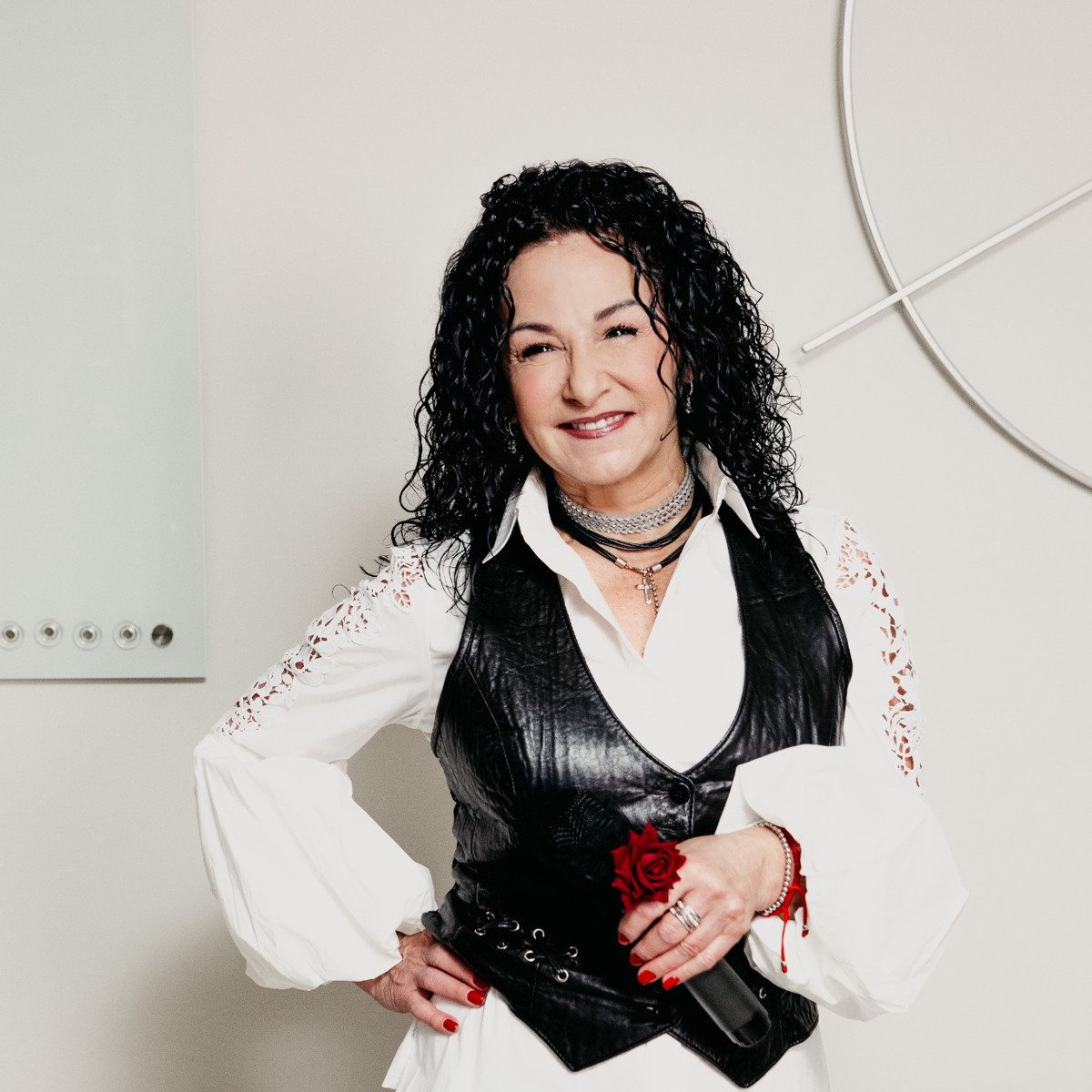
Founder of I-PPE™ & Speaker on the Human Side of Safety
Dina Fodero is a speaker, certified Enneagram Practitioner, and the creator of I-PPE™ (Invisible Personal Protective Essentials) and Dare to D.R.E.A.M.™ — a transformational framework focused on emotional and mental safety, human connection, and personal growth.
Grounded in the belief that “PPE protects the body… I-PPE protects the person,” her work explores the invisible internal factors that influence how people think, feel, communicate, lead, and thrive — especially within construction and other high-pressure environments.
With more than 20 years of experience in leadership, communication, education, and personal development, Dina creates experiences and conversations that help individuals and teams build confidence, belonging, resilience, and healthier workplace cultures from the inside out.
Through her D.R.E.A.M.™ framework — Desire, Relationships, Enneagram, Attitude, and Meaning — Dina introduces what she calls “the essentials”: the internal foundations that support emotional well-being, self-awareness, connection, allyship, and the courage to grow personally and professionally.
While her work has a strong focus on supporting women in construction, her message also honours the importance of human connection, mentorship, and allyship across teams — because stronger cultures are built together.