

 Apple Podcasts
 Spotify
 Amazon Music
 Youtube Music
 Goodpods
 iHeartRadio
 Deezer
 Castro
 Castbox
 PocketCasts
 Audible
 RSS Feed
 Human-Centered Construction Leadership: Moving Beyond the Industry’s Toughness Culture

Construction leadership development today requires more than toughness—it demands a human-centered approach to leading change.
In this episode of Activating Curiosity™, Ryan Ware sits down with Ed DeAngelis, CEO and Founder of EDA Contractors, to explore how trust, emotional intelligence, and curiosity are reshaping leadership in the construction industry.
As the AEC industry faces workforce challenges, change resistance, and increasing complexity, Ed shares why “humanity as a strategy” is not a soft skill—it’s a competitive advantage.
Together, they unpack how construction leaders can build psychological safety, strengthen culture, and create environments where people—and performance—improve together.
This conversation challenges the traditional “toughness” mindset in construction and offers a more effective path forward: one grounded in trust, self-awareness, and intentional leadership.
What you’ll learn:
- Why trust is the foundation of effective construction leadership
- How emotional intelligence improves team performance and retention
- Practical ways to build psychological safety on project teams
- Why resistance to change is often rooted in human experience
- How curiosity unlocks better leadership and business outcomes
Who this is for:
Construction leaders, executives, and AEC professionals focused on leadership development, culture, and leading change more effectively.
Chapters
02:10 - Entrepreneurial lessons from being a paperboy
07:01 - Industry roughness and the need for cultural change
12:14 - Balancing personal life and leadership growth
20:12 - Building trust through authentic connections
30:35 - Practices that foster curiosity and innovation
40:10 - The cost of neglecting humanity in business
47:59 - Redefining success beyond profit
Guest
Ed DeAngelis is Founder and CEO of EDA Contractors, a construction firm known for its people-first culture and innovative exterior envelope solutions.
With 25+ years of experience, Ed champions “Humanity as a Strategy,” integrating emotional intelligence, trust, and psychological safety into business performance and growth.
He serves on multiple industry and nonprofit boards and has been recognized as a Philadelphia Titan 100 CEO (2025) and one of the Philadelphia Business Journal’s Most Admired CEOs (2024).
https://info.edacontractors.com/ed-deangelis
Overcast Innovations
Helping project teams coordinate building systems earlier for more predictable outcomes.
New Lyfe Accounting
Free Diagnostic ($500 value) for Activating Curiosity Listeners by NLA, to help your financial goals
Helping construction leaders simplify change, strengthen trust, and move forward with clarity.
Disclaimer: This post contains affiliate links. If you make a purchase, I may receive a commission at no extra cost to you.
Have feedback or stories to share? Drop us a note or leave a VM—we’re listening!
Follow Ryan at the following:
https://www.linkedin.com/in/ryankware/
https://www.linkedin.com/company/connective-consulting-group-llc
https://connectiveconsultinggrp.com/
https://connective-coaching.com/
https://ryanware.me/
Don't miss out on future episodes! Follow & subscribe now to our newsletter and stay informed about the latest trends and insights in the construction industry.
If this show helps you, please consider supporting it. Just $3/month helps cover production and keeps the conversations going.
⭐ “Love the show? Toss some stars my way, it’s the easiest applause ever.
Ed
There's a lack of trust in the field versus the office. There is that they're coming from different socioeconomic situations. But when you touch them and you get them to say, look, you matter. Yes, you need to produce, you make a certain amount of money, you need to produce. Let's get those rules right out in the front. But beyond that, I'm going to treat you as a human being. And all I'm asking you to do is treat me back like a human being. And then let me strategically try to find ways to convince you because the fair the responsibility is on us, the management side. Because they've either learned it a different way or have been mistreated or mistrust. They don't trust you. So you have to work that much more to get them to trust you.
Ryan
And I'm excited about the conversation today because we get a chance to talk to someone who is leading a construction company that he was part of founding. And he is beginning to think about leadership and something that he's really taken on for quite a while about how we're really starting to address leadership and look at the industry different. And this conversation will probably go a lot of directions. I have Ed DeAngelis with me. He is the CEO and founder of EDA Contractors in Philadelphia. Hey Ed, how are you doing? Good, Ryan. Thank you for having me.
Ed
I appreciate the opportunity to have our conversation.
Ryan
Yeah, I'm looking forward to it. I have gotten a chance to see a lot of the things that you've been working on, and I want you to share it. I definitely don't want to take that away from you. But before we dive into the episode, just tell a little bit about yourself, kind of how you got started uh into your career and kind of started getting into leading a construction company.
Ed
You know, it's it's probably the age-old story of how I got into it. But my father actually was um HVAC contractor. So while I was growing up, I think that was something that I saw he was in the construction business. But I always like to start with, Ryan, with I think one of my biggest impacts of my life were I was a paper boy. So in in Northeast Philadelphia, you would grab a cart, you'd get papers in it, and you would deliver them. And the reason I say that is there was something entrepreneurial about that back then, where you would get as many papers as you could, you would deliver them, you had customer service, you had collections, you had managing the money, you had profit and loss, you had you had so many different things. I dealt with adults because back in the back when I was, back in the day, you would pay for your papers, your bill, and then you would go sell them, and then you know, then you would go collect, which is your collections. So the reason I I start there is because I think people always say, How'd you get in construction? Well, my dad happened to be in construction, and then I think there was a an entrepreneurial spirit in me. So then I went to college, I went to high school, I went to college, I got done college, got some offers to work in marketing and things of that sort because I went for a degree in marketing, and I really fell into construction again. I think I was I felt comfortable in that place and and decided this to go work for someone for about 10 years until 1999 when I uh decided to open up my own firm, which is uh now called DDA Contractors.
Ryan
I I love that story. I'm a little bit um a little bit excited to probably talk a lot about the paper boy side because um I grew up in the having a paper route, and I love how you just described it. If we had our own little business, you know, at the age of 11 or whatever, that's when I started. I was 11 or 12. Yeah, and you this this idea that you're going as an 11-year-old to try to sell a paper to somebody, but but also you might be in a debate about the collection side. Um, and I always tell everybody's like, I learned business from being a paperboy, so I love that you shared that because it's a lost uh thing in society now. Um you know, with the digital world, that that was an opportunity for people to really, as you said, become an entrepreneur.
Ed
Ryan I love here, I love talking to paper boys because and I and I'm telling you, because I had to wake up at five o'clock in the morning every day at that age. If I was late, they were screaming at me. I had people turning the lights off to collect $2. Like, you know, when I'm going up to collect, all of a sudden the lights go off, and I'm this seventh grader, sixth grader, seventh grader going, Hey, why are you not paying me? But you learn, and then you learn also how to be nice to people. So my tips were so much better because I learned that if I'm just kind to people, they reciprocate to me. And there was always the people who were difficult, but at the end of the day, 80% of them, if you treated them kindly, they treated me kindly. And I think that was a it was a real mark on my, I think, uh, growth to go where I am today.
Ryan
Yeah. Well, it's such a it's such a an important story, like you said, that kindness piece that remembering remembering that we're human, and in those moments, it's like, yes, I need to be kind. I'm a young, you're a young person. I remember that. It was like the amount of uh plants I I helped someone get in the ground to to they just needed someone to talk to as I was going around. So it it's a bit of humanity um that I think you you know, it's a it's a way for us as younger people to start to connect to others. And I I love that that you had that as a first job because I'm assuming that was that foundational piece as you got started. The marketing track is an interesting one as well because that's all about communication and how you're reaching out to people. And now you're coming back to kind of this this area in construction that you learn from, like you said, your father that kind of was in there. So, so Ed, as you as you got into construction, as you started to develop, was there something that you were noticing based off of you know your experiences, your life experiences, and as you're getting into leadership, was there something that you were noticing like like, hey, we're missing as a business or as an industry, and you just you felt that you needed to really get involved in?
Ed
Yes. You know, the the thing that I think, and and I, you know, it's so funny because Ryan, you'll appreciate this because you're a paper boy. I did always kind of reflect back. So when I got into construction, the thing that I noticed first was that there was such a roughness to it. And it was and it was it was actually a great honor to be rougher. It was people who rose up in the in the businesses were were a lot more gruff and I would say not, I wouldn't say mean. I would just say that they were it was rewarded for yelling and for doing things differently in that way. And I really felt like, you know what, I don't have that in me. I think I can be I can be demanding, and I was even when I was a paper boy, you know, I was demanding, even when I was working at the other place, I was demanding. But I said, you know what, there might be a different way to change this. I'm not saying that I changed it, but I said I looked around and I said, how can I be different? How can I see whatever industry you're in? How can I change this to be somewhat different? And the first thing I did was I would dress different nice. And and and I I go back to even schooling. When I was a kid in school, my parents would make sure my hair was combed, my tie was right, I went to a Catholic school, you know. And there was a sister, Naomi, I'll never forget her, because she was a fourth grade. She was the most frightening individual. I hope she's, God bless her. I hope she's passed so she doesn't hear this, not that she would. She was me. But ever, but she would praise me for being put together, like my hair was combed. And it impacted me. And I said, you know what? I can take this and say, you know, why do we have to dress like we are actually working on the jobs? Because I wasn't a physical worker like some of the amazing men and women that are out in the field. Like, I'm a business person. Let me see if I can address a certain way. And then it was also maybe I could just use the manners that my parents taught me and just say, please and thank you. And could you please do this? And is there any way you could, you know, there's a big difference. Now I'm a young person, so I'm really an apprentice, but I think I saw that the industry was male-dominated but and very rough and intimidating. And if I didn't have my father who was in the business, I don't know if I would have made it because I wouldn't have been scared to enter into this industry because it was so, you know, rough and tumble, but it was so huge and it was so interesting. And there were so many smart people that were building these amazing buildings, and the amount of time and effort and thought that goes in and work to do this, I was just fascinated that maybe there was another way to kind of bridge that gap.
Ryan
I think one of those areas that you just discussed is really that imagery, right? Whether it's personal imagery or it's the imagery of the industry and how somebody kind of is representing it. And like you said, it's taking pride in one's appearance, uh, whether it's a teacher that you remember that maybe uh wasn't as kind as could be, but in that moment you recognize like there was value in the way you were kind of presenting yourself uh as a young, you know, young person within the industry. Uh you mentioned this several times the roughness of the industry. And that it's imagery that is, you know, projected. And I've noticed it throughout my career as well. I came from the architecture side, and yet every time I stepped on the project, it was really that personality of the superintendent drove a lot of the way things were going to happen on to the project site. And superintendents have like a tremendous role to play in every aspect of building. And with all of the pressure and all of those things that go on. But I did notice, like, hey, that rough and tough, a lot of it came from it, it was to one up, it was almost like a one-up the next person to be even come off more tough than than the other person, or to be what seems sometimes rude and you know, angry or mean about something. Um, and I can't say that's holistic. I did not see that all the way through. There are definitely, you know, people within the trades that didn't come off that way. But I can see as a young person kind of trying to come in and see that image, you're not gonna last, you're not gonna want to last long in that environment. You're going to want to see that that environment evolve into like being more human as you're discussing. So let me ask you this. Then once you, once you went through that experience, once you saw that and you continued on in your career, how are you sort of stacking these life experiences into uh into the way you wanted to lead, into the type of leader you wanted to be, and how you were looking at it with your with your current team?
Ed
You know, you hit on it. I mean, look, the reality of it is I adapted in some ways also to do kind of like that, like to survive. So when I started my own business, I can't tell you that who I was then and who I am now are completely two different people. And I learned that I think the most important part for me was to understand that the people that I had to serve really were the human beings that worked for her for us. And this human being, probably in year six or seven, was grinding and pushing so hard and was so that I got to a point where I couldn't get off the floor. I had two little kids, I was struggling, I was successful, my business was booming, but I was pushing so hard, and I had a family that I cared for deeply, and it just kind of just came to a stop. And I didn't know it was coming, it just ha happened. So that personal experience said, you know what, it's because I'm fighting myself on being me. And and I think what I did then is I did a lot of research to understand, but I was petrified to lose the success of my business, and that transition that allowed me to go, you know what, I can do it differently and be successful. And and I can treat people, I you know, I talk about it now, humanity as a strategy. But the first person I was really talking to when I talk about humanity as a strategy was me. How do I treat myself better? Because I was a grinder, I was a paper boy, I was a soccer player, I I learned how to grind, I could work, outwork anybody, I felt. Like I was a real I wasn't the most talented, but I will always say that I could put the most effort out. But then I had to find that balance. And when that happened, and I did the research to say that there's other ways to do this business, so it wasn't just you know appearance, it was also about how are you going to treat your people. What strategy are you gonna have to help them have an experience by working with you that will make their lives better? Because I need to make my life better because my family was more important to me than my business, but my own health was more important to both because I couldn't do either if I didn't have my own health. And I think that put me on a road of then self-reflecting and understanding who I was, and that allowed me, it just opened up the whole world, that that myopic belief of how I'm gonna be in a business in construction and seeing these great leaders doing it a different way, one a way that I don't think I can do. Because it's not me. I go, can I let me let me go in this path? And I didn't have enough leaders in construction who were going down that path. So I had to go outside of the construction industry, go to Southwest Airlines, go to Zappos, and and read about these places and say, you know what? Construction is we can do that. If you can sell sneakers, if you can sell coffee, if you can, you know, like and you can and a rough business, I think we could do the same.
Ryan
I mean, it's powerful the to explain the life experience that you have of on one side everything from a perspective looks very, very successful. Yep. And on the other side, you as a human are struggling for balance. You're not feeling your authentic self. Like something has thrown you, you know, into an area of like, if I if I don't put my mask on first, I can't save anyone else next to me.
Ed
Yes.
Ryan
Uh, sort of approach. And I that self-awareness, right? That to have that self-awareness and that emotional kind of intelligence to be able to take a step back and pause for a moment, realizing that if I don't solve this for myself, I can't solve it for anyone else. But this is what might be the most costly and detrimental thing, not just for the business, but for my family and for myself. So I appreciate you sharing that because I think a lot of times we don't we don't share that kind of stuff in in construction um and the AEC industry as a whole, like we we might with our closest relationships, they might recognize it or show it. And I think one of those things that we as we work with developing leaders and wanting to become leaders, it's like, how much should you share with others, like when you are struggling? But if you can't be authentic self and not uh take that pause moment to step back and and analyze it, then you're you're not being true to them anyway. You're not being true to yourself, not being true to your team. So talk a little bit about then that you've you go through this moment then, and now you're you're you're studying, you're doing a lot of reading, self-reflection, you're trying to understand, like, hey, I don't have to be like others in the industry. I could still have success while feeling in balance. Um, and as you start to work with your company and with other leaders in your team, like, were there obstacles that you had for yourself, like in your own mind, as well as sort of obstacles and barriers that you sort of saw come up repeatedly as you were beginning this journey, this humanity, you know, humanity as a strategy approach to business and leading.
Ed
Look, Ryan, I always talk about this because look, I had to go on my self-journey. I mean, while I was doing it, I had to figure out who I, you know, how I wanted to do this and continue to move forward. Um, I did a I I read a tremendous amount. I never really read before this, but it just allowed me to kind of feel something different and just really get deep into reading and reading about businesses and reading real stories about people being able to do their business differently without giving up the success of the business that they had. So the biggest struggle was introducing this to my team at the time and them looking at me with like nine heads because they were like, What the hell are you talking about? Like, Ed, when are we gonna talk about the project? I said, We're not gonna talk about the project. We're gonna talk about creating values for our company. We're gonna talk about what a feel do we have, how are we gonna build this culture? Like, what is it gonna be? I want to work at a place that feels good, and you want to work at a place that feels good. This is a lot of hammer nail here. Yeah, but we're successful. I know, and that's great, but for how long and what what at what expense is that gonna be? And it took it took a lot of work. But to be fair to them, I'm introducing to them an idea that I've been really diving deep in. Like it was so personal to me. But it but once they once you educate people on a path like this, there's no human being on earth that when you tell them this path and you really explain to them and you take it from your heart and you do it from your head, and you can check it challenged and challenged and challenged, and you are committed to it, that you will not be able to convince them that their humanity, my humanity, and the people that work out there our humanity matters. And it doesn't mean we're soft, it doesn't mean that we're just gonna let no, it's gonna actually make us stronger. And it was so powerful to be at that point, and then to to take that to the field was a whole nother level that we're still on a journey of there's a lack of trust in the field versus the office. There is the they're coming from different socioeconomic situations, but when you touch them and you get them to say, look, you matter. Yes, you need to produce, you make a certain amount of money, you need to produce. Let's get those rules right out in the front. But beyond that, I'm gonna treat you as a human being. And all I'm asking you to do is treat me back like a human being. And then let me strategically try to find ways to convince you because the fair the responsibility is on us, the management side. Because they've either learned it a different way or have been mistreated or mistrust, they don't trust you. So you have to work that much more to get them to trust you. But I'm gonna tell you right now, when they trust you, they are the best people to be on your side. And they come in all different shapes and sizes. If I showed you some people who are emotionally intelligent, who breathe, who talk about their amygdala and talk about their brain and talk and with their six foot five, their tattoos, or there's a woman who's in the industry who now feels like she doesn't she belongs. And and that is one of the biggest things that we are missing in this industry. We are getting enough people to want to do what we do, and partly is because it can be somewhat intimidating. And I think that, and then, you know, and I will go into it, but and beyond that, we have an issue with mental health, suicides, and addiction in our industry. And if we don't do something to help stem that with the amount of danger. Work we're doing and help our people. I can't be successful without them. They can't be successful without me. Let's figure out a way to make that better.
Ryan
Yeah, I I completely agree. That is, I'm on a mission and connecting with people that are focused on that mental health side. As you said, it's so it's such a critical part, and we don't have to dive deeper, but if it's part of that humanity side, it's that recognition that humans are going through things. Like that's just it's just part of whom we are. And you started talking about neuroscience and kind of how our brains function. So I want to back up to that initial area of resistance. Something that you said I think is is powerful is you had as a leader self-recognition that I have a little bit of a head start in a in a curse of knowledge of I've been doing this a lot longer than they have and studying it, so it's not new to me, but to them it is. So it sounds like, you know, as you're going through this journey and bringing them kind of into this world, you had to understand you got to slow down, sort of go towards them. You're introducing new language that humans aren't recognizing yet. I mean, we we recognize it, but you even said this. It's that you're going from a rough, tough to I don't always like the term, you know, soft skills. I don't like it either. Right? It's not soft skills.
Ed
It's not the hardest skill we have is the those skills.
Ryan
Exactly. It's the it's the hardest one to to master, and it's the hardest one to um to recognize within ourselves. But once we do, like you said, things change. That experience that they're gonna go through, the way they're thinking about it, because it can't just be at the top, it can't be just executives, like to get the buy-in, and you said something powerful, trust. And that trust is gonna come through connection and opening up that space, and we could talk about psychological safety, that space to be human, that space for empathy, the space to allow for conversations. While even if the person is now opening up and having that conversation, the the leader, the management, the director, or whatever that level is, it may be the first time that they're still learning how to interact.
Ed
Yes in that form. Correct.
Ryan
So so when you when you started this process and you're talking about going from the office to the field, those mental roadblocks that kind of came in, that it was new, I've never seen it. You've you've you saw that, hey, I'm gonna slow down, open up psychological safe area for space and psychological safety, educate on that emotional, you know, emotional intelligence and what it means, and you shifted into this, this is actually not a soft skill, it is a very hard skill and something that is necessary. How have you thought about that as you're working through it within your own business, but as an industry as a whole, like the importance of us to solve it, because you already alluded to this, like we don't solve mental health, but if we don't make this industry have a perception that it's more attractive to the next generation, we're gonna have other issues. So talk a little bit about like how you're you're seeing the things that you're doing, the things that you're learning, learning that this can bring value if we can solve it as an entire industry.
Ed
You know, I think the most important asset, and I know you've everyone talks about it, the most important asset we have is human beings. It is the it's not one, it's one, it's one A, it's one B, it's one C, it's one B. AI is not going to replace human beings in any time soon because human beings will innovate, they will come up with things that you never thought. So, how do we get to a point where we can clear people's minds? And how do we get them to be clearer and fresher and more innovative in how they're doing things? And that goes from the bricklayer we have, or the you know, the person in the office, whether it's an estimator. So you also have to the the one, Ryan, one of the biggest things you have to recognize when you go on this journey is you're gonna lose people. Because there's gonna be people in there because the reason this is so not a soft skill is because you're gonna ask them to touch places in themselves that they don't want to touch. So they will resist and and push back on you. And they may be a good performer. And it has taken me a long time to continue. I've gotten more resilient in saying, look, I'm sorry. This is how we're gonna operate. You can't operate the old way. You're gonna have to start. I don't I don't mind if you say, I have to learn it. That's fine. You'll get some a lot of time to learn it, but you cannot resist it because the future of this industry, the future of this company is predicated on attracting a new level of talent that is younger. So your grandfather came into the business, he forced his son into the business, and then he forced. Well, that those days are kind of over. We need a new generation of people, and if we don't see them as complete individuals, I believe I should be able to compete against any industry to get the best talent into it because you can make a lot of money in this industry, whether you're good with your hands, whether you're good with your mind, there's a place for you here. You talked about mental health. You know, we have a program, you know, we call it uh EDA PAC for people who have mental health or drug addiction, and we and we want to guarantee them their job back if they self-diagnose. I only bring that up as to say you can't just hope it. You got to create programs to help people in, but you are gonna get resistance. So I I want to be very clear. You have to be resilient in the fact that you want this and you see that there's a tremendous upside, not just because you're a good person and that's what you want. There's a there's a there's a KPI here that is just it's just it's just it's just I can tell you, I mean, I'm a 450-person business. From the time we started this to now, it's exponentially grown because we keep getting the right people who want to be part of this. So for anyone out there who's listening, and you say, Well, does it work? I'm gonna tell you, it works. Is it hard? Yes. Do you at the top have to be committed to it? 100%.
Ryan
Well, I mean, you the last thing you kind of touched on was the cost, you know, there is a cost to not doing this, and they may think this is probably where the resistance side starts to come in for individuals who, you know, they didn't they didn't make this initial choice, right? They feel like, hey, leadership has made this choice for me, and now I'm in a what I kind of call a forced compliance area. And like you said, I you're you're providing the space to get to that, you know, willing participant, that they're seeing the value for themselves, for their teammates, um, the rest of the company and the business. And you've talked about how the business has become successful because of it, because you've slowed down to, and like you said, you may have to learn it. You're getting them to that willing participant piece. And those who feel that it's still forced compliance, like you said, you may, they may walk. They they may look at it like, I didn't choose this, I don't want it, I'm I'm going, I I don't have total control of it, so they move on. And you've been able to implement this and get people to a level of commitment where it's it's no longer new. It is it's just like it's like breathing. This thing has become more more of I'm guessing that people's level of curiosity has now opened about one another, about how to to think about the business and things like that. So since it's called Activating Curiosity, I always want to know is like creating a psychological safety. Like, how have you seen that innovation piece and curiosity sort of spark to also grow the business and grow your opportunities?
Ed
Uh you know what, like I said, it you know, you and you said a word that we do here. When we introduce breathing to our company, you know, so before every meeting of a group, we have to sit and do a breathing exercise for whoever's leading it, might take 30 seconds to a minute, might take a minute and a half, whatever it may be. And the reason I say that is to slow everybody down because then when they come in, the what I have seen is the ideas come from all different places. And I I see these amazing, and I always say the construction workers because I want to give them that's our largest group of employees, is our field employees. We're a unionized company. So there's this there's this built-in thought that they're loyal to the union and then they're you know loyal to us. And and we have great relationships with our unions because we say, look, man, I'm trying to take care of the people that are your members. It's a win-win for us. So what happens is the reason I say that is when I slow them down, when I tell them when they come running in from the field for a meeting, let's just sit here for a minute. Oh my God. They're like, it's just stupid, you know, in the beginning, like, what the hell are we doing? Like, you know, what are we supposed to sit in the in a in a seance sense or crossing our legs? No, man, just sit there. And you're running from a job that might add high stress, and that's the other thing. Job sites, if you've ever been on them, are very intense. There's time constraints that are amazing, there's safety things, there's stuff flying around on you. People are yelling still. There's a lot of stress. So when you come in, we want you to be your whole self here because the thing that we want is the brain. And you talk about curiosity. Once you get them to that point, they get curious and they say, Is this and the amount of times I have after we have taught them about the frontal lobe being hijacked, the amygdala, the amount of you see in their eyes go, that's why I am upset. And then it transcends, and that's the most important part, it transcends home. And as a business owner, if it bounces home and it gets better, it bounces back to the business, it gets better, bounces home, it gets better, business better, home better, business better. It's not like this is rocket science, but for some reason, there's been a resistance to it. So the curiosity that I've seen from the field people, after they get over the this is kind of dumb. And then we've got it to a point where you got guys sitting there with tats on their neck doing breathing like as good as anybody else. Once they see that, they go, Oh, okay, that really works. And they talk about emotional intelligence and they and they change. And instead of being so gruff, they're more you're thoughtful in how they they speak. But they're still, look, I only talk about this because I hate when people say the hard skills are the hiring environment and the soft skills are this. They're both hard. They're both hard. But I got to tell you, this is the harder one. So I find that most people are curious about they doubt it at first. They think it's some weird like hypnotism that we're gonna try to convince them to work for free. Uh, but that's not it. You know, and I say that only because the doubt is like you're gonna get, you know, we're gonna like somehow hypnotize you and you're not gonna be able to. But no, most of our training is about trying to help people find their true self and be curious about what makes them tick. You know, we go through personality traits and say you're green or you're orange or you're blue, and that's who you are. So you're being triggered because that is kind of how you are. So you have to understand it. And, you know, and I always talk about the movie Inside and Out from Pixar, and I say, if everybody could learn that, that yes, you have in there all those little beings, and you may be the one that your anger guy is super big, or your empathetic person, your sadness, just know who you are and then try to work through that. And what we've seen is the more they learn about that, the more powerful they can be.
Ryan
Yeah, you're providing again that space and and path to to gain their own self-awareness, to name their emotions and not have embarrassment by it. Like just recognize your own humanity, find your agency again in this moment. And as you're talking about, you know, getting into the to the neuroscience pieces about the parts of the brain, like when you open this up and you're curious, it's because you you you're in your highest level of cognitive state to explore. Like you're you're going from, oh, this is dumb or this is stupid into like this is what is it about this experience that I'm recognizing? What is it that is making me feel this way? What can I take from this moment? You're starting to change as a human, those questions that you're asking to open your mind that says, okay, like I find myself in this situation. This is what I've always done before. Has it paid off? What would have to be different for me to try A or B or some other answer that might enhance, you know, the project, my life? Like, like you said, I'm taking it home, I'm bringing it back. Um, because they're gaining a new skill to relearn about themselves, to question, to question things that they've always known to be true and try to understand if the situation's exactly the same. And I and I commend you on this this journey of like, we're going to slow down when there is so much noise all around us. Everyone is grabbing our attention, everyone is on a deadline. You know, projects are always under pressure. So that pressure will be there, but take the moment to pause, slow down, breathe. And you're creating that environment so that others see how others have stepped in before them and beginning to balance some of their daily lives. And I would say, like, what a lot of what you're doing too is helping, you know, as they're taking it home, families are experiencing different things. They're becoming the human that they've wanted to be for their family or for themselves or for their friends, and they're bringing that back into the workplace opposed to always feeling like we're all carrying all the burden and the weight. Right. And we have nowhere to release it. We have nowhere to talk about it. And, you know, I think you've you've started talking about this. Like the advantage, like it's why it's so important to do it, is for one ourselves to do it, for our teams to do it and our business and as the industry, that it helps accelerate the business to, you know, like you said, the KPIs, you know, profitability rates increase because transformational leadership is the transactions will continue to happen. But going back to the paper boy, yes, I'm going to be kind. I'm going to help this person because I see in that moment that's what they're needing. And then the sometime down the road it pays off or is returned. So what do you think the the flip side, right? If if someone isn't addressing this within their business, it takes so many of us to go build a building, right? And the success of one is usually the success of many, and we we help each other. So what would you what would you point out like the cost of not starting to address this as an industry if there is another you know counterpart of yours that's out there could be competitor, doesn't have to be that you're like, hey, if we don't solve it, here is the cost on your company. Here's the cost on you as a as a person. How does how does Ed think about that?
Ed
Yeah, I mean, look, obviously, when you when you embark on something, you think of, well, if I don't embark, embark on this, what is gonna be the outcome? And the way I see the outcome, and again, this is Ed D'Angelson, everybody has their own way of doing things, and I'm here to tell you a story about how I believe and how the research I've done. But I think what you're gonna see is, and I think you see it in the construction industry. Number one, your business is gonna get old so fast, and all of a sudden you don't have anybody to take it over, and you don't have anybody out because you haven't done anything to address what is a 2026 issue, not a 1975 issue. That is a critical piece of it. Number two is you fall behind technology so fast because you don't have enough um diverse thought process in your organization. Everybody's doing the same process over and over again. You've been successful at it, so I'm not here to say that's Trump, but Sears is no longer here. Blockbuster is no longer here. So don't think that construction businesses, and if you look around, they go away. And why do they go away sometimes? Because they don't try to innovate internally of what is gonna make them better. So this isn't really if you want your business to continue beyond even you, you should be, you have to be doing this because if not, it will die. There is just no other way for it to go. Like myself or you, Ryan, are gonna come along and clean your clock because you're gonna get stuck in the mud, and when you're down there for that long, and you you can't turn it over. This took me. I'm on a journey still. I'm not even close to being there. Like I'm I'm on a you know, 15-year journey, and I still have only touched 15% of what we really need to touch. So the cost is your business. In addition to the industry, if we as an industry don't start thinking differently, we're gonna get some, yeah. I don't think robots can replace us altogether, you know, especially in my lifetime for sure. But yes, I'm gonna use robots in some ways to help help me get more efficient because I have to compete in the world. So because Ed DeAngelis's and Ryan's are gonna be doing it, and then they're gonna be shooting ahead of me. So if you want to catch up, and they say, no, I'm gonna keep going the other way. Well, tell me something in the history of life that they've been doing the same since the start of time. Nothing. You know what? The only thing that has changed is the people and how we give them agency, how we provide them their own ability to perform and give them the type of things that they need. And if your organization isn't thinking about that, if you don't have a strategy for your humans, if that's humanity as a strategy, if you don't have a strategy for that, you're gonna get left behind. That's a warning. You're gonna get left behind because again, I use those little examples that everybody knows because you will become a blockbuster and it happens in a minute. I mean, I'm old enough to remember that every Friday night I'm going to the blockbuster, either with my wife or my kids or whatever. And then within it felt like one second, that was over. Well, construction, yes, it's the same bricks being put in, but it's not. You are an architect, they're all it's different, and you need the people, and you need it, and and you need, I still need it's very important that businesses appreciate the value of a seasoned person who has a different mindset. Because I need that young person who has a different mindset to understand that those people have a massive amount of value. And I need to somehow get both of them to want to help each other. Because when you meld that experienced, seasoned individual with that young person, and you can get them to get on the same wavelength, humanity. We're both humans in different parts of our life, but we can help each other. Wow, you you you got yourself one heck of a recipe.
Ryan
Yeah, I think we've, you know, you said you said a lot of things there, but I think we've forgotten how to question why we know something and where we learned it. Because you talked about, you know, one, you talked about, hey, the biggest risk is the legacy of what you're building right now may disappear. Two, by not taking that step back and understanding like. That's irrelevancy, right? Like if you you become irrelevant if if your business no longer exists and time moves on. But if we stop and we slow down and and we think like, okay, like situation has changed. How did I learn this? Where did I learn it from? Like you said, it's not 1975 anymore. It's things are happening at a much faster pace now. The acceleration of change is all around us. And it can feel very uncomfortable as a human. And I think as you're describing, for a lot of people who don't want to release something that they've always known, they fear maybe irrelevancy. They fear, like, or maybe have the feeling of I'm embarrassed because I don't know this new thing. So I'm going to hold, I'm going to hold on to what got me here. And there's a, you know, an old story, I think I've read several different ways, but it's the idea that you build a raft to get across the stream one day and then you get into the forest the next, and the raft's going to kill you. And sometimes we have to have that pause, like you're providing for your team, to start to back up and say, like, if we hold on to all of these things and don't go into our gaining our curiosity and asking different questions about like what has changed about this situation that we find ourselves in, that the tools we have are no longer valid, does not devalue what got us here. It does not take that and say it you were wrong or it was always wrong. No, that's not the case. Like you're saying, it is today's situation requires us to think about our businesses for longevity and legacies we want to leave behind for that as well as the industry. It's that curiosity to look at technology as something that can accelerate, you know, the business, ourselves, but it's not making me lose my agency. It's not taking that away from me. I still get to be the validator of the information and putting it in place. So I'm glad you shared a lot of that because I think it's just it's it's one of those things that we all feel like any change in the business is a is a disruption. It is adding cost to and time to what I need to do on a daily basis. So therefore, I'll do it when I have more time. And and you're saying like you got to pause. You want to, you got at some point the pause happens. At some point, the recognition happens. The work's still going, and we're going to change the wheels on this bus as we're going down the road. Um, and we're going to do it together. Because I like, I like how you're saying it. I'm on a journey. Yes. Because because you're, you know, I think you're pointing out what what a lot of people will think with change is like it's an event. Like it happens once. And it it's automatic and it's happening. Well, no. Like any change is a journey, it's an experience, it's a process. So powerful, powerful stuff that you're talking about from your side and your business and the work you're doing, looking at it as humanity, as a strategy, and how you know your mentoring and coaching and that servant kind of leadership and the transformational piece is such a critical part to share that story. So I'm appreciative of that. But I want you to take take a step back and say, you know, from your vantage point, then, you know, you're continuing through the journey, it's going on, and you're thinking about the legacy you want to leave not just for yourself, your business, for your team members, and the industry. Um what do you think success looks like?
Ed
You know, I look, I I get asked this question many times, and I I I'm for me, it's very, very important that success looks like business success is a place where you can provide an opportunity for someone to provide for themselves and their family. You have that for yourself, and that they say that their experience at your business allowed them to be a better human being. That they feel like they got more than just the check. They feel like they they were better as people. And I want to my legacy, I want to leave, is I want to say that by meeting me and being part of my business, you felt that success. That it wasn't one success, it wasn't just money, but it has to be money. You have to provide people an opportunity to to feed themselves and give themselves a good, but that's not the only thing. That there's more to it. And I think success looks like that. And I think we've seen over time that success is fleeting when it is only measured in size of your company or money. It's fleeting, it doesn't have the same legacy power than connecting with people, being curious about a human being, and being curious about how they tick, and being curious about how to sob that. And that's why I always say it's a strategy and strategically, and that will leave a legacy. And that's what to me what success looks like. You're gonna have years that you make a lot of money, and you're gonna have years that you don't. Those things are gonna come and go. But what, and you're gonna have people come and go. But at the end of the day, if the experience is that they feel like they got more than just the check, you know. I used to hear this a lot from my old bosses. Look, man, I give you a job. Okay, and now I'm supposed to be so appreciative and be subservient to this individual because they gave me a job. Well, no, I I think legacy and success looks like we agree that you gave me a job, but we also agree that we're gonna build this relationship within with each other. You're gonna have a relationship with your company, you're gonna have a relationship with your people. What type of relationship do you want to have? It's okay if you want to have a transactional relationship only. That's fine. That's your way. That's the you know, in our area, that's the 7-Eleven of how you're gonna get food and stuff. But in our area, there's another convenience store that does it where it's a different experience. I don't I want to leave the legacy. Success to me looks like I didn't feel like it was a transaction. I felt like it was a partnership. I felt like we we built something with each other, and no one was that that much higher. It was just we were all part, we were all little specks in the building of this thing. And I think if we can all think that to me, that's what success really, really looks like. Yeah, I know I'm the CEO and I know that I'm at this level, but the real success for me is to feel that the people feel like this is this this this means something to me. This is important to me. My job is not just important to me for my for paying, it's important to my mental health. It's important to give me some peace and some differentiating from life's struggles. We all have to deal with the struggles of life. There's there's things that happen that are really bad in people's lives and really good in their lives. And sometimes work could be a uh you know, respite for some of the struggles. So don't make this so difficult because it is already a little bit difficult, but it's different. So that's what I think success looks like. You know, I I know it's a long answer, but it's it's the type of answer that I think is what success would mean to me for sure.
Ryan
Yeah. Well, I mean, it's it's it's your story, right? But you've made it more than your story. It's I I think back to what you first kind of said is remembering uh the teacher who had an impact on you. And it hasn't left you. It's been a part of like how you present and represent yourself in your life. And when you have, even if that teacher was a little bit mean, um, and you're and you in your life now, you're saying, hey, whether they're here until I'm retired or the business, or you know, they move on somewhere else, but just making that personal, that personal experience for everybody that's on your team, no matter at what point that they they move on or they're there till they're retired, that they remember these moments, that they've had uh a more balanced, successful experience in life while also doing something for a construction company and going out and building things for the rest of us, the rest of humanity that that we that we exist with. So it's I think it's powerful. I think it's again, it is your story.
Ed
It doesn't have to be it is my story, but the reason I you know, uh let me tell you a story, Ryan, a two quick story. A guy that worked here, he was in our shop, he was one of our fabricators, he was an older gentleman. We the long story how he got here. Anyway, it turns out at one point he gets esophageal cancer, but we we figure out a way to keep him employed so he can work here to to kind of work through it. I mean, I don't want to say that he did he did jobs, he he did work, but that's not the part of it. He eventually sadly passed. And and it's still it's still it touches me to this point. At his funeral, under his suit, he wore his EDA, he wanted his EDA shirt to be on under his suit. It gives me chills thinking about it because it's it's such a thank you. So when you ask what a success look like, that to me is success. You know, we had another woman who was fighting breast cancer. She was she was a wife of one of our members, and I happened to just write her a card. And in the card, I wrote breathe. When you're in struggles, just try to breathe. So she gets a tattoo on her after she she fights it and she wins, and she puts breathe on it. That's what success looks like. So if you want to make an impact, if you strategically are working on it, the give back, the reciprocal nature of what we're doing here, what I get back is a hundred times more than what I'm really putting in. And I only tell you those two stories because they're the type of stories where you go, it goes way beyond the transaction. Right. Way beyond. And you go, well, and I'm not so amazing. I'm not Mother Teresa, I'm not saving the world, I'm just a contractor who is doing the best he can, who is running a business. But the people who are in this organization, we can extend ourselves beyond that. And then then success looks like it's a it's a win-win for all of us. And I feel strongly about creating a win-win. I want to win. I want us to be successful. I have a responsibility to myself and this company to be profitable. We're for-profit business. There's nothing wrong with that. That's why I always put I put the word strategy in because sometimes we think of strategy as being not authentic. Right. But the reality of it is no, it's about me proactively thinking about how, not me, we, how to proactively think about how do we create a better experience for our human beings. And if those little things that we did, that little thing I did for that gentleman to put the shirt, it was minor. That thing I wrote to that woman, it took me three minutes. It cost me nothing to do it. But the payback was priceless.
Ryan
Yeah. And I I think what you're describing is that this doesn't have to be an or situation. You don't have to be a successful business that has a great, healthy bottom line in foregoing this humanity piece. They can both coexist in this space. They can coexist as a business and as a human. And we don't have to let it be a battle about which one's going to win. And and I think one of those areas is usually the business is potentially struggling because we haven't dealt with the humans. We haven't thought about that humanity piece like you're describing, to figure out what's going on in their lives. Um, because you know, we'll often go fix a piece of machinery or something that's broken. But when it comes to the humans, we tend to forget to take care of them, whether it's our own self or as a team. So I I'm really glad we had the chance to to meet and kind of talk through this. I love the humanity as a strategy. It so kind of aligns with why I wanted to really start a my journey with the podcast and get to meet a lot of individuals around the country as well as the globe of what they're doing and how they're really advancing the industry. And I've had other conversations with those that are, you know, doing similar work to you in this area, but everybody goes through their journey. And it's just the more we can elevate those voices to help other people who are listening to recognize it, I'm appreciative that you're willing to tell it. And that I'm sure, as you just described in the stories, like those, those weren't huge investments of time that we all think we don't have enough of. But they were so impactful through through the journey of the gentleman and how and why he made the choice he did to wear the shirt to to the tattoo, right? Like those are the things that we're going to remember, those pieces of humanity that we can all connect with, that we can all pause and breathe and take a moment to to experience and not push it aside. So 100%. So with that, then you know, if there's if someone's listening and you've you've gone again, you're in this journey. You're it's not over, you're still going through it. But like you mentioned you started reading some things, but like if people are interested in some of the work you're doing or like that first step that you think would be helpful for them to start to start to do, like what are some recommendations you might have?
Ed
Yeah, I mean, look, if I write a lot about this, I really feel power, I feel almost an obligation to get a different voice out there when it it relates to how to be a great, how to be a good leader. Meaning, you know, the this this win-win, this humanity as a strategy, it's really important. You know, first thing, visit my LinkedIn page. I we have a lot of articles on there, a lot of things that I write. You know, I really like to present that as something that they can find out. You know, I I the only recommendation, you know, I get book recommendations, I give a lot of different recommendations to help you on on their journey, and they can reach out to me. I am I am fortunate to be in the position I'm in. If I can and my job at this point is to give away as much as I can. Because I think the only way for things to continue to move forward is whatever I learned, I would like to give back. Now, that doesn't mean you have to say, you don't have to take it, but I would like to give it, give it back. So if they if they anyone wants to contact me, you know, go through my LinkedIn page. They can always get in touch with me. I'll always respond. You know, there may be some things I can't do and what I can't do. I can't tell people what to do. I can only tell them what I did. And I only could tell them how it's helped me. And then they have to go on their own journey. This is very a personal, whatever you're whatever you're doing. You have to be, but you have to be curious about what other people said. I was very curious about other people. I read about them, I read deeply about them, not in my industry, in anything. Politics, history of our country, uh psychological, mental health, neuroscience. You know, I could go through the books that I read. So I'm just trying to go on my own curious journey to help myself be better and just make sure that that's it. So I would say just try to follow me because I'm always going to be talking about something.
Ryan
Yeah. Well, we definitely will share all of the links to all the work you're doing and and the you know, within the business and the articles that you're sharing. Definitely take a take a look at that. I I do see a lot of things that are being shared, and I think they are they're impactful. And I'm I'm appreciative, you know, as someone out here who we've not had a chance to meet, just finding and connecting with leaders, having this human experience that we're having. I love that you said it is a journey. I think, I think that's what we all forget. We just forget to be in the moment, to find the presence. Like, Ed, if you could find the time to slow down and read a bunch of books and study, I feel like all of us should be able to activate that curiosity enough to go pick up a book once in a while. So I guess I would, you know, remind listeners like if you find yourself in that moment where you're like, I'm overwhelmed, I don't have time to do this, I don't have time to do that, like that's that is the moment to pause because you have to be able to get into that uh that area where you can explore for yourself as we've been discussing what's going to be the most impactful next step, because spinning isn't the answer. Spiraling uh out of control as a human sometimes is not the answer. So I appreciate that you had you spent some time with me, Ed. And again, I will share all of your information. Thank you for sharing your story. Thanks for you know the having the conversation on the paper out. Um it makes me feel it makes me reflect on my own life a little bit. So it's always fun to talk about. But thanks for being a part of part of Activating Curiosity.
Ed
Well, Ryan, thank you. It was an enjoyable conversation. I think you're on a on a good journey of, you know, I think activating curiosity is really about putting you get one life and you're on a journey. And if you don't activate your own curiosity, you're really gonna you're gonna wake up and be like me and you'll be 57. So activate your curiosity. Thank you for giving me the opportunity to share my own story. And I hope everyone enjoys it and keep doing what you're doing.
Ryan
Yeah. Thanks again. Thank you. So that was the episode with Ed DeAngelis, who is the CEO and founder of EDA contractors based out of Philadelphia. And I know we've had a lot of discussions with people who are starting technology companies where they work for large associations, but being able to start to bring in leaders who are, as Ed described, going through their own journey to understand themselves better, but building a strategy that is based on that, you know, the humanity as a strategy approach, to slowing it down, to taking the pause to get his office and his leaders within the office to understand it. He's recognizing that this is new to them and they they don't fully understand it. So I need to stop. I need to pause, I need to provide that psychological safety to get them, you know, to buy in, but to become willing participants. So I wanted to share someone else's story. And I've been seeing a lot of the work they're doing and just felt like for listeners, again, it's not an or. Your business is there because of the humans within it, and that we can change our own mindset around what it means to think about culture as construction companies, as construction employees, as individuals. We can name our emotions. We can, as he mentioned, the the inside and out movie is an excellent way to sort of discuss how our emotions often show up. But when we pause as teams, when we name it and we're given the space to explore and to question things and to open that curiosity, he said it. That's when your business really starts to take off. That is that transformational piece. It's the transactions happen, but the transformational side of leadership and the business transforming and the culture shifting into more of a humanity as a strategy, that's powerful. That's where we get to advance this industry. And it starts to change the perception that others have, and that imagery that we've seen starts to change so that next generations want to come in. That's a powerful legacy to start to think about. So I hope everyone enjoyed the conversation. I hope that everyone is is continuing to to look at those things that they're facing on a daily basis. They're pausing, they're stopping, they're they're reflecting and they're gaining more self-awareness to help themselves move and drive and lead change in the construction industry. I hope you're also able to continue to activate curiosity within yourself and activating curiosity within others. The Activating Curiosity podcast is brought to you by Connective Consulting Group and Connective Coaching. Part of the Curiosity Building Experiences. If you enjoyed today's episode, don't forget to subscribe so you'll never miss a conversation. Share the podcast with your network and help us bring more curiosity into the construction industry. Interested in becoming a guest or a sponsor? Visit us at activatingcuriosity.com for more details. Until next time, keep leading with curiosity.
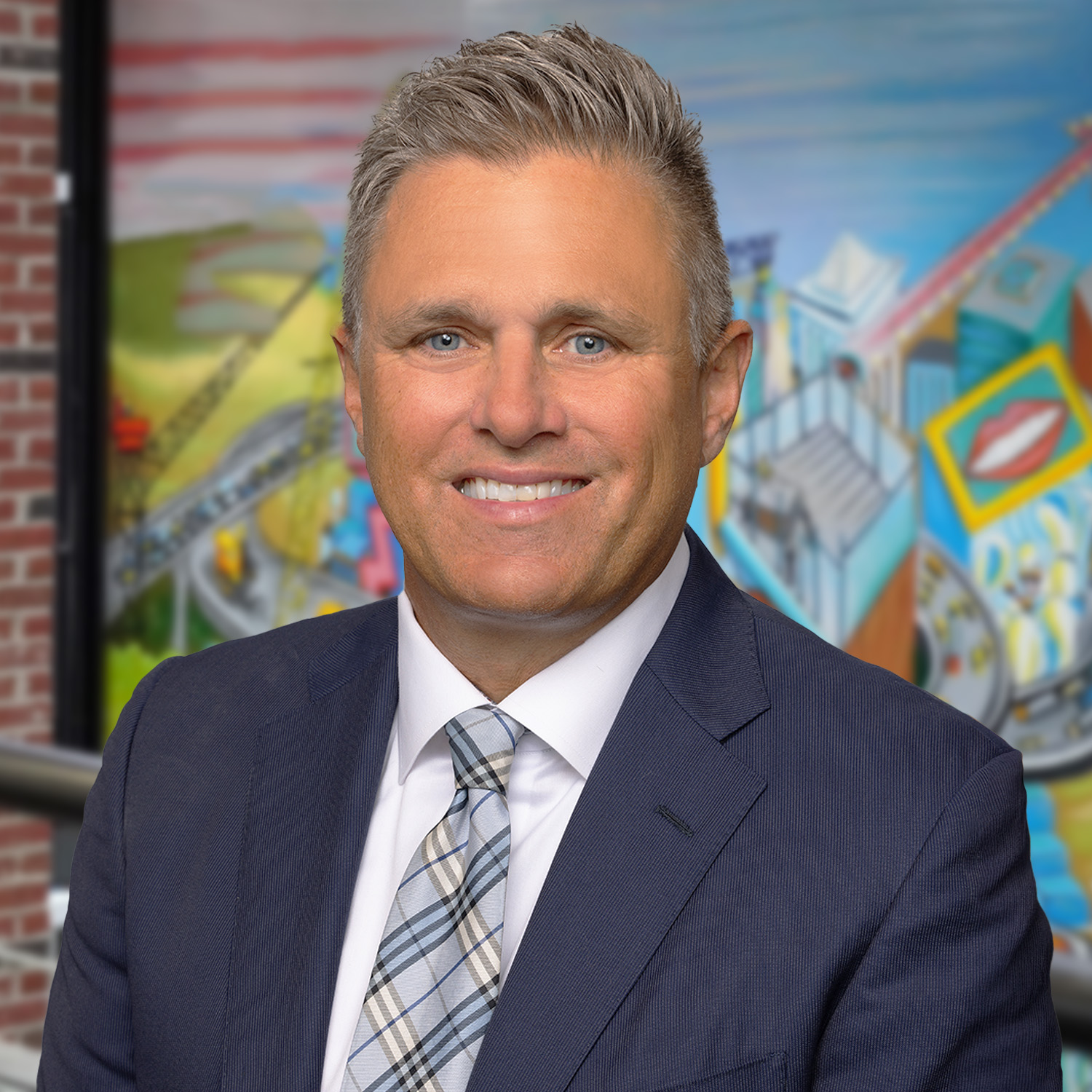
Founder & CEO
Ed DeAngelis is a recognized thought leader in emotionally intelligent leadership and organizational culture. He champions the idea of using humanity as a strategy, a philosophy shaped by his more than 25-year career as Founder and CEO of EDA Contractors, where he built a people-first culture and transformed the company into a leader in exterior envelope solutions. Ed serves on the boards of the Associated Construction Contractors of New Jersey, the General Building Contractors Association, the Roofing Contractors Association, Make-A-Wish Philadelphia, Delaware & Susquehanna Valley, and Turning Points for Children. His leadership has earned recognition as one of Philadelphia’s Top 100 CEOs and C-Level Executives by Titan 100 in 2025 and as one of the Philadelphia Business Journal’s Most Admired CEOs in 2024.
GET TO KNOW ED DEANGELIS AND HIS HUMANITY AS A STRATEGY LEADERSHIP ADVOCACY: EDA has done so in a way that’s unique to the construction industry, with a focus on workplace culture, emotional intelligence, and psychological safety as a driving force for business growth.
PSYCHOLOGICAL SAFETY IN A WORKPLACE EXPERIENCE: EDA has made psychological safety a priority, and the positive impact of this has shown in the company – seven years in a row – being named a ‘Top Workplaces” organization, recognized for its culture and commitment to employee mental health and safety. Ed speaks of humanity as a strategy in construction - and beyond! Visit HumanityAsAStrategy.com.