

 Apple Podcasts
 Spotify
 Amazon Music
 Youtube Music
 Goodpods
 iHeartRadio
 Deezer
 Castro
 Castbox
 PocketCasts
 Audible
 RSS Feed
 Everyone Wants Skilled Workers. Who Is Willing to Develop Them?

Key Takeaways
- Waiting for experienced journey-level workers is a short-game strategy that no longer works in an industry where five people are leaving for every one entering.
- Contractors must view training and workforce development as a strategic business investment rather than an overhead expense.
- A background in education and hands-on trades reveals that traditional four-year degrees are not the only path to success and long-term career fulfillment.
- Creating stackable credentials and micro-credentials allows workers to build a documented portfolio of skills and clear pathways to leadership roles like superintendents and business owners.
- Investing in people and providing continuous training directly impacts project safety, reduces rework, and dramatically improves company culture.
Construction needs skilled workers. But if every contractor is looking for people who are already trained and experienced, who is developing the people the industry will need next?
Jennifer Wilkerson, Vice President of Innovation and Advancement at the National Center for Construction Education and Research (NCCER), joins Ryan Ware to explore why training and developing people has become a strategic issue for the construction industry.
Jennifer brings a unique perspective to the conversation. Before joining NCCER more than 16 years ago, she spent 13 years teaching high school English and six years helping run the welding and fabrication company she and her husband founded. That combination of education, construction, and workforce development shapes how she thinks about the people entering the industry and the opportunities we create for them.
Ryan and Jennifer challenge the “short game” of waiting for experienced, journey-level workers to appear. They explore what changes when contractors take a more active role in developing talent, why training should be viewed as an investment rather than simply an expense, and how credentials and career pathways can help people see a future for themselves in construction.
The conversation also challenges assumptions about the skilled trades and the idea that a four-year degree is the primary path to success. From high school programs and apprenticeships to foreman, superintendent, business ownership, and the C-suite, Jennifer makes the case for creating more ways for people to enter, grow, and build meaningful careers in the industry.
In this episode:
- Why waiting for journey-level workers is the “short game”
- Why training is becoming a strategic business investment
- How contractors can help develop the talent they need
- What credentials and career pathways mean to skilled workers
- Why perceptions of the skilled trades still need to change
- What construction risks when it fails to develop the next generation
Chapters
00:00 Why Construction Needs a Stronger Talent Pipeline
01:16 Meet Jennifer Wilkerson
03:29 From the Classroom to Construction
07:49 How the Four-Year Degree Became the Default Path
14:06 What Happens When People Find the Right Path
21:40 Why Construction Is Investing More in Training
23:39 The Short Game: Waiting for Skilled Workers
26:21 Where a Skilled-Trades Career Can Lead
30:27 What If You Train Them and They Leave?
32:50 Why People Pursue Training and Credentials
35:35 Investing in People Changes the Culture
39:00 Why Solving the Talent Problem Matters
44:19 Construction’s Role in Building the Next Generation
48:06 The Cost of Not Developing People
55:14 What Success Looks Like
59:25 How Construction Leaders Can Get Involved
1:02:26 Resources from NCCER
1:04:14 Developing the Next Generation
Guest
Jennifer Wilkerson is the Vice President of Innovation and Advancement at the National Center for Construction Education and Research (NCCER). Her background includes teaching high school English for 13 years and serving as the acting business manager for six years at the welding and fabrication company she and her husband founded and owned.
Jennifer has been at NCCER for more than 16 years, working across multiple departments and positions. She actively presents on workforce development issues and resources, construction career pathways, industry-education partnerships, women in construction, and recruitment into the construction industry.
Connect with Jennifer and NCCER
https://www.nccer.org/
Overcast Innovations
Helping project teams coordinate building systems earlier for more predictable outcomes.
New Lyfe Accounting
Free Diagnostic ($500 value) for Activating Curiosity Listeners by NLA, to help your financial goals
Connective Consulting Group
Helping construction leaders simplify change, strengthen trust, and move forward with clarity.
Disclaimer: This post contains affiliate links. If you make a purchase, I may receive a commission at no extra cost to you.
Have feedback or stories to share? Drop us a note or leave a VM—we’re listening!
Follow Ryan at the following:
https://www.linkedin.com/in/ryankware/
https://www.linkedin.com/company/connective-consulting-group-llc
https://connectiveconsultinggrp.com/
https://connective-coaching.com/
https://ryanware.me/
Don't miss out on future episodes! Follow & subscribe now to our newsletter and stay informed about the latest trends and insights in the construction industry.
If this show helps you, please consider supporting it. Just $3/month helps cover production and keeps the conversations going.
⭐ “Love the show? Toss some stars my way, it’s the easiest applause ever.
Frequently Asked Questions
Who is Jennifer Wilkerson?
Jennifer Wilkerson is the Vice President of Innovation and Advancement at the National Center for Construction Education and Research (NCCER), bringing a background in high school education and trade business management.
What is the primary mission of NCCER?
NCCER aims to develop standardized construction education, curricula, and credentialing systems that create clear career pathways and elevate the image of the skilled trades.
Why is waiting for journey-level workers considered a short game?
Relying strictly on experienced hires fails because the average craft professional age is rising and demand for projects far exceeds the available supply of trained labor, making internal talent development essential.
What career opportunities exist beyond entry-level skilled trades?
Skilled trades professionals can advance to become foremen, superintendents, business owners, and C-suite executives, proving that the trades offer limitless leadership opportunities.
Jennifer
No child left behind, and we're not supposed to leave. We left everybody, we left 80% of the population behind because we said if you're not a good test taker, if you're not a good test taker, there's a problem and we're just gonna hold you back until you can learn to take a test. There is no way for us to build the things that we need to build without us starting to build our talent pipelines. Productivity increases by six to 18 months for those that are trained compared to those who are not trained. We can talk about decreases in rework, increases in safety. You can be a foreman, a superintendent, you can own your own business, you can be in the C-suite. There's so much opportunity. The doctors aren't the ones owning the hospitals, the teachers aren't owning the schools, but guess what the skilled trades are doing? They're owning the businesses and running the businesses.
Ryan
And as usual, I appreciate all of the listeners, all of you that are sharing with your network, continue to help us understand the kind of conversations that you are looking for in order to help your training, your development, your curiosity getting sparked by having the conversations like we're about to have today, as well as following us on YouTube at ActivatingCuriosity or visiting activatingcuriosity.com or find us wherever you get your podcasts. So today's conversation, I'm I'm looking forward to this because I've gotten to follow this individual over some time on LinkedIn as usual, getting to see her interaction with the construction industry and understanding more about her approach, uh, working with a large organization to help individuals within the construction industry, but from an interesting background and kind of getting into the industry. But before I tell any more about her background, today I have Jennifer Wilkerson. She is the VP of Innovation and Advancement with the National Center for Construction, Education, and Research. Hey, Jennifer, how are you?
Jennifer
I'm doing great, Ryan. Thanks for having me.
Ryan
Yeah, I'm I'm looking forward to it, Jennifer. I think some of the posts that you put out, it really just starts to dive into that human piece of the industry that I think we sometimes have lost track of. And I think for a lot of those humans that are in the industry, it's it's developed sort of a culture that we're all aiming to try to improve for the next generation, but also for those who are currently working within it. So before we dive into the episode, let's take a step back because I know your background did not start there in construction. And I think it's just you're going to bring some interesting perspectives that are very, based off of your background, very human-focused. So before we dive in, just tell a little bit about um kind of how how you got started in your career and and kind of what led you to this path with the uh National Center for Instruction, Education and Research.
Jennifer
Absolutely sure. So I um I was an English teacher for 13 years. And so when I went to college, was going to college to be an English teacher, my husband was going to an apprenticeship program to be a welder. So kind of started out there with a little bit of construction in, you know, knowing about it, being exposed to the construction industry. But then the other thing that happened with me is I taught English through the years and seeing so many young people that their pathway wasn't necessarily what everybody thought it should be. And maybe they didn't excel at the things that our traditional education system believes should be the accelerants to a successful career. I always wondered why we didn't do more to encourage students to follow their dreams and what they're good at, because a lot of people have naturally born talents. But in this process, so I teach high school, uh, then in the meantime, my husband not only did his apprenticeship, but then he started his own business. And so then I went to work for our business in a welding fabrication shop, doing the office management, even doing uh materials, takeoffs, and things like that. And then in 2009, when the economy kind of went bust and construction wasn't necessarily the place to be, and certainly not just being self-employed, both of us, I found this incredible opportunity to work in product development at this construction education foundation, which I knew nothing about. I was like totally shocked that there was this incredible organization that was developing curriculum and credentials for the construction, for the skilled trades. And so I uh came and took an editing test, and by all totally surprised me, it was actually welding plans that I had to do my first test on. And I was like, I know this, so I felt like this is the place I'm supposed to be, education and construction. And I've been here, it'll be 17 years in November.
Ryan
17 years, yeah. That's such an interesting kind of path into the relationship of construction. I know from a teacher's point of view, right? Like there's a whole classroom, and you you might have 30 people sitting in a classroom, but you're seeing what, five at least uh classes a day, if not, if not more. And spending 13 years, like you were watching a pattern happen. We'll talk it within the United States, but it I know that I saw it kind of coming up through school, is this pattern of like where what we thought we were supposed to be going and doing when we were 18, and where we've some people were, you know, I'm I'm driven in this direction and I want to go do this, and others who were just, I'm not sure. Like at 18, how am I supposed to know what what I'm good at, where my passion lies, what my purpose might be. But you were, you were saying, look, I'm seeing this from a from a teachings perspective, and then obviously with your husband and kind of going into the to the business of construction, you have translated from classroom setting into understanding and seeing how individuals work within a construction business to now coming in and saying, hey, I'm looking at it from a training perspective, an educational piece, and and the curriculum that's required in order to advance individuals into their into their profession. So I think it's just again, it's like unique. I mean, English teachers, uh look, I was terrible uh at English. Um writing was, I mean, I'm still, it's like, am I a good writer? Am I not trying to figure those things out? That is a that is a unique jump into this profession, but I think there is a lot of ties because that human piece that we're always in constant learning and we should be in constant investment in oneself. So here you are, you find yourself, you know, after 13 years of teaching, working in uh construction, 17 years with uh the NCCER. Talk a little bit more about what the problem is that the NCCER is is aiming to solve, and especially in your role here at innovation and advancement and bringing your curriculum background.
Jennifer
You know, there's there's multiple things we're trying to solve. I mean, at the, you know, if you go and you just think at the real base level, it's just this idea that there's only one pathway to success. And that pathway is a four-year degree, a bachelor's, whether it's a bachelor's or or maybe a master's or a doctorate degree. And what we've seen is if you if you really trace that back to after World War II with the GI Bill, which was a fantastic bill, absolutely have to do that. But what happened was that was for people to go get a four-year degree. So what we saw was a very industrial economy got really focused on, oh, that's what success is. You need to go to a four-year degree. And although, again, wonderful things have come out of that, four-year degree still very valuable, master's doctorate degree is very valuable. But what it did was it really narrowed the path and it left out a lot of people from that industrial side of our nation that knows how to make things and build things and design things. And we kind of left them behind. We kind of made this separation within our education system, and we continued that separation by saying, okay, we're gonna have AP classes and schools are gonna get additional funds for every student that passes an AP exam, an advanced place. And we went so far one direction that we kind of missed this other side. And the beauty of NCCR, and the reason I fell in love with it was because I watched my husband. I watched the program that he went to, I watched him work every day and then go to school for three hours at night. And the technical side, the science, the math, the things he was doing, I felt like, wow, like people are really underestimating the skills, the competency, the knowledge that people that go into the trades, the skilled trades, what they have to know, not just construction, that can be automotive, it can be a lot manufacturing, it can be a lot of different things. For us and our family, it was the skilled trades. But so NCCR, one of the things, you know, since the beginning in '96 has been trying to change this image and make it these pathways and these options, these options. People have options for successful careers, but then how do you bring that dignity of work? How do you bring the value? And so the beauty of NCCR is not only in the curriculum and the accreditation and the way that it has to be delivered, but it's there's credentials that recognize those people along the way. The ideas of micro-credentials and stackable credentials, everyone thinks is something new. We were doing those in 1996 when we were awarding people credentials along their pathway to say, now they've added this, and now they're going to take this next, you know, electrical. We're going to start here and we're going to learn bending conduit. We're going to learn electrical theory. We're going to learn safety. And you build up these portfolios and transcripts, if we want to use a word that so many people are familiar with, but we have to understand that's not just in a college setting, in a four-year, six-year, eight-year degree, whatever that might be.
Ryan
What you said at the beginning about the GI Bill and thinking back towards the second industrialized revolution and how we were changing post-World War II as a nation. But even globally, like everyone's, you know, my you know, generation that I'm from, like, hey, we're you're all going to go to college. I can think about school back in the 80s when I was there into the early 90s, and it, and it was like this pressure of like, you what, you're not in an AP class, what, you're not one of the smart kids, what you're not, you know, you're over here in drafting class or you're taking uh workshop or whatever you want to call it. And it was like, it just had this feel to it, like you were second class, like you're not sitting over getting all of the education you can to go get your your grants and everything that's required to go to Harvard or wherever. And I it was an image issue. And I I wanted, you know, I got trained to go be an architect, and I loved sitting and doing the drafting, but like I had to leave the main building. I had to walk up a hill to this industrialized building or whatever we called it, where shop was, where the mechanical, you know, and I get it. That's how it was built in the 60s. But we did a poor job and even thinking about no child left behind. We we left a lot of people behind in those moments because there was so much pressure on the educational system of you gotta meet this score to get this money to put the funding, you know, into the right, right place in order to make sure nobody got left behind. So I think what you're talking about is we all need to kind of step back and remember the history to understand like current state, like why are we where we are? Um, and how do we address that? And then when you were talking about like the curriculum and and the stacking, that is that is powerful from a human side, Jennifer. And I'm sure you've you've recognized this. It's like we see like how long it takes to get a degree or to get this or that. Like when you break it down in those little chunks of like achievement of getting this certificate or to that next level, like even if foundationally they do one and then shift, it's not like you've lost that. Like it's like like that that's still there. It's foundational to your training and to your learning. So I think that's a that's a big piece of it. What have you, you know, since you've been there 17 years, like how have you seen, you know, the human piece of this, you know, come back into play, right? From from an educational standpoint where someone, you know, I don't know if there's backstories there, but someone felt like they were left behind and suddenly there was an opportunity through C NCCER and the work that you were doing and how you're thinking about it to give them these opportunities to do something greater that they want to achieve.
Jennifer
Yeah, that's such a great point. There are so many stories. Like I remember specifically, there was a particular mother, and um, she was a marketing professional, had a great job. I believe that her husband was an attorney, and they had assumed their son was going to be an engineer. And he was in high school and he was in 10th grade, and they were really pushing to be an engineer. And he came home one day and he said, I want to take this welding class. And they were like, Why do you want to take a welding class? And I mean, and she's telling me the story. And she said, you know, he he didn't like school, so we thought, let's, this is something he wants to do. Let's let him add it to his schedule. Let's let him take the welding class. And she said to me, she said, literally, he was in the class for a month and he was eager to go to school. He was interested in what he was doing. She said he was doing better in math. She was like, she literally sat there and told me we had no idea. And we were just the only reason we were letting him put this in the schedule because we're like, well, at least there'll be something that he likes at school. I mean, try to do this. And then this young man ends up getting in welding, excels in welding, actually goes into it. And guess what he did years later? He went back and got an engineering degree. But he didn't do the engineering degree. You you made a really great point. What you said, Ryan, is the beautiful thing when you get into skilled trades is the sky's the limit. You don't have to stay there. There's like all these things that you learn from using your hands and your mind on a daily basis that builds this, again, your portfolio of skills. There's other people, you know, I think about the story that we've seen even for people that are incarcerated. So we get letters here. We got a fantastic letter one time, and it was from this iron worker. And he said, I was in the Wyndham School District, which is a prison system in Texas, and he said, I figured this is where I'm going to spend the rest of my life. I'm going to go in and out of prison. This is going to be it. He said, I found a program at this college for the skilled trades. I started, he started doing pipe fitting, some well, just different things there. And he ended up getting out. He got a job with a contractor. Ryan, he sent us a letter with pictures of all the different projects that he had been on. And he said, Thank you so much for making this pop. And I mean, I get chills talking about it today.
Ryan
I am.
Jennifer
But but that's you, you made such a good point when you said, you know, no child left behind and we're not supposed to leave. We left everybody, we left 80% of the population behind because we said, if you're not a good test taker, if you're not a good test taker, there's a problem, and we're just going to hold you back until you can learn to take a test. And when you can learn to take a test, we'll let you go forward. Well, when people, when, when young people especially see failure after failure and they don't see the bright spots, they don't have that class that they can excel in. They don't see, I am really good at this, that's that's not good for anybody. That's not good for anybody. And we we built the system around that. And it's it's a shame.
Ryan
I I was telling you before, like I I was not great in school. And it was because I didn't, I wasn't passionate about anything that we were talking about. But the second I, you know, found architecture, found drafting, and found like what I always wanted to do, like it was a different experience for me. And I think, I think back towards the standardized test in Ohio. And it was like, you like I was never going to graduate because I could not pass the writing test. And then I had to take a class. And it was like, it was like, oh, um, yeah, this isn't bad. Your writing isn't that bad. I remember her name, Mrs. Klein. And she goes, but I have a question. Do you always write in capital letters with a slant? And I was like, yeah. And she's like, you got to learn cursive. And I was like, no. I was like, why does this have to do anything to do with my writing ability? Anyway, I don't know why I'm telling that story. But I guess I'll tell it from a standpoint of we all like have a passion as a human. Like we all can do something great with what we are driven towards. And back to the individual that was incarcerated, like reintegration into society, like that opportunity, like the pride that came from this individual who generally was probably feeling pretty judged inside the incarceration, who may have made one mistake. I don't know the history of all of it, but like humans make mistakes. And some humans like, you know, maybe don't deserve some integration. But we are leaving a lot of people behind in a lot of spaces that can provide more for all of us as in humanity and our communities. And there are, you know, beyond construction, there are some good stories about how we've been able to work within prison systems to train and develop, or even have businesses inside there where they are producing for society. But not to talk only about that, I think back to the mother who was talking about, you know, the welding. This is a perception issue that again, going back towards how we see construction sites and and hear the stories and hear what other people have defined as the construction industry. And I know you work with the AGC and ABC and all of them, right? Like the image that people have of it to think I can't, my kids should not be going into that. Like there, there are parts of truce of the difficulties that might be there. But at the same time, there are falsehoods and misbeliefs on the opportunity that a person or an individual can have by getting into this industry. So I appreciate you telling those stories because like we need parents to understand the the power of purpose and passion that that your child may have in going into the trades, like we need the trades, but that doesn't mean like they won't, like that's their identity and that's all they'll be doing as you described. They can go get their engineering degree or they can get into leadership and running their own company. They could go work for you know, organization like yours or be out training and helping developing other people. So what then do you think, you know, from the from your perspective and going, you know, with the thinking about parents not wanting kids to get into the industry, but also just thinking about the training and development that you're providing in the curriculum? Like, do you do you recognize some hesitancy beyond parents of getting people to take on the training and to invest in the training? Because I know this industry is tight with uh net profitability. So, you know, there's a bucket of money that gets set aside for training and certifications. Like, how how have some of the barriers or obstacles beyond like the imagery that that gets discussed? Like, what what are some other ones that you see, and how are you talking about that with parents or with individuals or with companies?
Jennifer
So I think um there's a lot to unpack there, but I will say this you are right. I mean, you know, profit margins, ultimately, when you're building something, you know, you're thinking about that. And I will say training has always been a part of the construction industry, but I, in recent years, have seen even bigger investments by. This industry because the average age right now of a craft professional is somewhere between 48 and 54 years old. That's scary. And then when you look at the numbers coming in and you're seeing that for every five people leaving, only one's coming in. We got a problem. And what's happened is the projects haven't stopped. In fact, with data centers and stuff, the projects have grown and there's more of them, and we've got infrastructure needs. And so I think what's happened in our industry is training is no longer an expense. It's a strategic investment. It is a, it's so much so that it's a strategic investment that what we're seeing right now, we have a program called High School Builder Program. And what we do is we we start brand new construction programs and high schools, but it still takes money. And some of the schools don't have it. We have contractors that have foundations that are stepping up and saying, how many schools can I sponsor? We have never, Ryan, in the whole time I've been here until the past few years, we have never had the amount of contractors that are stepping up, the amount of foundations that are coming forward and they're saying, you know what? We need those programs. How many schools do you want? Tell us how much that costs. And so I think what's happened is if you went back 10 years from now, and I still think this is a problem. So I'm not going to say it's not a problem because there's still contractors that do this. Everybody wants a journey level person. Well, I'm getting ready to start this project. I've got to have it done in 18 months or two years or five years. So I've got to have all journey level pipe fitters, all journey level electricians. I don't want helpers. I don't want apprentices. But what's happened is guess what? That doesn't work. That's the short game, and there's no longer enough journey level any trade for them to fill all of their positions. And I've been talking about this for years. There's the short game, yes, you need some qualified people, but there's the long game in which you're going to have to commit to building those people and accepting entry-level people that come out of high schools or out of a prison system or out of a community college or wherever. There is no way for us to build the things that we need to build without us starting to build our talent pipelines. And what I'm really encouraged about is I'm starting to see that change. And some of the things that I see, there's a particular company I'm thinking of. And when COVID hit and people were cutting their training budgets and they were like, you know, we can't afford to do this. They said, you know what? We're going to keep investing. We're going to keep investing because this is going to be over. And when it's over, we want to win the work that other people can't because they let their people go or they didn't train them. And guess what? That company has grown by 30% as a result of being able to show up at the bid level and say, I've got the people and I can prove it that I've got the and I've trained those people. And so what I think we're seeing is that, and what I think parents need to hear is the fact that there are these programs. And not only does it happen at the school level, but these contractors, we have right now contractors coming to us all the time saying, hey, we want to do more project site training on the project site. We don't want people to have to leave and go home at night. I we have contractors that are literally saying, look, every Monday, Wednesday, and Friday in the afternoon, instead of doing work, we're going to alternate these people. This person's going to go and they're going to go into training and that they are finding models that work on project sites that they can continue that training. And you made a really valid point that I want to hit on. One of the things that we've seen, so we have both foreman certification and superintendent certification programs. We have seen such a growth, such a growth in these because we go and we talk about career pathways. Doesn't have to stop with being an electrician or a pipe fitter or a plumber or an HVAC technician. What you said earlier, you can be a foreman, a superintendent. You can own your own business. You can be in the C-suite. There's so much opportunity. The doctors aren't the ones owning the hospitals. The teachers aren't owning the schools. But guess what the skilled trades are doing? They're owning the businesses and running the businesses. And that's the message that these parents need to hear.
Ryan
No, that's so great because I think it's we think it's like, hey, that's my title, that's where I am, that's my identity, that that's all there is. And it's like, well, well, no. And not everybody needs to go run their own business, but there's an opportunity there because you can go from that high school, you know, leaving the high school, doing apprentices, and grow through that. Because you start to realize how it is a business. Like every day you're on a project, like what you're doing, that input, that output is happening, like that is generating revenue. That is, that is how the business found, you know, is founded. And, you know, you you were talking about, I mean, a lot of a lot of great things there, but I think what I'm hearing is this mindset shift that occurred in the last 10 years. And that's post sort of like what occurred, you mentioned 09 earlier, right? Like we having lived through the financial um crash, right, of 08 uh through 13, it felt like forever. There was this huge exodus of a lot of people out of the industry. And I don't just mean like from the trades, I mean leaving, you know, leaving offices, walking away from architecture, walking away from engineering, and just saying, like, uh enough's enough. I'm done. And this mindset shift that you're talking about from, hey, I I don't want, I don't want people who aren't trained. And I still hear it from recruiters. Yeah. Like, I just want this, they they gotta have this. And it's like, well, that doesn't exist. Like, like that's how do they get that?
Jennifer
How do they get that?
Ryan
Right, right. There, there has to be this upskilling, right? There has to be this development in the program that you were describing that's that's happening now, and you're seeing more of it. I think that's that's been the missing piece within the whole industry of this. I don't have time to deal with anyone else. I'm just, I'm barely keeping my work afloat. And this comes back towards like, you know, the labor shrinking, the labor force shrinking and what's been happening for the last 50 years, even inside the offices. Like, I don't have time to train. So therefore, I'm not. So you just got you got to give me this person. And then on the flip side of here, well, it's just easier if I do it myself. Not going to spend the time doing the training. I'll just take it on. Well, neither one of those are great, great answers towards, as you were saying before, the long view. That is, that is what we we all need to be having because that pipeline you're talking about, infrastructure work and all those things we need to go build and why we are in this industry, like those things are getting more expensive. People are stopping and halting on projects, project sizes are changing. And the ask is different of what you know, what is being required. But I think this is this is the human side of training. Like, this is the, and I'm interested in your thoughts on this coming from that teacher side. Like, we all, what's the ROI of training? And you know, what happens if I train and they leave? Like, these are things that I've heard in my career. And I'm just like, well, that's a culture problem that you might want to think. But that that's that's the human complexity piece, right? And this industry likes to shove it into my least favorite term, soft skills. And I'm like, human complexity, if you can harness that, if you can understand that piece of how to work and hear and develop other humans, like that's when you start winning. But that's difficult to measure. So I'm curious from your perspective and what you've been working with. Like, how are you thinking about that? And how is the, you know, the NCCER thinking about talking about that sort of ROI when it comes to the human development alongside the development of the individual and the trade and learning to to use a tool or to whatever it is that they're they're learning, right?
Jennifer
Right. Yeah, absolutely. And I love that you said that whenever they say, well, what if I train them and they leave? And then the alternative is what if you don't train them and they stay? So you have an untrained person putting work in place is just kind of I've always, and and people do, you're right, they still say that. So I would say this, you know, and and the soft skills thing, we always hear all of those things. And I like to say, you know, it's more like power skills. And when you have career tech ed programs in high school, guess what you get? You get power skills because you get critical thinking, because they just had to figure out what the diameter of the barrel is so they could figure out how much steel to cut. You know what I'm saying? Like the skills that we're saying are lacking in our society when people come into any profession, because we hear it across the board, right? It does healthcare, finance, whatever, they don't have critical thinking skills. Guess what? You guys took career tech ed out of school. And if you don't have tech ed where they're doing something and they have to solve problems when you're testing them just to get them to the next grade level, and that's all you're doing, and you're not letting them figure things out, then you're taking away critical skills. The funny thing is, we didn't have to when we were growing up. Nobody was saying we need more critical thinking, because guess what? We were all figuring stuff out because we played in dirt and we built stuff and we did stuff, and we didn't have our phones to go to all the time. And so, number one, as an educator, biggest mistake we can make is what we're doing right now, which is hardly funding Carl Perkins funding, hardly giving any money to Career Tech Ed. But by God, we're gonna give every bit of money we can for advanced placement and other classes that are gonna lead to college, even though we see dwindling enrollments in college. But let me get back to the, you know, listen, when you measure what training does for you, and we've done things on the ROI, we actually have a research paper on the return on investment and talk about productivity increases by six to 18 months for those that are trained compared to those who are not trained. We can talk about decreases in rework, increases in safety. There's so many things. But I think what I really liked that you said is culture too, the people side of it. And lately we've been doing a lot of research. And one of the things that we did was the value of credentials. And not only did we ask employers, but we asked the people, why are credentials important to you? And why do you go after more credentials? And certainly it came up that they're like, look, I think credentials are needed to get hired in the cons, and this was all skilled tradespeople. Um, I think we need them to get our next promotion. And so one of the things our director of research said, you know, when I started asking, well, why do you pursue learning? Why do you pursue credentials? And I thought they were all going to say, because it's mandatory, it's required, he goes, but you know what? The number one answer was because I want to learn more about my trade. I want to get better at my trade. And he said, I was taken aback, not because I didn't want that to be the answer, but I assumed all these credentials that I was seeing, all these companies that I was talking to, was that the people were doing it because their employer told them they had to. So here's the beauty of that, Ryan. So very large contractor that participated in this study, helped provide skilled tradespeople for us to interview and to survey. They said when we saw the results of the research, you know, we had training built into our programs, our development programs, but we weren't doing, we weren't including the credentials, the recognition. And when we heard what our people were telling you about how important they felt like it was and how they felt like I accomplished something, you said this earlier in our conversation, there was something they could hold on to and say, I got that credential. They said we went back in and we were reworked our development plans. And we talked, not only is it about training, but when you accomplish these credentials because we wanted to recognize what the people saw that were important. And what they see is when you invest in me. This was the other thing. So our research department was interviewing different companies and they picked three companies and they were like, man, the people that work at these three companies and love where they work. These people are like drinking the Kool-Aid. It's the craziest thing I've ever seen. So we just started a study. We're literally doing a research project on what makes a contractor a contractor of choice. What are the elements that a contractor, we know it's going to be training and credentials because we're already seeing it, but what else is it? And just from our base, just starting to get a feel, it's the commitment and the investment in the people that is not a secondary thought. It's first and foremost at these companies that they're saying we want to take care of you by helping you be the best welder, pipe fitter, HVAC technician, electrician you can be, even if you decide to leave us. Even if you decide to leave us, because guess what? This is a very nomadic industry. You'll be back. But what we're finding so far is these people don't want to leave those companies. The people that the companies that are investing in their people are the companies that they they they have no intention of leap. They're like, no, I'll stay in here.
Ryan
Right. Yeah. I mean, they feel like they're building part of the company as well as their career path. Yes. And like you said, with that commitment piece, it's they're internally, internally, they're feeling like I am aligned with myself and I'm aligned with where this company is going. And I'm willing to invest myself. I'm willing to give my time and building, you know, my career as well as in the training for this company. And I think that's where you know the industry, like we've we've struggled in the past of like that authentic piece where we can feel authentic as an individual inside of a company. And, you know, as you're describing it, it's that's that's the human piece. Like that we are construction is a service industry. Like we we acquire materials and we we go put something together somewhere, right? It's it's not in a some things are in a factory, but it's not like building a car or making a product or doing any other kind of service. Like it is driven by humans that use equipment or tools or whatever or technology, but those humans have to be able to relate to one another, be able to have conversations with one another, understand what one another are doing within their own company, but also within a project team that suddenly is all brought together one time to go do something. And I'm thinking about something else that you said, the the credential piece. And it goes back to those like breaking it down into those action items because when we set goals as individuals, like we we have a hard time seeing like towards the end, right? Like it's like, well, it's a three-year plan, it's a five-year plan, it's 10 years from now, you know, whatever that is. And it's it's hard for us, like we give up, we don't stay committed to it because we're like, man, this is this is taking too long. Well, how long, how long did we think it was going to take? One way I was thinking about it as you were saying it is like, look, we all work in construction and there are enabling projects and there are critical path items along our schedule that we have to get into place, right? That are driving other things to be released. So if we think about our own career and our own development, it's like there are critical path items, there are tasks, and there are things that we have to do to keep building to get that project complete. And that sounds like a way that you all are handling it, right, with the training and the certification and the stacking with individuals in their career. I've I know we both like probably have similar answers to this. I just keep coming back towards this area of like, look, we we've known for 50 years, like plus, like the labor force was shrinking not only in this industry, but everywhere else. And I I keep coming back towards this thing of help getting helping parents or whomever is listening and trying to go of like, what makes solving this so important? Right. Like it's not there's there's different areas there. So I'd loved your perspective, Jennifer, you know, for your role that you're focused on, but also like the NCCERs, like, what makes solving this problem so critical for the industry, for the communities, and and for the world?
Jennifer
Well, I think it's what what you said too is I mean, sometimes we forget, you know, when there's a natural disaster, when something happens, who who turns your power back on? Who comes and builds your places back? And so right now, at the point that we're at, and I'm gonna mention it again just because this is something that has started. And regardless of the thoughts people have on data centers, the fact is we are at a point where we have all the normal day-to-day stuff going on, and then we're adding this whole layer. And you want to talk about technical, you want to talk about the electrical theory and the things that you need to know and managing electrical hazards when you're on a site that, you know, if you think about it, Ryan, if we go back and we were like, oh, a mega project is like a $2 billion project, four billion. Now we're talking about $20 billion, $30 billion and the size of these projects. And you talked about this, the intricacies of all the people on a project site working together, there's so many dynamics and so many things that are going on there. And I just think what's so critical right now is you know, we we can't move forward as an economy, as a world power, whether it's in AI, whether it's in with if we don't have the people to build the centers and build the structures and build the infrastructure. You know, I have people say, I got into a discussion the other day with someone that was like, you know, we don't want data centers in our states and they're doing this and that. And I'm like, well, has your state negotiated with the data center? Because they were talking about their infrastructure, the lack thereof. And I'm like, you know, have they negotiated the fact that maybe there could be contributions to the infrastructure there and, you know, the people that could have jobs because we keep thinking AI is taking jobs on our end, we're looking at it, they're giving jobs. These data centers are not only employing people to build it, who's gonna maintain it? We just, we are so disconnected from what construction means. And you started our conversation with this is that we don't realize the realities of the instrumentation, of the controls, of the technology that's inside these buildings, even after they're built, the skilled people that need to be able to maintain that. So for us, the reason it's so critical right now, we were having a problem before you added data centers in. And then you add data centers in, and now we're talking about the number of people and the skill level of those people. So here's the interesting thing that we're seeing too. You have an industry like technology that comes and gets all of a sudden the construction world is very important to them. Well, guess what they know? They are very used to certifications represent your skills. So they're going to some of these contractors and they're saying, How many people do you have that are certified? How many people have credentials? Because that's what they relate. Because even getting an Excel or a Microsoft certification, or you're doing something like Oracle, whatever you're doing, you get certifications. And so we're seeing more owners, these clients that are building these, asking for the people to be certified. Not only asking, they're demanding. So these contractors that thought they could get away with not training, that thought they could get away with not providing it, you've got an owner that's up here that's like, wants proof. Like, do you have a qualified workforce? Show me, show me what you have. So I think it's critical for us to, whether we're talking about winning the AI race, whether we're talking about having a strong enough economy globally, locally, domestically, whatever we're talking about, we do not have enough people in our industry. That's why we need 439,000 based on ABC associated builders and contractors. Why we need 439,000 people in our industry now is because look, we if you want to talk, people are saying, well, I can't find a job, come on into construction. There's plenty, there's plenty, you know, we got a lot of work to do. We are not a perfect industry. And as you you and I have already discussed, we're contractors have to understand the importance of committing to their people. But there's jobs to be had and there's job openings. And what's happening as a result, the pay, if anybody that's looking at the salaries in the construction industry, if people haven't taken a look lately, they need to look at what these salaries are because it's incredible what's happening with these young people that we're talking to, that we just did a case study on North Carolina. So the North Carolina Department of Public Instruction, they actually committed to career tech ed and took on some of the financial cost away from all the schools. They said, beautiful thing they said to us. We do not want a zip code to determine the opportunity for success of any student in the state of North Carolina. So if they want to do career tech ed, we're gonna take on the cost. I get chill. I love it. I love it. I was like, I was like, that is incredible. But talking to one of the instructors there, he's like, I've got a kid that just graduated two years ago. He's making $90,000 a year. He goes, $90,000 a year. Graduated, he didn't go to a community. He didn't have to go to other graduated from high school with career tech ed, with some credentials. Went in, the employer said, I'll put you in our training program. I'll train you. Not saying the other opportunities, whichever route people decide to do, $90,000, 20 years old.
Ryan
The opportunity is there because the supply is low, a few minutes to come into it. And the demand is so, as you just said, it's so critical to our national security, to our gross domestic product, like everything. And this is where we have to think about it as individuals within the industry of like, that is our problem to solve, right? Like as a whole industry. Now we have to have parties, like you mentioned, North Carolina, to also be involved in that. And I do love what you said, like no zip codes, because I think that's where we start to divide ourselves as like the zip code or that. And then it's like, well, I don't, you know, back to the data center. Like, I don't want them in my neighborhood, but they can go over there. And then it's like, where's the opportunity for me in my neighborhood? And I think something you keep coming back to with the technical schools is I think back to STEM schools, and I think back to what we, and I'm sure you're doing it in a lot of associations of like talking, talking with states, talking with school districts. Like you mentioned before, a lot of those contractors going to schools and high schools to help develop the programs. And I'm I'm sure you're familiar with ACE. Um, I've been able to be a part of ACE, and that is such a tremendous way to work with young, young people in high school who may not come into the industry, but an opportunity to just spend time with them, help, help them see that, you know, one in the world can you can learn to navigate it. You can learn uh to do whatever it is that your that your passion is driving you towards. We don't have to be a judgmental society on the next generation who we have not given a chance to to prove themselves. We aren't, you know, as a country, like back to the data center piece, like we we aren't building, our infrastructure is crumbling. I've lived in Cleveland right now and getting ready to relocate, but they are so far behind because of the funding. And roads are, you know, there's so many roads that are just destroyed, and there's it's always under construction. Of course, it the weather here is is what it is, but like it's slow. And the rest of society, our communities feel that and they see it because there aren't enough humans in it to do it. Now, how we build today and how we built yesterday may not be how we build tomorrow. We the the innovation piece that that you're working on, like there are so many new methods and delivery models of ways for people to go get trained the next generation to be building differently than how we are. And I was talking with somebody else that was talking about how we don't need the next generation to necessarily like who want to retire. There are things that they can do to get out of the field, to be developing and giving back to the next generation or to others based off of their knowledge base. Now, what they're some of the things and the ways that the next generation is building could be different, could be awkward, but that's the development of the human as well that we should and can be can be focusing on. So what do you think then it is so important for us to solve, but what you you kind of allude to this? How have you been thinking about it? Like, like, what is the cost of not solving it? Like, if you were telling parents this story now, like how would you describe the cost uh of us not solving this problem for communities, for for the nation, right? And getting getting people trained and getting people into this industry and and so forth.
Jennifer
So I golly, there's so many different ways to approach that because well, and I because I'm just sitting here, you know, even if we go back to the story about the the person that was incarcerated and them becoming a contributor to society as opposed to an expense on society. So I think one of the things that we have to realize too is there's only so many social programs that we can have. We have to have contributors. And we forgot as an education system, our job in education is to build career-ready people that can contribute to the economy. And as soon as we stopped doing that, then we don't have people and we have more and more expense on the social programs that are necessary because they don't have the skills to participate in the economy. And so I think the cost that people could look around, look at the homeless, look at the cost of incarceration, look at the cost of social programs and ask yourself, what if instead we started these kids when they're really young and let them really look at what they're interested in and help build those skills, what would our economy look like then? Could we, you know, there's this one, there's this one program that in Arizona, it's called New Freedom. And it was a group of previously incarcerated people that ended up getting some funding and they went and they bought an old hotel and they turned it into a re-entry center for people coming out of prison. And they put, they said, you know, the first thing we needed to do, people come out of prison and they're worried about will I have a place to stay and will I have enough food to eat. So he said, we took that off the table. We let's make sure there's enough food every day. Let's make sure they've got a let's change these rooms into living facilities, let's change it. And they are so successful. And if we think about that, if we think about, you know, I was having a discussion the other day with someone from tunnels, uh talking about tunnels to towers, and they were talking about the fact how successful they've been taking in old buildings and making places for veterans and doing this. If we would shift our mindset and get back to exactly what you're saying, what's the cost of not training? I'll tell you what the cost is. Look around. The cost is more people in prison, more people on social programs, more homelessness. That's the cost. And we are going to continue to see all of those areas grow if we continue to go, we're just gonna keep doing it the same exact way.
Ryan
Mm-hmm. Well, we're paying for a result. Like everything we do is paying for a result of doing nothing, no inaction of doing what you're talking about. And that's the thing that I've seen throughout my career and just my life is this divide where it's like, well, it's this where it's that. It's like, well, hold on. It can be multiple things at one time. And there are investments that we can make way ahead to ensure that we're not just spending money on the result of something. And and that's, you know, everyone who wants to fight against that is complaining or frustrated by the amount of money that has to go into dealing with the result. And it's like, well, then put the investment in first.
Jennifer
Yes.
Ryan
Because that's how things work. Like supply chains work that way all across the country. That's how we're, that's how we grow, that's how we learn. Like things start at the beginning and we take steps towards it. So we didn't end up where we are, like without some decisions in the past that have created this moment. And and like you said, just look around. And I think that's a powerful way to think about it is like we we can solve these things by investing money in things that we aren't, like we weren't aware of. Like the the world is changing. You know, I can think about the infrastructure bill and people talking about like, you know, broadband. And it was like, well, what's broadband got? Well, broadband's infrastructure. That is the new infrastructure, right? When phones came out, like we had to deal with that. And when the automobile came out, like, guess what? New infrastructure had to be built. So every time there's new innovation, like our terminology and the way that we think something is today is going to be different tomorrow based off the technology. Because there's no way in 2006 we thought the phone would be what it is today.
Jennifer
Exactly.
Ryan
And the infrastructure that's needed. So that's, I love what the way you said it is we got to change, we got to think about our mindset, asking those different questions and looking around like, like, why are we solving results? Like, let's go solve, let's go back into the classrooms and and really address it and and and see that it is an investment, right? It's not an expenditure. And I think about this too. Something Jennifer, you said early on, was like, you know, that investment in people, it's always like, well, I don't want to put this person on this project because they're they're not trained or they're not this or that, but I'll put them in the training room. That's true too. But like, same time, don't pass up on the people as you were describing, like that can learn on those job sites. If if we're willing to help them, you know, develop those skills. Like, don't, don't shut that door because that that's some that's some people are going to learn one way and some people are gonna learn another way. But um I think it can accelerate if if we're willing to put the time in as individuals in our industry. So I could go on forever in the subject because I think the humans, you know, I'm spending my time now, like, and I know you are in your past. And I thank you so much for your time doing the teaching part, because I think that is something that is like I remember all the teachers I've had. I remember the teachers, you know, as I've gone through my career, and even things that they've said to me still stick. And I just think that we haven't done, you know, a great job in our society taking care of educators, right? Period. Oh, absolutely. So there's my plug for the educational system and the way that we shouldn't be be afraid to put our investment back into the schools within our districts, that that is our future. Those kids inside that building are our future infrastructure. They're our future economy, they're our future protectors, right? And I think teachers um, you know, just haven't gotten the respect that they shouldn't be getting. They haven't. But I'm also glad that you were able to work with your husband and you've developed this and now giving your time, you know, helping develop and build the curriculum and working with with groups in our industry to to look at this issue. So if you were to put on your lens then and say, I'm looking out, and I have, you know, taken my action steps, I've you know, achieved what I wanted. Like, what do you what do you define as success for a lot of the work that you've you're putting in and a lot of the work that NCC ER is putting in? Like, how are you describing success? Maybe it's on the on a short term to long term. I like those views the way you describe them, but just what how do you define success um for yourself, but also for the industry?
Jennifer
Well, I think for us, you know, we look at, you know, obviously the number of credentials that we're issuing every year. We look at the number of programs that we start. We are seeing, we've seen the increase. You know, one of the things I've talked about lately is the tool belt generation. It's not a myth. We're actually seeing the results of that. You can look at the, I think there's 20, 23% um increase in enrollments at community colleges that offer the skilled trade programs, career tech ed. We're seeing that. We're definitely see it in the high schools. I talked about our high school builder program for schools that never had programs. And so we've seen 161 new programs start that never, you know, schools that never had them. And so we're seeing there. So what we're looking at right now is it's not about like, oh, well, NCCR got a new program started. It's the number of individuals that will be affected by that program. It's the number of individuals, can we help the graduation rates? Can we, can we help these students come into the industry? And so obviously we're looking at some, we have data points that we look at all the time, but we also look at what's happening in our industry and the changes that are happening in our industry are so positive. The contractors that are coming around, like I said, to that point of view that 10 years ago, when I talked about the long game, they were shaking their heads and now they're like listening and they're getting it. We're getting phone calls from contractors that say, Hey, I'm getting ready to start a job in such and such Kansas. Can you tell me how many high schools and community colleges you guys are working with? That is like, like, I love the fact we used to, Ryan, we used to go out trying to chase these contractors. Where are you? Please let us work with you. And now we have these contractors calling us and saying, Hey, yeah, we got a big project. It's gonna be a five-year project, it's a big one. We're gonna have to know what's our talent pipeline look like, where can we, where can we support the education programs? The fact that we have people, contractors that are asking us, hey, I'm gonna go talk to some high schools. What should I talk about? And so we've put out all kinds of free resources and PowerPoints and things. And so we love to see the use of those things. Anything like that really sparks it for me. I mean, for me, what I want to see for me personally is it's it's the change in education and it's the long one. That's the that's the it's such a heavy lift. But until we see Congress and people put their money where their mouth is and actually start dedicating funds to career tech ed, there is such an imbalance. If I could have like my dream, it would be to get in front of these people and to bring these, the people that I talked about, and there's more, bring these people in front of them and say, this is what success looks like. These people that maybe thought they didn't like school or they were incarcerated or they didn't know how they were gonna support their family, and now they're now they're doing it. This is success, and this is what our schools should be building. Our schools shouldn't be building it where the average age of apprentice in the United States is 27 years old. That means they already went out and tried to figure out what they're gonna do and didn't find it. So, you know, my goal is somehow, somehow to make an impact at, you know, even if it's grassroots, these 161 schools that decided to start there, but just change in our education system would be my dream, is like committed change. And the commitment means there's money behind it and there's a plan behind it, and and it's happening, you know, North Carolina being a North Star and them saying what they said, that's what we need more of. So whether it's at the governor level, the department of education, whatever it is, because you know, I feel like workforce Pell, you know, we started the our government started trying to pass workforce Pell in 2010. And I'm glad it was in the big, beautiful bill. But are you serious? It took 16 years for you guys to decide to give Pell grants to people to get into career tech and pro. 16 years.
Ryan
16 years.
Jennifer
I mean, I just that's my soapbox.
Ryan
No, I my gosh. Yeah, one government is slow, but it it started somewhere. Someone took an action step to have a an initial conversation just as you're expressing now. And I love what you're describing, is like, because I think as as we're all listening, wherever we're listening, and like hearing what you're saying, it's like we we may not feel like we can influence this, but we can go have a conversation with our local school district. Yes, yes, and we can just start having dialogue about what's possible. And hearing you talk about contractors, it look, our whole responsibility is to mitigate risk, right? Oh, I gotta mitigate risk. I gotta write, I gotta write the risk mitigation plan. I kind of know what's happening, and that's on a project. I love what you're saying. It's like now we're starting to see the shift where it's like you are a business, and businesses have to go through the same longevity view of what's coming. And if we can only build by having humans be a part of the equation, then that is just as important as the material, as the equipment, as all the other investments we might put you know into our business. And reinvesting, like the most powerful and probably greatest return on that investment is the human. Because the human's going to be the one that's going to be able to help you propel the business forward and continue to do further risk mitigation and make better decisions on projects and help build additional pipeline of individuals who are coming into it. So I just think, again, I could do this, have this conversation forever because it I'm just like, when did we forget the human peace? Like, when, when did we, and I've had a lot of these conversations with others, but like it's just like it's gotta be the grind and it's gotta, we gotta beat people down, and we gotta, we come, everything is about judgment within six seconds and moving fast and all these things. And it's like, pause, pause, have a conversation, do what you're saying. It's like be curious enough to want to be in constant learning mode, listening to others, you know, being a sponge, just taking it in and trying to understand how you can make an impact, and even if you feel like you can't. So I'm glad you shared all the stories. I'm glad you were willing to come on, Jennifer. Before we do wrap up, and I know you you mentioned a lot of these reports, and we'll put everything in the show notes, all the links, but is there something that we didn't talk about, or something, you know, where can they find you? Where, you know, what else would you want listeners to to know about NCCER and the work that you're doing?
Jennifer
Absolutely. So they can definitely go to our website, ncccer.org. And so it is.org, not dot com. Um so to check us out there, there's all kinds, there's a whole research section if that's something that they want to be interested in. Um, our build your future program, which is byf.org. That's just free resources and videos and stuff that are people like, what is construction? I don't even know what they're talking about. Like, I want to see some of it. It's just a site that allows people to just poke around, find out what can the construction industry is. And then I'm on LinkedIn, which is where we met, and NCCR is on LinkedIn, and we're on all social media. So uh yeah, just you know, we I I love what you said. You can be part of the solution. You can ask your local schools, are they offering career tech ed programs? You can ask people that are running for office in your state. Do you support career and technical education? What are you trying to do to help build our state and our economy? And those are great questions.
Ryan
Yeah. Well, um, I would love to go sit in front of Congress with you and have that conversation. But I agree. Like, like, look, all politics are local and they end up eventually end up, you know, to the federal level. But we can't sit anymore and say, like, well, there's nothing I could do. This is too big of a problem. Well, there are enough of us that if we start having conversations and are willing to listen and open our up our own mindset towards the future, then I think, I think that the successful area that you're talking about and what you're aiming to achieve is is within sight by taking those action steps. So, Jennifer, I love the conversation. I appreciate it. Thanks so much for being willing to come on to Activating Curiosity.
Jennifer
Thank you for having me. It was great, great conversation.
Ryan
Yeah, thank you so much. So that's the episode of Jennifer Wilkerson from the National Center for Construction Education and Research. And you guys hear me tell you this all the time. I could have that conversation forever. But again, all of you are humans inside of this industry. All of you have felt a lot of these things that we've talked about. And a lot of you are developing that next generation or have an opportunity to develop that next generation. So as we kind of landed and ended on the conversation, find schools within your area and just even if it's once or once a month, go find ways to connect with people in your region where you can help mentor or develop, you can look at what NCCER is doing, but there's ACE mentorship programs, there's all kinds of ways to give back to the communities that you're in. And if all of those other things are of interest, the development and the training, if you have someone in your network that's thinking about getting into the trades or just not sure where they fit in based off of how our education system has really been developed, let them know. Let them know about NCCR, let them know the work that Jennifer and the rest of the group there are working on, because I think it is so important for our industry to continue to look at the humans and the humans within it to make sure that we're all being trained and developed, but also recognizing that human piece, ways for people who may not have had a chance any other way to have a career or develop a passion towards doing something. And construction is a tremendous way to give back to our communities and build our communities. So until next time, I hope you're able to continue to look at those things, those challenges that you want to solve, those things that you find important that are important enough for you to give your energy to. I want you to also continue to activate your curiosity as well as curiosity within others. The Activating Curiosity podcast is brought to you by Connective Consulting Group and Connective Coaching, part of the Curiosity Building Experiences. If you enjoyed today's episode, don't forget to subscribe so you'll never miss a conversation. Share the podcast with your network and help us bring more curiosity into the construction industry. Interested in becoming a guest or a sponsor? Visit us at activatingcuriosity.com for more details. Until next time, keep leading with curiosity.
VP- Innovation & Advancement
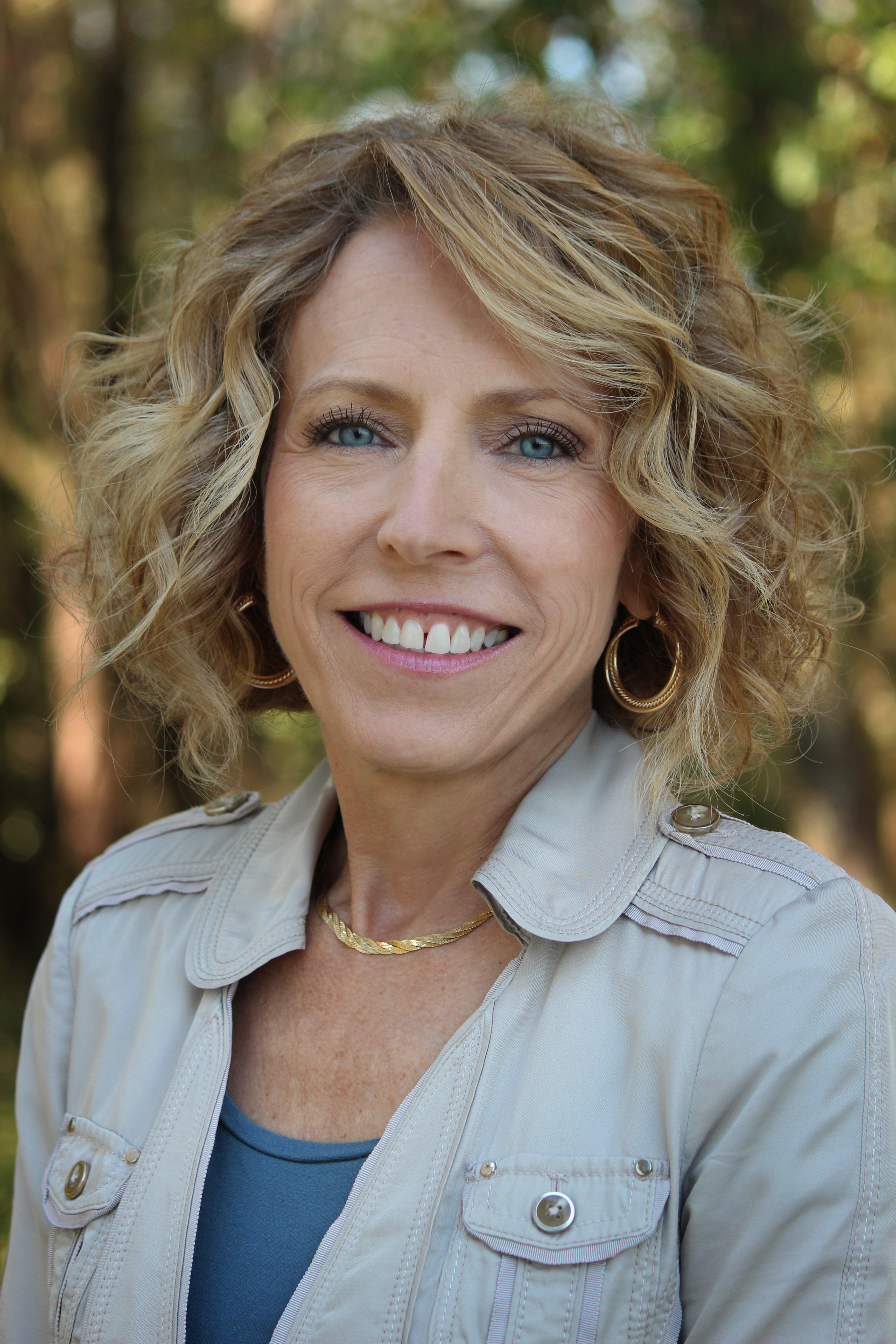
Jennifer is the Vice President of Innovation and Advancement at the National Center for Construction Education and Research (NCCER). Her background includes teaching high school English for 13 years and serving as the acting business manager for six years at the welding and fabrication company she and her husband founded and owned. She has been at NCCER for over 16 years where she has worked in multiple departments and positions.
Jennifer actively presents about workforce development issues and resources, construction career pathways, industry-education partnerships, women in construction, and recruitment into the construction industry.