

 Apple Podcasts
 Spotify
 Amazon Music
 Youtube Music
 Goodpods
 iHeartRadio
 Deezer
 Castro
 Castbox
 PocketCasts
 Audible
 RSS Feed
 Construction Doesn't Have a Building Problem. It Has an Information Problem.

Construction doesn’t have a building problem—it has an information problem. In this episode, Ryan Ware talks with Patrick Murphy, founder of Togal.AI and Chief Innovation Officer at Coastal Construction, about the enormous data and process complexity facing modern construction. They explore how AI-powered tools and better information management could revolutionize estimating, preconstruction, permitting, and project delivery to reduce costs, speed up timelines, and help solve the housing affordability crisis. Along the way, they highlight the critical role of humans in adopting technology and how reducing repetitive tasks creates more time for value-added work in the industry.
Key Takeaways
- Patrick Murphy explains that construction does not have a building problem, but rather an information problem fueled by disparate data and outdated, repetitive preconstruction workflows.
- Artificial intelligence acts as a power tool rather than a replacement, taking over mundane tasks like takeoff coloring and counting so human estimators can focus on value engineering and scoping.
- Automating the preconstruction and estimating processes helps smaller contractors scale their businesses, increase bidding output, and overcome bandwidth limitations without taking on heavy early overhead.
- Streamlining the journey from project inception to permit approval through AI can drastically reduce overall construction costs and help address the broader housing affordability crisis.
Construction has spent decades trying to build faster, reduce costs, and improve productivity. Yet estimating, preconstruction, permitting, coordination, and project delivery continue to consume more time and information.
But what if construction doesn't have a building problem?
What if it has an information problem?
In this episode of Activating Curiosity™, Ryan Ware sits down with Patrick Murphy, founder and CEO of Togal.AI and CodeComply.AI and Chief Innovation Officer at Coastal Construction, to explore artificial intelligence in construction, preconstruction, estimating, housing affordability, and the human side of technology adoption. Together, they unpack how AI could help the industry make sense of the enormous amount of information surrounding every project while giving people more capacity to do the work they actually want to do.
From automated takeoffs and faster preconstruction to permitting, offsite construction, productivity, and the rising cost of housing, this conversation explores the connection between how we work and what it ultimately costs to build. Patrick challenges the assumption that AI's biggest impact will be replacing people. Instead, he sees an opportunity to remove repetitive work and allow estimators, architects, contractors, and tradespeople to spend more time building, creating, solving problems, and adding value.
This episode challenges construction leaders to look beyond AI as another piece of technology and ask a bigger question: If we can reduce the time and friction built into how projects move from idea to construction, what could that mean for housing affordability, the people working in the industry, and the communities we're building for?
What You'll Learn:
Why construction may have an information problem disguised as a building problem.
How AI is changing construction estimating and preconstruction.
Why human involvement and control still matter when adopting AI.
How repetitive work can keep estimators and construction professionals from higher-value thinking.
Why time and inefficiency contribute to rising construction costs.
How faster preconstruction and project delivery could influence housing affordability.
Why AI may create opportunities for people to spend more time building, creating, and solving problems.
How technology, offsite construction, new materials, and different ways of working could reshape construction over the next decade.
Why the future of construction technology is ultimately still about the humans who build and occupy what we create.
Who This Is For:
AEC and construction leaders, architects, engineers, contractors, estimators, preconstruction professionals, trade contractors, developers, construction technology leaders, innovators, and anyone interested in AI in construction, construction productivity, housing affordability, preconstruction, construction estimating, technology adoption, and the future of the built environment.
Chapters
I would build these from the actual final edit timestamps rather than guessing from the raw transcript. But the chapter subjects I see are:
00:00 — AI Can Handle the Complexity of Construction
04:06 — Patrick Murphy's Journey from Construction to Congress and Back
12:23 — Can AI Help Make Housing More Affordable?
19:40 — AI as a Power Tool for Estimators
25:10 — Why Humans Need Control to Trust AI
28:20 — How AI Could Help Smaller Contractors Grow
33:15 — The Connection Between Construction Productivity and Housing Costs
39:40 — What Happens If We Don't Solve Housing Affordability?
48:05 — Construction Is an Information Problem Disguised as a Building Problem
52:05 — Could AI Give People More Time Back?
58:10 — Rethinking Success in Construction
1:02:30 — Challenge the Norm: Patrick's Vision for the Future
Guest
Patrick Erin Murphy is the founder and CEO of Togal.AI and Chief Innovation Officer at Coastal Construction, the largest general contractor in Florida. Raised in a multigenerational construction family, Patrick began his career as a laborer before working in project engineering, estimating, and accounting.
A CPA and former U.S. Congressman, Patrick has also worked at Deloitte and served as Chair of the Future Forum Foundation, researching issues including automation and artificial intelligence. In 2023, he was appointed to the President's Export Council as the only representative from the construction industry.
Today, Patrick brings his experience across construction, finance, public policy, and technology to exploring how AI can reduce friction, improve productivity, and help the industry build more efficiently.
Overcast Innovations
Helping project teams coordinate building systems earlier for more predictable outcomes.
New Lyfe Accounting
Free Diagnostic ($500 value) for Activating Curiosity Listeners by NLA, to help your financial goals
Connective Consulting Group
Helping construction leaders simplify change, strengthen trust, and move forward with clarity.
Disclaimer: This post contains affiliate links. If you make a purchase, I may receive a commission at no extra cost to you.
Have feedback or stories to share? Drop us a note or leave a VM—we’re listening!
Follow Ryan at the following:
https://www.linkedin.com/in/ryankware/
https://www.linkedin.com/company/connective-consulting-group-llc
https://connectiveconsultinggrp.com/
https://connective-coaching.com/
https://ryanware.me/
Don't miss out on future episodes! Follow & subscribe now to our newsletter and stay informed about the latest trends and insights in the construction industry.
If this show helps you, please consider supporting it. Just $3/month helps cover production and keeps the conversations going.
⭐ “Love the show? Toss some stars my way, it’s the easiest applause ever.
Frequently Asked Questions
Who is Patrick Murphy?
Patrick Murphy is the founder and CEO of Togal.AI and CodeComply.AI, the Chief Innovation Officer at Coastal Construction, and a former U.S. Congressman and CPA with a deep multigenerational background in the construction industry.
What is Togal.AI?
Togal.AI is a construction technology company that uses machine vision and artificial intelligence to automate the takeoff and estimating process, helping estimators and contractors process plans and bid on projects much faster.
How does artificial intelligence impact construction estimating?
AI automates repetitive and time-consuming tasks like manual measuring and coloring on plans, allowing estimators to focus on higher-value thinking, scoping, value engineering, and scaling their overall business output.
What role does preconstruction play in housing affordability?
Delays, inefficiencies, and friction during preconstruction and permitting significantly drive up the cost of building, making it a critical bottleneck that must be solved to improve housing affordability.
Patrick
A lot of people are kind of like, gosh, what am I doing? Like, I want to get back to building, I want to get back to creating, I want to get back to estimating. I think we've almost hit that breaking point now where finally the technology exists and artificial intelligence to process the nuance in construction. Because, you know, I think people on the outside, right, that don't know construction and architecture, you know, think, oh, you just stack some bricks and the things just sort of build themselves. Like they don't, they have no idea the complexity, especially every building's unique. But restart from scratch isn't like manufacturing the same, you know, car, you know, a million times in a row. Like it's very different. AI, though, is really good at taking all this disparate information and making sense of it, right?
Ryan
And learning from and applying it to the next and iterating and continuing to improve hey everybody, welcome back to another episode of Activating Curiosity. I am Ryan Ware, and be sure to follow us on YouTube at Activating Curiosity or find us at activatingcuriosity.com. Be sure to follow us there as well as sign up for our newsletter so that you will not miss conversations like the one we're about to have today. This is an area that I think with this gentleman, we can go in a lot of directions given his background and the work that he's done and the things that he's been focusing on personally and with his businesses. A lot of different directions that his career has taken him. And it just shows that you can build a portfolio career while focusing on something that is very important to you. And we all know and we hear constantly about the challenges that we have here in the United States, especially even abroad, really worldwide. We have a challenge with housing, affordability, and how the next generation as well as generations now can find that American dream or finding the home from wherever they're from and wherever they live and reside to ensure that we all have those necessary things that we need as humans. So today I have with me Patrick Murphy. He is the CEO and founder of Toggle AI, also the chief innovation officer of coastal construction. He is the founder of Code Comply as well, Code Comply AI as well. Just saying that makes me feel a little exhausted, Patrick. So I'm looking forward to this conversation. I'm so glad that you're willing to have this uh conversation with me today.
Patrick
Well, thank you. I'm looking forward to it as well, Ryan. And they're more connected than you believe, but we'll get into that.
Ryan
Well, that's good. That's good. I do, you know, been following you in some of your work. I didn't realize all of the things that you have been doing. So I don't want to tell everybody from my perspective. So why don't you, before we dive into the episode, take a step back. Just talk about your journey and how you kind of got to the point today with all of these different companies that you're founding and how they're connected, as you said. So go ahead and tell us a little bit about that journey.
Patrick
Yeah, for sure. And it's really the storyline that that you know connects it all. And and that's coming from a family of builders. Uh going back several generations. Great-great-grandfather was uh in construction of boats, actually, uh in Ireland. And uh my grandfather, great-grandfather was a carpenter, my grandfather was a painter for World War II. Uh, he was on our first airborne, so he wasn't afraid of heights, came back after the war and started painting radio towers. He heard about a job in Key West, moved down there in early 1950s, and said, holy cow, right? Florida Keys in the 50s was untouched, beautiful area. And uh so then my dad, of course, grew up around construction. Uh, my dad uh was going to the University of Miami. He was in the pike house, they renovated the pike house. He was you know doing that renovation. He made like 10 grand. He thought he was the richest guy in the world, so he dropped out of college and started a construction company. And he was a union carpenter as well, actually. So the family's you know been in construction, my brothers, you know, uncles, cousins, all in it. So I grew up working uh in the business. My dad's very adamant that you start at the bottom, you're working up. So I started as a day labor. I worked in the estimating department with my grandfather, uh, who was the head of the estimating department at the time. I I worked in accounting and all and various aspects. So what when I went through college, I did finance and accounting. And my dad was always the type hey, you know, son, do what you follow your heart. You don't have to come to the family business. It's here if you'd like it, but do your own thing, right? No pressure. So, not sure it was following my dreams or not, but I got my CPA license and decided to go to work at Deloitte. Um, and really, I honestly I looked at it as almost like a master's program. I just got exposed so much and a great experience working with some of the biggest public companies in the world and did that for a bit and then rejoined the family uh business. The BP uh oil spill had happened, the earthquake in Haiti had happened. So we started looking at diversifying the business. Uh, what could we do on that from our construction business, getting into disaster remediation? Because we'd done some hurricane relief work. So, hey, an oil spill that at the time they said was going to come through the Florida Keys, where I'm from, we did some work there, and then um, you know, some remediation we looked at in Haiti. But anyway, all of that really opened my eyes dealing with government and then the oil spill, Haiti recovery to government's involvement and our lives. And I was complaining. And one of my best friends said, you know, Murph, who the hell are you to complain? You know, do something about it. Yeah. I was like, what am I gonna do? Yeah. So anyway, long story short, ran for ran for office, uh, got elected to Congress in 2012. And at the time, uh, I was the youngest member of Congress at the time. I was 29 years old. And I was bright-eyed, bushytailed, going to change the world, focus on the debt, on unemployment, on healthcare, climate change, uh, housing, right? Bring sort of the construction background, the accounting background to bring some fiscal responsibility to our federal government. And then I get there and realize that it was pretty complicated. And while there's some you know really good people there, we have a broken system right now. And without going too down, you know, too deep down the rabbit hole of politics, what I did get introduced to and really start thinking about was how we're living in back then, especially the early days of this technological revolution, right? This early days of AI way back in 2012, 13, was starting to take root, and I was learning about it and really thinking about how the government should be preparing for the jobs of tomorrow, right? What should we be doing as a country to prepare for this? And so got exposed to some big you know leaders uh in in in Silicon Valley and all telling me about AI back in 2012, 13, 14. So that's sort of my head was at. Fast forward again, rejoined the family construction business, coastal construction, based in South Florida. And we've been blessed to you know, now become one of the largest general contractors in in Florida in the Southeast. Do a lot of you know high-end uh apartments, condos, multifamily type stuff, uh offices. Uh we have a residential single-family home division as well. And when I came back with a fresh set of eyes, I realized that while the business had grown, the processes were still the same. Right. And that's true for you know most construction companies, just a bigger business. So I said, well, gosh, if we're gonna bring some technology and innovate and try to improve the business, let's go through the financials, let's see what's driving the biggest cost, then start there. And realize the single biggest piece of overhead was estimating, pre-construction. That was driving most of the overhead in the business. Holy cow, I used to do that as a kid with my grandfather. I had a scale ruler like this, right? And I'd sit there and, you know, do takeoffs. And we're it really wasn't that different. So I said, holy cow, if a human can look at a set of plans, right, and and distinguish between the bedroom, the bathroom, the hallway, you know, whatever else is there, so can a computer if you train it. So that's when we had the idea in 2019 that we could use machine vision to automate that takeoff process. And that was the birth of Togul AI, which by the way, it means builder in Gaelic, the Irish language. The word Togali. Yeah, Togal AI, yeah, means builder. And so that's that was the idea there. Uh, got some investors, standalone business, and you know, knock on wood, been able to grow that uh successfully uh from there. Uh so I'll I'll shut up, but that company then spun out code comply down the road. So anyway, it's been been a fun journey, but it really all comes back to construction, all comes back to building, uh, all comes back to uh you know finding ways to improve how and where we live because there's a lot of work to be done there.
Ryan
Well, I noticed the theme, and then it goes back to the uh CPA, I think, because you were talking about cost. And you're you're talking about like things that you've noticed, like you got into the CPA, you went through Deloitte, you've spent time, you know, doing estimating with your grandfather, like you said, but like it all even when you were talking about your your role in in Congress, like it was still a cost. Like there were so much things that you were talking there, describing like we're not uh physical, you know, or we're spending too much, right? We're not taking in enough, we're not spending enough. And then you get back into construction, and and you're right, like having ran a construction company, it's like estimating is always uh it's always overhead, or at least how we we package it and kind of sell those services, it tends to be in the GNA. It's not up in a project line generally. So you were you were coming back into it and you're saying, like looking through the lens of it from an accounting perspective of how can we increase the net profitability of the business and improving these these processes by developing a software along with a process or an idea to be able to do estimating as part of part of the business. So talk to me. I know that sounds like you one area of a problem that you were aiming to solve, but I think seeing your portfolio, seeing your work, can you dive in a little more about like the greater problem that that you, Patrick, and not only, and I realize I pronounced it incorrectly, but uh Togel, AI, and all the other businesses that you're doing with Code Comply and some of the other work that you're doing, holistically, what is that largest issue, the biggest problem that you're like, hey, this is what I'm I'm aiming to solve. And these are action steps to help us get to solving those pieces. How do we make housing more affordable, right? I mean, part of the American dream to me, part of any successful economy is making sure that the basics, such as housing, are arguably one of the most important things that we have is affordable. And, you know, land costs are land costs. That's a market. It's hard to change that necessarily. You know, then you have interest rates, which again, that's sort of a macroeconomic thing, hard individually to change. Uh, and then the next lever is the construction costs, right? And that's one of the things that's somewhat in our control. It just continues to go up and up over time. You need to zoom out and you think about construction. We've been doing the same thing for generations, right? And if you zoom out, there's wood, metal, and concrete. You have three materials to build. It's the same typical process where pre-construction, depending on what you're building, could be a year or two, permitting again, depends where you're at. I think on average in our country is around nine months, right? Uh to get plans approved, right? Every step of the way, it's just another, you know, a delay, another uh overage, um, another frustration that people have. In today's world, I just I don't think that's how it has to be. And with artificial intelligence, I think it's going to be a completely different world in five years, certainly 10 years, but even sooner than that, I believe, uh, with AI, because so much of what we do has already been learned. But every time we start a new building, we start from scratch and we have this new idea. All right, it starts from the architecture artists and they design something, which is beautiful, right? I think we should go back to actually more of the art. Actually, I think AI is actually going to unlock more of that. But we rethink how the floor is going to be installed, how the drywall is installed, and what's the assembly of the drywall, the uh the AC and the HVAC system and the lighting and mechanicals, you know, the plumbing systems. And with artificial intelligence, I'm paraphrasing a lot here, but we have access to tens and tens of millions of plans, right? And with that access, with that much data that we now have labeled, we are smarter than you know, arguably any engineer, architect, you know, out there to learn from that data and apply it to the next job. And so what used to take months, years to do, I believe is gonna be done with a click of a button. And if you want to design a new house, a new condo, a new apartment, a basic building, it's gonna be a prompt. And you're gonna type in your budget, your address, the style, and the use case. And with those four inputs, you're gonna get a full set of working construction documents that should be permitted within a matter of minutes or days, right? And as long as you're following certain guidelines and AI is drawing, it's going to draw it up to code because you gave it the address, it knows the setbacks, it knows the building code in the area, right? Uh, you gave it a use case for what you want, and now you're just tweaking, you're having a conversation with it, and you're getting plans that are permit ready and/or approved immediately. And that just fundamentally changes construction because so much of construction we've you know sort of focused on when the shovel breaks ground. Right. All these things that happen along the way. But so much of even that is broken because of the problems in pre-construction, right? Because of things that weren't thought through, because of the gaps and the misunderstandings or you know, things that changed and weren't documented. So I believe AI is going to help solve and address a lot of that. So we're not starting from scratch on every single job, rather learning from previous jobs, applying that going forward. Yeah, I mean, coming from I came from the architecture side. So what you're as you're describing it, it's just thinking about the transition from the first program of requirements till the occupant is moving into the house or moving into the building, right? Like it over centuries, we've been doing it the same way, delivering projects. We we've now gotten into different delivery models, but all of the friction that occurs during the design to get information from a client, to to even understanding if a sub trade is even available, you know, once you get going, the the silos, you know, all of the breakdown and the silos that we've we've really put into practice within the industry has created a lot of these, you know, time extensions of time, if you will. And then throw in attorneys, throw in, throw in lawsuits, all the things that kind of come with not not in my contract, not my responsibility. So there is a lot, like as you're as you're talking about thinking, this is how you envision like someone being able to build, build a house, right? Build a lot of the friction and the slowness and the things that we as humans, like we just can't get to because we're over here doing this and we can't see that. We can't, we don't even know that we got that email. We don't know if the RFI is sitting there. All of those things slow it down and drive up the cost, like you said. So it's I'm I'm interested because this is this is a human thing. Now we're into the to the human piece. So being able to solve things with AI were, you know, was as we've integrated, and I I started in hand drafting. You you mentioned where you kind of got us started in that estimating. And I think about, yeah, building an estimate in a spreadsheet, doing the takeoff, yeah, pulling up the scale, doing all those things before even getting into Revit, RomotoCAD. The time it took me to develop those things versus what it could do today with all of the software that's out there, that duration should have shortened, right? It should have gotten smaller. It's getting longer. It is getting longer. Yeah. That's what I guess that's my next question or kind of the area I want to go is this human piece. Because as you're describing it, I I'm going, yes, we need to get there, right? Like we need to get to that point to where we're able to do things quicker that aren't required. Like we can do deeper thinking, but we need to get other stuff off of our plate in order to be able to build more because that's where we generate revenue. You know, even as an architect, like get it out the office, right? That's where you you're done with it. You can move on. A contractor, you want to move, you know, get it built, get it on, on to the next job. But I I remember when you first when uh Togolai first came out. I had my estimator, I was like, test this. I'll give you his point of view after we answer this question. But like, what have you, as you're describing this, like, what's the human piece? Like, what's what are the things that you've been hearing, Patrick? Because the win is more housing is is is there, the supply is up, people would, it's affordable for everyone. But on the other side, I could just I could hear like what estimators might say and what contractors might say, you know, as they're starting to think about utilizing AI and some of this stuff, given our mindsets, given how we we think about change. Like what are some of those things you've heard as you've been through your journey just telling me the way you told told the story of like this is what I this is what I envision solving. As you said, architects want to create, right? Builders want to build, uh, the subs want to you know build as well. Um, estimators uh don't want to color and count their whole life, right? They want to do value engineering and scoping and bid leveling and be creative and really think of the job and that that 3D, you know, turn that 2D set of plans into this 3D, you know, building in their head and make sure there's not a scope bust or is there a more efficient way to build something? Yet, and all of those trades, the architects, the builders, the subs, the you know, estimators, et cetera, are all stuck oftentimes dealing with information and almost like paper cuts, right? Like the back and forth and and then the bureaucracy. Yeah. Not to you know, beat on attorneys too much or something, but right, there's there's there's so much, you know, cover your ass and and document that a lot of people are kind of like, gosh, what am I doing? Like, I want to get back to building, I want to get back to creating, I want to get back to estimating. And and I think we've almost hit that breaking point now where finally the technology exists in artificial intelligence to process the nuance in construction. Because, you know, I think people on the outside, right, that don't know construction and architect, you know, think, oh, you just stack some bricks and the things that sort of build themselves. Like they don't, they have no idea the complexity, especially every building's unique. But we start from scratch, it isn't like manufacturing the same you know, car, you know, a million times in a row, like it's very different. So AI, though, is really good at taking all this disparate information and making sense of it, right? And learning from it and applying it to the next and and and iterating and continuing to improve. And so, in the case of estimating, and what we're doing, and takeoff specifically, being very focused there is really, we believe, uh, being the co-pilot, you know, for the pilot, the estimator that we're a power tool, right? We're not we're not doing their job. Um, we're enabling them to do their job better. And the estimators that use Togel are able to bid on 5x, 10x more work, according, you know, in their own words. That they're able to focus on the value in engineering and scoping. They're actually learning the job better counterintuitively because they're not spending so much time blurry eyes, coloring, counting, drawing the polygons, right? Missing things. They get to really think uh take a step back. Okay, I got my takeoffs. Okay, now what? Oh, well, what about you know, this transfer slab? Let me focus in on that. And why is this material chosen here? Or what about this sub or this material? Let me see if I can expand who we're gonna go out to price this to, or you know, whatever it might be, right? And really take a deep breath and do what's human, right? And creative. Again, not just being robotic. So that mundane, boring coloring is what the AI is doing. So again, it's a power tool. Sure, you know, someone could get a screwdriver and go screw, screw a bunch of screw, you know, sure, you could do that. It works. But wouldn't you rather a power tool? Like it just makes a lot sense, more sense to have a, you know, a power tool. So, same idea for for estimators and and I think architecture, you know, trade by trade and construction. Um, there's going to be examples of how AI enables the human to be more human, not take their job, but actually power them to go to do the things they want to do in the first place. No, I mean, the way you describe it makes sense. I think about when we first started bringing Revit into the office, and it was like going, you know, going from MotoCAD, that 2D side, and bringing Revit in. Even if you weren't going to build a whole model, I was like, look, you just draw it in Revit because you use the intelligence, right? Who wants to go label every door, like, or a window or or wall tags, right? Like those things were to take, you know, go back to like you're saying, like, go back to actually the creative side. Like, yes, the human, like we had to go through a QAQC, like we had to be validating those things as humans, even though the system was sort of doing some of that work, like you're saying, the highlighting and some of that takeoff. Now, I was telling you that I had an estimator. I wanted him to look into it because you know, AI was coming at this was probably 2020, 2021. I can't remember, right after you were first getting started, and could see. The power in this idea of, like, hey, how do we get rid of some of these steps such that, because I could tell, like in my GNA, I knew where my estimator sat. And what they were doing was much needed for our business. But I wanted to take some of the pressure off because if you're the only estimator in a company where there's only two of you, and it's constantly like estimates piling up, piling it up. The thing that I've noticed, this goes back to that human piece. And I think about like some of the obstacles and the barriers in this mindset is I don't want to release something that I control. And in, you know, estimator, you you mentioned you were in that department, your grandfather came from it. I can think back to, you know, I was a weird architect because I was like, I love doing estimates. You know, I built a whole spreadsheet of doing the takeoffs, that nerdy side of it. It was like the science, but I was like, look, if I'm going to get this built, I need to know every part that's going into it in order to get it built. I think estimators for them, it's like, who do people blame when there's a gap in the scope? Like who gets it, who gets attacked for missing something early in design and suddenly the project's over and we didn't catch it? Like, that's the human piece that estimators don't want, like if they release it where they fear that they've handed it off even to another human, that sometimes that's that's the pressure that they feel. How have you, like you just mentioned, you kind of told the story, and may maybe it's others within your company, but like that mindset? Like, how are you working with estimators? Because you mentioned that there some of them are giving you that feedback. They can go, they can go take on other jobs or do more estimates. But like, how has that journey been of some of those early days potential obstacles that were coming up to even today, as more AI is brought into the companies and brought into business? Like, how has that transition been for you? Yeah, I mean, early on, you know, when we had the idea, uh, this is before GPT or you know, any of those things were were announced. We were thinking, gosh, if AI can do a takeoff, you know, the human's just gonna move on to other things. And interestingly, we had more success when the human was more in control of the AI and really sort of again operating that power tool, not just letting it go run on its own. And I think there's a transition period, right, for any technology, and we're we're certainly in that now. But the more control the human has to trust and be involved and learn the job and you know navigate it. And again, every set of plans is different, basically, right? So it's not like the AI is just gonna pick all that nuance up every time perfectly. So it's good to have the human involved, the more success we've had. And one of the coolest parts to me is talking to that hungry trade partner or GC that's trying to grow their business, right? And he or she, you know, doesn't quite have you know the bandwidth to go hire a full-time estimator. So they're working nights or working weekends, trying to do estimates, trying to get that, win that next job, but they got to build the job or two they're on and get that done and they're trying to bid. And oftentimes, you know, the takeoff is just the thing they don't want to do. It's like, oh, they just push it off and oh, geez, and then I've got I got to do that this weekend. And and you know, it's whatever. It's maybe six or eight hours, you know, maybe on a you know, a small job they're doing. Now all of a sudden they come use Togol. Now they got their takeoff in you know 30 seconds, put a set of eyes on it, you know, verify, they tweak a couple things, it takes 10 minutes, boom, now they're pricing it, they get the next job. Now of a sudden they're getting more bids out the door. All of a sudden, now they start winning more work, now they have a little more capital, now they can go hire that estimator, they can grow. So they can sort of cross that threshold, right, to go to that next level and get to that next size business where now you got a full-time estimator. And again, you know, that sort of keeps happening. But those are the cool stories with the painter, the you know, drywall that we've had, you know, come in small and they've grown their output, you know, that what they're bidding on by two, three hundred percent in like three months. So now they're able to start growing their business without taking on you know that big overhead necessarily. So that's the cool part. And as businesses grow, they hire more people, and you know, that's sort of you know Jevin's paradox playing out. As the price of things comes down, the more of it's going to be used. And that's the the history of technology. So I know this wasn't your question, but I believe AI in construction and many industries is actually going to create more jobs, but happier jobs, right? Jobs that people want to do. Because if you go try to recruit a 22-year-old out of college, engineer, you know, whatever it is, tell them to come be an estimator and you tell them, oh, by the way, you know, you're using this or you know, a mouse to go color for the next two years, what are you talking about? Right. I say college degree, I don't want to color. Like that's not the world we're in, right? So like it's just a natural, you know, I think progression of an industry. No, I makes complete sense that the way you just described it. It's like, look, if if we're all stuck doing things that, A, don't bring a lot of value to the business, have to be done, but not bringing a lot of value, and it's actually restricting us from growing the business, then what ends up happening is this this goes back to your overall issue, you know, overall problem that you're aiming to solve, which is affordability and housing. Like we can't get the supply, we can't even get through permitting, which which you discuss with with the code comply, like get through that whole period of time. Like that's just keeping things off the market. Most who aren't in construction, like you said before, they don't they don't know what it takes to do it. They they have an idea in their own mind, but they're they're not sure of these little steps that a construction company and architects have to take. So the more we can remove those pieces, the more supply we can increase, not only in housing, the more healthcare systems we can build, the more seeing roads be done and taken care of faster, all of our infrastructure that needs to be done, like all of these little steps that you're describing, they add up. It isn't just one step. Every freaking project has millions of steps that we each have to be taking, right? Probably more. I probably low estimate on that. So don't knock me as an estimator. But like just think about how many things, decisions that have to be made, those are all slowing us down as humans to do, as you said, a thing, that passion, that purpose, the reason we got into this. Um, thinking back to your feet. That time is money. And time is money. And and okay, so we don't get enough housing built, interest rates continue to increase, or construction loans, or whatever it takes, like a developer, it's taken too long to build, right? All of those things have to be added into future costs. So what we what we end up doing is we end up value engineering, we take things, we have to cut costs because new the just the basic fundamental items have to be into the job, which end up increasing the cost for future occupants or future owners or whomever it is. And it just keeps lessening the amount of construction that we can do uh in this country. But so let's let's take the bigger step back then. Like you you mentioned kind of affordability, but like you can put on your congressman ad if you want to and why you got into it. But what makes it so important that the construction, not just, you know, because you got into Congress, you got into the political side, like there's regulations, there's policies, there's pol, you know, all that politics, the interest rates, the lands. But when we're thinking about the construction industry, right? We can say, like, well, there's just nothing we can do about it. But what makes it so important, Patrick, that the construction industry understands its role in solving this affordability crisis that you're talking about? I think more and more uh contractors that we speak to are excited about the challenge of improving the industry. There's a whole new sort of generation of folks entering the industry that sees a great career path, but also see it as an opportunity to be, you know, to play their role in improving it. And whether that's technology, whether that's just thinking about things a little bit different, whether that's off-site, you know, prefab modular construction, uh, different materials, greener materials, right? There's there's sort of more of a consciousness toward sustainable building. Certainly been a huge move toward, I think, some more safety and you know, better practices in the job site overall, and making it generally an industry that more people are embraced and want to be a part of, not just this like tough guy, you know, saying that, you know, historically, you know, without getting in the weeds on that. But like it's definitely changed a lot. And I think with that, uh, we're gonna get a lot of really smart people, you know, that continue to enter, you know, the trades and blue-collar work. I think with AI, I think I actually think it's the white-collar jobs that are gonna be disrupting, you know, more than the blue-collar jobs. And I believe that with that challenge, uh, we're gonna make a major impact and and and hopefully start to turn the corner on what's been honestly, this is this constant rise in construction costs. You mentioned it, land, interest rates, materials, these are all things somewhat out of our control. Pre-construction and planning, we can do a lot on making that more efficient. And the more efficient FreeCon is, the better, more thorough the plans are. If you could get a perfectly set, you know, set up 100% CDs. I'm I'm exaggerating to make a point, right, in a week, and the shop drawings were done, then you could build a lot faster. And if you can turn an 18-month build into nine months and cut that in half, and you've already cut pre-con by a fraction, right? Now you're saving a ton on interest, on the carry of the land, on all the inefficiency and labor costs and all that. And now you're reducing housing by 20, 30, 40 percent, right? So all these things add up to a really big number. And I believe it's going to be a better product, right? Because things can be more thought through. And I, again, not to be like cheesy here, but you get back to then the builders wanting to build and be part of the fun part of it, not the paperwork, RFIs and submittals and you know, dealing with the county on approvals and all that. Architects, I think, are going to be able to focus more on the details and the nuance and building better cities, greener cities, more sustainable communities that we all want to live in, not these just white boxes that suck and are boring. Right? Like, let's go back. I mean, people, you know, I was um you know, traveling recently and in Europe, and you know, every time you're there, you're like, just look at the detail that are in these buildings, in these streets, and from the cobblestone to the you know, soffit detail, right? Like everything is so thoughtful and and done with such quality. You just want to be in these communities because there's a there's a something that I think us as humans appreciate in that. And I think we've lost a lot of that because of our focus on kind of the wrong things, in my opinion. So, again, not to beat a dead horse, but I think AI is going to help unlock and bring that back. Well, one and I like cheesy, so I want to stay in that area and something else that you said about the human piece. Because I think as you were describing it, this is where it gets, you know, why I like having these conversations. Like, if we're not doing it for the humans, who are we doing it for? Right. Like we we got into this profession because we care about it. Like most architects didn't start becoming an architect, you know, in college. It was something that was internal to them that they wanted to get into design. Same with interior design. Most contractors like who are passionate about it, that's what they want to do. They won't they want to go build. And the image problem that we have, and I've talked to other people from AGC to NCCER and others, and the image problem that we have to be able to bring that next generation into it, like you said, who want to come in, whether they're in those trades or they're engineers or coming in design or just, you know, construction project management and CM work and stuff, things like that, like they're going to look at these problems differently than our current generation and the generations before us. And as you're saying, like I think that is an agreement. That role in the office is going to change. And it has been with a lot of the technology that we've been putting in place. But like if we in the industry aren't seeing the human like piece of not solving it, like if we're if we're sitting there today and we're not bringing these solutions in and we're not willing to try it, and we are putting those obstacles up, like we're not just impacting the individuals who aren't coming into the industry, who might, but then they see this antiquated approach, they see old processes and the ways we've always built. They've seen how slow things are gone, even to the point of describing like what the rest of the world sees. They don't realize like maybe we're holding a lot of people hostage because we're unwilling to try to tap into some of these ideas and tools, whether it's fear, concern that we might lose some knowledge that we've once had or something that we cared about or we we thought valued more than any sort of change. Like those things are what's impacting not only the rest of us in our own business, they're impacting our communities. Like, because we can't. We are drive, we are responsible for driving the cost up by using the same old processes. As you mentioned, I think about it. It's like when we start combining uh industrialized construction, you mentioned off-site, and this is a big area for me. Like the whole point is to you know be able to get through design and that pre-construction piece. So design assist, bringing in experts, talking through things, getting things solved in the office where shop drawings are happened simultaneously, like you're talking about the permit is being discussed and happening, and then we go build it faster. Yeah. All of that stuff is exactly where we need to be heading from my perspective. It's the human, it's the human piece of like what got us here today, like we can be proud of that. But what needs to happen for tomorrow, because we got to stop building as if you know, yesterday is is is still happening. It's it's not. Like the future is like completely different. The challenges are completely different. And we're, we've been giving up a lot of things as an industry, as you said, the white boxes versus the way we used to think about it as a master builder or the way we approached building, you know, back even when we did the Empire State Building. Like, yeah, a lot has changed, but that didn't mean that we can't go do that again, that we can't, as a as an industry, collaborate, work together, continue. I mean, no one's prouder about their work than than tradespeople and architects, right? And the contractors who are constantly showcasing their work. And it's like individuals get to experience those things. So I don't know where I was going with all of that, but I think when you were saying it, I just I want you to, you don't worry about cheesy. I don't think you got into Congress because uh you didn't care about the human, right? Like go ahead and and what you're doing, I think has a human impact. Um, because it's not just like we want to go build more housing. There's a human that's gonna go live inside of that, right? That's that's ultimately what ends up happening. But what do you think, Patrick, is now that we'll kind of we talked about like why it's important, like if we if we don't, like if we, you know, coming from Congress and all those things, like might be broken, but so is our industry. Like, we're not gonna have the labor force that we had once before. And we need to build a lot more. So, like, what do you think that cost is from a, hey, you're an accountant, not just a financial cost, but all the other costs if we don't take these problems on and try to really solve them as an industry. Not to being you know melodramatic here, but if you look uh just zoom out a little bit at the the lack of trust in institutions and lack of trust in our country, you know, from a global perspective. And again, whatever side of the aisle, it doesn't even matter, right? It almost doesn't matter, right? Because people are just doing this today. And the American dream is fundamentally breaking down, where people have really stopped in many ways, especially the younger generation, believing that they have the same opportunities as their parents and grandparents, that if they work hard and play by the rules, they're gonna get ahead. Whether it's because of healthcare costs, education costs, debt, cost of living, it is harder and harder, right? And wages certainly have not kept up with all these other expenses we have. And people are frustrated. And it's starting to simmer and boil over in ways, right? And again, not to be political, but we've seen protests, we've seen capital stormed, we've seen breakdown in trusts and institutions, which take it on their own. Sure, you could say it's political, but I believe when you zoom out, it's because people are frustrated that it's not working and they're looking for someone to blame because they know they played by the rules and they worked their ass off, and they're not getting and their kids don't have the opportunities they do. And so you can't blame them for blaming an individual or this person or that group or whatever it is, because there's something deeper there, and that's the part we have to solve. And housing's a really big part of that, right? And I think back in 2007, eight, nine with the housing meltdown, and everything that happened there, where people, you know, were investing in their house and then lost their house, went into bankruptcy, and they saw people get bailed out, it's it's pissed them off. And that fundamentally started to change the trust in the system. And since then, if you look at the stats, it's really staggering where it's not necessarily the store of wealth that it used to be. And putting the same X amount of money in a house versus putting it in the SP 500, SP's actually done better. And I mean, unless you're in some you know random market that you know took off like 99% of the time, yes, and people can't even get to that that same place, right? Of having that pride and ownership and that community and building and owning and and improving their house and their community. When you think about it like that, and how what an important role house and community plays in our lives, and how unattainable that's becoming. And if you don't enable that for people, if it's harder for that to happen and you don't enable that for people, then it could show up in other ways that you can't predict politics and protest, you know, whatever it might be. But fundamentally, you need a place to raise your family and live. And the cost of housing is is unattainable for far too many. So we better be serious about solving it. And it's gonna take, I think, a lot of you know, people in a lot of places from government, you know, to all the different, you know, pieces that that touch it uh to make these improvements. And look, we've tried a lot of things and it hasn't really worked. Technology and AI is here. Let's give it a shot. Let's lean in and see if we can't bend that cost curve. Yeah, I don't think you're being dramatic. I've had so many conversations that I have two, you know, I have two young sons, and I've had people on here that that talk about their kids. And I heard a story of it was a senator, I won't say which side of the aisle he was on, but it just recently on another podcast just talked about driving his daughter, 30 years old, to show the house that she was born in. She's like, I can't believe you could afford that at 30. I'm 30, I can't afford any of this. And it's I've you just hear these stories over and over again. And like you're saying, it's like people will become frustrated because they got nowhere else to put it. So we, you know, where where that frustration goes of like, yes, I have done everything right. I thought I was doing what I was supposed to be doing. I went to college, I got the debt. I'm trying to to go through all these, you know, these steps that the world tells me I need to go through, yet don't, I can't afford a house. The homes are pricing are decreasing, as you said. Like, there is no more generational wealth in housing. Like, and no one is selling because that is where their investments were. If you, my father had a pension. I there was no pensions, it's 401ks. Well, 401ks are driven by policies and like you said, the SP and you can invest in all these things. Like, we've changed fundamentally as a country where our wealth comes from. You can't control if if someone is out there doing derivatives and causes a financial crisis in 2008, like you said. Like those things are like one individual can cause all of these challenges for us. But that means we have to figure out like, is there as an industry that we're working in, like, how can what we're doing be a greater benefit than the damage that might be caused by one person or a group of people who are may cause a result of something that was a deeper problem, which right now is affordability and getting housing, enough housing built with a shrinking labor force, which means you can't use yesterday's delivery models, methods of construction, technologies, right? We have to be able to shift our mindset into this area of like, and again, curiosity of like exploring the unknown. Like there are things that we we don't know about some of. The software and some of the technology, but we do know how to estimate and we do know how to build. But we just you, as you said, you can use a screwdriver, you can use a power tool. How do you put those things together in order to solve it? So I I don't know. I mean, this is this is why I think Patrick kind of drawn to you know having the conversation with you is like these are softwares, but like the software, well, like it's even a technology, whether it's a software, but it's there there's something more fundamentally there of why we do things the way we're doing them now, versus like what the options are for some of these technologies like you're creating with with uh Togel AI and Code Comply, and going back to what you said before of like how do we cut some of the time out of this build in order to make it happen to get the cost done. So I I don't I don't know if you want to add anything else to what I just said. I just think that I just think that it's going to take all of us, construction industry, it's going to take, I mean, the insurance companies, it's going to take banks, politics, all of that in order to solve this. I don't think you can point one direction, but I do think the construction industry has a huge opportunity to address it with support of other groups. I I think those that that lean in and acknowledge that building is a sort of information problem that's been disguised right as a building problem for many years, and those that lean in and rethink construction wholesale with a technological mindset are going to do really well in the next 10 years, right? And I think uh in 10 years it's going to be a very different industry. Uh again, more prefab, off-site construction. I think the planning, you know, the design, planning, pre-con is going to be very different. The permitting will probably be a laggard because it's government, right? So that'll probably take the longest time. But cities will there will be some leaders that say, you know what, I'm gonna guarantee, I'm exaggerating, but guarantee a permit in 30 days. And all of a sudden development's gonna go there, right? And that's it, and then others are gonna copy. That's gonna change. I think the materials we use are gonna change. I'd be surprised if there's not more robots of sorts, at least in the interim, you know, installing, you know, flooring and drywall and paint, some of the basic trades. Um, but they're gonna need humans, right? And you're gonna need oversight. And what that does is elevate the human to a higher value task that can produce more, right? And our salaries are all based upon our productivity. And technology, whether it's a robot or AI or whatever it might be, uh, is adding productivity and adding more consumption, uh, more availability there. So as we produce more, we're gonna get paid more. Listeners should be you know thinking about that, how whatever their role is, how they can use technology to produce more and therefore justify how higher salary, start their own business, grow their business, whatever it might be. Because again, rising tide is gonna lift all boats here. Yeah, I think whether the salaries you know are increasing or even just how can we get to a world where it's it is more like Europe, right? Like, do we need like if we could get the same productivity out, do we need to be working? Some people are working 60 plus hours a week or more, sometimes even longer. Like, do we as humans need to continue to do that and define work? We've had this conversation, define work because you did public service, right? Like we could be doing things in a community where we're not collecting a paycheck, but we're giving our energy, we're giving our effort, which or just being being around for family, being around for friends, just being here on a planet that we enjoy more while living in homes that we can afford and communities in which we want to live in. So I think you know, that's a great way to kind of just reframe the opportunity. You know, the pro here's the problem. And if we don't solve it, here's what might all happen. Like, yes, we we can fear that a robot might take our job or AI is gonna do all these things. But I had somebody on and they said they were like, look, figure out how the AI takes your job for you. Like, that's where you'll get to the next level, is where you're able to get more productivity, like you said. Like, I would love to produce enough at 20 hours, and I only work 20 hours to generate the same revenue that was taking 40 or 60. Like, that's that's a business model that can scale in a human life that you're able to go, you know, go spend time with people, you know, go spend time with family, go spend time in a community, get back to the local schools, like things like that. That generally most people are saying, like, hey, I don't have time to do any of this stuff. Your highest quality years when you want to be spending time with your families, right, whether it's your parents, your kids, are the ones where you're often forced or culturally uh backed in the corner to be working the most. Right. It's it's um I think it's led to some of the other issues we have in society. But again, if you go from working 40 to 20 hours a week, now you got more time with your family to raise your kids, to be involved in their lives, your parents, you know, and then the community. And I think as humans, what's old is new again. And if you think about work the way it is today, the 40, 50, 60 hours. I think I work 80 hours a week, right? And I I love it. But it's kind of a new thing, right? This 40, 50 hour work thing hasn't been around for like 2,000 years, right? That wasn't the norm. Uh it's the last hundred or or so, 200 years, or not even, right? Where that's sort of become more normal. So I think you know, history will cycle back and we will have more free time. So the things that really matter and the amount of time we are here on our yeah. No, I'm glad you I'm glad you shared that because I think you know that is you wouldn't want to solve a housing crisis or a housing affordability if it wasn't about the humans and getting a better quality of life. And I don't think you you think hearing your story about getting into Congress, like why you did it. I mean, it's like the every step that you've you've taken has been kind of strategic towards this problem, Patrick. And I just think sharing that and understanding, like, you know, we work in that industry, you said it's like rough and tough. We're not supposed to talk about our emotions. We're not, you know, you can't even talk about emotional intelligence because it's got the word emotional in it sometimes. And I'm like, look, you're human. Like, if you're not allowed to have emotions, like what else can you have? Um what's the point? So we go build for a reason. We love building, we like the teammates, we like our offices, but in the end, it's like you're going to build a healthcare system because there are people who are going through some things that we don't, we don't all want to go through. I mean, something, you know, having having kids or whatever, but there are people who are there, like we need to build those things for them. We need to build the housing for them. So, you know, part of it is just always remembering that these problems can seem enormous, but like one little action step by each of us, like thinking the way you're talking about it, and and just, you know, all of the questioning like why is it we're still doing some of these things exactly the same way we have for the last hundred years? And what can we do different? So you shared a little bit of this, Patrick, but it's always this is the you're you're a visionary, you've been doing this. So maybe you got a little more you want to share, but like what from your vantage point, you mentioned it's going to look a lot different in 10 years, but like how do you think about success and the work that you're doing and where you want to see it all head? Is there any any other ways that you're thinking about what success looks like? I think there's a lot of work to do. I think, and as an industry, there's a lot that that can be done to help again reduce those costs and make housing more affordable, uh, to make it more attainable for more people, not just in our country, but but beyond. Um, this is an exciting time to be alive with AI and an exciting time to challenge the norm in any industry. Because I think we're gonna wake up in 10 years and be very different. The the world, the industries we're in, uh, the expectations of what we're doing. I think the definition of success is is going to change as well. But right now, uh focused on hopefully building you know two companies and and toggle and code comply that play our part in reducing those costs and and you know, spreading throughout throughout the world, quite frankly, to make estimating pre-construction more efficient, to boil that information down to something that that is accessible, right? Because there's a lot of knowledge in construction plans, a lot of a lot of details there. How can we boil that down so you can have a conversation with it? Yeah, like you and I are having a conversation, understand those plans and close the gap from the very preliminary set of documents to that hundred percent of a set of CDs or shop drawings, right? How do we close that gap? Right. And I think there's a lot of a lot of magic that can be unlocked when that happens. Well, I think that's, I mean, that's a great vision and coming from being inside of this industry, coming from different parts of it, whether it was architecture or leading construction teams or being in fabricators, like all of that stuff is areas that each one have a pain point. And I think some you keep coming back to this is like there's so much information that we have in our own plans, in our own businesses. And I think a lot of times, like you've described, like we can bring something in, we can bring a new technology, and we can get frustrated because it doesn't work right off the bat for us. But there's so much disparate information, like you said, that has to be collected. And that is where the human piece, the patience piece, don't kick this thing away immediately. You're going to figure it out over time and be a part of solving this problem, right? If we all work together, we can solve it for a lot of the people in our communities, as well as our family members or kids, or whomever it is in our life. So so before we wrap up, Patrick, if there hasn't something I have I have not brought up or haven't asked you, you can you can talk about it real quick. Um, but also just you know where they can find you. And I'll be sure we'll put everything in the show notes, but just how they how they find you, Patrick, what they could be researching if they are curious and kind of want to learn more. I I think challenge the norm. Um, you know, rethink what's possible today's tools and tomorrow's tools uh that are coming in short order. The cost of intelligence is going to zero, right? We we all are have the equivalent of Einstein in our pocket right now. And in two years, it's gonna be you know Einstein times five or ten, right? It's going to be super intelligence in short order. Rethink an industry like construction, architecture, design, what you can do with that, right? Because that's just that's fundamentally different when you have that level of intelligence, and that's gonna create a lot of opportunity. So exciting time to be in the industry. Uh, it's an industry that impacts all of us. We all got to live somewhere, we all got to go to the hospital and get be educated and go shopping and you know, all these things. So uh I think it's a fun time to be to be in this space. I love the conversation on this. I appreciate it, Ryan, and happy to talk to your listeners more. Most of my handles are Patrick Murphy FL on uh Instagram, uh Patrick E. Murphy on LinkedIn. And uh, you know, feel free to reach out. Love to love to hear from you. Yeah, well, I'm so grateful that you were willing to come on, Patrick, kind of sharing your story, even sitting next to your grandfather doing estimating. A little bit of, you know, never got to work with my grandfather. So I'm sure that was an amazing. I'm sure there's so many stories that that you would love to share with people on your journey. But look, I I mentioned this before. Like reading your resume makes me feel a little bit lazy. I mean a lot of lazy. You have done a lot of great work. You were you're focused and you're zeroed in on solving something that is so near and dear to all of us. All of us kind of feel this. We we see it more and more. And it may seem like, you know, to some, it's like, oh, it's it's AI, it's just technology. Well, every problem has to start with like the problem. Like, what is the problem? And how do we just gradually you know take steps towards it? And I think the way you're describing it and pulling all of these things together, as you mentioned, the connectivity between them is tremendous. Wishing your team, you know, the best and wanting to make sure that I will you know keep following you and seeing all your work there at Togel as well as um CodeComply and the rest of the work that you're doing, Patrick. I've been for to stand touch. Yeah. Thanks for being uh on Activating Curiosity. Thank you. Thanks. So that is the episode with Patrick Murphy, CEO and founder of Togel AI, as well as Code Comply AI and chief innovation officer at coastal construction there in Florida. And Patrick, you know, he's he's got a portfolio career. He's come from CPA, worked for Deloitte, Congress, been in Congress, uh, done other things with other administrations uh throughout his career, but has been focused on something since really getting into it, which was how do we lower costs? How do we remove time? How do we, how do we take away some of this friction that is really pain points for not only the industry, but also for those who who want to occupy, you know, and be able to have more affordable housing as well as other um construction and solutions that we're bringing to our communities. So again, each of these conversations, like we're having them because we can think like, well, that's just a technology, that's just a software. Well, there is a problem deeper that is trying to be resolved by these companies, and having these conversations is about the humans. What is it that we can do as individuals within the construction industry, with within our design offices that are really addressing the human challenges that we see within our communities, within our countries, and within everyone else that we're we're occupying the planet with? So I hope you enjoy these conversations. I hope you continue to to dive into those things that that you're interested in and you want to explore more, and you're asking deeper questions and giving yourself some space to try and to learn and and and the grace to to even if you if you struggle a little bit, that that it's going to take time to relearn and to unlearn some habits that maybe we have put in place. So until next time, I hope you continue to activate your curiosity as well as curiosity within others. The Activating Curiosity podcast is brought to you by Connective Consulting Group and Connective Coaching, part of the Curiosity Building Experiences. If you enjoyed today's episode, don't forget to subscribe so you'll never miss a conversation. Share the podcast with your network and help us bring more curiosity into the construction industry. Interested in becoming a guest or a sponsor? Visit us at activatingcuriosity.com for more details. Until next time, keep leading with curiosity.
CEO
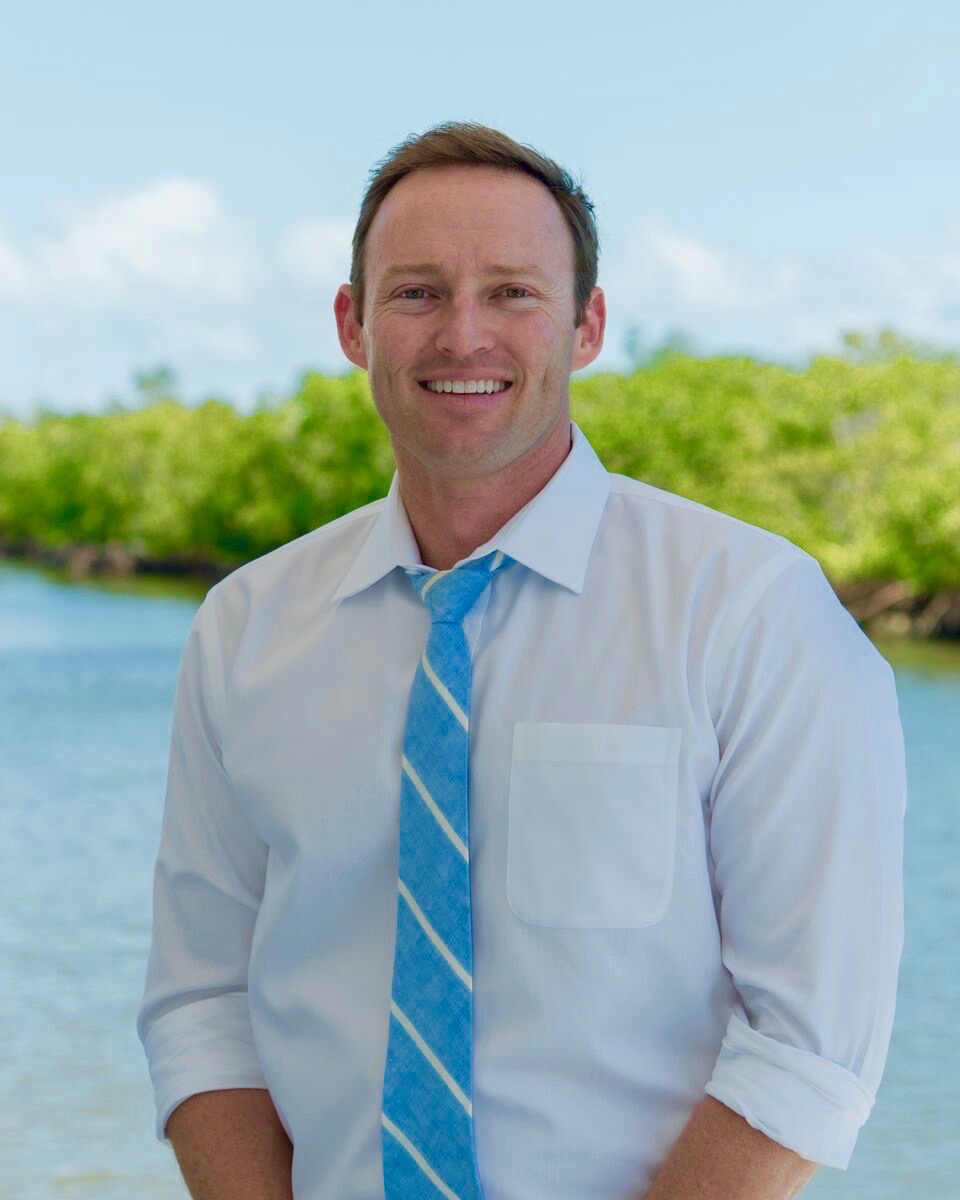
Former Congressman Patrick Erin Murphy serves as CEO and Founder of Togal.AI, overseeing the company’s day to day operations. Additionally, he currently serves an Chief Innovation Officer of Coastal Construction, the largest General Contractor in Florida. Patrick was appointed to serve on the President’s Export Council in 2023 under President Joe Biden, where he advises the president on strategies to promote American exports and support job creation through trade. Patrick is proud to be the only appointee from the construction industry.
Having been raised in the business, Patrick first started in the construction industry as a laborer, then project engineer, estimating assistant and accounting manager. After graduating from the University of Miami, Patrick worked at Deloitte where he earned his CPA license that he maintains today.
Patrick served in U.S. Congress, representing Palm Beach and Treasure Coast in the House of Representatives for four years (2013-2017) and was the nominee for the U.S. Senate in 2016. After leaving office in 2017, he was named chair of the Future Forum Foundation, a nonprofit organization that researches key issues impacting millennials, such as automation, artificial intelligence and the sharing economy. Patrick proudly serves as a board member of the Miami Bridge Youth and Family Services, a homeless shelter for children.
Under Patrick’s leadership, Togal.AI won first place at the 2022 eMerge Americas Global Startup Showcase and the Big 5’s 2022 Startup City Global Pitch Competition. Togal.AI was named 2023 Associate… Read More