Why Climate Tech Founders Fail in Construction (And How to Fix Your Pitch)
Selling sustainable building products often fails because founders lead with carbon reduction rather than performance. To win over commercial developers and contractors, climate tech companies must pivot away from ideological pitches and focus entirely on solving job site friction, margin pressures, and material performance metrics.
Key Takeaways
- Commercial buyers prioritize project predictability, budget constraints, and material performance over ideological climate claims.
- Leading with environmental guilt or eco-activism alienates pragmatic contractors and decision-makers in the AEC industry.
- Successful sustainable building materials match or exceed the durability and price point of traditional alternatives.
- Overcoming market inertia requires proving that your product reduces on-site friction better than existing legacy options.
- The most effective B2B sales strategy positions the climate benefit as a secondary bonus rather than the primary value proposition.
The Trap of Ideological Pitching in Construction
When innovative startups enter the architecture, engineering, and construction (AEC) market with a revolutionary green product, they almost always fall into the same psychological trap. They assume that because they care deeply about the climate, their prospective buyers will share that exact same hierarchy of values. They step onto a job site or into a developer's boardroom armed with carbon footprints, lifecycle analyses, and passionate arguments about saving the planet.
Unfortunately, this approach triggers immediate resistance. Construction professionals operate in a high-stress, low-margin environment where every decision carries financial risk. When a founder starts lecturing about global warming or green mandates, the contractor does not hear innovation—they hear risk. They hear an untested product backed by someone who might care more about carbon metrics than whether the material survives a torrential downpour during framing week.
This mismatch between founder passion and buyer reality is the single biggest barrier to sustainable product adoption. Buyers do not wake up thinking about how they can reduce scope-three emissions today; they wake up thinking about labor shortages, supply chain bottlenecks, and keeping their projects on schedule. If your pitch ignores these daily operational pressures, your product will remain stuck in a niche market of early adopters.
Why Performance and Price Always Trump Eco-Labels
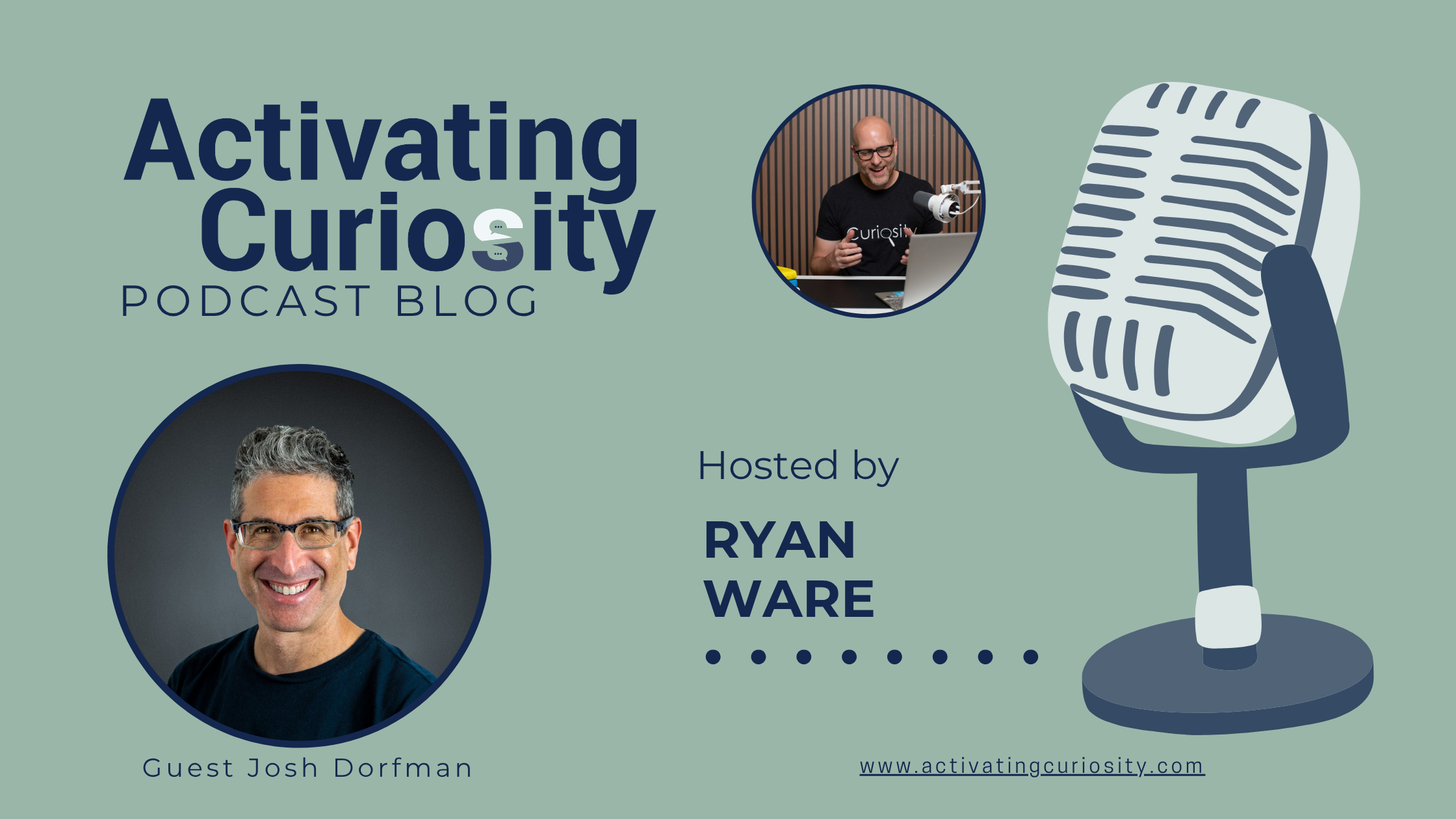
The marketplace has a brutal way of weeding out products that rely solely on good intentions. As Josh Dorfman explains in his conversation on Activating Curiosity™, companies that scale successfully do not ask anyone to buy a climate solution. They ask customers to buy a better, more reliable product that happens to be better for the planet.
Take structural building materials as a prime example. Whether you are replacing traditional oriented strand board (OSB) with grass-based panels or specifying alternative sheathing, the purchasing manager does not care about the raw feedstock until basic performance hurdles are cleared. Does it cost more? Does it require specialized tools or retraining for the framing crew? Is it more moisture-resistant than what we currently use?
If the answer to those questions introduces friction, the sale is already lost. Sustainable construction solutions only gain mass adoption when they achieve strict parity—or better yet, superiority—in three non-negotiable categories:
- Cost Parity: The product cannot command a green premium if you want mainstream contractors to specify it.
- Installation Simplicity: Crews must be able to install it using existing skills, tools, and workflows without requiring a steep learning curve.
- Durability and Compliance: It must meet or exceed building codes and perform reliably under harsh job site conditions.
Overcoming Inertia Without Scolding Your Customers
Inertia is arguably a startup's biggest competitor—even more formidable than a direct industry rival. Contractors and developers are creatures of habit because familiarity equals risk mitigation. If a superintendent has used a specific type of drywall, insulation, or framing material for twenty years without catastrophic failure, convincing them to switch requires overcoming a massive wall of psychological friction.
Scolding, guilt-tripping, or attempting to induce environmental shame will never break that inertia. In fact, it hardens resistance. When people feel judged for their current practices, they dig their heels into their existing habits and find reasons to reject the new technology entirely. Winning in this space requires deep empathy for the buyer's day-to-day reality.
You must meet builders where they are. Acknowledge the pressures they face, respect the business logic that keeps them tied to legacy materials, and demonstrate how your product removes an existing headache. If your innovation eliminates a recurring job site pain point—such as material warping, excessive waste, or regulatory compliance headaches—the environmental benefit becomes the ultimate bonus rather than the controversial focal point.
Reframing the Future of the Built Environment
Ultimately, transforming the construction industry does not require converting everyone into an environmental activist. It requires building undeniably superior products that make sustainable choices the path of least resistance. When innovation aligns with basic business incentives, market adoption accelerates naturally.
To dive deeper into the psychology of product adoption, human-centered change management, and how industry leaders are successfully scaling climate innovations without compromise, Listen to the full episode of Activating Curiosity™. Subscribe today to uncover more practical tools for leading through change in the AEC industry.
Frequently Asked Questions
Why do sustainable building products often fail to gain market traction?
Many climate tech products fail because founders pitch them based on environmental ideology rather than operational performance. When manufacturers focus exclusively on carbon metrics instead of solving everyday job site problems like cost, labor efficiency, and material durability, commercial buyers view the product as an unnecessary financial and operational risk.
How can startups successfully sell green materials to traditional contractors?
Startups succeed by achieving price and performance parity with legacy materials while removing on-site friction. Instead of asking buyers to support a climate mission, successful companies pitch superior product features—such as enhanced moisture resistance or better structural integrity—while ensuring installation workflows remain completely unchanged.
What is the biggest psychological barrier to adopting new construction tech?
Industry inertia is the primary psychological barrier. Contractors and project managers rely on familiar materials and methods because predictability protects their profit margins. Introducing new products without proving they reduce risk creates friction that causes buyers to default to what they already know.
Should construction leaders stop talking about sustainability altogether?
Not entirely, but the framing must change. Rather than using sustainability as the primary sales hook or lecturing clients on environmental responsibility, industry leaders should position sustainable attributes as an added benefit of an already superior, high-performing building product.

CEO/ Change Management & Leadership Coach/ Key Note Speaker & Podcast Host
Ryan Ware is Founder and CEO driving construction leadership development. With over two decades of experience across every segment and level of management in the construction industry, Ryan’s career journey began in architecture and expanded into construction and prefabrication manufacturing. Throughout, he encountered consistent challenges with change management implementation.
Driven by passion and purpose to advance the construction industry, Ryan took to the stage to support as many leaders as possible. He helps audiences build stronger relationships with change and challenges the way leaders think about change, innovation, and leadership. His mission as a speaker, coach, and consultant is simple: to help the construction industry evolve by empowering those who shape it to better navigate change.
AEC Financial Planning: How Engineers and Architects Can Escape the 40-Year Grind
 Apple Podcasts
  Spotify
  Amazon Music
  Youtube Music
  Goodpods
  iHeartRadio
  Deezer
  Castro
  Castbox
  PocketCasts
  Audible
  RSS Feed