Why Construction Leaders Must Treat I-PPE Just Like Hard Hats
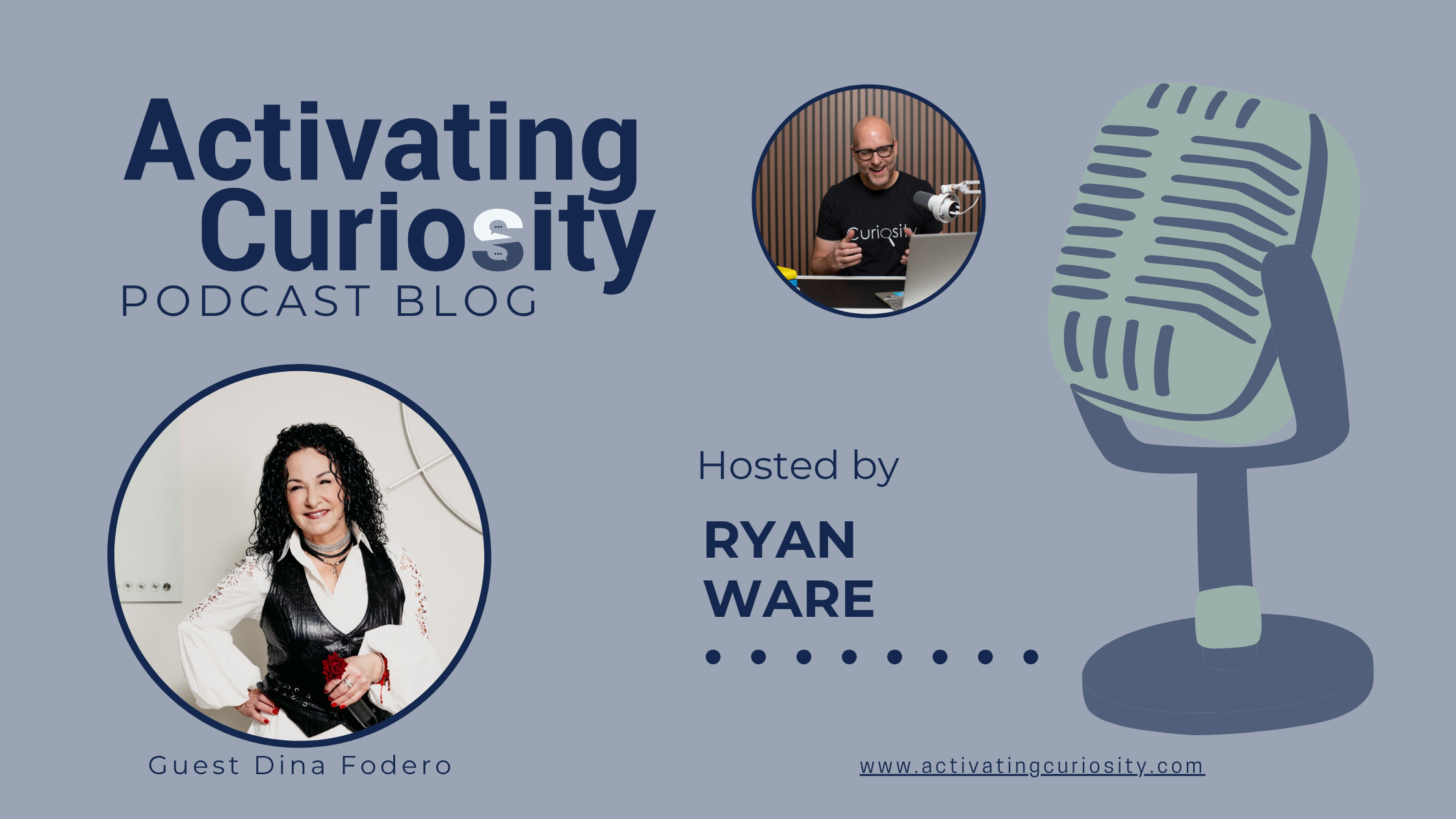
Invisible Personal Protective Essentials (I-PPE) refer to the mental, emotional, and psychological safeguards workers need to thrive in high-stress environments. While traditional PPE protects physical anatomy from jobsite hazards, I-PPE addresses the hidden human factors—such as belonging, psychological safety, and emotional health—that dictate long-term retention and overall well-being in the construction industry.
Key Takeaways
- Physical safety gear like hard hats and harnesses protect the body, but fail to safeguard the mental and emotional well-being of construction workers.
- Invisible Personal Protective Essentials (I-PPE) focus on psychological safety, emotional intelligence, and human connection in AEC workplaces.
- Labeling human skills as 'soft' undermines their difficulty; navigating human complexity is often the hardest task a leader faces.
- Creating a culture of belonging requires moving away from one-time onboarding trainings toward continuous, trust-building daily habits.
- Mental health challenges and invisible personal stresses affect both women and men equally across field sites and corporate offices.
The Evolution of Safety Beyond the Hard Hat
For decades, the construction industry has treated safety as a physical metric. General contractors, project managers, and safety directors pour immense resources into compliance, fall protection, high-visibility vests, and OSHA guidelines. This relentless focus on the physical body has undoubtedly saved lives and reduced jobsite injuries.
However, an essential element remains entirely unaddressed on most project sites: the person inside the gear. Workers do not leave their personal lives, emotional struggles, or cognitive stress at the jobsite gate. When a project manager brings invisible burnout, marital stress, or feelings of isolation to work, their decision-making, focus, and collaboration suffer. Expanding safety protocols to include psychological health is no longer optional for forward-thinking AEC firms.
What Are Invisible Personal Protective Essentials?
Coined to bridge the gap between physical safety and human needs, I-PPE shifts the paradigm of workplace protection. Just as a harness catches a worker before a physical fall, I-PPE acts as a psychological safety net that catches individuals before they experience emotional burnout, mental exhaustion, or professional isolation.
In practice, I-PPE looks like a field superintendent noticing a crew member's uncharacteristic quietness and asking how they are doing. It looks like an executive room where team members can admit mistakes without fear of immediate retaliation. By normalizing these behaviors, organizations build resilient teams capable of handling complex project delivery without sacrificing individual wellness.
Why We Must Stop Calling Human Skills 'Soft'
One of the most damaging misnomers in corporate culture is the label 'soft skills.' Categorizing empathy, active listening, self-awareness, and conflict resolution as secondary traits implies they are easy to master or less valuable than technical estimating and scheduling.
In reality, mastering human dynamics is some of the hardest work an AEC leader will ever undertake. Engineering drawings and structural calculations follow predictable laws of physics. Human beings, on the other hand, carry unique pasts, biases, emotional triggers, and communication styles. Leaders who invest time in developing their emotional intelligence are better equipped to reduce turnover, resolve site disputes quickly, and foster environments where innovation can flourish.
Culture Cannot Be Installed via One-Time Training
Many construction firms attempt to fix cultural deficiencies by hosting an annual seminar or adding a paragraph about values to the employee handbook. Unfortunately, culture cannot be deployed through a policy update.
Culture is experienced continuously through how leaders show up during a crisis, how mistakes are handled in project meetings, and how team members treat one another when deadlines tighten. Establishing a healthy environment requires daily micro-interactions that signal trust, respect, and mutual support. When a team operates with zero tolerance for toxic gossip and a high commitment to lifting each other up, belonging becomes the natural byproduct.
Moving Forward with Clarity and Connection
Protecting the physical body is only half the battle in modern construction. To build sustainable companies and resilient project teams, leaders must embrace the human side of leadership with the same rigor they apply to safety manuals.
To dive deeper into how invisible personal protective essentials can transform your jobsite and corporate culture, Listen to the full episode of Activating Curiosity to hear the complete conversation on leading with empathy, supporting women and men in the trades, and redefining what it means to keep people safe at work.
Frequently Asked Questions
What does I-PPE stand for in construction?
I-PPE stands for Invisible Personal Protective Essentials, a framework created by Dina Fodero to address the mental, emotional, and psychological safety needs of workers in industries like construction.
Why are human skills considered difficult rather than soft?
Human skills involve navigating complex emotional dynamics, personality traits, and interpersonal conflicts. Because human behavior is unpredictable and deeply tied to lived experiences, managing these dynamics requires high emotional labor.
How do invisible challenges affect both men and women on construction sites?
Both men and women carry external life stressors, performance anxieties, and implicit biases into the workplace. While women often face isolation as numerical minorities, men frequently struggle with emotional suppression due to industry stigma.
Can psychological safety be achieved through a one-time company training?
No. True psychological safety and workplace culture are built through daily leadership habits, consistent accountability, and open communication rather than a single onboarding seminar.

CEO/ Change Management & Leadership Coach/ Key Note Speaker & Podcast Host
Ryan Ware is Founder and CEO driving construction leadership development. With over two decades of experience across every segment and level of management in the construction industry, Ryan’s career journey began in architecture and expanded into construction and prefabrication manufacturing. Throughout, he encountered consistent challenges with change management implementation.
Driven by passion and purpose to advance the construction industry, Ryan took to the stage to support as many leaders as possible. He helps audiences build stronger relationships with change and challenges the way leaders think about change, innovation, and leadership. His mission as a speaker, coach, and consultant is simple: to help the construction industry evolve by empowering those who shape it to better navigate change.
Why Construction Estimating Is the Real Bottleneck in Housing Affordability
 Apple Podcasts
  Spotify
  Amazon Music
  Youtube Music
  Goodpods
  iHeartRadio
  Deezer
  Castro
  Castbox
  PocketCasts
  Audible
  RSS Feed