
 Apple Podcasts

 Spotify

 Amazon Music

 Youtube Music

 Goodpods

 iHeartRadio

 Deezer

 Castro

 Castbox

 PocketCasts

 Audible

 RSS Feed
We Can Design Almost Anything. Why Can’t We Build It?

Key Takeaways
- Platt Boyd founded Branch Technology after realizing that conventional construction methods limit architectural creativity by forcing complex designs to be simplified or value-engineered out.
- Nature-inspired geometry and cellular fabrication combine robotic 3D printing with common building materials to create lightweight, structurally sound building systems.
- The journey of construction innovation involves navigating severe cash crises, pivoting business models, and adapting from residential housing to commercial building facades.
- Additive manufacturing and prefabrication shift the construction industry toward a manufacturing mindset, building products in controlled environments rather than assembling them piece by piece on a jobsite.
We can design buildings with extraordinary complexity. But when those designs move toward construction, they're often simplified to fit the materials, methods, and processes we already know how to use.
What if robotic 3D printing could change that relationship between design and construction?
Platt Boyd, founder and chief innovation architect of Branch Technology, joins Ryan Ware to explore how cellular fabrication, nature-inspired geometry, and new manufacturing methods are challenging the limitations of conventional construction.
Platt spent years working in architecture, experiencing the gap between what designers imagined and what conventional construction methods could deliver. Rather than continuing to work within those constraints, he began exploring a different question: What if we could change the way buildings are made?
That curiosity led him to study how nature creates strength through geometry, placing material where it's needed rather than relying on mass alone. It also led to the development of Branch Technology's cellular fabrication approach, combining robotic 3D printing with building materials to create lightweight, complex structures that would be difficult to produce using traditional methods.
Ryan and Platt explore what happens when construction starts treating buildings more like manufactured products instead of collections of materials assembled piece by piece on a jobsite. They challenge the assumptions behind conventional building methods, the material waste those processes can create, and why prefabrication may open possibilities that go beyond simply making today's processes faster.
But Platt's journey also reveals the human and business realities of challenging an established industry. From leaving a career in architecture to facing a serious cash crisis and making difficult decisions about the future of his company, innovation required more than proving the technology could work. It required navigating uncertainty, adapting the business, and finding a path between a compelling idea and a commercially viable solution.
The conversation also explores the growing gap between what digital design tools and AI can imagine and what conventional construction methods can physically produce.
For an industry accustomed to designing around familiar constraints, that raises a different possibility.
What could we build if we stopped assuming today's construction methods define what's possible?
In This Episode
- Why conventional construction methods can limit architectural creativity and design possibilities
- How nature inspired Platt's exploration of geometry, strength, and material efficiency
- How Branch Technology uses robotic 3D printing and cellular fabrication
- Why lightweight geometries can create strength while using less material
- What prefabrication changes about how buildings are manufactured and assembled
- How traditional construction practices contribute to material waste
- The financial risks, difficult decisions, and pivots involved in bringing construction innovation to market
- How new manufacturing methods could expand what architects and engineers can design
- Why AI-generated designs are exposing limitations in conventional construction methods
- What happens when we question the building processes we've accepted as normal
Chapters
00:00 – The Gap Between Design and Construction
01:18 – Introducing Platt Boyd and Branch Technology
02:55 – From Architecture to 3D Printing
07:37 – How Nature Inspired Cellular Fabrication
12:30 – Questioning Design and Construction Constraints
15:41 – How Geometry Creates Strength
19:39 – Bringing a New Construction Method to Market
23:18 – Taking the Leap and Challenging Expectations
29:17 – Innovation, Adoption, and the Human Side of Change
34:25 – Why We Build Buildings Like Cars in a Front Yard
39:18 – How Branch Technology's Building Systems Work
43:40 – Expanding Architectural Design Freedom
46:38 – Making Building Facades Lighter and More Affordable
50:37 – Material Waste and Building More Like Nature
55:15 – Attracting a New Generation to Construction
57:17 – What Success Looks Like for Branch Technology
59:25 – Questioning What's Possible
1:01:34 – Turning AI-Generated Designs Into Reality
1:02:51 – Closing Reflections on Curiosity
Guest
Platt Boyd is the founder and chief innovation architect of Branch Technology, a Tennessee-based company developing new approaches to construction through robotic 3D printing and cellular fabrication.
With a background in architecture and decades of experience in the construction industry, Platt founded Branch Technology to explore how nature-inspired geometries, additive manufacturing, and conventional building materials could work together to create more efficient and architecturally expressive building systems.
His work challenges the traditional relationship between design and construction, exploring how new manufacturing approaches can reduce material use, expand design freedom, and change what's possible to build.
Connect with Platt and Branch Technology
https://www.branch.technology/
Overcast Innovations
Helping project teams coordinate building systems earlier for more predictable outcomes.
New Lyfe Accounting
Free Diagnostic ($500 value) for Activating Curiosity Listeners by NLA, to help your financial goals
Have feedback or stories to share? Drop us a note or leave a VM—we’re listening!
Follow Ryan at the following:
https://www.linkedin.com/in/ryankware/
https://www.linkedin.com/company/connective-consulting-group-llc
https://connectiveconsultinggrp.com/
https://connective-coaching.com/
https://ryanware.me/
Don't miss out on future episodes! Follow & subscribe now to our newsletter and stay informed about the latest trends and insights in the construction industry.
If this show helps you, please consider supporting it. Just $3/month helps cover production and keeps the conversations going.
⭐ “Love the show? Toss some stars my way, it’s the easiest applause ever.
Frequently Asked Questions
Who is Platt Boyd?
Platt Boyd is an architect, founder, and chief innovation architect of Branch Technology, known for pioneering robotic 3D printing and cellular fabrication in the construction industry.
What is Branch Technology?
Branch Technology is a Tennessee-based company that uses robotic 3D printing and cellular fabrication to create lightweight, complex, and nature-inspired building structures and commercial facades.
How does cellular fabrication work in construction?
Cellular fabrication involves robotic 3D printing of a rudimentary open lattice cell structure, which is then infilled with common construction materials to provide strength and function for wall assemblies.
Platt
We've got one month left of cash. And I was just like, what? So it was like just we had to reboot. We tried to raise money. It was something that they could smell desperation. And so they don't fund desperation. They fund business traction. Your design gets dumbed down from something that was nice and beautiful down to something that's just kind of boring. That process of like dumbing down design and not being able to do things that you see in nature that are so beautiful. So the question was, how can we build like nature? All of the stuff that you can do with AI in terms of generation of ideas, oftentimes those are unbuilt because it's impossible with normal methods of construction.
Ryan
And again, I want to thank everybody for listening. Continue to share if you're interested in the podcast, share these conversations with those in your network. That is one way as an independent podcast that we're able to reach more people with these conversations, especially if you feel like this is helping with leadership. It's helping you be more curious about innovation and the parts that you can play for the adoption of innovation within the construction industry. Today's conversation is one of those areas that we have not had a chance to have guests on yet. It has been something that's of interest of mine for a very long time. In fact, I spoke to this guest as they were just starting to take on some new solutions for their business, and that happened to be during the pandemic. But today I have with me Platt Boyd. He is the founder and chief innovation architect of branch technology, and they are based in Tennessee. And Platt has actually started very similar to me, started from the architectural background. So I'm looking forward to this conversation and learning more about him as well as the work they're doing at Branch Technology. So, Platt, welcome to Activating Curiosity. Yeah, thanks for having me. Yeah, I appreciate it. I know, again, it's been a long time. You've talked to a lot of people. I have been fascinated with the work that you guys have been doing since I first came across. But before we dive into all things branch technology, talk a little bit about yourself, your past, and kind of the things that you were noticing as you were practicing architecture into and about the point when you when you launched branch technology.
Platt
Background, I've been in construction for 27 years now, practicing as an architect, or 15 of those. Was at a uh regional firm and was there for, I guess, 15 years. And uh by the end, I was a partner uh there. And then working kind of on a really difficult project uh late on a Saturday, took a break and read an article about 3D printing and construction, and they were using concrete to kind of ooze out in layers. And I was like, that's not really how you build a modern building. Uh and so I just did a sketch, and it was on a little three by five card in initially, and then it that's what kind of turned into the question, which is how might we build with additive manufacturing in construction? So it started as an idea, worked on it nights and weekends for about nine months, uh, and then took the leap to start it. And that's been 12 years ago now. So for the first about 10 years, I was the CEO. But as a creative, that kind of sucks because you're spending all your time doing raising venture capital and doing sales. And so uh it was like a 10-year sprint, and I was exhausted by the end. And so I hired my replacement, and now getting back to the more creative end of things as the chief innovation architect, doing uh work on material science and product development, what we call solutionering, which is where we somebody brings us a project, it might not be exactly a perfect fit with our current products, but being able to say if we tweak this and this and this, we can say yes uh to that project. And so it allows us to hit a broader swath of the commercial construction market. And then some of the uh government projects that we work on, like with the Air Force, uh Corps of Engineers, uh, and NASA that are pushing the envelope hardest uh for us and developing new materials, new products, and doing things uh potentially on the moon. So some uh surreal things that uh have been able to work on now in this new role, which is a whole lot more life-giving uh than being a CEO.
Ryan
I have heard those stories and I've been a part of them where you're practicing architecture and you're going through the grind, tough projects. And I hearing you describe this, it's like you're finding yourself into this pattern and you you notice something as you're reading it, and it's like it sparks enough curiosity, you're like, wait a second, like what sometimes we can ignore it and we just don't see that interruption into the pattern, but this thing caught your eye, and you're like, wait a second, this is not this is different. This is different than anything I've seen. It's different than the way I think about it, or uh maybe others have, and how can I dive into this deeper and kind of understand what it could mean? So you then you find yourself, again, going into a pattern of nine months before you take the leap, which is always like, when do you jump? When you have an idea, when do you jump? Because you got, you know, family, you got bills, you got all these things as a human you're trying to deal with. And then it sounds like you you go do this, and you again almost find yourself in the pattern as a human of, hey, this, I have to do this. Like I have to go get venture capital, I have to go get money, I have to go get the funding, I've got to go tell the story. But again, it was like a a little bit of a misalignment from those things that were that you're doing now. After those, you know, once you could get to the point to hire the CEO, that has expanded your business. That has allowed you to you to focus on the areas that are important to you, a CEO to be able to handle some of those things that maybe trained you. So that that from a human perspective, I think, is where a lot of us can get lost in those patterns. So I'm I'm glad you shared it because you've you launched your own company, you've been the CEO, you step, you step out of that role, and now you guys, I mean, you're talking about again, talking about moonshots, you're talking about taking an idea that you had on a Saturday afternoon on a sketchpad to be working with the government on a potential project. So, big question here is what was it, like you said, how can we use additive manufacturing to build? But what was it you were really noticing of like, you know, why that problem was important to jump into? Like, why was it so important for you that day and and continues to be important to jump into solving that problem?
Platt
So I guess probably for I don't know, maybe 10 years previous to this idea, I had been taking a sub after I passed my architecture exam, I would take a each year would take a kind of subject and kind of dive in to that and just to learn. I'd I autodidact and love to learn. Um, and so like I went to the Smithsonian Museum of Natural History in DC while at some conference and went through and saw all these skeletons of all these animals. And I was like, there's similarity in a lot of those, uh, but they're different. Uh there's variation, but there's types. And so I began studying what's called osteology, which is bones. And it like it's fascinating. And it was like, how do we in our bodies create structure? And then that gets wrapped with muscle and skin and all of our organs and stuff, but it's just that's the framework. And so I began looking at like animals and people, uh, but then looking into like some biological subjects like uh diatoms, which are these tiny little sea creatures that there's trillions of them in the ocean, and they they provide, I think I don't I can't remember the stat, but a huge amount of the transferring carbon dioxide into oxygen. And but they when they die, they create these little structures that are beautiful, uh tiny, tiny, tiny. They're just absolutely gorgeous. And one particular type is called a radiolarian, and it has a structure within a structure within a structure, and that was at my desk for, I don't know, maybe 10 years, kind of in my background. And I had it, it was I collect these photographs, I call it my beautiful and amazing collection. And so it's if you click on my Pinterest, uh, you'll see a lot of those images. And so it's from microscopy and at the very micro scale up to like macro and this USGS satellite imagery of the earth, and you see that something that's like this big is about five miles, but you see these huge patterns of like flow of ice or clouds or things like that that are just absolutely gorgeous. And so you see these patterns at micro and macro scale of beautiful things, and so that had been kind of looking into things like that structure, how the world is made at those levels. And I think it was realizing that okay, a building is rectilinear, not much in nature is rectilinear. Um and then going through projects, oftentimes they're over budget, especially in the boom days of like pre-2008, you had to go through VE processes on almost every single project, uh, which sucks, which means your design gets dumbed down from something that was nice and beautiful down to something that's just kind of boring. This kind of frustration uh with like, okay, that process of like dumbing down design and not being able to do things that you see in nature that are so beautiful. So the question was, how can we build like nature? That was kind of resonating in the back of my mind, is and I think that's what initially led to this sketch, but then our method, we call it cellular fabrication. That's where it gets its inspiration, is because we build a very, we 3D print a very rudimentary cell that's cubic in nature, uh, but then infill with common construction materials. Like in a cell, like the outer bounds of a cell create some strength. But really, the material within the cell provides the majority of the strength and function for that assembly. So, like in a tree, it's turger pressure. In our muscles, it's blood and water pressure. And so what we're doing at branch is using that very rudimentary cell and then common construction materials within and around that to provide the strength and function of normal wall assemblies. So the big idea is how might we translate the beauty, the strength, the efficiency of nature into how we can construct buildings and other things. And so that's the fundamental big idea behind what we're doing. We're just beginning. I mean, yeah, we've done lots of projects now, but that journey, I'll not see that in my lifetime. The end of that. You can make almost anything with a cell.
Ryan
So that's that's kind of the underlying idea. It's interesting because you're taking something that was a passion, right? Which could seem some form adjacent to what you were doing, or completely removed from what you were doing. And you're taking that passion and suddenly asking different questions about the industry that you knew, the industry that you grew up in and were a part of, and saying, like, hold on a second. Like, what is what is it that's constraining us right now in this moment where everything is rectilinear or or doesn't look like nature, doesn't feel natural to us as humans. You know, it feels like when you're out in nature and you're kind of walking, to shove a something rectilinear in the middle of it feels you know like it's randomly placed or you know, shouldn't be there in the first place. So you you're saying to yourself, like, hold on, like we're asking maybe the maybe we're just not asking the right questions. It's not the questions we're asking in the industry were wrong. You were just starting to shift it and saying, like, I have an interest. How does this work over here in this area? And how can I start to bring it into this thing that that you were also passionate about that was your career and things you were doing for your clients, at the same time saying, like, like, I'm sick and tired of seeing my designs be sliced up and dished out, you know, taken taken over here off the plate as as an option for me as an architect to design. And I that's a big part of it. I, you know, I get frustrated by even the word value engineering because it's not what it was initially intended to be. And we just keep I when I go on and I see somebody offering it a service, I'm like, okay, that's not that's not what it should be done. We should be doing as an industry. We're problem solvers. Exactly. You're just cutting scope, and it's not giving the client back anything, it's not giving the client what they want and then or probably need. And from an architectural standpoint, it's like we're we're constantly in a battle of what should be remaining and what shouldn't. So I I think just hearing your story then, I get well, that probably leads to why you called it branch technology, then, right? Like a little bit of story of this this being able to create this this these solutions around nature, bringing in the term branch uh even to even to the company and the business name helps you tell that story, tell that story a little differently. So I'm fascinated by this idea then, as you get started and you're thinking about, again, you're testing it. You're you're you're launching the company, you're drawing the sketches, you're thinking about the robotics, you're thinking about these these cells that you're talking about in order to create something. What was the transition then with with the problem that you were looking at of how you would start bringing solutions and where did you start? And like you said, it's it's continuing to expand when you when you brought this in, but where did you first start? Well, like what solutions were you really bringing to designers?
Platt
First thing that we did, I guess, was to determine can we build like this? And is it even possible? And I had this little thing called a three-doodler. Um it's a 3D printing pen and made this little piece that's it was about like this big, and it weighed a half an ounce, and but it held up 18 pounds of books on a half ounce little tessellated structure. It was an open lattice. So I was like, okay, geometry can create strength. And then I got kind of a Home Depot version of an extruder uh and did something with that, and I think on two ounces, it supported me at the time when I was like 160. Yeah. Um, and so it was something that okay, as you begin to iterate, you can create that strength. So I mean, we had to figure out what is what we're making able to hold up. And then once starting, like that was all prior to launch. Once starting had to it was really kind of an intersection. This was back in 2014 of things coming together. Robotics were becoming more accessible, like industrial robots are ridiculously difficult to program. And typically you do one to two motions a million times, and what we're doing is a million things one time. So it's each moosh motion is custom. Well, that's not typically how industrial robots are managed. Yeah. Uh and so there was this a program uh that I like within I guess six weeks of starting, went to this uh event called Robarch, Robotics and Architecture, uh, that was at the University of Michigan. And they had a kind of a program that they had developed that allowed an architect to learn how to program an industrial robot. Um and so it made it where you could use Rhino and Grasshopper as the control mechanism for these big robot arms. And so that was a learning curve. Um, both the robot programming and then Rhino, which I had never messed with before, and not to mention Grasshopper, which is a totally different type of uh language. But that's where it started, and then having to uh design an extruder that was able to freeform 3D print because our our material solidifies in open space rather than being layer by layer built up. Uh, and so had to design that and have that fabricated. Um and it actually worked the first time, uh, which I it was fairly miraculous, but it it was something that there was a lot, there was a lot in there and to that. Um, so and then integrating robotic programming with extrusion variables in order to start printing in free space, and it's a lot of art to that, not as much science. Um and so it's extrusion is it is definitely more of an art than a science. Uh, and dialing it in, and I don't know if that answers your question about but that was the start. Uh I guess the why, like what we why we were doing that in order to build structure, to build walls basically, and an enclosure for a building. That that was the purpose. That was the initial goal was to be able to build structures and walls and building uh elements.
Ryan
Yeah. Well, no, I it it does answer the question because you you had to start obviously just like you said, testing these different sizes, getting the cells to come together as because you're not layering it, you're not running it horizontal, you're actually starting to go vertical and space, like you're saying, and to construct the structural piece. And so you had to start before you could get to panels or get to anything else that was going to become like you know, the facades or anything else that was happening inside of a building. You're like, look, I got I gotta know, can robotics even do this? What are the constraints of the robotics? What are the softwares that I have to use? So you're not only like, yes, humans, when we see something new, like we're in a retrained mode. Robotics is the same way. So you were like, we got to figure out how and where the current state of robotics and software are to what I'm wanting to do. And maybe this was, you know, maybe there's some you know, good luck in the timing, obviously, as you're starting to do it too, is like this acceleration of additive manufacturing, the acceleration of of software and technology in robotics, all really starting, you know, post 2010, right? This has been around a while, but we're really seeing that acceleration and convergence of those things giving us more opportunity to do it, which led you to having having more opportunity to go to Michigan and see what robotics were doing, testing it. So I think it's important to know the history of it because you weren't, it wasn't like, hey, we just made a product. Like we just came out and started printing. We have a product. You went through the science, you went through the engineering, you went through all of the technology background and trying to get it all to come together to ensure that the strengths of the things that you were making worked in the real world while meeting the goal of how can we build more like nature. And from 2014 till today, like that's not a that's not rushing to market, which I'm sure has been, you know, it's a long journey. But for the construction industry, we don't tend to like new things right off the bat, right? Like we don't want to. accept it right away because it's new, unfamiliar. So therefore, you know, we have to kind of go in protection mode. So with that then, as you as you went through these iterations, Platt, you and your team, like what what have been some of the you know potential obstacles or barriers that you've heard when you first got started and how that had you thinking about what was possible, because it sounds like that's how your your brain functions versus just shutting them down as resistors. And then another area is like how is the feedback from those who maybe are less of the obstacles and less barriers being thrown into how how they're like, this is huge. Like this is like if you're talking to government NASA and they're getting involved or whomever, right? Like that that's a different that's a different feedback loop to what's possible. So what kind of walk through those uh different emotional states maybe of what of what taking something like this to market looks like yeah uh initially uh when I told people I'm leaving my partnership and going to start a company and uh it's going to be 3D printing buildings.
Platt
Yeah. You get this weird you're just like what the heck are you smoking? And uh so there's a lot of like I just had to swallow pride and just say yep that's what we're doing and get a lot of the crazy looks uh initially but I think our initial focus was homes like we wanted to do residential homes and we sponsored after we kind of had done a couple projects like with uh shop we had done a project with Keith Caseman which led to a project with shop architects uh for art basel uh and design miami and they turned out to be the largest 3D printed pavilions in the world this was back in 2017 then did a a spanning structure that was like a 42 foot span that was a a dome like that was a band shill uh and that's now where Nashville has their Shakespeare festival. Nice and so it's that was back in I think 2018 and it was the largest 3D printed spanning structure in the world. So around then is when we sponsored a design competition for the first uh 3D printed house and it went viral like it had over 1300 registrations from 97 different countries around the world and it then the we were going to print the winning entry uh and so a firm called WATG uh I think they're the number three hospitality design firm in the world they created this beautiful design called Curve Appeal and if you Google curve appeal uh 3D printed house you'll still see those images um all over the place and then that got published it had over a billion views on stories around the world like it went all over the place so then we worked with them to refine the design through the process of design for manufacturing and assembly uh DFMA and then we had met SOM at Oak Ridge National Labs and some of their engineering team reached out to them to see if they might be willing to engineer this thing. And so that was Bill Baker who is the structural engineer for the Burj Khalifa in Dubai and they took it on and their advanced structural engineering team went through kind of a finite element analysis process. They had to build a structural model of how our material performs and then that informed the digital model uh and how they could model uh the structure we got it to the point of permitting we're gonna put it onto a local community college's campus as a like a teaching nice and went through permitting had the site had all this stuff uh we printed all the parts and then we foamed and milled about half of them and then my CFO called me I was in Chicago promoting this at Con Expo before con like the 2020 con expo and he said we've got one month left of cash and I was just like what um and so uh it was like just we had to reboot I we tried to raise money that was uh right before COVID it was something that they could smell desperation and so they don't fund desperation uh they fund business traction and so anyways didn't couldn't raise a dollar we had to pivot away from that had to halt production completely uh went through a massive layoff which was sucks yeah um uh and then we did have a couple government contracts that we accelerated uh in order to bring in some revenue and then pivoted to a thinner product uh that you don't have to go through a nine month process for one house to engineer it can be panelized and productized and so that's when we introduced uh facades for the commercial market much thinner much less material and then begin to hit the market at the price point for commercial facades and so that was back in 2019 uh 2020 uh timeframe and so that very stressful emotional horrible time to like affect people's lives I mean I had recruited this spectacular team people from all over the US uh from amazing entities and then to have to lay people off because we didn't have enough money that sucks as a CEO that's the worst thing that you can ever do. But we pivoted uh major pivot to commercial construction and then in the early days because of code we could not go over 40 feet tall until we went through a whole bunch of testing we have since gone through years of time millions of dollars worth of testing to meet international building code for commercial facades that include like weatherability, flammability, strength, wind impact uh and but that was a long time in the works and cost a ton of money but now even this past year we did a new one in Miami to meet the Miami hurricane high velocity hurricanes that are testing or uh impact and wind resistance. So that again is a long process cost tens of thousands of dollars to do one test.
Ryan
Yeah the story is you know it's human it's emotional you're a leader and that's one of the things we we talk about leadership development and COVID whether it was COVID or going through and I know you probably experienced this too like practicing in 08 through 2013 like those were brutal times when you're trying to run operations and watching businesses shrink and and be pulled back because of that financial disruption but beyond that like something something you said like about the whole competition in in the viral state of like publishing it and putting it out and then getting it into a project like that is a I don't that's such a unique approach to getting a solution like people to buy into something that's different because now they're coming in again as this willing participant it isn't something like this new innovation is being pushed onto them on a project because somebody wants to try it and and they're like oh I I'm just being forced to use this I didn't even know I wanted to you're you're actually you actually provided this this pathway of getting to an intrinsic motivation of us as humans and designers and engineers and all of us that work in the industry to to be a part of something. Even if it meant like we might not even be the ones selected but we would give our energy to it like it meant something and I just that is to me like that is such a great way to think about adoption versus the way we tend to shove a product at somebody like you like like the marketing approach a lot in our industry you know can be off but architects like like yeah we're emotional like the building has to to look like what we want it to look like. And the ability to say like hey you get to control it. It's your idea we're going to figure out how how to build this is taking some of that pressure off a forced uh forced relationship. So I don't know I just wanted to share that because I just think that's such a unique and different way to look at you know industrialized construction and the things that are part of it like additive manufacturing material science robotics and how you're blending those together to one you were trying to look at it from a housing. And I I do believe that I have seen those images I'm going to find them get them in the into the show notes because I think what I've seen on on your your information I'm like this is beautiful. You know it's interesting plat because when we were talking I was looking at all of the additive manufacturing and I was told I was crazy and we would never be printing buildings and and homes and I shouldn't you know I shouldn't really be investigating it. And I just felt at that time like this is the future like this there's true opportunity here if we can shift our mindset around like we have to build this way because everything tells us to the patterns that we're in the structural structure that we work within the boundaries that we work within and and you're telling the story of like this this this solution and the thing that you're bringing to to us in the industry to address the code and to address you know all the things that we have to do and have in our buildings whether we're you know earthquake or or hurricane as you said and have all of the the requirements met as we would if we were building it on site and layering it up and and getting that you know solution brought to market is a journey in itself. And I think again this is where the you know the funding piece yes that's that's the difficult part about anything in innovation. I was speaking with somebody recently that focuses in on technology and and materials that actually you know capture and hold the carbon over in based over in Germany and that's the hardest thing is like if you're a company that is already you know established and then you kind of branch something off to the side here if you will to try to do something innovative like they have cash to maintain the main business and if they want to pull the plug on the one over here the innovation piece they can but they can also kind of fund it. And for someone who is over here with none of that trying to get the industry as you said they they are looking at it like well can we make money are they making money and all those those things without ever looking at like the cost of not not addressing it. The future like the future state is we the labor force we know it is continuing to shrink the way we're building has continued to to be this barrier in itself towards solving the problems and and you're sitting there like this this can really address a lot of a lot of the issues that we have in the industry.
Platt
I think one thought on that is like seeing most industries build through prefabrication they they manufacture and so what we're doing is all about prefabrication and I saw some of those companies that are putting robots on site and I was like oh that's like doing the same thing over again um but with a different harder to manage piece of equipment. Yeah. So our approach is 100% prefabrication um and it's looking at bringing industrialization to the construction industry manufacturing product rather than assembling on site because the way that we do it right now it's kind of like saying okay here is a bunch of wire and plastic and metal and some glass put it in your front yard and say okay now build a car in your front yard. There's that's hypocrisy but that's exactly what we do with buildings. We ship all this stuff to a job site and then assemble it on site when there's far more efficient ways to make things and so that's been our approach from the beginning is to go the pre-thap approach. And so that that's fundamentally different than a lot of those other concrete 3D printing companies that are out there.
Ryan
Yeah. Well and I think you just said it too is like a lot of times we to go solve a problem because it the problem sits here and the things that are we're used to the known area over here will bring it into a what we call a new solution to solve the problem. And what you guys are doing is like pref I mean prefab is not new we we've been doing it but you're also utilizing you know a new approach to fabricate through even new materials and some existing materials but doing it in a different way than the way we've done it. I know it's what we're carbon fiber, two glass reinforced and and the cellular foam things like that, like things we're used to that's just not done in this manner. And like you're saying it's like stepping back from a problem and and trying to this is what you did and what I heard you do as you described sitting at your desk and doing a sketch is like boy we do not do that this way. And if you were not bringing the same answers that you've always known into the solution it was starting with a blank slate but understanding the industry and not allowing yourself to kind of stay trapped into well people will buy in better or easier or quicker if it looks and feels exactly as it was well and the end product and solution that you're you're bringing can be that but also like the free form and the shapes and the things that the robots don't care well they do care because you got to train them but not emotionally like a human or the way a human would have to go through to get some of these shapes that you're able to to do because of the form and the way you can print it and the way the robotics can move move through their form in order to create it opposed to if you were doing precasts as an example building a form like that would be you know a lot of work or extra material to get it to go that way. You're not wasting the material using the same amount of material that you're putting in is what stays in into the system other than what you maybe have to mill off with the foam. But I don't know I did just hearing you kind of describe it I think it's a different it's a different way to think about solving a problem than just bringing you the same solutions slightly tweaked. Does that make sense? Absolutely if you want I can show a video of that process. Yeah go ahead and bring up bring up the uh robotics for those of that that are going to be watching it on on YouTube we'll be able to kind of see how the robotics go through the form I know I've been able to see this a few times and it's always exciting to kind of watch and there you're those who are watching we're getting to see that free form that that we're talking about because of how the robotics can actually you know extrude the uh the cells so yeah so this is our facility um we're based in Chattanooga Tennessee and our software creates that internal geometry and then drives the custom path plan for these large scale industrial robots creating a structural lattice that's freeform 3D printed where that as you see there that material solidifies in open space rather than being layer by layer built up and that uses 20 times less material than a layerwise approach and it's a carbon fiber reinforced polymer that a piece about the size of a CMU block weighs two pounds but can hold up 3600 pounds in compression.
Platt
So that's kind of what we use to make the bones of our wall assemblies and then we take that and infill it with a fire rated spray foam insulation and then mill that down robotically to get to whatever surface articulation someone's wanting on these panels. And once it's infilled and becomes a composite it more than doubles the strength. So that same block instead of 3,000 pounds now it's seven to ten thousand pounds in compression and that's about three to four times the strength of normal wall framing methods. So that's kind of the process the underlying tech and it it makes a product that's prefab panelized either rain screens with that composite core or we can install that on site and finish it monolithically on site so that you don't have all the seams. So that's that's kind of uh the product itself and then that's finished with micro cement, engineered acrylics stuckos plasters for almost an endless palette of uh color texture finish options and so that's uh it's fun to see what architects come up with and uh project teams come up with based on those capabilities and like we've done projects all over the world primarily in the US but now on four different continents and kind of the theme is like brands big towers and some billionaires houses down in Florida uh you won't see those on any of this but it it is some amazing homes but brands like Altered State some theme parks lunar facades construction companies banks like hotels hospitality space shuttle for the U.S. and rocket center this is a on Billionaires Row in New York this was the rendering and this was the reality uh on that so it turned out beautifully Lululemon Soho uh Snapchat in California on Sunset Boulevard anyway I've just a lot of different things that basically it's design freedom uh it's allowing design freedom for design teams and democratizing design freedom into normal construction budgets and so that it's exciting to see what people come up with based on our capabilities. And then new products like this this is the for the US Air Force piloting a new product for the energy efficient retrofit to existing buildings where we take a LIDAR scan of that existing building its deformation its features and then instead of the the feature face being milled it's the backplane is milled to be a glove fit onto the existing building's uh geometry and so it brings energy efficiency and new life to old buildings and then piloting that with the National Renewable energy lab in Colorado where they tested it to show that it saved about 50% energy from a baseline level. Anyways and including uh this was the one of the most surreal projects is we were approached by NASA about two years ago and they said you guys are good at problem solving we've got a very difficult problem we need to build a 150 foot tall tower on the south pole of the moon for solar power generation and communication. And so this is our fourth project now with NASA and so we worked with fostering partners on the structural engineering and design and initially we came up with 31 different ways to do this and then down selected to two and then demonstrated a 15 foot tall section of one of those methods. And so it's a helical diagrid it's parametric so it can thicken down here at the bottom uh but get more filigree and lighter at the top where you don't need that mass and material because material is incredibly expensive to produce or transport in space. Can't imagine that anyway so that is some really fun projects that's some of the things that uh you can see social media our website a lot of that is not on our website um so anyways.
Ryan
No, I think we'll I mean for those that are again are listening we'll find ways to get them get them access to some of those images those that are watching you on YouTube were able to kind of get a feel for for what you were sharing there. But that you know from an architectural standpoint there's just again it's that design freedom to come up with anything because you're able to sort of freeform They weren't just, I mean, you had you were showing, you know, spaces and lobbies where you're you're building the reception area to actually, you know, the facades that are going on to retail to the banks like you're showing. And I think that's what was really capturing my eye and thinking back towards how we've always done facades. And being, you know, growing up in Ohio, most places, everything's brick. And if it's not brick, then, you know, somebody's want you got to use like a knife as sort of solution to it. And I know you guys have partnered with one of those groups as well, because that was a you build those things up. You're building these panels up onto the to the exterior of the building, but the freedom to get it to be any shape really that you want, and with the structural integrity that it can be provided, you know, by one, the carbon fiber, but also by reinforcing with all of the other additive items that you're putting in is tremendous. Between the spans that you're talking about, getting the length of the facades, no seams, getting um getting it to be any shape, I think is incredible. And I think when I'm thinking about it as a designer, it's always like we tend, you know, we go start designing a building and we tend to kind of go to the things that we've always done. And yes, we want to push it, but we're at the constraint of what's possible via someone of the current manufacturers who maybe that's how we've always been doing it. You guys are offering every building has a facade, every building has a skin, every building has has to you know have that that feature, right? So I'm you know, it's not saying that this is the answer for every single project, but you you can't shut it down just because of where you are, or like you're saying, you're working everywhere, including trying to put these materials up on the moon. But that just opens up the door for our for a lot of people to investigate and think about how they've been designing before when it comes to building facades. But Platt, just thinking, you know, all of the solutions that you that that you've been working through and the things that you have been focused on, can you just talk a little bit about like, you know, you've talked a little bit about this, but maybe if you want to hit on it a little more, the importance of solving the problem for the industry. And then also like if it's not solved, like what do you think, what do you think some of the things from your the way you've approached it, it is actually costing us if if we're not addressing, if we're not solving it. So that it's kind of two things there. Sure. The importance of solving it, and then what is the cost if we're not solving it.
Platt
So one of the key things that we've been working on over the past, I think, four, four and a half years now, is getting to price parity with flat facades. And that's been a huge push because what we're doing, what we have been doing is kind of on the premium, the high-end type projects in the past. So, how do you hit the market where the market will adopt what you're doing and broaden what you can do? And so we did a study about five years ago and seeing, okay, what are standard flat panel products costing in the market? And can we get there? And so over time, we have been driving down our costs in order to get more at parity with flat panel products, but bringing a huge amount of value to the table that they can't do. Like they can't do that design freedom. They can't have like the insulation value. Uh, ours is like our six and a half per inch. It's something that we're one-tenth of the weight of architectural precast. On a project we're working on down in Jacksonville, it's a 22-story tower. Uh, we're saving three million pounds off of the structure uh of that building and beat out precast on price. On another, like a 50-story tower in Nashville that we're going after, we saved 34 million pounds. Uh, and the the carbon footprint of concrete uh on that. And so it's something that we're seeing a lot of uh uptick on like when GFRC or architectural precast is specified, we can do a lot uh with those type projects and bring a lot of value to the table uh and improve constructability, efficiency, the time scale, um, and carbon footprint. And so there's those are some things that we're seeing now that weren't there initially, but like looking at some really amazing projects right now that are competing uh with GFRC and architectural recast. So that's been a journey. Uh that is not something that I could have said five years ago, but that is something that we have been driving down production costs, automating more. Like in the early days, we it was a one-to-one bot to operator ratio. Like now it's more like it can be 10 to 14 to one. 14 10 to robots going with one operator. Uh, and that's the what the beauty of automation uh allows. And so it's developing a lot on the hardware and the software side in order to get to that point. Right. But that's also allowed us to begin driving down uh production costs. So that's I think I answered one part of your question. Uh what was the other part?
Ryan
Yeah, I think I mean you were zeroing in on what makes it important and things you've been focusing on is driving down, you're trying to get to neutral or drive down costs because of the efficiency that you can deliver, you know, via the technology and the robotics, as well as the f design freedom, right? All the sustainable side. That's a positive and makes it important because the solutions need to happen one way or the other. And if we have to bring, if we have to continue to be negative on to you know how we're seeing climate and our you know, our certain fate with you know global action, no global action to trying to take global action into sustainability, you're addressing that and how you're manufacturing and building these. So that makes it important too. The other question was what is it costing us by how we're doing it now for versus what you're trying to do, which is solve that problem, right? What do you think it would cost us if we're not solving it?
Platt
Yeah, so I think um one key thing about additive manufacturing is it's virtually no waste. Like you're only using the material necessary to create uh geometry. And because the way that we build right now is you manufacture sheet goods or things that are a given size, standard products, they go to a custom job site. A building or is oftentimes the largest custom object ever made. And but we'd make it with standard products, and you cut and carve out of those products to make it customized for that job site. Well, I think I can't remember what it was, but um, it's like 20 to 40 percent of materials are wasted, and then they head to a landfill. It's ridiculous amounts of waste and all of the embodied energy to get it, to harvest it, to manufacture it, to transport it, and then cut and carve it, and then transport it again to some place where it's gonna hopefully deteriorate over time. But it it's something that I mean, that's the way that we build things right now. Um, and so if there's a a more efficient way to build, that's what we're seeking. And so looking at nature. Nature puts material where it's necessary uh to create strength, but then everywhere else it eliminates that material, and so it creates structural efficiency through geometry and very elegantly and beautifully. Can we do that in construction? Uh that's what we're trying to do, and uh to translate like that that efficiency, the beauty, the strength of nature into the way that we construct things. Um, so yeah.
Ryan
No, I think that's that's powerful and something we're all used to, something we all hopefully get the chance to go out in and spend time in nature and kind of see see the world for what it is, right? Instead of just like live in that moment, right? Be present during it to explore it and think about it, opposed to rushing through with it because that's how life has us under pressure, gives us a moment to kind of think, you know, what is possible, not not all of the no's and you know, this is just this is like you're saying, this is what we're used to doing. It is that custom piece and bringing all the standard things that we've all been used to into the project. And I, you know, adding on to something you said, I think I think the industry will hopefully we'll get there where we're realizing in order to build the infrastructure that is required for all of us as humans, right? Our labor force is continuing to shrink in this industry in all parts, like design all the way through fabrication and construction. So the reality is, it's like I think that you know, when we hear robotics sometimes, our mind can get, well, that's taking jobs from others. No, it's creating new opportunities for the next generation as well as those who are still in the industry, but no longer like want to be doing a lot of the hard labor and the things that we're doing. They can still bring value through their knowledge and experience into these solutions to help, like you said, lower some of that energy that it takes, whether it's human or what you know, all of the energy that it's required to produce something. Like if we can reduce that, we're able to give back to our communities in a much larger scale without all of the additive pressure as humans to try, you know, got to go work on Saturdays, got to work overtime just to get the project, which is already six months behind, and we all know why we're behind. And you're bringing solutions that are trying, you know, they're going to resolve, you know, many of those things. Doesn't resolve everything, but it starts to resolve these things where we can get more efficient with our facades. We can do it in a lot of different areas, or not just facades, because I don't want to just say that's what all of you guys are doing. I'm just picking on one solution. But with this approach of thinking of how to build and the way branch technologies think about it, just I think it provides us so much more than we can ever think that it would be taking away from us if that is an obstacle or concern.
Platt
Yeah, one of the things that's interesting is I mean, how many young people aspire to go into construction and construct on site? Uh it's kind of a a lot of people are retiring out and we're losing that workforce. And so one of the things that we've seen is that our average age is probably 30. And so it's a lot of new people coming into construction and super loving what we do because it's doing it in a different way. Uh and it's additive manufacturing, it's robotics, it's working in a factory environment that's 70 degrees, and uh instead of on a hot site, dusty site. And so it's kind of allowing a new generation of um tech forward people to come into the construction industry uh where they would have never done that. Um they would have never approached going after like a construction site job. So I I I've that's been a very encouraging thing to see.
Ryan
Yeah. Well, I mean, I think that's an it's an important story of somebody who has founded a company, you've been CEO, you've got somebody there with you partnering, and you're you're focused on the thing that you're passionate about. You are providing a pathway and an avenue for the next generation to see construction with a different image than what we're used to. And that doesn't mean the way we were doing it before was wrong. And I I try to stress that all the time. It's just the situations have changed and we need to be bringing different solutions before us. We need to break free from some of the patterns and the traps that we find ourselves in. So this is always a big one, but man, you you're talking about putting stuff on the moon. So I can only imagine what goes through your mind and your head when you think for yourself, for the industry, uh, branch technology, like what does success, you know, in your mind look like with what you're trying to do and where you really want to go? What does that look like for you?
Platt
Yeah, no, I I think hopefully it outlives me. And it is something that it becomes more broad adoption. Like we're still in the early days, I think, of uh adoption. And I love to see like more beauty uh in the world. And like that's our core purpose is to create a beautiful built world. So, how might we do that using new digital tools and new methods? Uh, but that would be like to see more and more of this uh around. Um and eventually it moves into, I mean, one of the purposes in the name branch is with a cellular structure, you can build almost anything. So branching into other industries um like uh furniture or automotive, um aerospace, I mean, like getting to structural uh freedom uh with additive manufacturing, you can make a lot of different things. And so yeah, that's that was the big idea is like, okay, branch into not just construction, uh, but be able to go into uh other arenas. And we're beginning, just beginning to do that. Uh we've got a new thing for homeless shelters, and and like we've experimented with some furniture. Uh we're looking into lighting uh right now. And so just being able to kind of hit adjacent industries, but I will say when our work with uh the government, they have been asking us to do certain things, and it's like, okay, that's gonna be a steep climb. Aerospace where you have to do all kinds of fatigue testing. I mean, you you're floating in the air or something like nut you're not gonna use a new technology when it's dynamic motion and people's lives are hanging in the air. A building is pretty static compared. So it's easier adoption and construction than it would be in some of those other arenas. But yeah. Have some interesting conversations though.
Ryan
No, it's oh man, just starts to stretch the lens of the possible, right? And that's what I just I mean, as you're talking, I'm like, man, yes, yes, yes. We think about everything that from my standpoint, we will think like curiosity is really just about being innovative and exploring, but sometimes curiosity is really about questioning the things that we've known. And and we have to really dive into those things and kind of question why something is the way it is. And this design freedom that you're talking about, or even the exploration of your own business and thinking about success, is the freedom to just be like, man, we don't know until we test. And even if it doesn't work, it didn't give us wrong answers. It just kind of told us a pattern or a path to to kind of take to move forward. And I think that's what makes this convergence and all the things that you're doing and talking about even the name, the purpose of the name. Like that's what's so intriguing to me when I see a business is sometimes it just has a name, and I'm always like, well, what does the name mean behind it? There's gotta be a story, it's gotta tie to that founder, right? Because it goes back to the intrinsic piece to always, you know, be able to, you know, we all talk about grit and grind and endure through those challenges as you've had to do with your company, but when it's intrinsic, it's a lot easier to stay in the moment under that pressure, right? So your story is it's it's powerful. I love that getting that chance to kind of share it with you and all of the audience on this conversation plat. And I am looking forward to all of the things that branch technology continues to do. Because I I I just I seeing and watching what I've got a chance to do, I hope that everybody goes out and follows you and sees these videos. But before we kind of wrap up, is there is there anything I didn't ask you or something else that you want to share? Um, just something they can check out, how do they get a hold of you or anything else uh before we work wrap the show? Obviously, our website has an intake uh aspect to it.
Platt
Um and so glad to entertain and look at different projects that people might have. And so that's always fun to see what people bring to the table. It's just amazing to see like the creativity. Yeah, and like enabling that creativity to become reality. Um I think one thing that I would uh touch on is all of the stuff that you can do with AI uh in terms of uh generation of ideas, yeah, oftentimes those are unbuilt because it's impossible with normal methods of construction to make some of those AI versions of things. Right. Um we enable that to become reality, like those renderings and the things that you can do with uh Gemini or Mid Journey or whatever platform, those very organic shapes and things. We've got our first one uh that started as an AI idea that's um going into um design assist now. Uh and so that it's pretty exciting to see. Okay, here's this possibility that's out there, but it's just uh digital possibility, it's not reality. Yeah. So we're able to kind of translate that digital possibility into reality. So that's exciting to see. That's kind of a newer trend that we're seeing.
Ryan
Yeah. Well, I love it. I I I don't think we got into it, but flat, you just hit on it, is like get get them get in touch with them early. You got to have them go through design assist, the delivery model. Like, like they're don't come to them to save your project. Make sure you're going before you have a project, go through those areas. And I think something else you just said is very powerful, is when there is no limit, the imagination will allow us to like create those things. And that's what you're saying about the AI and the designs, where suddenly somebody creates something, but the trying to go get it built in meeting that design intent becomes harder with our current structure and our current systems, but you guys are able to kind of give them that platform. So I will definitely be sharing all of your links in the show notes. For those, again, who watch it on YouTube, or if you typically listen on audio, definitely check out the YouTube channel, get a chance to kind of see things from a different perspective, uh, see some of these videos we share as we're working with guests and kind of showing some of the things that they're talking about and discussing as Platt did. Platt, I really appreciate the conversation. Love the passion. I, you know, coming from that architectural background as well, love that you found yourself just in that moment where you just said, look, I'm seeing something different and I don't want to stay in the same pattern. I'm going to break myself out of it. So I appreciate you being willing to take that leap, even if it's sometimes been a little harder than you would have liked it to have been. But thanks for being on Activating Curiosity, Platt. Well, thank you, Ryan. Yeah, appreciate it. Have a good one. That is the episode with Platt Boyd, the founder of Branch Technology. And man, what a fun conversation from my standpoint. I hope all of you enjoyed listening to it because it just brings so much of this convergence of all of these things: technology, added manufacturing, robotics, and even getting into thinking about how AI and all of that material science is really going to change our opportunity with design and thinking about how we're designing and our capabilities with how we're designing and the way we're able to bring those solutions onto project sites. And like I said, I've been following branch technology for quite some time, a few conversations with with Platt, getting to see kind of a demo of what his what his team was doing back during the pandemic, during some of the tough times where he existed. But they have really been able to start kind of accelerating and testing things. And that's that's the beauty of exploration. It's the beauty of curiosity, is that you're removing that known, those things that we've always thought to be true. And you're you're starting to ask different questions, which allow you to try something different. And there's no barriers because you're you're like, hey, if it doesn't work, I'm going to learn from it. And that's that laboratory that Platt is working towards and and providing for all of his employees that are working within branch tech, you know, branch technology as well as what he's doing for the industry and designers as a whole. So I hope you enjoyed the conversation. And until next time, continue to look at those things as you're working through them, problems that you're interested in, things you want to dive into and really study, take it and create a new uh learning habit from something that you've been doing in the past, question the knowns and work towards uh things and solutions that you think you're really touched by and moved by and motivated by, so that others within the industry will as well. Until next time, continue to activate your curiosity as well as curiosity within others. The Activating Curiosity podcast is brought to you by Connective Consulting Group and Connective Coaching, part of the Curiosity Building Experiences. If you enjoyed today's episode, don't forget to subscribe so you'll never miss a conversation. Share the podcast with your network and help us bring more curiosity into the construction industry. Interested in becoming a guest or a sponsor? Visit us at activatingcuriosity.com for more details. Until next time, keep leading with curiosity.
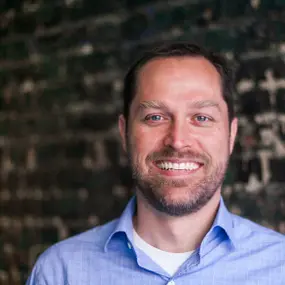
Founder - Chief Innovation Architect
Platt is a combinatorial problem solver who brings ideas into reality. First accomplishing that in a traditional architecture practice for 15 years, then founding a startup with the idea of how we might build like nature using 3D printing. Creating, patenting, and refining a technology for commercial adoption at the building scale to make what was previously unbuildable into real projects. Growing a company from a single founder to a thriving community of culturally aligned A-players who have taken an idea to scalable commercial adoption.