Why Construction Leaders Must Move Past The 'Hit the Ground Running' Onboarding Myth
Demanding that new architecture, engineering, and construction hires hit the ground running is a recipe for high turnover and burnout. Discover why treating onboarding as a long-term strategic investment rather than a reactive fix is the only way AEC firms can truly survive the ongoing labor shortage and retain top industry talent.
Key Takeaways
- The expectation that fresh AEC talent can hit the ground running ignores the reality of industry-specific mentorship needs.
- Reactive hiring to plug holes leads to poorly structured onboarding and rapid employee turnover.
- Junior professionals, particularly Gen Z, value career paths and healthy boundaries over grueling 60-hour workweeks.
- Successful onboarding requires dedicated time, psychological safety, and structured sponsorship from experienced team members.
The Dangerous Myth of Instant Productivity in Construction
For decades, the standard playbook for bringing on a new architect, engineer, or project manager in the AEC industry has relied on a flawed premise: throw them into the deep end and see if they swim. Leadership frequently laments that new graduates lack practical, real-world execution skills straight out of university. Yet, these same firms demand that candidates hit the ground running from day one, often without providing the necessary internal framework, software training, or context to understand how the firm actually operates.
This approach misunderstands both human development and modern workforce expectations. No professional comes out of an academic setting fully equipped to navigate complex building systems, local zoning laws, client personalities, and internal firm workflows without guidance. When firms expect instant productivity without providing a runway, they inadvertently set new hires up for failure, triggering a cycle of frustration for both the employee and the overwhelmed team members tasked with oversight.
How Reactive Staffing Destroys Retention
Many construction and design firms treat staffing as an immediate reaction to winning a new project rather than a proactive business strategy. When a contract is signed, leaders panic-hire to fill an empty seat, prioritizing a quick pulse over cultural and skill alignment. This fire-drill mentality poisons the onboarding experience from the very beginning.
Because project teams are already underwater trying to meet aggressive deadlines, they rarely have the bandwidth to properly train a newcomer. Instead of structured mentorship, new hires find themselves floating in an ocean of high-stakes deliverables, afraid to ask basic questions for fear of looking incompetent. This lack of psychological safety and support is a primary driver behind why talented professionals leave firms within their first year. Blaming recruiters or a shrinking labor pool is convenient, but the root cause is frequently an internal failure to build an environment where incoming talent can actually grow.
Shifting From Filling Seats to Building Careers
Solving the labor crisis requires a fundamental shift in how leadership views human capital. Instead of treating employees as interchangeable widgets designed to plug holes in a project schedule, forward-thinking firms are beginning to design careers around individuals. This means recognizing that younger generations—especially Gen Z professionals—are unwilling to sacrifice their mental health and personal lives for the traditional 60-hour workweek grind.
Building a sustainable talent pipeline involves investing heavily in structured onboarding programs, pairing junior staff with dedicated mentors, and creating clear pathways for advancement. When firms allocate time for training and professional development, they build loyalty. Employees stay where they feel they have a future, not just a temporary job keeping up with a backlog of billable hours.
Conclusion
Hiring your way out of the construction labor shortage is impossible if you continue to rely on outdated, high-pressure onboarding models that alienate incoming talent. To build resilient, future-ready organizations, leaders must stop looking for shortcuts and start investing deeply in the humans who drive their business forward.
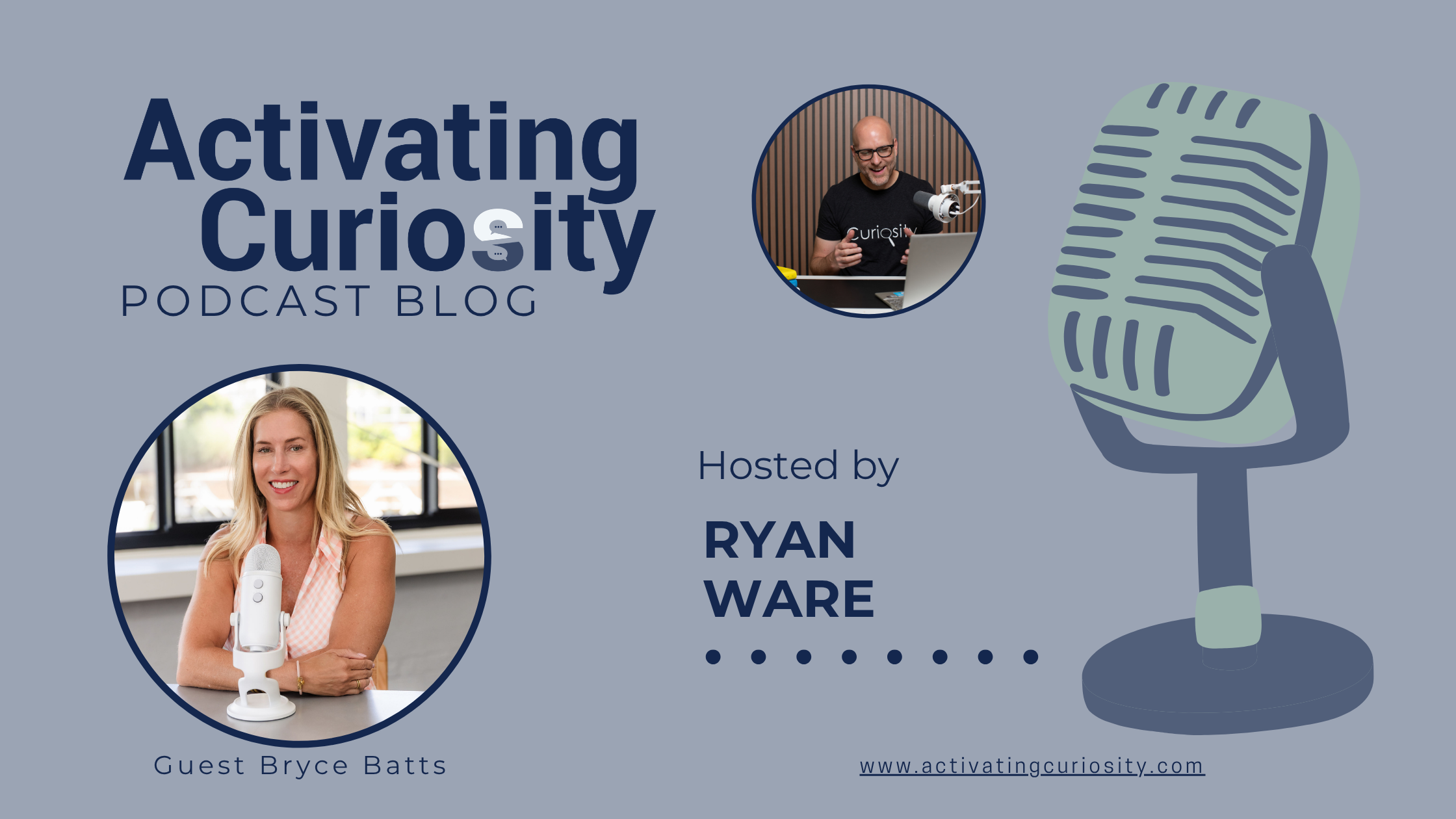
For more insights on talent acquisition, workplace culture, and changing workforce dynamics, Listen to the full episode of Activating Curiosity featuring expert recruiter Bryce Batts, and join the conversation on how to lead your firm through meaningful, lasting change.
Frequently Asked Questions
Why do new AEC hires struggle to hit the ground running?
Academic programs teach foundational theory, but they cannot replicate real-world firm workflows, proprietary software setups, and complex project dynamics. Expecting instant productivity without formal training creates undue stress and leads to early burnout.
How does reactive hiring negatively impact employee retention?
Reactive hiring treats staffing as an emergency response to project needs rather than a long-term strategy. This results in rushed hiring decisions, non-existent onboarding processes, and overwhelming workloads for existing staff who lack the time to mentor newcomers.
What role does psychological safety play in successful onboarding?
Psychological safety allows new team members to ask questions, admit mistakes, and seek clarification without fear of negative retaliation. Without it, new hires remain isolated and are far more likely to leave the firm prematurely.
How are younger generations changing expectations around AEC work culture?
Younger professionals prioritize career growth, mentorship, and healthy work-life boundaries over the traditional construction industry expectation of logging excessive overtime and sacrificing personal time.

CEO/ Change Management & Leadership Coach/ Key Note Speaker & Podcast Host
Ryan Ware is Founder and CEO driving construction leadership development. With over two decades of experience across every segment and level of management in the construction industry, Ryan’s career journey began in architecture and expanded into construction and prefabrication manufacturing. Throughout, he encountered consistent challenges with change management implementation.
Driven by passion and purpose to advance the construction industry, Ryan took to the stage to support as many leaders as possible. He helps audiences build stronger relationships with change and challenges the way leaders think about change, innovation, and leadership. His mission as a speaker, coach, and consultant is simple: to help the construction industry evolve by empowering those who shape it to better navigate change.
Why Construction Estimating Is the Real Bottleneck in Housing Affordability
 Apple Podcasts
  Spotify
  Amazon Music
  Youtube Music
  Goodpods
  iHeartRadio
  Deezer
  Castro
  Castbox
  PocketCasts
  Audible
  RSS Feed