

 Apple Podcasts
 Spotify
 Amazon Music
 Youtube Music
 Goodpods
 iHeartRadio
 Deezer
 Castro
 Castbox
 PocketCasts
 Audible
 RSS Feed
 The Burnout Trap: Why Leaders Accept the Wrong Standard

Construction leadership culture shapes how teams work, perform, and respond to change. Yet across the construction industry, burnout has quietly become an accepted measure of commitment, leadership, and success.
But what if burnout isn't evidence of high performance?
What if it's evidence that we've accepted the wrong standard?
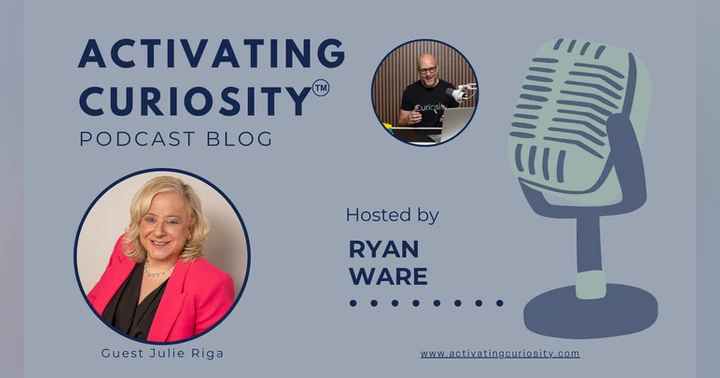
In this episode of Activating Curiosity™, Ryan Ware sits down with executive leadership coach Julie Riga to explore construction leadership development, workplace culture, psychological safety, and why so many professionals feel burned out despite achieving traditional measures of success.
Together, they examine the beliefs many leaders inherit about productivity, purpose, achievement, and time. From hustle culture and constant availability to time management, boundaries, and self-awareness, the conversation explores how burnout often reveals deeper issues hiding beneath the surface—and why awareness may be the first step toward meaningful change.
This episode challenges leaders to rethink construction company culture, leadership expectations, and what it means to build resilient teams capable of navigating uncertainty and leading change in the construction industry.
What You'll Learn:
- Why burnout is often a symptom rather than the root problem
- How construction leadership culture influences team performance
- The connection between purpose, engagement, and fulfillment
- Why self-awareness is a critical leadership skill
- The role of psychological safety in healthy workplace cultures
- Practical approaches to time management and boundaries
- Why professionals stay too long in roles that no longer fit
- How leaders can create environments where people thrive rather than simply survive
- What sustainable leadership looks like during times of change
Who This Is For:
AEC and construction leaders, architects, engineers, contractors, business owners, project managers, and professionals interested in construction leadership development, construction company culture, psychological safety, workforce engagement, and leading change in the construction industry.
Chapters
00:00 – The Burnout Trap: When Success Becomes the Wrong Standard
06:09 – Purpose, Identity, and the Stories We Inherit About Work
11:20 – The Power Decade: Reinventing Yourself at Any Age
15:05 – Time Management, Boundaries, and Taking Back Control
20:16 – Bringing Your Whole Self to Work
25:17 – Why Self-Awareness Is the Foundation of Leadership
29:44 – Purpose vs. Grind: Rethinking Motivation and Success
33:39 – Burnout, Misalignment, and Staying Too Long in the Wrong Place
38:55 – Curiosity, Change, and Letting Go of Control
41:01 – Creating a Life You Can Fall in Love With
42:44 – The Future of Leadership Development
44:09 – Final Reflections on Purpose, Authenticity, and Change
Guest
Julie Riga is an award-winning executive leadership coach, international speaker, podcast host, and author dedicated to helping leaders and organizations thrive through change. With more than 20 years of experience leading global teams across Fortune 500 companies, Julie combines real-world leadership expertise with practical coaching strategies that empower individuals to lead with confidence, resilience, and authenticity.
As the author of Stay on Course: The Life and Legacy of Ennio Riga, Chef to the Stars, Julie shares powerful lessons on perseverance, purpose, and personal growth. She is also the host of the Stay on Course podcast, where she interviews inspiring leaders, entrepreneurs, and changemakers who share insights on leadership, mindset, and success.
Through coaching, speaking, and consulting, Julie helps organizations develop stronger leaders, navigate transformation, improve communication, and build cultures where people can perform at their highest potential.
Learn more: https://www.julieriga.com/
Overcast Innovations
Helping project teams coordinate building systems earlier for more predictable outcomes.
New Lyfe Accounting
Free Diagnostic ($500 value) for Activating Curiosity Listeners by NLA, to help your financial goals
Helping construction leaders simplify change, strengthen trust, and move forward with clarity.
Disclaimer: This post contains affiliate links. If you make a purchase, I may receive a commission at no extra cost to you.
Have feedback or stories to share? Drop us a note or leave a VM—we’re listening!
Follow Ryan at the following:
https://www.linkedin.com/in/ryankware/
https://www.linkedin.com/company/connective-consulting-group-llc
https://connectiveconsultinggrp.com/
https://connective-coaching.com/
https://ryanware.me/
Don't miss out on future episodes! Follow & subscribe now to our newsletter and stay informed about the latest trends and insights in the construction industry.
If this show helps you, please consider supporting it. Just $3/month helps cover production and keeps the conversations going.
⭐ “Love the show? Toss some stars my way, it’s the easiest applause ever.
Julie
People are stuck. They stay too long in the wrong place. And that's how we get sick. That's where sickness starts. You become an imposter working long enough at the wrong place in the wrong environment. Your whole body is like non-alkaline. You're you're going to work sick every day or feeling sick every day. And that is causing illnesses. That's causing burnout. That's causing all the things. That is the problem. I call this the vitamin P treatment. Use vitamin P. Lean on your purpose. Figure out what brings you joy and passion and do that.
Ryan
And today's episode is going to be a good one for all of you. We're not diving into a lot of technology, a lot of things that have to do with innovation within the construction industry. We're going to focus on ourselves and us as humans and have a conversation with another business coach and someone who has had her own journey through her career where she came from pharmaceuticals and just really started to think about how we talk in leadership and how we react to leadership and how we as humans really need to give ourselves more time and space to sort of let things settle in. Today's guest is Jolie Riga, and she is a business coach, an author, and a podcast host. And Jolie and I have met through another counterpart of mine, had an opportunity to kind of have some conversations. So I know that she will bring a lot of good ideas and feedback and things from a coaching perspective that she's seen and heard from different industries. And I thought it was important to have a coach and a guest that is not just from the AEC industry, so that we can start to see how it relates to all of humanity, not just all of us in the construction industry. And I think the reason I wanted to have Julie on and have this conversation is that I can come on and as a coach and I can talk about all of the things, the curiosity and purpose. But it's always nice to have someone else who's had their own lived experiences, their own journey in a different industry to try to help listeners as you're navigating a lot of things in your life. Because one thing is true as humans. We're wherever we are in our own journey, we all feel pressure. We all feel burnout and we all feel the uncertainty and a lot of change. And regardless of where we are in our career, those things all hold true. But as individuals, we we all feel it different. It doesn't have to be the same. Like I'm not going to feel exactly the same way as a coworker. We just all have different ways that we've been raised and the way we've lived and the regions in which we live and how we were taught and how our minds work and absorb things. So all I know is in this industry right now, for the AEC industry, is I constantly hear about how time poor we are. And I wanted to understand our relationship with work over the generations and taking a step back and thinking like, what has really happened, you know, throughout my career, but 25, 30 years ago, getting to our present day moment where we're all feeling that, that burnout, that pressure, that uncertainty, that we're just all not sure how we're supposed to be reacting to that moment. While we're also having these areas of awareness peak because we've had an interruption in the pattern or something familiar that suddenly we're uncomfortable with the questions that we begin to ask ourselves and we're just not sure how we even got here. Because as the world continues to move forward and accelerate, and all of these innovations continue to come into our work, and we start to see more and more change, the one thing that will always remain constant is that we are the humans. So my goal with the conversation, with all of this noise and all of this judgment, and everyone telling us who we should be and what we should be doing is that we're all stopping to pause and try to figure out how to become human again. Julie Riga, welcome to Activating Curiosity.
Julie
Thank you for having me.
Ryan
Yeah, I'm I'm excited to have the conversation because I know when we were doing a little show prep and talking through what might be an impactful conversation for listeners, you brought up some things that you hear all of the time and things that I hear all the time out there in businesses and those that you're working, you know, working with on their life experiences of everyone is is burnout, um, uncertainty seems to be at its highest level, clarity um seems to be a challenge. And it got me thinking, like, as we think about our relationship with work and how we've evolved, you know, as individuals, not just you and I, but as a society, if how did we get to this point? Like, how did we get to this moment where all of us are caring so much and and we're hearing more and more about burnout and quiet quitting and all these things that were coming coming up in the conversation? So before we really talk about present, if we could just zoom out and kind of look back in time a little bit, and maybe this is we've had similar time pass here, but the mid-90s, there was a lot of things that sort of shifted, things that were introduced into workforces as technology began to be implemented, globalization, you know, the internet, all of these things that sort of came into offices and changing our view of how we worked, where we worked, and how we did things. So I'm I'm curious from your vantage point and experience, like what were you seeing sort of shift during the last 25 years and how that led into what you're doing today, right? For your your clients, but what you were doing then and noticing and what was sort of different then, or maybe the same, but we're seeing it and feeling it different in today's world.
Julie
Yeah, I think this is really a great conversation. You know, I want to take it back to our childhoods, right?
Ryan
Okay.
Julie
Because we were raised by parents, at least uh, like let's say we're Gen X. I'm talking about the Gen Xers, right? We were raised by parents that came out of wartime.
Ryan
Yep.
Julie
And we a lot of us, like I'm a first generation American. And so for me, the message that I got when I was young is do something that makes you money. And doing something that makes you money didn't always bring you joy. It was out of necessity, it was out of survival. And so a lot of us got into jobs that we took because our parents told us, you know, hey, you should be an accountant, you should be a lawyer, you should go to college, you should do something that makes money. You shouldn't be a content creator, you shouldn't major in communications, you shouldn't go to school to like, you know, become a film director. That was very uncertain. So the creatives in this world sort of were pushed into jobs that were not creative. And so you do that for a long period of time. You do something that is not really aligned to who you are internally, you're going to burn out. And I think the shift that I've seen over the last, you know, 25 years is that we're talking more about purpose-driven work, something where it feels connected to me and in alignment to who I am, so that when I go to work, I'm not stripped of my humanity. And so that's why we keep going back to this idea that we have some sort of personal purpose and personal connection to what we're doing at work because it allows us not to get burned out. It allows us to stay in the game.
Ryan
Yeah. I mean, that's so important, stepping back even to that childhood and those definitions of work, right? The way generations have thought about it as that simple necessity. Go get a paycheck. You just got to go do whatever is necessary to make sure that there's food on the table and there's a roof over the head, which doesn't mean that's not important for all of us. We want affordability, we want to enjoy life and see the world. But you're you're right in the purpose piece. And that thinking about myself, like I can remember being a young kid and telling people like, well, I want to be an architect, and and the amount of judgment that came from that. Like, oh, that's not gonna, that's not gonna be your thing. That's not gonna be what you do. You just need to, you need to just do something, you know, like you said, to earn a living. And I was like, I don't, none of this feels aligned to me. And I don't know, my mindset is if it's not a if I don't have a lot of variety in life, I get very bored, right? As a human. I want to see constant, you know, new things coming up and things changing. And architecture, when I first got into it, allowed me, you know, you're working on a project. The next one is not always the same. It was something totally different. New clients, new challenges, new problems. But I like what you're saying about this shift that went from just doing something to that purpose piece. But let me let me ask you this. Did you feel it being a shift from the leadership style that you were noticing? Was there were you seeing more purpose-driven leaders back then kind of coming, coming out or stewardship, or was it something that sort of evolved as as globalization happened, as societal change happened?
Julie
Well, I think, you know, uh this is very interesting. There's a there's a backstory here, Ryan. Um, so I worked in the pharmaceutical industry, and there were two major things that happened when I was younger in my career. The first thing that happened to me was I went to a class called the Seven Habits of Highly Effective People. I talk about this all the time because it literally changed my life. And they said in the class, two things that really shifted my perspective on things. They said, first of all, be proactive, focus on what you can control. That was the first thing that set my mind up for success. And the second was beginning with the end in mind. And beginning with the end in mind for them was a personal awareness exercise in building your personal mission statement. And they said, go to your 80th birthday party and tell us what you want people to say about you at your 80th birthday party. That's how this whole thing started. And this whole idea of creating a personal mission statement literally changed who I was. And so I wrote my personal mission statement when I was 32 years old. And I was going through a really hard time. And I realized at that moment that I had a purpose and that I was able to articulate it. And so my purpose, I believed, was to help people discover what their personal purpose was, to figure out what that was. And then, so like five years later, I get asked to do this presentation in one of my classes that I was doing another class. And they said, okay, just present whatever you want. Present whatever you want. And so I decided I was gonna present on this, you know, coming up with your personal purpose. Well, after I did this presentation, after they told me I could speak about whatever I want, I was brought into a room by one of my managers, and she said, What the heck did you just do, Julie? Why did you talk about that? She's like, Why did you talk about purpose? Like, that's ridiculous. And everybody is like annoyed that you did that. And I'm like, Oh, okay. I I learned this in one of my classes here. Like, what is this? What is this? What's this resistance? It was this huge resistance, and this was probably around 2009, 2010. And I just was so disillusioned by everything. I'm like, what is going on? Like, they don't get it, like nobody gets it right now. Like they were all still just not awake to the whole thing.
Ryan
Yeah.
Julie
So I'm just gonna fast forward uh to COVID, right before COVID. Um, I saw this woman and she was speaking at the Association of Talent Development, and she gets on the stage. It was like, what's this now, 2018, 2019? She speaks about purpose and she speaks about the benefits of knowing it and having it and and having it connected to what you're doing at work and the benefits organizations have for you to have this.
Ryan
Right.
Julie
And I was like, oh my god, this woman just allowed me to talk about this because I was shunned before.
Ryan
So it felt this interruption that you have at that point. Well, both points. One is go ahead and talk about whatever you want, then it's hold on a second, we're going to put pressure down and say, hold. We don't have purpose in this industry or this business or whatever framework it was. It was like, no, you just gotta have grit and grind and work under the pressure, which I think pre-2009, and as I went through my journey, that's what it was. It was just like you just carry it, you just gotta push. Yeah. Like you chose it, it doesn't matter. You might be in the profession you want to be, but how that was going to show up every day for you, like what work looked like, was just you gotta grind through it. Like your purpose was this title. That's what you wanted to become. And I I recently said, like, man, I confused what identity meant and what my purpose was. And now that you've said that, it's like it keeps boiling back to these things of like how how we looked at work, you know. And I I even go to go back a little bit before 2018 when we first started email, you know, when email started working in businesses. I can remember like you get an email from a coworker who is right across from you asking you a question, like, what are we doing? And it was like, there's they're right behind you. They want an answer. And we see this like technology email to phones to social media hitting, and and just our relationship with information to getting answers, to everyone telling us who we were and what we needed to be. And and I love that you you started talking about purpose because I think it's when a lot of us maybe under this pressure, maybe have this conception or this idea of who we are, but not quite, especially when we're younger, like we're supposed to know. You're supposed to know at 18, like who are who you are and what you want to do. Man, I'm 50. I'm still figuring out I'm in my fourth career, you know, trying to look at life as like 10 every 10 years has different situational awareness of what I should be focused on for myself and for others.
Julie
So well, and every every decade you become more powerful in your own body and in your own being, right? So you sort of say, oh, you know what? I get I get to do this now. I get to be who I want to be now because you know, we have, I don't want to say a limited amount of time, but there is a period of time that we might not be working, right? When we start to retire and we think about that. And so we are the I say the 50-year-olds are the young people of the old people. And we get to, we're like the freshmen of the old people.
Ryan
And yeah, I like I call it the power decade.
Julie
I believe that the 50s are the power decade, you know, because it's the time where you get to call the shots a little bit differently. And it's exciting, it's an exciting time. And I think like it's the it's the point of time, and you you could probably ask like 150-year-olds where the people that are in their corporate jobs just have this moment of time where they're like, I can't do this anymore. Yeah, there's a shutoff switch, and they're like, I can't do this anymore. I have to pivot into something that feels more like me.
Ryan
Yeah. Something happens and suddenly our awareness is starts to peek in into view. And we're like, how did I get here? Like, how did I get to this moment? And why is it that I'm feeling so uncomfortable? Like in this area of like, I'm not sure how I got here and I don't know where I'm going. And I'm, you know, as we think through this, you know, past piece of of how we've related to work, like maybe we just Gen Xers, and I think, like you said, our parents, like how we were brought up, like we weren't supposed to change jobs. Like everyone worked in the same place all of the time. Our generations, like, that's most of us have not. We've all had we we do come to this interruption a moment of like, holy cow, I do not like where this is heading. I don't like how I'm feeling. I need something's got to change. And I'm wondering, like, you know, thinking about how we're heading to the present moment, we have had a lot more technology put in. We have had more, you know, and at an accelerated pace in the way we're doing business. But we hear words like productivity, and as humans, like that has a different definition by what you're working on and what you're doing.
Julie
Yeah.
Ryan
But the pressure a lot of people are feeling is the always on, the always responsive, the gotta have an answer in 140 characters or less. And and we've sort of, um my opinion is we've lost our curiosity to pause in that awareness to ask those questions, which is what the 50 year, like when you reach a certain age, like you're asking a lot different questions. Like you're you're going pretty deep into like, how did I like what even made me think this way?
Julie
Yeah, and it's so funny because there was there was a coaching session. I do one-on-one coaching with people, and I was in a session with a group, and I also do group coaching. So I was in the session and I was teaching about calendaring, time management. And this one manager says to me, Well, I don't have time to eat lunch. Like people keep putting people keep putting like things on my calendar. And I asked a simple question and I said, Do you have an administrative assistant or somebody else managing your calendar for you? And she's like, No, of course I don't. I said, Okay, I said, okay, so who manages your calendar? And she goes, Well, I do. And then I said to her, Well, can you put a lunch break on your calendar and hold that meeting as a meeting that you have to take a lunch? And she's like, She was so confused. Like, so when I said it, like, so confused, like, oh wait, I have the ability to manage my time. Like, I can put something on my calendar and leave it there and like have a boundary that at this time from 12 to 12:30 or 12 to 1, I can eat lunch. And and like it was this moment of awareness, but like it's that grind. It's that, you know, we've we've been told this lie or we've assumed a story in our heads. It's not always true. Like the story we're telling ourselves about the situation is not always true, right? Right. We've just assumed or created the story that this has to be a certain way or that has to be a certain way. And and if there's nobody to challenge your story, you're You're just going to continue to go down that rabbit hole of uh I can't have a lunch break.
Ryan
Yeah. I mean, it's a familiar pattern. So it's like, well, I'm just I don't even know when I started it. And I don't know how I got to this point of not eating lunch. And I will tell you, I skipped plenty of lunches because I did not have time when I was practicing architecture. So that story hits very home for me. And this this leads me to this moment of like, I keep hearing how time poor we are currently. Like we're just we're very time poor, especially I work within you know the construction industry, and no one has time to learn, no one has time to explore, no one has time to eat lunch. And I'm wondering like, is that you know, put something on your calendar to block it out? And I started learning to do that as I grew through, you know, my leadership roles. But I I had this conversation recently with somebody, a friend of mine, and we started talking about how in Europe, like, they don't take coffee to go. They go get a coffee and they sit and talk or just sit and read something with an espresso or you know, a coffee, mostly espresso. Here, if we put something on our calendar where we go to get a coffee and we do not leave with a to-go cup, and someone who knows us or from our work sees us, we're instantly already going, oh my God, are they gonna judge me because I'm not sitting at my desk, because I'm not working, because I'm not doing something that they think I should be doing. And I'm wondering if if that has shifted, or maybe it's always been the same and now it's just accelerated, or what you've seen as you're practicing and working with people, but the judgmental side of six seconds or less, that this is worth it for me to watch, or that person is not doing what I expect them to do, versus that person's being a human who is eating lunch and finding a moment of time for themselves. I don't know what what do you think about that?
Julie
I think it's well, it it goes back to whatever the culture of the organization is and the leadership, you know. If the leader is doing that, then it's gonna be like okay for the people that they work with to do that. So I think it's it's uh probably a case-by-case basis. Um, Ryan, a lot of the people that I'm working right now with are small business owners, so they they get to decide what they want to do, right? But it's a matter of them taking account for their time and understanding how to schedule this. And so I've been um I'm I I've been working with this guy out of the UK is the Diary Detox, you know, and he's got this program. And, you know, one of the things that he says always is to create an anchor week first. So that means that, you know, he has a practice that every Friday you take a half hour and you do your calendar for the next week. And so I'm I'm working on this with some small business owners and teaching them this process, but you're putting an anchor week in. You're putting your breaks, your lunch, you know, when you're starting work, when you're finishing work. It's all on your calendar, all on your Google calendar or your Outlook. But it's really a method of like taking time management to the next level because it's in the time that you're allowed to have those human moments, right? You need to go to the doctor, you need to call your mother, you need to call your child. Like there's all these things that happen during your day at work. You can't control those things. And we need to account for humanity when we go to work. And I I here's the thing that I always said like you're bringing your whole self to work. You're not leaving a ver, I don't leave a version of myself home when I go to work. I try to show up as fully as who I am because I I have this like like rule of authenticity for myself. I have like I have like a value of authenticity. Like I want to be authentic. I don't want to show up as a fake version of myself. That that just doesn't work for me. I don't know, maybe it works for other people, but I want to show up fully me and I don't segregate myself.
Ryan
So severance, yeah.
Julie
I'm not a severance, exactly. Oh, thank you. Because that is a crazy show. I I was actually told by one of my um the guy who taught me how to coach, he's like, you have to go watch this this movie, this show. But I I don't do that, and I never have, and and probably that that has gotten me into trouble in my career.
Ryan
Yeah. Well, I mean, Alum, you gotta be authentic because in the end, like you said, in those years where you're looking back, like, how do you want to show up? You want to just do and be what someone else is telling you to do and be in those moments, or be yourself to do what you know is best for you know you and society or whatever it is that you're focused on for your purpose. Yeah. And I I think it's interesting now that we've we've kind of flashed back, right, and thinking about this this present moment. Obviously, COVID was uh an accelerator to a lot of things and how we look at work. And you're talking about time management and the uncertainty and and lack of clarity, especially with things like AI, which people some people know what it is, some people haven't touched it. Like we're scared, some people are scared, some people are excited, like we're just it everything just feels weird in this moment. And yet when you I had did a talk recently, and it was like, what's what do you not have enough of right now? And and I knew what the number one answer was going to be before the number one answer was given on the word cloud, right? And it was time. Yeah, and and as you said before, like we all have limited time, but we all have the same 24 hours a day, as long as you know we're able to have healthy lives and live, right? So your your focus now into this, like hey, it is important for you to bring your whole self, it is important for leaders to recognize that's acceptable with the societal changes that we've had through the last 25 years and obviously technology. I I wonder generationally, like I know working with some younger people or even talking to them, they still don't feel safe to be to be their whole self or to be authentic. And sometimes we throw it out as a word salad of different words, just we're authentic, we have purpose, we have drive, and we we want people to do that in our in our businesses, but it still feels like in this moment, in this present moment, from our leadership level, and as we're developing leaders, like how to be thinking about these things working with the younger generation, or you know, if you're in between the generation, opposed, you know, one thing that I I'm I'm concerned about is our society, wherever, you know, the canceling to judging to like you said, I couldn't do this because I felt like they weren't gonna allow me to talk about my purpose. In thinking about with all of this and all these things that everyone's carrying right now, to be able to move into that future self and to be able to do your planning, to be able to think, think, you know, 10 years out to your 80th birthday, as you said, like what are some things that we should be thinking differently about? Or what are these ideas that we brought along with us that are no longer true?
Julie
Yeah. Well, I think that the first part of all of this is self-awareness, right? We we need to have self-aware leaders and we need our leaders to do growth work themselves. The problem that you just kind of explained was that leaders are not ready potentially to actually do the leading work. And I think that's where we're gonna get in trouble because we need our leaders to be servant leaders. We need them to be purpose-driven leaders, we need to be, we need them to be authentic leaders, and we need them to have done some of the growth work themselves. It's it's the ingredients for success, and that's the name of my podcast, it's called Stay On Course Ingredients for Success. But the the the foundational ingredients need to be worked on personally. So it's personal development, it's personal growth. The leader goes first. And so if we, and it's gonna be a case-by-case basis, right? It's like, are you working for the person that has done the work, the growth work? And that's gonna change the trajectory of organizations if they have leaders that are sort of like all on the same page and they're all marching to the same beat and the same drum, they're all awakened, they're all self-aware, and they're sort of going through this process with people. Because at the end of the day, I think the most important thing, and this is this might be very controversial, but why can't we have fun at work? Why can't work be fun? You know, if we could have more fun at work, people would not be as sick, we would not have as much of the problems with marriages, with alcoholism, with all these things. Like it's the it's the foundation of everything. If you're having and you're enjoying yourself at work, if you feel that this is part of your purpose, work doesn't feel like work. Yeah. And then we can stop people saying, Oh, I'm burnt out. I'm so burnt out, you know, because we figured out a way to light people up from the inside. If you are lit up from the inside about your job, then every morning you're like, oh my God, I get to do this right now. I'm so excited to get to my desk because I get to work on this thing that really brings me joy. And there's a there's a difference between that and then just like doing the work. And you know what I think is so interesting about this? I know it sounds like pie in the sky, but really, if the leader does their job, they could make this feel like the most exciting experience that the person has because it's in the connection they have with the leader, it's in the the excitement the leader brings to it. Like, oh my God, like, do you guys see the bigger picture of what we're doing? And always looking at the bigger picture. This is the impact we're making in the world. Can't you aren't you guys excited about doing this? Yeah, you know, like it's a different story when they're coming from that place that where they're coming from the place of joy. That joy and that purpose literally gets implanted into the people that they're working with.
Ryan
Yeah.
Julie
And that fuels the team for success. It sounds like, you know, so odd, right? But it's almost like the yeast that you put into the bread so it rises.
Ryan
No, and the the analogy is is perfect because us humans, like we want to connect something to something that's familiar. And I think that you what you just as you're describing it, it's the diff difference of what and how we were brought up that you just go get a job to bring money is a very, you know, extrinsic motivation. Money, you just got to survive, you got to do those things. And from a purpose side, it's it's very internal, it's very connected to you as a human. So it's intrinsic. And when you're working with your team as a leader and getting them to understand that, oh, like you're saying, that impact that they're making, the work, what might feel like the tasks, right? The tasks are the steps and the things you got to get done to make that impact. So those are just those are the action items to meet the thing that has you excited about what you're doing.
Julie
And and like we all do stuff we don't want to do, but if you're doing it for all the right reasons, it's exciting. Okay, I need to do a spreadsheet today. Okay, so what? But you're not there dreading going to work, dreading the people that you're working with. You know, it's the culture, it's the environment that people are creating. I could make the most awful job exciting for you to do. Like, I could be like, you know what? We're doing this amazing event. All these people are coming, you know, but we have to clean the bathrooms before they get there. All right. Let's do this together. Let's like put the music on and do it together. You know what? There's always ways to motivate people, but it's in the bigger purpose. It's always a bigger purpose that you're working for. That's the excitement. Like for me in my work, I get excited about transformation. I get excited about people having an internal moment of aha that is gonna catapult them into doing something differently. I get excited about that. So it doesn't matter. So that's what my end goal is for people to, you know, discover their purpose, stay on course, have an aha moment with me, build themselves up professionally. That's what I get excited about. So then when I have to answer 75 emails at night, because I've worked all day and I've had 17 meetings, I'm still I'm not excited maybe to answer those emails, but it's okay. It's okay that I have to do that. It's okay that I have to do the hard stuff, it's okay that I have to do the boring stuff because I know that this is the reason why I'm doing this.
Ryan
Right. Well, you said the word, you know, motivation. And I think I think the difference of the story that you just told and the way you described it versus maybe what we see and hear in a lot of businesses and industries right now is you just and this this is my least favorite word, you just gotta grind through it.
Julie
Yeah.
Ryan
You know, you just gotta grind through it, and you gotta, that's just pressure. That's just part of the deal. It's the part of your relevancy to make sure that that you do it. I know I tell people like I wore it as a badge of honor, working 70, 80 hours a week and just working weekends, middle of the night, not sleeping, not eating lunch. Like, this is what had to happen. So as you're describing it, it's like this flip of the purpose-driven piece. The words we're using aren't grind, which means to crush, right? Under pressure or to wear down. We can find motivational words that are more internal to our teams and to us personally. It's a leader, as you said, we're we could have a moment too where suddenly we've built something, but there's something else that's drawing us, you know, our attention. And we need to have that self-awareness. We need to be doing the check-in because the emails, the spreadsheets, those tasks we have to do. If the purpose of the company isn't aligned with you as an individual, like that's where the pressure is felt. That's where the burnout starts to happen because you're you're you're not burnt out from doing the work, you're burnt out from not knowing your own purpose and alignment.
Julie
Yeah. And the uh what I think is so interesting, we talk about imposter syndrome. I have this definition. I think this is imposter syndrome. Like you're an imposter, okay, if you're in the wrong place.
Ryan
Yeah.
Julie
You're you're an imposter. Like if you're there and you're feeling unaligned to the work that your company is doing, you're an imposter. And that's what maybe that's where imposter syndrome, you know, they talk about it as your self-talk. Like, but like that's the I think that's a true definition of you being an imposter. Get out of that space. If you're not supposed to be there and you know you're not supposed to be there, leave. Find another place. There's thousands of opportunities out in this world for you to create, to do. But people are stuck. They stay too long in the wrong place, and that's how we get sick. Seriously, that's where sickness starts. You become an imposter working long enough at the wrong place in the wrong environment. Your whole body is like non-alkaline. You're you're going to work sick every day or feeling sick every day. And that is causing illnesses, that's causing burnout, that's causing all the things. That is the problem. I call this the vitamin P treatment. Use vitamin P. Lean on your purpose, figure out what brings you joy and passion and do that. Do that and tell me how your life is going.
Ryan
Mm-hmm. Oh, I love that vitamin P. It's taking it back to, you know, our exhaustion level is probably, you know, we're probably not sleeping, right? We're not sleeping because we're thinking about what we have to do. We're thinking about all of those things that, you know, what that we were attached to and we got in the middle of in our career. And it's like, I did this because I wanted to do it, but we haven't checked in on our current self. And the world is telling us, like, you gotta future-proof yourself. You gotta, you gotta just make sure that you're you're future-proof for whatever's coming. Well, that's gonna begin with that first step, like you're saying, like start taking the vitamin P and understanding like who am I right now? The situation isn't probably the same as when I started, and and it's probably not going to be the same in the future. So I should probably figure out you know who I am and what I want to, what I want to be and why.
Julie
I love I love what you just said. Future proof yourself. Okay. This is you you talked about this is like your fourth iteration of your career. I call it the phase two or the phase X. And this is the thing that you can do into retirement and beyond. This is the career that you can take that brings you joy, that you can do as you get older because people are working longer and longer. I just got off the phone yesterday with someone that was 83 and wants to start a business right now. I have another client that's 80 years old. Okay. And us 50-year-olds, we feel so old. We feel like this is it, you know? And here they are working into their 80s. And so if you think about it, when you step into your power decade, that thing that you're doing, starting at age 50, is the thing that's going to sunset your career. So it has to be something that brings you joy. It has to be something that's easy that you can flow with. But like the truth is, you're doing it in the second phase of life. What happened if you tried that in the beginning of your life? What would have changed? How would your life have changed it? What it might have been so amazing, but we weren't given permission because, like, when you think back, like Maslow's hierarchy of needs. Our parents were starving. My mother and father were starving. They didn't have money to eat. So, of course, they're going to teach us you need to get a job so you can eat. Now it's changed, right? The internet came. The now we have AI, social media, all these new jobs that never were around before, and where creatives can actually thrive. AI is the most amazing opportunity for creatives in the history of ever. Right. It's now okay to be creative. People are looking for people that have creativity now more than ever. And so it's a very exciting time for creatives. I wish that I was 20 years old right now.
Ryan
Right. So much, so much opportunity for that next generation, the generations beyond. I still think it's there, there's plenty of opportunity, as you said, to reinvent ourselves. I think it's, if I were to say one thing, it's we if we need to separate what we think our identity is from our purpose. Like the first disconnection is don't when we think identity, we we get concerned of taking any next steps. Or as you said, if you're finding yourself being an imposter in that situation, the first thing that comes up is the fear of like, well, I've known all of these things. Like, this is what I know. Like, I'm gonna step into a world that I'm that is unfamiliar. Like, how do I even begin to do that? But what you just said about, you know, with 20-year-olds, it's like you that was just your first step. Like everything that you've done and that you know, like that's foundationally somewhere in there is is what you like brings you joy, what you love, where your purpose lies to take those tools into that next step, into that area of the unknown that you haven't tested. So I like you just said, there's so much opportunity and new jobs. And I used to tell my kids this all the time. I don't just study, learn, stay curious. And whatever you get into now probably won't be what you're into in five years, ten years, twenty years. Don't allow that thing to be the anchor. Like just allow yourself to just somebody told me when I was young, just be a sponge. Like you just got to absorb things, listen, learn. And you're just trying to bring and understand the things you need to keep in, the things you need to release, and what like you said before, the word control that we all wanna, we all want to control everything. Well, you know, you you can't control everything, but you can start with this choice of you know, am I who I want to be right now, or am I doing this because it is a familiar pattern? It is something that I've known it feels safe, so I stay in it, but I'm uncomfortable. I'm not happy, I'm burnt out, I'm feeling crushed, whatever, whatever analogy you want to bring to it. But um, I I'm loving this conversation. I feel like I could go on forever in it. Um, but Julie, like what you've given a lot of great advice and like I won't say advice, you're a coach. You're given stories and kind of helped us understand your journey. You know, I've talked a little bit about mine and there's current, you know, wherever they find themselves listening to this, wherever you are in your journey, like what would you most like to leave the listeners with, or as they're thinking about present day versus what they're thinking they want to write to themselves when they're 80? What's what's most important for them to be thinking about?
Julie
I think that what I want for people is for them, especially if I'm going back to a 20-year-old. Like let's I'm gonna talk to the 20-year-old version of me or you, you know. And I think that I mean I'm having chills just thinking about this, is that I want everybody to create a life that they can fall in love with. And if you can wait, wake up every morning and say, I love my life, and I have the ability to create the life that I dream of and want, I think that's that's what I want to to leave people with today. Like, how about just create a life that you can fall in love with?
Ryan
Mm-hmm. Yeah, I can think back to a quote, it was like what would you do if money were no object? And it's similar to that. Creating a life around not around money or the extrinsic piece, but like yeah, I mean, give yourself time to learn something new at any age, or give yourself time to explore and get it wrong, or mess up. And if something else I think you said earlier, I think is so important is we need to figure out I know the industry that I work in, it's it's something we the middle layer is is sort of non-existent in the construction industry. They're just there's there's leaders that are you know heading their sons heading right, they're heading into the retirement, and there's next generation, but there's this missing middle that we talk about. We have an opportunity to start developing both both areas as leaders to make sure that those that are coming up into leadership understand what it means and are aren't doing what I think we felt maybe as Gen Xers and were noticing and hearing was inherent things that were brought forward because that's how it was always done. That's how leaders did things, that's how we're supposed to work. And I think society, we weren't meant to do this. We weren't meant to work 60 hours a week or 70 hours a week. We, you know, as humans, our brains were we're we're kind of built a certain way and uh to always be on and always needing to be checking something and always be new doing something, you know, because we feel guilty when we're not, or we're afraid somebody might think we're eating lunch and we shouldn't be, and we should be in a meeting. Like we can change humans. Well, I'll say this it's not the technology, it's not a that that's not the solution, it's not any of these humans. We can start with one ourselves, like you're saying, check in, find self-awareness, and do do some of this work on our on our own, but that'll that'll help you know the next person who's doing it and a leadership level to to the teams understanding like this is the business purpose, but more likely and more importantly, what is your purpose? Like, what is it you you want to achieve really be doing every day when you wake up that gives you joy? So um powerful message, Julie. I like I said, I could go on forever because this is my favorite topic of seeing that transformation, and you'd bring such energy, and I want listeners to know like all the show notes will have your podcast information in it, as well as your book links. Um, we're getting to know each other just through connections because we've we're trying to to build something larger, and I I'm looking forward to kind of spending some more time with you um in the future at some some events. So I'm sure we'll continue the conversation um for many years to come, hopefully.
Julie
Thank you so much for having me today.
Ryan
Yeah, thanks, Julie. So that is the episode with Julie Riga. I hope you all enjoyed it. I know these conversations um we tend to reflect a lot back on how we've seen things and our journeys um through life, but it it's really important that we all understand like we have our own journey and we have a story to tell. And there are plenty of you out there that are listeners, like you're going through something in your moment in your life. My goal with the conversations are that we start to recognize those uh interruptions that we're having, the things that are rolling through a pattern in our life, and an interruption comes and suddenly we have more awareness. Like, what should we be doing with that? And I'm hopeful that this conversation and all of the conversations that we're having about our mindset and how we can start to take back agency to explore these things and to have more curiosity are helpful for all of you as listeners. So until next time, I hope you're able to continue to explore those areas, continue to ask deeper questions, continue to activate your curiosity as well as curiosity with another. The Activating Curiosity podcast is brought to you by the Curiosity Podcast until next time.
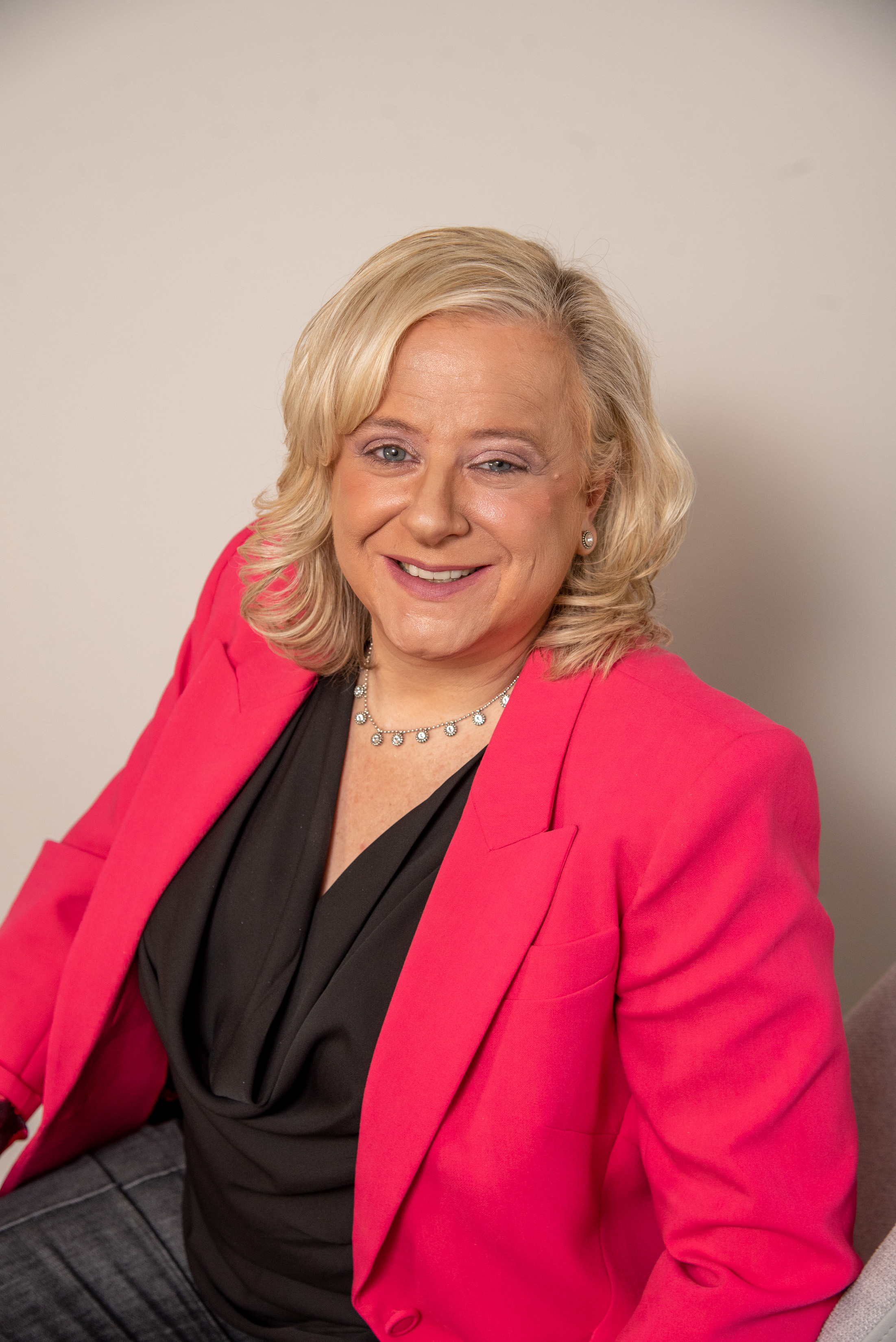
Author / Executive Leadership Coach / Keynote Speaker / Podcast Host
Julie Riga is an award-winning executive leadership coach, international speaker, podcast host, and author dedicated to helping leaders and organizations thrive through change. With more than 20 years of experience leading global teams across Fortune 500 companies, Julie combines real-world leadership expertise with practical coaching strategies that empower individuals to lead with confidence, resilience, and authenticity.
As the author of Stay on Course: The Life and Legacy of Ennio Riga, Chef to the Stars, Julie shares powerful lessons on perseverance, purpose, and personal growth. She is also the host of the Stay on Course podcast, where she interviews inspiring leaders, entrepreneurs, and changemakers who share insights on leadership, mindset, and success.
Through coaching, speaking, and consulting, Julie helps organizations develop stronger leaders, navigate transformation, improve communication, and build cultures where people can perform at their highest potential.