
 Apple Podcasts
 Spotify
 Amazon Music
 Youtube Music
 Goodpods
 iHeartRadio
 Deezer
 Castro
 Castbox
 PocketCasts
 Audible
 RSS Feed
 Discomfort to Innovation: How Architects Can Lead Climate Action with Biochar
Key Takeaways
- The construction industry's significant contribution to global emissions highlights the critical role of material choices in driving climate action.
- Biochar is a carbon-negative material that can transform buildings into long-term carbon storage systems, moving beyond reducing harm to actively contributing to climate solutions.
- Adoption of sustainable materials in construction faces significant barriers, including industry resistance, legacy systems, risk aversion, and slow procurement/certification processes.
- Effective leadership and a proactive mindset are crucial for driving change and innovation in the construction industry, often starting with individuals willing to think differently.
- The 'real cost of doing nothing' regarding climate change necessitates a shift towards building solutions that actively contribute to solving environmental challenges.
What happens when architects and construction leaders stop accepting the limits of traditional building materials—and start asking better questions?
In this episode of Activating Curiosity™, Ryan Ware sits down with Allison Dring, CEO and Co-Founder of Made of Air, to explore how discomfort drives curiosity, innovation, and change in the built environment. Explore how biochar is becoming a key tool for sustainable building practices and climate action in the construction industry.
With the construction industry responsible for nearly 40% of global emissions, this conversation challenges a common assumption: sustainability is about reducing harm. Instead, it introduces a more ambitious idea—buildings as active participants in climate action.
At the center is biochar, a carbon-negative material that can turn buildings into long-term carbon storage systems. But this isn’t just about materials—it’s about leadership, mindset, and what it takes to drive change in an industry shaped by legacy systems, risk aversion, and complex supply chains.
Together, they unpack why sustainable materials face resistance, how certification and procurement slow innovation, and why change often starts with individuals—not systems—willing to think differently.
This episode reframes the opportunity: not just to build less harm, but to build in a way that actively contributes to solving climate challenges.
What you’ll learn:
- Why material choices drive construction emissions
- How biochar enables carbon-negative building materials
- The real barriers slowing sustainable material adoption
- Why certification and procurement resist innovation
- How curiosity and leadership drive change in construction
Who this is for:
Architects, engineers, developers, and AEC leaders focused on sustainability, innovation, and leading change.
Chapters
01:06 - Meet Allison Dring and Made of Air
06:02 - Why materials drive construction emissions
11:40 - Why the industry struggles to adopt new materials
17:01 - What biochar is and how it stores carbon
25:39 - The carbon budget and why it matters
33:15 - The real cost of doing nothing
45:42 - What success looks like for carbon-negative buildings
Guest
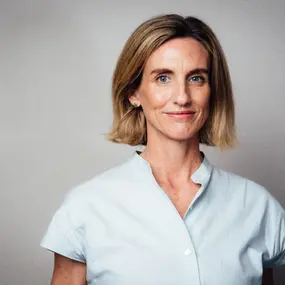
Allison Dring is CEO and Co-Founder of Made of Air, transforming wood waste into carbon-negative building materials that store carbon for decades.
With a background in architecture and material innovation, she focuses on scaling biochar-based materials to help the construction industry move beyond carbon neutrality toward carbon removal.
Overcast Innovations
Helping project teams coordinate building systems earlier for more predictable outcomes.
New Lyfe Accounting
Free Diagnostic ($500 value) for Activating Curiosity Listeners by NLA, to help your financial goals
Helping construction leaders simplify change, strengthen trust, and move forward with clarity.
Disclaimer: This post contains affiliate links. If you make a purchase, I may receive a commission at no extra cost to you.
Have feedback or stories to share? Drop us a note or leave a VM—we’re listening!
Follow Ryan at the following:
https://www.linkedin.com/in/ryankware/
https://www.linkedin.com/company/connective-consulting-group-llc
https://connectiveconsultinggrp.com/
https://connective-coaching.com/
https://ryanware.me/
Don't miss out on future episodes! Follow & subscribe now to our newsletter and stay informed about the latest trends and insights in the construction industry.
If this show helps you, please consider supporting it. Just $3/month helps cover production and keeps the conversations going.
⭐ “Love the show? Toss some stars my way, it’s the easiest applause ever.
Frequently Asked Questions
How can architects lead climate action using building materials?
Architects can lead climate action by questioning traditional material limitations and exploring innovative solutions like biochar. This approach reframes buildings not just as structures with reduced environmental harm, but as active participants in climate solutions and carbon storage.
What is biochar and how does it work in construction?
Biochar is a carbon-negative material produced from biomass. In construction, it can be incorporated into building materials, enabling structures to act as long-term carbon storage systems, effectively sequestering carbon from the atmosphere.
Why is the construction industry slow to adopt sustainable materials like biochar?
The industry's slow adoption is due to several factors, including ingrained legacy systems, a high degree of risk aversion, complex supply chains, and lengthy certification and procurement processes that often hinder innovation.
What is the significance of material choices in construction emissions?
Material choices are a primary driver of the construction industry's nearly 40% share of global emissions. Shifting to carbon-negative materials is essential for moving beyond carbon neutrality towards active carbon removal.
What are the barriers to sustainable material innovation in construction?
Key barriers include industry resistance to change, a preference for established and familiar materials, slow and bureaucratic certification processes, and procurement systems not yet adapted to new, sustainable options.
Allison
And I'm still really quite hopeful about where we're going in the last couple of years as we bring our product forward, especially right now as we're bringing it into projects. We're having a lot of conversations with people that are aligned. And I just want to say this individual moment where you can really connect with one other person that really believes in the future of building, that really believes in a sustainable building. I think that is that's really where these decisions are being made. If I could just say that it doesn't happen on a system level, it really feels like there are champions happening everywhere, and we just need to find each other. And this industry will change the colour.
Ryan
And today's conversation is one of those areas that we as humans can feel is almost too large to solve. So we tend to resist, we tend to pull back on the action steps that we we think we can actually make an impact on. And the guest today has really looked at her career and spent her career into this big problem and breaking it down into an area that can really start to make a major impact, and that is on how we look at climate change and how we think about global warming and the materials that we're utilizing and how we're using them within the built environment. So today I have with me Alison Dring. She is the CEO and co-founder of Made of Air, and they are located in Berlin, Germany. Hey Allison, how are you?
Allison
Hey, Ryan. Nice to meet you. Thanks for having me. I'm doing great.
Ryan
Good, good. And welcome to Activating Curiosity. So before we get into the episode, why don't you tell a little bit more about yourself, the pat your past, kind of where you got started, and how you got to this point of being the CEO and co-founder of Main of Air.
Allison
Sure. Yeah. Well, um, I should start by saying I'm uh I'm an architect by training. Um I studied in the University of Arizona. Uh I did my graduate degree in London at the Bartlett School of Architecture. And I was um at the time uh very committed to becoming an architect, and I was very focused on uh climate topics already. I'd sort of uh, you know, I guess it was early days for that when I was finishing my degree, but I I was um I did take it as a cause, sort of right out of the gate. Um and I worked a couple of years in London uh in the architecture industry, and I think that really was sort of my, you know, they say like you have to start with discomfort before you get curious about something. And I think those years really showed me a lot about how the industry worked, which isn't something you learn in in university.
Ryan
Right.
Allison
Um so I think I I sort of started there um looking at how buildings go together, um, and seeing how few stakeholders were involved in the decisions around how buildings go together, and then at the same time, weighing sort of like what is the climate impact uh for those decisions. And, you know, you can look at other industries where that's happening too, but I think in the built environment, the difference is the scale. You have this massive volume, um, massive amount of materials going into the world, into use with very few stakeholders. And certainly the the planet was is never the stakeholder in that room. So I guess like peering into that space is where I started really thinking about what could be better here, how could how could we approach the the building of buildings differently when we think about resources? So that was really those are the seeds of my of where MetaVare started.
Ryan
Yeah, I mean, I I think when you're describing this this journey, right? We we do, we go through university to learn enough about architecture to step out and then get into the practice. And you're you're coming out of, you know, of university at a time. I'm assuming it's similar to mine, where yes, USGBC and kind of the lead program, you know, that started in what the 90s and really kind of kicking off in 98, 2000. And and I don't know how you felt, but like through my whole life, we've we have been having conversations from the United States side, and I can remember even as a kid, like the the global um warming issue was discussed, and it didn't it didn't matter by who, we were all talking about it in in in science and learning it in school and the impact that we could make. So you not only are you kind of coming out, you're you're getting into practice, this is something that obviously, yeah, like you said, you start to learn enough, you're getting uncomfortable, you're starting to ask questions about climate and and what that impact could be. But was there these pivotal points where you said, hey, look, like this this problem can't be resolved if we all, you know, focus on A, B, or C or whatever it is? And and something just was intriguing for you enough to say, I'm gonna step aside in this role, because I know it didn't go straight into made of air. Like, what were those signals? What were those things that were really pointing you towards the problem that you were aiming to solve? And maybe it was the big problem, global warming, climate change. But what were some of those smaller things that you were looking at? Like these are things that I can really start to take on.
Allison
Yeah, I mean, I think I was focused on the materials going into buildings right away. I guess that was one of my first jobs. Um, we started, uh I was tasked with looking at like the materials in a floor uh for retail space. And I I really had the urge to reinvent that material, even though I knew none of the suppliers that I was talking to would listen. They they had off-the-shelf products. The clients wanted off-the-shelf. Um, but I was just never satisfied with that. And I was always trying to convince them, hey, could you use like cork in in your product instead of silicate or something? I was always trying to think through like how could we change up that supply industry? And I there was no way. It was a brick wall. Uh, and I learned the hard way that that that that wasn't gonna happen in my role the way it was. And I guess when I talk, when I think about um how that scales across the built environment, I started to look around at how buildings, you know, what were the main materials, not the high aspirational architect materials that you think about a lot, but really what are we talking about? What is the reality? And a lot of these materials are mineral and fossil, and they do come with very high emissions. We build with a lot of plastic, a lot of concrete, a lot of steel. And uh, you know, there are exceptions, but basically those were the, and you see um buildings going up with just that material mix. And without counting those emissions, you kind of they sort of sleep by, you know, they people don't realize uh the the volumes we're talking about. And that leads to, you know, data, which I'm sure you know, which is like 40% of global emissions are coming from the built environment and um materials play a big part. So I guess, like in terms of in my career, what happened to get me out of my little safe zone as an architect was to uh first I started paying attention to global strategies for carbon removal. I got very excited about these kind of, they were called like the mega uh eco-engineers. It was around 2008. I don't know if you you followed this, but there were articles about, you know, how can we suck CO2 out of the sky? And uh, you know, and we had these uh great, you know, um basically the beginning of DAC, direct air capture, was started around this time. And out of all of the strategies, which sounded very high-tech, seeding the clouds, all this sort of stuff, um, one was biochar. And it was included in here, and I always thought, wow, this is really low tech. Um, and what biochar does is just using biomass waste streams. So letting the plant do all the work of absorbing the CO2 from the air, but just making sure that all that CO2 doesn't go back in the air when the plant dies. That's all biochar is. It's just creating a kind of charcoal where you can trap all that CO2 into carbon. And I read about that and I just thought out of all of these strategies, this is a material. And uh this one can be scaled. And I'm sitting in a market that has high volume and needs a better option. And uh I have a market right now that can drive the demand for this material in a significant way for the planet. And that was one moment where I just really thought um this is this could be a really interesting connect. And I should also mention my co-founder, who's our CTO, um, also comes from architecture and has always been more on the material science side. And he was really investigating how these um how these carbon removal strategies could translate into tangible materials. So I think at the time we had already started thinking about is that could that be a reality? Um, and you know, being slightly entrepreneurial at the time, that's one thing led to another.
Ryan
Yeah. Well, and that's I mean, that's that curiosity piece. You're you're talking about asking different questions about a material where an industry won, you like you probably felt like, all right, who who whom I'm telling them what I want, but I'm getting that pushback because I know how I would feel sometimes. It's like, how much can I change an entire manufacturing process? And especially if they're not interested, right? Or they're selling their product or whatever it is, or like you said, that supply chain. But the fact that you were able to kind of you pulled back and said, I'm seeing all of these things. There a lot of it's potentially much larger investment that someone needs to do with some of these carbon removals. Um, like you said, but noticing a true opportunity of letting the plants do what they do, but once, you know, once they've reached sort of end of life, how to utilize that for, how to take advantage of that to start to introduce it into the built environment. So you you kind of mentioned some of those things that were you know, when you were practicing or starting to get into asking those questions, you had resistance from those manufacturers. How have you seen as you've journeyed through this and studying biochar and bringing in your partner to go through the material science? And we can get into you know the acceleration of that with AI and some of these other things, but like what is some of the resistance that you're continuing to see or potential obstacles that are coming up that you've you've you've heard, um, and how are you addressing those? How are you helping kind of answer that question?
Allison
Yeah, I mean, the industry is uh it's notoriously conservative and uh and slow to change, and sometimes not in a bad way. You know, it's um it's it's a very it it is the public world, uh our buildings and our infrastructure. Um I think that one of the challenges that we recognized early on is that the in the construction industry, you have a paradox. You have um you have a massive demand for sustainable materials going into buildings. And just relating back to the you know, 40% emissions globally, there's there's a a significant amount of that that's embodied carbon. So the materials, the upfront carbon that are going into the building that we don't have time to reverse those emissions later. Uh they really they're they're there. And so we're seeing like we're seeing a massive demand. How can we cut the emissions for the materials that are going into these buildings? How can we respond to new policy? How can we respond to getting to building permits faster? So sustainability is becoming um the reason to build now. And on this at the same time in the construction industry, you have massive complexity to implement any new material, let alone a biomaterial. Yes. And that's, you know, weighing those things constantly, like knowing that there are there are buyers, there's an industry, there's there's a massive pull for this. And I'm talking about like real estate being backed by banks that are operating with ESGs that mandate uh better embodied carbon emissions. So we're not talking about just like people just wanting to do better for the planet, they're mandated to do it. And we're seeing policy that's mandating it to do it. And uh, you know, we're talking about sustainable buildings used to be where you could charge higher rents, but now we're seeing sustainable buildings are the only way your building's gonna get rented. And I think that is very true in a lot of the big cities, especially here in Europe. And that reality has translated to a massive market opportunity. And then at the same time, you have um, you know, the challenges are the certification landscape for one. Um it's a very expensive process. Uh, it's not aligned with how innovation works. It's certainly not aligned with sort of um cash-lean startups that are trying to deliver innovation.
Ryan
Right.
Allison
What it is aligned with is incumbent industries that are maybe a big manufacturer that wants to do a small, sustainable product and has time to develop that for four years and bring it to market for a small market share. You know, it's it isn't uh it's more aligned with that process than it would be for a fast-moving, high impact innovation strategy um like what we're trying to do. So you have to kind of always negotiate uh certifications and all of that complexity uh to be able to do it.
Ryan
Yeah. So I mean, you're there's a demand for it. And you said something interesting that kind of caught my attention, which was the financing side to even go build a building anymore. And this is this is something I keep having conversations about, which is that the you have policies. Like we have mandates, regulations, and policies, but here in the states, those change every four years. Um, how do you manufacture around that? So it's this area of how will you know the capital markets like insurance to financing and other things where it's just too expensive to build and replace, which is what we end up doing. Um, I think about the fires in California to what happens in Florida, like like when we're looking and thinking about building or designing a building anymore, like the capital market's gonna drive it. You might not even be able to get builders' risk insurance, you know, anymore, or to build in certain areas where the costs come so extreme that we can't build or developers won't because of the cost. And I think what you're getting to is now anymore, especially in Europe, and that's what I was kind of curious of of how you're seeing that across different markets. But mandates and regulations are are forced compliance, which is one answer to it. I'm assuming you're also looking at this like, how do we get this to be intrinsic? You talked about like we're slow to change as an industry, we getting things done, and this is a material stuff. We're talking about materials versus delivery models, which is a whole nother leap. But I'm assuming the larger opportunity is beyond mandates and regulation. It is this intrinsic um piece within all of us to understand like we're driving the cost up to build currently because because we can't get financing, the rates keep increasing because of rebuilding and putting things back together the way we always have. So I'm curious, like when you think about this, I don't think it's an or thing. I think it's an and, but like the bigger opportunity is the intrinsic piece of us as the industry side to be looking at this of we can drive real change when we think about material difference.
Allison
Yeah, absolutely. I mean, you gotta start at the at the beginning of that value chain, and the beginnings of our built environment value chains are resources. And I think that's you know, just making that difference from the very beginning um has knock-on effects all the way through. Um you know, when when we talk about biochar, for example, um it's biogenic carbon. It comes from biogenic sources. And what we mean by that is we have resources that are coming from above ground. And historically that hasn't been the case. We built our cities with subterraneous resources, fossil and mineral, and we continue to do that. Um we depleted our carbon pools to be able to build our cities, and you can kind of think about it's like an inversion, right? We've taken everything out of the ground and put it into buildings. And what we want to do is now shift that thinking to above-ground resources, so biogenic, biomaterial, anything we can grow. And and in our case with biochar, we're taking it from the air. So we're talking about linking all these value chains in the built environment, just by linking them to a new resource, we can cut our emissions sometimes by half just by making that change. And I think some of the challenges that you see when you do that, because I mean, obviously, like timber is having a great moment. We're seeing a lot of CLT building, timber structure, uh, which is fantastic. We're thinking more about circularity, which is really great. Um, but I think, you know, those all those value chains, they have this knock-on effect. You can really um see biomaterials um creating different buildings. But if you try to make buildings the way we make them right now with biomaterials, they're gonna fail. They can't compete with um hundreds of years of of fossil and mineral economies. Like we have to, we need new technologies that can take the opportunity of the biomaterials and get them to perform the way that buildings need them to perform. And I think there's adjustments on both sides, but I think that is the real opportunity for our industry right now.
Ryan
Yeah. I love how you kind of stated it. It's it's going, you know, in simple form. It is going from below ground to above ground on how we start to think about a lot of the major materials in a building. And you're right, mass timber, that took policy change, and it still, you know, has its has its own challenge of adoption. We all desire it because it looks great and and does certain things, but when when you're talking about how can we, you know, the biochar approach in the technology, because I want you I want you to dive into that a little more, because I think you you are not only testing and creating some materials uh biochar from a filler standpoint, but you're also looking at the way I'm seeing it as almost like a platform through technology in other ways to help people create materials. This was something you I think you alluded to as like the cost, right? The cost of some of these things for somebody to to go test it for themselves. Um, but you're taking this technology and this approach beyond the facade material, which I want you to get into and what that's doing, the facade material, into other areas for the build environment.
Allison
Sure, yeah. I think uh the the way that MetaVare started, um, our vision was really like we we needed use cases for biochar. We thought about it in terms of tech first. We have a great carbon removal strategy, it needs a market, it needs to be um, it needs demand to drive it into higher volumes. And we not only looked at the volume of the built environment as an opportunity, but the decades to almost centuries long um storage opportunity for carbon. So, like there aren't many industries that can really hold on to uh to a material as long as buildings do. So I think that was sort of it felt like a safe place uh for this technology to link with. And um, and so yeah, we we'd always thought about it that way. Like, let's let's get the building to store carbon and then let's look in the building where these opportunities are possible. So we were never really application specific. We thought about it as, you know, if we have this new resource, let's see if we can pack it into all kinds of different things. And I think we're now seeing an industry that's starting to deliver that. Um, you know, we're one company. We we set out as a technology and we did, I think, a great job um thinking about how to how that technology can be deployed, but we can't deploy every application as one small company. So I think a lot of um there are a lot of great companies doing things with biochar and concrete. There's insulation. Um, we've seen some great packaging. Uh things that are outside the built environment, but still, you know, and so we had to kind of focus in on facades because we really believe that the building envelope can do a lot better. But we don't plan to stop there. I think this is a material that can be tested in into all kinds of applications. Its properties are closer to a mineral than they are to a biomaterial. And I think that is the nice unique thing. We have um biochar as it has a biogenic origin, but it behaves more like a mineral. So it has better properties. It's very dry, uh, it's better in fire, um, has all kinds of great knock-on effects that we still have yet to unlock. So yeah, super interested in where it goes in buildings.
Ryan
Yeah, I think I mean you mentioned you're kind of getting started. You started thinking about it from that tech technology standpoint. And then it was what can we show people and show the world of what we can produce utilizing this? And I know when I've been able to kind of see the facades, I know as as a designer, it's like this is attractive looking material, right? Like it's doing work, multiple areas of aesthetics and um being able to store carbon as well as being a material that has been developed sustainably. Um and and I think that's those are things that caught my attention because I even see like you had glasses on there, I think some of the other things that you produce. It's like this thing can become so many other things. And it's just going to take our active minds, right? Getting into that curiosity of like what is possible, like you were saying when you were younger, asking a lot of those questions, because I I do think when I, you know, an exterior in the facade is a great place to start. And I'm thinking like, well, interior, right? Like we still build with drywall um in a lot of areas. And it's like, okay, what what are other options? And I know, you know, substrates may have to happen in some of these cases, but I do think when you start to think about the opportunity with, say, mass timber and then starting to think about materials the way you're you're investigating them, I do think there's a huge opportunity. You're right. Our buildings aren't designed to necessarily be up for 10 years. Some interiors kind of are made that way, but the but the structure and a lot of the components that we're putting in, like, we're 50-year buildings. And there's so much opportunity there to have that building, you know, do far more for the climate than the damage that was done by building it, potentially.
Allison
Exactly. Yeah.
Ryan
You got into thinking about the biochar as a as a filler in a material and looking at the opportunity for sustainability, and that was something that kind of you knew that you wanted to put your energy and focus into. But if the industry is slow to change or slow to adopt certain things, right, because it is so enormous and so many decisions are made, and all the different stakeholders, like we've we've done better at sustainability, but as you're evaluating it from the way you're looking at materials as a startup and the technology side and doing more with the materials we're doing, like what does make it so important for the industry to look at it through that lens beyond the way they are looking at it today?
Allison
I think, I mean, the the global carbon budget is one way that you could look about look at it. The um there was a paper that I came across in 2015 that um that was written by our advisor, Dr. Garlena Trichina in Nature magazine, and it uh referenced um, you know, she studies she studies uh models of cities and how we store carbon and why we shouldn't be storing carbon in cities, so exactly aligned with kind of how we were thinking. And I think what we saw in in articles like these were that there's predictions that if we were to keep going with the traditional building materials we've been using for the last hundred years, um we as soon as we were trying, as soon as we have to build for the expanding population that we're gonna see over the next 20, 30 years, uh we'll deplete our carbon budget just by not making any changes. So if you're, you know, if you align that with the way the industry thinks, which is kind of risk averse and slow to change, and you know that this sort of population increase is coming, we're gonna need housing and infrastructure, and the materials for that are um are a good chunk of where the emissions are going to sit. So I guess that was a wake-up call for me that the that the industry is going to need some um different way to look at it. And I guess, like, you know, lead and Briam, and I think they're the USGBC, like I think those organizations have gotten so much more powerful. And I'm really impressed with the architecture industry. Architects have really changed um their role in the in the building cycle to almost be kind of gatekeepers for the climate. And I think that has been um that has made all the change. They are the specifiers in the whole process. And uh I think that's been a really great sign. But I think where where we didn't see, where we haven't seen a lot of the changes, sort of deeper in the supply chains, you don't have, you know, you don't have all those stakeholders believing in sustainability. Not all of them are incentivized to do anything different. In fact, you know, they don't they they're not trained to to make change happen. They're trained to be experts in in the piece that they're doing in the value chain. So like I don't see a lot of incentive digging deep in there. Um so far there's just been a lot of forcing mechanisms like real estate saying we need, come on, guys, we need a a better green material for this building. And uh and then and then pushing at the same time not to pay a green premium. So it does put pressure on companies like ours to come in and say, we're gonna make a product happen with great economies of scale, very cost efficient. We're gonna meet the market where it's at, and we're gonna do it with biogenic materials that are carbon negative. It's a tall order, but we know that that's what it takes in order to enter this industry. So we're trying to meet it where it is.
Ryan
Yeah. I mean, it's it's so true that yeah, we might have different parts of a project that want to go in a direction. And like you said, if the supply chain can't adjust or won't adjust um to provide the material for to answer that, you know, to answer that problem as you're stating, which is hey, we're gonna we're gonna have a huge issue when we deplete, you know, deplete our ability dealing with carbon. And I think we said a few decades, right, based off just the human growth. Um and I this is where it's one of those things, it's almost like selling the invisible. Like, you know, it's uh I've said this before too, is like the cost of being wrong about like that nothing would happen, right? If you're taking the side, like, hey, nothing's going to happen, like that cost of that being, you know, incorrect is far greater than the cost of taking the the steps and the approach to address it, right? To address it now. And you mentioned something that developers, again, back to like developers and property managers, like they want it. It's almost like a lot of innovations that's happening, you know, within our industry. It's like, I just don't want to pay for it. Well, the the payment's happening at some point. Like it's happening, it's happening somewhere because again, and maybe this is how we think about financing projects and the way everything kind of works, is like there's an increase to do good, right? And and then we go through a process, and I this is my least favorite term in the industry. Well, we'll value engineer. And it's like the word value should not exist in that because that was the whole point was the value engineering, and you you probably agree with this too, is like it was to put a better solution in for a longer life cycle, wasn't lower cost, it was going to do something greater for whatever it was you were engineering at the time. You didn't, you know, go to the lowest denominator and pull that out and put it into a project. So, like you're discussing, it's like, hey, here is the real issue. We're the the bank's going to be depleted. Like we will not have any real strong opportunity in the future to deal with this based on you know the way we're building today. And I I like that you said it. I I do think once LEED kind of came in between, you know, LEED and in the States, right, and then everywhere else kind of globally and how we were thinking about designing a project, it was this guideline. It was a way to make us question things as we were going through a project, um, to start to shift it. And I know even at that time there were manufacturers, like they did start getting into it and saying, like, hey, this is going to be an opportunity for us, which is more of a capitalist society, but some really went intrinsic of like this is the right thing, like this is the right thing to do for us. And I'm sure 25 years later, the costs have recovered from that initial kind of shift into you know how they were doing materials, how they were thinking about it. We, you and I are probably both lived through this like asbestos, right? Like it was a there was a lot of materials we were utilizing that we thought were good and they they they were more harmful for us. So like the industry has gone through these mindset shifts of how how we should be thinking about building. Um, because we do play a role as architects or engineers and and contractors, as well as property developers, to to take on the responsibility to work with the supply chain and the manufacturers to, and just my view, solve this issue. Because I, you know, the next question really comes into, and um we can all think about this in our from our own frame of uh frame of mind, but you know, what's the cost of not doing this, which you already started alluding to, that there are other costs for not solving, you know, some of these issues that you're talking about solving, right? How do you usually uh approach the market without scaring everybody about the potential potential risk?
Allison
I think um, I mean, you you said it really well, the um, you know, the the the cost of not doing it, the the the cost of climate disaster, the sort of the long-term thinking around what you're building. And your building is an asset, and how are you protecting that asset is often on the table in the beginning of the project. And I think if you if you think about it like that, the materials make sense in terms of asset thinking. Um if you're if your building is you know not going to be uh conforming uh in the next 10 years, then you're you're gonna think about it differently. And what I do love about the real estate industry um and the architecture industry is that it survives political moments. Um, I think, you know, I don't want to get into the politics right now, but I think there's there's a political moment happening right now in sustainability. And I think um there's a lot of patience in the built environment to ride these things out. I think there's been a real commitment around sustainability, you know, 10 years ago or 20 years ago with the evolution of these institutions like LEED, etc. And I do think it's laid the right groundwork where the thinking has changed and there is this asset protection idea in place, and it won't kind of ride the ups and downs of the political moment. So that's been kind of nice to see. Um, but when I like just to come back to your question, like what's the cost of the of not doing it? Um that conversation in my in my experience doesn't happen that often. I think there's a there's a lot of risk assessment that goes into buildings. Uh, if you're in a in a um climate disaster zone, it may look differently. I don't know we're not we're not building right now in California in those sort of more extreme areas. So I think that's probably having a different conversation than what than what we're looking at. But I think it is a little more indirect how um how the the long-term asset that the building stays in conform with, for example, EU policy here in Europe. We know it's quite strict, and uh the need to report on embodied carbon is coming. Um so that those conversations are a little more indirect, I'd say, that we're having, but I I imagine that there's a much more urgent conversation going on in those more kind of climate risk areas, and I can see that the idea of a green premium um isn't a premium anymore. It is um, you know, you you are paying into a system that it's an insurance system at some point, and you do that already with the materials you choose.
Ryan
Yeah. Well, I I like how you said it, right? We're having a policy moment. And we we do, they change, but we have throughout my career, like we've been through a number of policy changes that have kind of um come into place. And um not to get not to get political about it, because it's that's not what the show really is focused on, but it is how how can we uh understand that to be true while still understanding that we can still be making an impact even as policies are shifting, as individuals. Because that's the the biggest thing is like some of us may work in manufacturing, some are in architecture, some engineering, wherever we are. And this conversation, I I think we we've already alluded to it, it can feel enormous. Like it's what can I do? And I think that's if we're not in the industry, I think that's what a lot of people feel. They just are like, I don't even know where to begin. I don't even know how to start to think about this. Um, and it and then they just it the easy thing is to just keep doing what they've been doing because uh, well, it I can't really make an impact or it won't impact me in the future. But when I take a step back and think about what you just said again with the insurance and the cost and getting to everybody loves c it has to cost less or be neutral. Well, there are future costs that we don't always evaluate in the moment. And uh I I do have this feeling that uh you this insurance side to financing are going to be where we feel it. Like we can't build enough housing and we can't get enough infrastructure built, and then there's damage done to it because of major climate um catastrophes that do come along wherever you are on the planet, and those okay, so now what? Now there's now there's additional, you got to go deal with that situation plus rebuild. And insurance companies are already saying, like you said, no, you can't rebuild here because you can't get insurance. Florida, California, a lot of these areas, like, they won't insure you. Yeah. Or insurance companies have pulled out, to where it's almost like the pressure starts to come into of like, well, if the building isn't designed in this way, and and both from the insurance market and even the capital side, we're not gonna fund it and we're not going to give you insurance. But you would get a better rate and a and a discount on insurance because you're protecting against the long term, where that because that's how insurance comes, right? They have to have enough to cover to replenish. Well, our insurance rates are going to continue to rise to cover future expenses because the cost is only going to increase dramatically just to rebuild anything. So again, back to the there is a cost to this. We just because we don't feel it in today's wallet, we feel like we shouldn't be doing anything to deal with it.
unknown
Yeah.
Ryan
And I don't, I think whether you're in architecture, which are, you know, the listeners that we focus on, most of us come through that, but it's a way, I don't know, I think about a way to have a conversation with somebody who isn't in the industry and just doesn't know what to do next. Of like, well, how much has your insurance gone up? How much can you get it? So I know that was a long-winded response to yours, but it's just something I've been thinking about of like, how how will capital markets really start to drive more than the political side mandates that are coming in place or changing every so many years.
Allison
Yeah.
Ryan
But I don't know what your what your thoughts are on that, or if you have additional thoughts on it.
Allison
But yeah, I mean, I agree with you. I think there's the the cost of doing nothing. I mean, there's been a lot of studies around this. Um we our our material also works as a filler for plastic composites. And um, we worked a little bit with the car industry and uh on on providing composite materials that would go into the car. And I think we started to look at how how they would deal with the value of the carbon. Um, because the, you know, when you're building a car, like the economics are very clear. The car is a real product. I tend to think of buildings the same way, but I know that's not how the industry sees it. But the car is the product. Um, and if you can reduce the emissions from the cars as driving off the lot, like that's a that's a good target for a lot of car companies. And what we talked about was insetting the carbon value against what they were going to have to purchase and offsets in the market. And that triggered a conversation around what is the cost of doing nothing? How much is it gonna cost you now to buy an offset in the market that you know is is stable? And how what's it gonna cost you in 15 years to buy the same offset, the same ton of CO2 now versus in a hundred in 10 years? And in 10 years, it's probably like you know, 10x, 20x in in price. So if they purchase it now, uh they can they can lessen the dependency on purchasing it later. So that conversation around cars always kind of struck me like that's how maybe we should be thinking about buildings, because we have buildings that are gonna stand um for decades, and we need to start thinking about, like you said, like the the climate situations that those buildings are gonna sit in in 10 years and what does that cost look like compared to what you're paying today? And I don't think the industry, you know, we do tend to be a little short-term thinking in this industry, even though we're building for a long-term situation. Um, there's a lot about what is what is my building gonna do when its doors open. And uh, you know, there is asset protection thinking, but when we come to material orders, you know, we want to see everything um that's been around for a hundred years and we rely on on those established channels. Um, that's our idea of a risk assessment is that we've always done it this way, not what's gonna happen to my building in 10 years if I continue to do it this way.
Ryan
Yeah. We do. We go to we go to default in kind of that easy mode that we've known because it's just how we are as humans. Like it one, the industry is you know, that it always feels like they're rushed, right? Designers are always rushed to get it done because they got to get the shovel on the ground to be building, and asking any more questions can sometimes feel like, well, who am I to ask this question? But yeah, if if we do, you said it, and I think it was so great, is like we stretching our lens out enough to think about what we are designing and participating in, is that we will have ownership, like we're still going to be practicing and building in 10 years, 15 years, like the costs are only going to continue to increase. So the answer, you know, the answer can't just be um only get it through the design and get it built as fast as I can so I can get on to the next project. It's what kind of career and legacy do I want to have in 10 to 15 years? Like, will we even be able to afford to build anything? Will I even have a career? And you some people will say, I can't, you know, there are things you can't control, but like in this moment, thinking like today's situation is this. Tomorrow's climate is going to be totally different. And even where I'm sitting today, today's climate is so different than what it was 20 years ago. Um A lot of places. So we don't we don't do situational checks and balances when we're designing, in my opinion. It's like just because it was the answer in 1970 does not mean it's the answer in 2026 or whatever year um you know you might find yourself in. Like what has what has shifted? What has changed? Like what like ask a lot more questions to say, like, am I in that default mode of just grabbing it because I, you know, you mentioned kind of that risk adverse piece. That's because in the moment, that's what's that's what you're working on. You are working on the project, but the bigger uh opportunity for future development and future design and learning and developing comes from looking for. Look comes from you can't predict the future, but you sure can protect it a little more um by asking different questions. That that's just Ryan, that's me. Yeah, how I think about designing.
Allison
But that makes sense.
Ryan
Um so then Alison, you know, there's all of these things that could go wrong, right? With the with what we're dealing with with the climate, if this thing isn't, you know, if we don't all step forward and kind of take a moment to to be a part of it, there's a cost to it. But you've you've probably projected out like what what does success look like for you, not just you know, personally, but for made air, but for the industry to to kind of take a part in addressing these issues that you're aiming to solve. Like what does that success look like?
Allison
Uh the success, yes. Uh well, we have a pretty ambitious mission at Made of Air. So uh, you know, our mission is to reverse climate change. So I think that's um let's start broad. Yeah. Um we have the and we have a technology that we think um has is linked to a big enough opportunity to to bring that kind of impact. Um we're we're a startup working on a clouding product right now that utilizes that technology. And the technology is much broader than the product that we're bringing to market in the moment. So I think this is a technology that um that can impact change. It can change the way you think about building materials in general when you think, when you imagine right now what buildings are made of. And maybe not a lot of people have spent time thinking about that. Not as much time as I have, obviously. Right. But I think you know, the that standard toolkit of materials. Um I I think success looks like inventing another material category that sits right alongside concrete and wood and uh steel and all the other kind of things that that make up our buildings. That new material category being um a biochar composite, uh a permanent form of carbon that can be utilized in in your in your roofing material that can be put into your insulation, that can be the window frame, uh, that can be the floor, the pan, the wall paneling in the in the new coffee shop, it can be ceilings, it can be furniture. Um the more carbon we can store in the building, the better the building can be active in reversing the climate crisis. And I want to see buildings become active in that. I think I've always thought, you know, uh our ability to build is kind of uh it's it's such a cool act that we can do, that we do as a cute as a human race. And if we can have it not cause harm is is one goal, but for me, it's like, can we have it do good in the world? And I think that this technology has really opened my eyes to uh to that opportunity. And what does it mean for for me? I mean, at Mate of Air, we are really looking for success for us is um bringing our product out there into the market and and seeing it used ubiquitously. Um which we're building something that has a lot of scalability. Um we have a product that's uh that um that in its core has sustainability. It's built with sustainability in mind. Um and it doesn't have any particular kind of design direction or it can go in many directions. So we like to think of it as as the DNA uh for a lot of new cladding. Uh we want to see the build the the building envelope um do better. So I think that's seeing it just just be deployed globally is is something that we are personally very excited about.
Ryan
I love how you said it. Uh you want to see the buildings become active in this uh this fight that uh we're all we're all facing around climate change and kind of global warming and all of the things that you've been spending your career on. I I agree. It's like if it's yeah, if it's just sitting there, like yes, we're occupants of it, yes, we're doing you know whatever's needed inside of it, but how do you how do you engage something that doesn't have feelings, it doesn't have emotions, it just becomes an active player in helping address an issue. I I think that's phenomenal mission and kind of vision and the purpose of what what you're doing there at made of error, but personally as well, you and your your partner and your team. Um and I love that you're you're looking at it from a standpoint of like, yes, we could produce products. Those are things that that you can do and continue to enhance and that you can expand. And I'm gonna I I agree seeing what you're doing with the facade, like there's huge potential for the interior, you know, space that provides a far, you know, more environmental friendly material than I think the way we currently build. But you know, you're you're just getting started. And with all of these technologies, like the way material science is expanding, you know, and utilizing, I'm sure, AI and even being able to test, and I we we didn't get into this, but like additive manufacturing, like how far can some of these things go as you're looking at it to get things to scale easier? So I love it. I love the idea that I got fascinated by it. This this getting the building scan in the facade to become that active participant in the problem that you were aiming to solve. I think that's something that all of us as designers and contractors and architects, like, I think we all want to do the right thing. And I think we we talked we talked about it. Like they just how can we find as individuals that time to to do the research, right? And to, yes, there's codes, yes, there's classifications, yes, there's all of that testing that has to be done to get a material kind of be approved. You you're in a you're in an area, you're in Europe where there's a lot more restrictions and mandates and things put into place, but um I'm sure as you're continuing to expand, we'll start seeing more and more across across America and other things, right, Allison? Like you guys are looking to do work everywhere.
Allison
Absolutely. We're really interested in the US and Canada. Um, we're having great conversations with industry partners there. And I think it's uh yeah, Europe is a very regulated space, so in some ways very good because we're passing all the certifications and we feel like that will translate well into other economies. Um but there's always, you know, there's always a regional change. Um, the vernaculars are different in different countries. Um, and so we're trying to have a a product that can adapt to that. So the the US is uh it's a really interesting market for us, also because there's an abundant amount of biochar going on in the US.
unknown
Yeah.
Allison
It has a lot of wood waste, a lot of biomass waste, and a lot of great um producers scaling it up in the US. So we're very interested in that market too.
Ryan
Yeah. Well, that's exciting. I um I know you're just you're just kind of really getting started. And I just think there's huge opportunity here for anyone listening who has thought those things that Allison did when you were younger. Like, there's gotta be something bigger, and that's that's part of it to get to get listeners to to want to explore and kind of reach out and like, I've been thinking about this material, or I've talked to this person, or even somebody in manufacturing that's just like, hey, there's gotta be a different way that we're thinking about how we're producing this material to to get it to play more of an active role. So then Alison, if somebody is listening, um, what are some things that you would recommend that their curiosity is now kind of risen and they're saying, hey, I'd like to learn more, or even, you know, whether it's things that you're doing or just some some books or articles that you're like, hey, they they should, you know, pick this up and take a look at that um to begin to take some next steps.
Allison
Yeah, I mean, I I've met a lot of great people recently uh that are thinking about how to store carbon in buildings. Um and I think there's a lot, uh there's a lot going on in that space that uh that I could recommend. I think there's been a lot of discussion around circularity. I I haven't heard as much around carbon negative. And I would really like encourage people to look into what is carbon negative, what do we mean by that? And uh there are a lot of companies that are claiming to be carbon negative um and maybe only storing carbon for a short time. I think there is there's a distinction there. So I would encourage people to look into that. That um biochar, for example, is permanent carbon storage, it stays in place for a thousand years, it doesn't release CO2. So these permanent strategies create a carbon negative products, and when you have those, you have um you have actual drawdown of CO2 and you use them as building materials. So there's a whole field of research in that that I find fascinating, but you know, I kind of geek out on that. But um, but yeah, I'm I'm happy to think through and and suggest links to you later that uh that would make sense for that.
Ryan
Yeah, we'll we'll put some links in that you find interesting and put them into the show notes so that listeners just wanna want to dive in. Like you said, I think I think that's part of it is you don't have to be Allison to that level, right? Like as an individual, we just need to be taking that first step, picking up an article, trying to understand, like you said, what is carbon negative. There's a lot out there versus kind of the the biochar and and storing it for thousands of years and the advantage that can have. But again, it comes back towards each of us as individuals being willing to see a problem and kind of say, hey, I want to step into it and try to figure out how to resolve it. And it you I don't think it sounded like you had had that moment where you're like, Who am I to step into this arena? You uh you said you were curious and you just kind of dove into it. So I'm appreciative that you you did, and that you've taken that background in architecture and the things that you've been um you were passionate about when you were younger, uh, you know, first before you got into university, and then as soon as you got out and kind of start practicing to say, like, hey, someone's got to start looking at this, someone's got to get involved with the supply chain, somebody's got to look at these things different and finding relationships, like you said, with your partner that that can really take on um, you know, a big challenge and break it down into something that that I think is achievable, you know, whether it's facades or getting some material. So I appreciate all that you're doing at made of air, Allison, you and your team. I'm so glad that you were willing to be on Activating Curiosity.
Allison
Thank you so much. This was a great conversation. Um I I loved the questions. I love this topic. And uh yeah, no, I I love looking back to be honest with you, like the the architecture industry. It's it's been a long career already, and and you like like you were saying, you know, we've seen a lot of changes happening. And I'm still really, I'm still really quite hopeful um about where we're going. I in the last couple of years, as as we bring our product forward, especially right now as we're bringing it into projects, we're having a lot of conversations with people that are aligned. And I just want to say this individual moment where you can really connect with one other person that really believes uh in the future of building, um, that really believes in a sustainable building. I think that is that's really where these decisions are being made. If I could just say that it doesn't happen on a system level, it really feels like there are champions happening uh everywhere, and we just need to find each other. Yeah. Uh and this industry will change.
Ryan
Yeah. I love it. Yeah. It doesn't, you don't need a system and you don't need a process. You don't need SOP. You just need other humans that are curious to start talking about it. So thanks so much, Allison, for for coming on and and having the conversation. I love it. I think we could talk forever, and and maybe at some point as you continue on your journey, we'll we'll find a way to regroup and talk more. So thanks for being on.
Allison
Thank you.
Ryan
Thanks. So that was our episode with Alison Dring, the CEO and co-founder of Made of Air out of Berlin, Germany. And I know that, you know, climate change and sustainability and a lot of the terms we're used to in our industry that we've been talking about for a long time, whether we're in the US or other markets, we've we've had a lot of uh associations and organizations begin to help us put things into perspective so that we can design and plan and build around those as well as manufacturers can begin to think about how they're producing their materials. So it's it's not a obviously a new topic, and we talked about that. We've been, you know, my whole life. This some of these things have been part of the discussion. But Alison, her story of coming from architecture and realizing that she may have felt like she was pushing a string. Like I'm talking to manufacturers who aren't on the same agenda as me in my career. And she took a step back and looked at a moment to pivot and begin diving into those things and those areas that were really intrinsic of what really drove her, where she was passionate and where she really felt like she could she could live her whole purpose in creating made of air as a business by taking biochar and thinking about biomass and thinking about storing carbon, utilizing above-ground versus below ground materials in order to produce construction materials as well as you know, beginning to partner and develop a technology and a process that allows other people to develop materials for anything that um that they want to produce. So there's a lot of opportunity for listeners to go out there and kind of research. Um, we will put her recommendations in the show notes and as well as some of the social media links. But but something that that came up after we were recording, we started talking about sort of that long, you know, long view, how you think about what we design for today. And within economics, there are formulas that you could talk about and look into called true costs. Like it may cost something today, but what is that true cost? What is the long-term cost? So it isn't just about the project life cycle that we need to think through. That's where we need to slow down, ask different questions, and understand our role in how we can engage in thinking about building materials besides just, you know, grabbing the last spec. And we we can all feel overwhelmed. We can all feel like, who am I to step into this? Like, how can I make any sort of impact? Well, Allison did that. And I believe that anyone who has that drive and passion is able to step out of the fog and begin to ask questions, that you too can find a way to make major impacts as it relates to whatever problem it is that you're aiming to solve. So I hope you stay well. I hope you continue to dive into those things, uh, continue to explore things that excite you and things that you believe that you would really um want to take apart in solving. So until next time, I hope you continue to activate your curiosity as well as curiosity. The activating curiosity is brought to you by curiosity.
CEO & Co Founder
Made of Air transforms wood waste into biocarbon building materials that turn structures into permanent carbon sinks. Our Sequoia facade panels lock atmospheric carbon into buildings for decades while delivering high-performance, durable solutions. Berlin-based with growing production capacity, we're enabling the construction industry to move beyond carbon neutrality to actual carbon removal at scale.