

 Apple Podcasts
 Spotify
 Amazon Music
 Youtube Music
 Goodpods
 iHeartRadio
 Deezer
 Castro
 Castbox
 PocketCasts
 Audible
 RSS Feed
 What If It’s Not a Staffing Problem in AEC—But a Work Model Problem?

What if the AEC industry’s biggest challenge isn’t a staffing shortage—but a work model problem? In this episode of Activating Curiosity™, Ryan Ware sits down with Erin Fantozz, Founder of EFDesigns, to explore how architecture and construction firms are navigating a deeper shift in leadership, change management, and the future of work. As workforce pressure continues across the AEC industry, many firms focus on hiring more people without rethinking how work is structured. This conversation c...
Key Takeaways
- The AEC industry's workforce challenge might stem from outdated work models rather than a simple staffing shortage.
- Decentralized and fractional teams can enhance efficiency and flexibility by aligning talent to specific projects instead of fixed payrolls.
- Effective communication, not just physical proximity, is a critical driver of team performance in modern work environments.
- Rethinking assumptions about billable hours, control, and traditional business structures is essential for adapting to the future of work.
- Leadership mindset, trust, and fostering flexibility are key to successfully adopting new work models in the AEC sector.
What if the AEC industry’s biggest challenge isn’t a staffing shortage—but a work model problem?
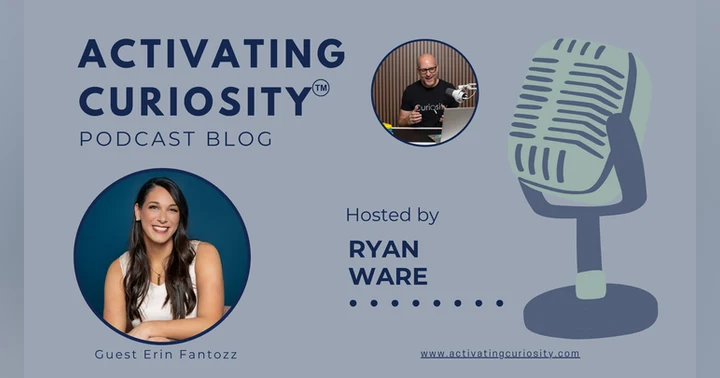
In this episode of Activating Curiosity™, Ryan Ware sits down with Erin Fantozz, Founder of EFDesigns, to explore how architecture and construction firms are navigating a deeper shift in leadership, change management, and the future of work.
As workforce pressure continues across the AEC industry, many firms focus on hiring more people without rethinking how work is structured. This conversation challenges that assumption—highlighting why aligning talent to projects, not payroll, may be a more effective path forward.
Drawing from her journey through traditional practice and into building a decentralized workforce model, Erin shares how flexible, fractional teams can improve efficiency, reduce overhead, and better support both firms and individuals.
Together, they unpack the real barriers to change—outdated business models, communication gaps, and deeply rooted assumptions around billable hours, proximity, and control.
This episode is about more than workforce strategy—it’s about leadership. How we create clarity, build trust, and lead change in a way that allows teams to adapt and perform in an evolving industry.
Because the future of work in AEC isn’t just about finding talent—it’s about building a model that actually works.
What you’ll learn:
- Why the AEC workforce challenge is really a work model issue
- How decentralized teams can improve efficiency and flexibility
- The limitations of billable hours and traditional staffing models
- Why communication—not proximity—drives performance
- How leadership mindset impacts adoption of new work models
Chapters
01:45 - Early career and the 2020 shift
05:30 - Why the 40-hour model breaks down
10:15 - Communication vs proximity
15:30 - The real issue: how work is structured
20:30 - From staffing firms to staffing projects
26:00 - Building a decentralized workforce
32:00 - Leadership, flexibility, and trust
38:00 - Rethinking the future of work in AEC
Guest
Erin Fantozz is Founder of EFDesigns, a strategic BIM execution firm helping architecture practices scale without adding internal staff.
After experiencing burnout in traditional practice, she built a flexible, fractional model that aligns talent to projects instead of payroll—helping firms increase capacity without the constraints of hiring.
Her work focuses on decentralized teams, leadership mindset shifts, and redefining how work gets done across the AEC industry.
Overcast Innovations
Helping project teams coordinate building systems earlier for more predictable outcomes.
New Lyfe Accounting
Free Diagnostic ($500 value) for Activating Curiosity Listeners by NLA, to help your financial goals
Helping construction leaders simplify change, strengthen trust, and move forward with clarity.
Disclaimer: This post contains affiliate links. If you make a purchase, I may receive a commission at no extra cost to you.
Have feedback or stories to share? Drop us a note or leave a VM—we’re listening!
Follow Ryan at the following:
https://www.linkedin.com/in/ryankware/
https://www.linkedin.com/company/connective-consulting-group-llc
https://connectiveconsultinggrp.com/
https://connective-coaching.com/
https://ryanware.me/
Don't miss out on future episodes! Follow & subscribe now to our newsletter and stay informed about the latest trends and insights in the construction industry.
If this show helps you, please consider supporting it. Just $3/month helps cover production and keeps the conversations going.
⭐ “Love the show? Toss some stars my way, it’s the easiest applause ever.
Frequently Asked Questions
Is the AEC industry truly facing a staffing shortage or a work model problem?
This episode suggests that the AEC industry's perceived staffing shortage might actually be a symptom of outdated work models that don't meet current needs.
How can decentralized teams benefit AEC firms?
Decentralized teams can improve efficiency and flexibility by allowing firms to align talent to projects rather than maintaining large internal payrolls.
What is a more effective approach than traditional staffing models in AEC?
Aligning talent to projects, rather than to payroll, offers a more effective path forward, enabling firms to scale capacity without the constraints of traditional hiring.
Does proximity or communication matter more for performance in AEC teams?
The episode emphasizes that effective communication is a more significant driver of performance than physical proximity in AEC teams.
Erin
Be curious about different opportunities. Live through your experiences, but take reins of your experience and think about how to problem solve that. We're all architects, we're problem solvers, right? I mean for myself, I'm not even licensed, but I went through how to problem solve, but I'm just doing it in a different way. And so it's like think about different ways that you can solve a problem and bring a solution to the table. I think that is number one. And it may not look the way that you know you think it should look. Test it up. If it works, continue. If it doesn't work, evaluate and you know, pivot.
Ryan
I am Ryan Ware. And today's conversation is going to be focused on the future of work. And it is a conversation that we had early on in the podcast existence, but from a little different perspective from someone who has been practicing within the architectural side, the interior side, and went through her own journey to realize like, hey, something's got to shift, something's got to change for me personally, but also for the industry and the way that we think about staffing our businesses versus staffing projects and aligning talent to the project. Something that we've talked about early on with Mandy McGill was that decentralization of workers. And wanting to get this conversation based off of a different approach and a way to build a support team for architectural firms, but also for design build firms as it relates to uh project architects, to bin management, and all of those things that firms often are asking themselves do we even need to hire somebody right now? And is this something that in six months that we may or may not even need as a position? So today's conversation is going to be with Erin Fantaz. She is the CEO and founder of EF Designs and based here in Cleveland. She's a graduate of Kent State University as well. And I'm I I was looking forward to this conversation because I wanted her to tell her story, like what it was like coming out of university and practicing and then going back to school while learning and trying to maintain a career, also throw into the mix 2020, once COVID hit. And those things that she was seeing as a female, as a single mother, and sort of how she looked at her career and thought, you know what, I can't be the only one who is thinking these things. I can't be the only one who believes that they no longer need to be in a brick and mortar setting in order to deliver projects for owners. And what Erin has done with EF designs is create that decentralized workforce and being able to provide services for people all across the country who have architectural firms to design build. But the real question that wanted to dive into and understand is why are we not taking advantage of this now? What is it that we are questioning about this approach to delivering projects? And why are we so stuck in the way things have always been done as it relates to billing and structuring a business and thinking about project teams? Because if we stay in that mode, if everything looks as exactly as it has always been, we will never be able to build enough infrastructure for this world and for the occupants who live here.
Erin
Hey, how are you doing today?
Ryan
I'm doing good. I'm appreciative that you're willing to come on and have this conversation. I know it's a it's very important for you and the work that you're doing.
Erin
Yeah, definitely. I'm excited to be here with you.
Ryan
Yeah. So, Aaron, we all know that 2020 became this like fulcrum point uh with how we thought about work within all industries, but really within the AEC industry. But before we even get to that point and kind of present day, can we just step back into your early career days and how you got into your career and the things that you were even seeing and starting to recognize before that point in time?
Erin
Yeah, absolutely. So for me, you know, um I I had two degrees. I have an interior zye degree, an architectural degree from Kutts State University here in Ohio. And really what I was noticing is as an adult, when I went back to architecture school, I was also working in a firm. So that kind of era of my life, I experienced this grit and perseverance in myself. And, you know, it was very difficult for me to be very practical in the profession, but very, you know, creative going back to school to appease a professor and, you know, kind of go through those studios and things like that. And when I had graduated, um I had worked at a firm for quite some time. I loved working with them, and I just kind of needed a change of space, change of scenery. And I moved down to Columbus, Ohio, and um I worked for a firm there. They did health care, and I really realized that like healthcare was not my thing, you know? Um and unfortunately at that moment of time, um, COVID had happened. So we're in the 2020, and they were bought out by a firm out in Seattle. And at that point, you know, the Seattle firm was heavily into higher education, K through 12. And that was my bread and butter of what I was doing when I was in college and, you know, working at this other firm. And so I was positioned working physically in Columbus, but working on design teams out in Seattle. So I was experienced to working with, you know, time zone changes, different tools, COVID alone. So you're working with people that you don't know, you're working with um, you know, within an acquisition uh at the minimum. I mean, so many changes were happening. And that was like one thing that I really noticed is like I physically do not need to be in a brick and mortar to do the work that I am doing. If you have high, you know, um communications and you can actually collaborate across, you know, time zones. Like there is a way to do this, and it doesn't mean that you have to be in brick and mortar.
Ryan
Yeah. Yeah. I I mean it's it's interesting to hear you say you also went through an acquisition, which we can get into that because it's a whole, as you said, that is a huge lift for each of us mentally to go through that change alone with 2020 kind of happening in your career. But I think you stating like, hey, I'm kind, you know, I'm trying to balance between work and going back to school. I'm also seeing where my passion is being driven towards a certain vertical market to, you know, really focus on in your career through a design path. But then this thing happens, COVID, where, you know, I'm older, all right. My career started attached to a desk, like it was a desktop. And I, you know, I remember printing drawings and trying to do red lines in hospitals when my kids were young, and it's like I couldn't even do work at home.
Erin
Yeah.
Ryan
So a lot of us in this when, you know, at points of leadership and you know, those in Gen X to a little older, like we started a career a certain way. And I don't know about you, Aaron, but that 2020, like there were a that through a lot of people. Um just, oh my gosh, I need to be around everybody, I need to see them, and I know we need that social piece, but I mean just the work, right? To be able to navigate through coordination and communication. But before 2020, like we were, we were already using, I mean, Teams was out there, Zoom took off kind of ahead, but like video conferencing and picking up phone calls, right? Rather than just always needing to have coordination meetings physically together. So you see this moment, you're recognizing it, you're saying, like, I don't need to be in that brick and mortar piece. Like, what else sort of happened between the 2020 timeframe and and today, right? Present day for you starting your business. But like beyond the brick and mortar, what else were you noticing in our industry that we're like, hey, we're holding on to some things here? And again, I'll say guilty as you know, a Gen Xer. Like, I'm sure a lot of us, like, hey, that's just what we're used to. So what else were you seeing and noticing in that in that time period?
Erin
Yeah, I think a big thing too that I noticed a lot was the efficiency piece. So, you know, being an individual who I love to learn, I love to push my limits of what I can actually like start to understand. And some people, you know, in the office, like if you're working 40 hours, you're working the same 40 hours, right? But the efficiency piece is really like how efficient is an individual to get something done or to further grow themselves to understand something at a different level than the person next to you, right? And and I noticed too that, you know, putting in your timesheet 40 hours, you know, I mean, how arbitrary is an hour? Like, you know, what I do in an hour could be so different and so either efficient or inefficient, depending on who you are, of what you're putting in that timesheet. And so, like for me, I really experienced, you know, I'd be working on a project, you know, higher education project is pretty much my baby project. And, you know, uh there'd be a point where like my principal was just giving me like tests. And I'm like, I want to keep catapulting, I want to keep moving forward. But I couldn't move forward because I wasn't given enough information to because they were holding and knuckling all the information tight, or they have other things going on, they're going to project site, they have other projects going on, and here I am someone who has to put 40 hours on their timesheet and I'm at the stopping point, but somehow I have to fill up my time because that's what you just had to do. Right. You know, and it's like, how do we overcome that? Right? Like, how do we allow individuals to, you know, have this balance or have enough input based on what they're interested in to work on a project instead of pigeonholing them into just production or pigeonholing just into this? And it's like letting individuals kind of expand their knowledge base to be more, you know, into projects to have that billable time, right? Right. And I think for me, it was realizing like, okay, I'm very conscious of what this budget is, you know, so I'm not gonna just bill time to bill time, but at the same time, what do you, what am I doing? You know, I'm billing to overhead. So now I'm cutting out what the firm's profit margins are, you know. And those are things that I noticed and trying to get, you know, individuals who have like that closed-off mindset of like, oh, well, this is just how it is. I wasn't in the position at that point in time to be like, okay, well, maybe let's try this, or can I do that? Or do I really need to work these 40 hours? You know, I find that to be a very arbitrary old school mentality. Um, and it's like, I know it's a cross-industry topic, but like, how do we get away from that hourly conversation? You know?
Ryan
Yeah. I mean, there's a lot there that you were noticing, right? The hourly piece is like that's a business model approach. Is like we're gonna go win a contract and we're gonna everyone has to put their hours in. We'll we can hit on that because I think that's it's the way you say it is a is a huge opportunity, I think, to be thinking differently in an as an industry. Um two, you mentioned something else about you young, you know, young person in a firm, whether you're physically there or even kind of remote, being able to get information from others who, okay, as individuals, maybe they're holding on, like you said, because they're busy, they're out, they're trying to do everything else, and like they don't have a five-minute stand-up check-in, or they they're not sure, they're not even trained how to sort of lead other people or have that conversation. So you're noticing that too. Um, and I think that's I'm gonna stick with that one for a second because I think that's universal within our industry. I was talking to a young man, I can't remember now, spent some time that I asked him how he just started at a firm and I said, How's it going? Like, do you ever do you just feel like sometimes you're sitting in a studio and everyone's running around because you're you're six weeks there? He's like, Yeah, and I'm like, they're all busy and they're all running around. And I give, are you realizing some of them just started like months ahead of you? Like he's like, Yeah. He's like, I'm not, I'm not, I'm like, not just because I was hired, like that, those people were like just hired too, and they're just running with their hair on fire as well, and not being able to get, you know, the attention of the principals or directors or VPs, whatever title you want to give it, to get the information they needed. So I don't know, when you mentioned that, I think that's a that's a real challenge uh within our industry to think about that efficiency piece, which I'm gonna stitch these together. Efficiency is we think that that's an improvement to net profitability on that bottom line. So you were also young and going, wait a second, like this business model seems off. Like, I d why is it? I mean, 40 hours. I mean, you mentioned 40. I think that's being generous in the architecture world, like 60, 70, 80. We were like a badge of honor back in my day, like, oh, just put in 70 hours. Well, you weren't getting paid for 70 hours because you were salary and you were just burn-in fee um as you're discussing, you know, some of these efficiency pieces. So I I just think you know, you being that young person and recognizing, like, hey, why why is everything billable time? We're when we're trying to complete a project.
Erin
Yeah.
Ryan
Right? We're trying to complete whatever that scope of work is that we got to handle and we got to deliver, as well as how can we do it efficiently that isn't just being, you know, within a brick and mortar setting, but um kind of in a way that we are getting the information at the time we need it in order to move forward. So what else were you like as you're seeing this, like how was your how are you kind of processing this information? And you're you mentioned you kind of were sharing it what, you know, with some of the firms, some of the people there, but like what else was sort of like now coming forward for you of like, hey, this is this is a real opportunity, but a real problem that I think needs addressed.
Erin
Yeah, I mean, honestly, I think it I I hit a point in my own personal life that, you know, had me in a position of like, I cannot continue to commute, you know? Um, and with that, it was like, okay, now I'm stuck in this position of, you know, my hometown is in a rural area. We don't have opportunities here. And I have taken now the past three or four years realizing all of these, you know, business model within the architecture industry. And I'm like, I don't know what to do because majority of firms think in one type of way. And so I got to this point where it was just like, I need to create this opportunity. What I need, I just need to make it work for myself and for my personal life because I am a single mother to a daughter and I am commuting, I'm doing all these things. And, you know, it's like when you think about that piece that I had just said of, you know, you have to be billable 40 hours or whatever it may be. And now there's time that it's downtime at the office, but that's downtime that I'm now taking away from my family, you know, and it's like, how do we get, you know, everyone says work life balance, right? And it's like, it's more than just work-life balance. It's like, I know you had mentioned previously, it's like the commute time. Like I was commuting an hour back and forth just one way. And, you know, it got to the point where I had to come to my firm and I was just like, look, like, here's my situation. I know, you know, some firms don't like to talk about personal unless it's presented to them. And I just had to tell them, hey, look, like this is my situation. This is not sustainable for me and my family. Um, and at that point, it was almost like they had like this trigger go off in their mind of like, wow, we we really want you to work with us. You know, you came back to us because, you know, you were in a position that you needed another job, but now you're in another transition point, but we don't want to lose you again. So what can we do together to make this work? And and I think that was, you know, a hard spot for them because they also are in that traditional thinking, right? So I have now brought them a situation where they're kind of left in the same way I'm thinking of like, okay, what do we do? And together we kind of had to come up with a solution, you know. Um, and it worked for a little bit until I realized that the biggest issue was really just the communication, you know, the communication of them not understanding how to communicate to someone outside of their brick and mortar. Right. Um, the communication of, you know, people in the office, it was like, oh, I'll just come to your desk. Well, you don't have that luxury when someone's working. So I think there is a big communication issue of, you know, traditional business model thinking to more forward progressive thinking that you kind of have to be really good at your communication skills because if you're not, that's why you're white knuckling everything, you know?
Ryan
Yeah. Yeah. I mean, it's so it's so true because if we think about the things that hit us emotionally, I I think about, all right, watch a commercial. Like it's it's gotta hit your attention within a very short time period. And a lot of our communication, I I know everyone communicates differently. Like emails can't read tone, right? Like texting, people aren't giving full words. And you're like, I got all these generational things that are happening around communication as well in these formats. But just like sometimes communication is even knowing like what does this person need to know and when, like, in order for them to be moving at the pace that is required for the project to be completed in a timely manner. And I think communication has always been uh even difficult when you're sitting next to someone.
Erin
Yeah.
Ryan
Um, and that's a human piece. And as you mentioned, it's like, hey, we're we're noticing these things going on. You're starting to communicate your what you're seeing as a challenge um for yourself, and whether the, you know, you did it in a way that said, hey, I see an opportunity here as well. Like you're describing this as something like I, you know, bringing value to yourself as well as to the firm. And I I'm curious, you've mentioned this too, is like you you all didn't know exactly how it was gonna go. Like, how much, how much grace and kind of empathy were you giving yourself to learn through this new territory uh for one another, of how that, how that could work out and how you could have enough psychological safety or that space that's needed. To bring up those challenges to work through them.
Erin
Yeah. I mean, I think for me, like it it was very nerve-wracking for me to like come to them and be like, hey, like, because I I have previously worked for this firm before I moved. And so then when I came back, I like went to them out of like, oh shit, I need a job. My contracts, I did contract work for a little bit. So I'm coming to them out of like, hey, like, what do you guys have going on? You know, and they didn't really have a position for me. They were like, we don't really need you. Just give us some time, you know. But because they know my work ethic and they know the value that I bring to their firm, they're like, we'll bring you on full time, just give us some time, you know. So now here I am a year later coming to them asking like for a whole new shakeup, you know? So that was hard because I had already left the firm once to go pursue other things. And now here I am again, coming back and being like, oh, hey, I actually need more from you. So it was hard because I had experienced other things from other firms in other situations that now I was trying to get them to see. But then again, it's like it, it was, it was just a very difficult transition for me to even bring that up. Like the nerves and the anxiety and the stress that I felt for months on end to be able to be like, hey, I need something different. Have no idea what this looks like. I know that their mindset is completely different from mine now. And how do we like merge those two together? You know?
Ryan
Well, yeah, okay. So taking your story then, like how like no human should feel like they can't have, you know, a conversation. Yeah. Right. So like that's like personally to to go through that and it's like, I don't want to say what I'm about to say.
Erin
Right.
Ryan
And and I think it's, you know, fear of retaliation, fear of no embarrassment sometimes, whatever it is, those emotions, like we tend to build them up in our head of like, it's worse than it's going to end up being.
Erin
Yeah.
Ryan
So like you, as you are going through this, and now we're kind of in present, heading into that present day. Um, to la, you know, to kind of get a firm to think differently about this, you're also going through your own journey of thinking differently about this. Like, what have you learned from that moment as you're stepping into your business and thinking about also working with other firms? How have you thought about that as a leader now and kind of starting this journey of the business and the support you're giving AEC firms?
Erin
I think one, um, having hard conversation doesn't show weakness, it actually shows strength. Um, you know, doing hard things that you think that you can't do, but when you do them, you actually have the sense of relief of like you can communicate at a whole different level once you have that, you know, um kind of difficult conversation. In terms of leadership, um, I am a very over-communicator, transparent um individual with my entire team. And I also advocate for my team. I advocate for myself, I advocate for the profession. Um, I think it's super important just to know the value that you bring. And if there's hard conversations because someone may not fully understand it, be willing to have more conversations about that so that you both can get to that even point. And that's essentially what had happened in that situation with that firm was he they brought solutions, I brought solutions, we sat down at the table and we kind of schmooze through, like and merged together what would work. And then we tested that out and then we kind of pivoted from there. And I think a lot of what businesses are doing or you know, individuals is you test and you tweak and then you figure it out, you know? Um, and and that's just part of growth. And I think that's part of mindset. And it's just giving a new way of thinking, maybe a time frame and then reevaluating, you know, it doesn't mean that this is how it has to be forever. It's just a time period that you're giving yourself to test a certain situation, and then you're able to move forward from that or realize that, okay, this is really what I wanted to do.
Ryan
Yeah. Well, and I, you know, just this is leading into that that future, you know, from present the future state, then for you, it's like, hey, we can't, we you weren't guaranteeing like immediate success. And it sounds like neither were they. They were given that space to test, to try, to evaluate, as you said, which is, you know, that's where real curiosity can kind of thrive, is that we don't need it to go exactly 100%, you know, the way we thought it might go. Because we need to just, we've not done it, we've not tried it, we just need to keep taking steps forward, assess, maybe adjust, you know, shift that that goal. And I think a lot of times, especially in the in our industry, like the low net profitability, like if it doesn't work once, like we throw it aside and we're like, you know, that that didn't work. Blame the technology, blame whatever it is. And I think this is, you know, where I for you, it's like, hey, I'm thinking about building a business around the future of how we might be working, which has also got to have some flexibility to it because we haven't figured out even total present day yet. But like you're as you're working through now starting your business, and and you've been in business how many years?
Erin
A couple years.
Ryan
Couple years, right. That's what okay. So two years, you've gone through 2020, you kind of went through that transition, you started the business in 2024. It's you've gone through the learn, you've gone through continuous learning, developing of these teams. Like, what else have you learned through that journey as you're thinking about the future work for AEC industry and and the the the way you're structuring your business in order to support not only your team and those individuals that you might be hiring for your team, but those businesses. Can you walk us through like your version of that future work state that you've been thinking about?
Erin
Yeah, absolutely. So, you know, for us, like we we look at three different things that are super important. It's the leadership, you know, it's the outcomes, it's the speed, it's looking at capacity, not ours. It's looking at, you know, what does it take for us to be profitable, our client to be profitable, but a happy end user client, right? It's sometimes, you know, how how do all of those things kind of come together and work together to provide profitability and success for everyone involved?
Ryan
So so you're starting to look at the business piece with that, you know, how you your go-to-market strategy, right? Which is that first piece. Like how do you how do you even really begin to price your solution or services, I should say. Yeah. Uh providing is it, are you really in an area of fractional support for teams? Is that sort of this decentralization of work um sort of framework? So the go-to-market strategy is like, look, businesses can't hire. Sometimes there's ebbs and flows with economy changes. Um, smaller firms, especially, like you can't just keep adding overhead or adding headcount to a business. I don't know, you got your pipeline, you got, you know, backlog to review, but like there's ebbs and flows, and like we've seen throughout our, at least I've seen throughout my career, is just hires in the layoffs, and the hires in the layoffs uh in our industry. So your go-to-market strategy, you're trying to try to structure this in a way that is like, hey, we got a future workforce that's shrinking for our industry, current workforce that's shrinking, dynamics of our workforce is changing. Um and you mentioned it before, your young woman, your single mom, like what else were you recognizing? Because I I know we went through the great resignation. We've gone through, and I've gone through my career watching women really struggle in this industry to also feel like they can, as you said, be that mom, be that family member, be that uh, you know, human with a career and a passion for that career. So, how else were you thinking about how you were going to structure your business but go support that future of work?
Erin
I I think, you know, I there is obviously two things that I'm supporting here. It's one, the AEC, you know, having that rational, you know, leadership um capacity, but allowing women on my team to also outlive for their passions in architecture. So, like we have a team of, you know, project managers, project architects, and um leaders. And it's like they too left corporate for the same reasons that I left corporate, right? So now I'm able to support um, you know, women, not, you know, it's not directed that way. It's just kind of happened that way.
Ryan
Right.
Erin
Um, and help them be home with their families as well as work in the workforce, you know? Um, and I think too, it's looking at, you know, um different ways for leaders at architecture firms to really look at like, do I need a full-time employee that has these overheads, has all these costs added to it, or do I just need someone for a season, right? Is it, are you, are you pushing hard for something? You know, we have individuals on our team retired from corporate US, right? Like we are bringing that expertise, that leadership, that knowledge base of what corporate AEC firms need and want. And we're able to bridge that gap. So they're not needing to hire a project manager, they can hire EF Designs as their fractional support for and our and the women on our team, you know, one day one of the girls might have to take their daughter to gymnastics in the middle of the day. You know, like it's just that is just the culture that we have created here. And it's being able to have um, you know, the flexibility, but still live the passions that we want to have and support the AC industry in a different way than what the normal traditional way is.
Ryan
Well, I mean, it's it's powerful to hear from you this, this like how you're thinking about the business and creating a business that allows women to have that career that they're looking for, where the corporate world is it's it's been a bit of a challenge, but do it in a way that's non-judgmental. And like we our society, um I'll just get a little bit of you know into our society, but like we we've been built to be judgmental, like at a snap of a finger. And I just think that we need, you know, we need to pause on that and see the humanity within all. And I know that my career, you know, the the women I was able to work with in my career, I would not be where I am today if I didn't have the support, if I couldn't, you know, also sponsor and just build a team and and try to, you know, try to provide that space where they could, you know, develop their career. But like, hey, if you gotta take a you gotta run an error and you gotta go do this, because you know, as me growing up into my career, I felt like I was judged all the time just taking time off from my kids being born. There was no parental leave for for me when I was younger. I didn't even, I mean, we were in a downturn. Like, I didn't even have PTF. Like I just I remember going through this, like, how am I living in the United States and this is what I get?
Erin
Yeah.
Ryan
So I just think like that mission or sort of how you, you know, you're thinking about your business and providing that opportunity is it's so needed and it's you know so critical that we have we don't lose that skill set, that talent because they don't have a place to work. And then something else that you shared, I think back in in your past was you lived in a rural area. And I think about this, like I grew up in a small town in southeast Ohio. There, I didn't want to live there and I didn't really want to work there, but I was doing both. And I was driving 45 minutes to go to an office then. And I'm thinking like, there are so many small firms that could utilize this fractional approach. And I'm sure the mindset, you know, there is a certain mindset to this. You mentioned it before, but just the opportunity to keep people within the profession, being able to, and I'm ag I'm in agreement. Why are we still working 40 hours a week?
Erin
Yeah. Like I know.
Ryan
I don't even know why that's still a thing. Um, so anyway, I just I want to, you know, commend you on how you're thinking about this and providing it because you went through your own personal experiences. But also just I'm sure this isn't just like, hey, we're heading and trying to support large firms. There's smaller firms or even design build companies with you know, VDC really becoming predominant. Like there's all of these areas and avenues to bring the skill sets, like you said, BEM managers to um project architects and and and that experience. What do you see as the biggest sort of hurdle to sort of that adoption of this? Um, is it is it mindset? Is it that old way of thinking of how we build, like what, what else are you noticing and seeing and how are you addressing it?
Erin
Honestly, I think it's a mixture of everything. I I definitely know that what we're building over here is a shake in the industry. What we have isn't that anything that anyone has ever seen. Um, you know, there is outsourcing overseas and there's offshoring and there's, you know, freelancers, but like what we have here, it's unheard of, you know? Um and so there's a lot of questions, there's a lot of unknowns, there's a lot of uncertainty with our potential clients of like, what does this even look like? You know? And so we kind of have to paint them the picture of like, this is how it's been working with some of our clients. We're still growing in this way. But at the same time, I think it comes down to, you know, a lot of things that I get are, well, what's your hourly rate? We don't like, yes, we have one, but no, we don't, you know. Um, we use that for internal purposes only. Um, we also get a lot of questions around, like, well, we only need you for production. Okay, production is like someone that's putting lines on a paper, but you have competent individuals who can catapult a project forward, bring solutions to the table. So it's like no one kind of knows how to like work with this because they've never seen it. So it's like a mixture of the mindset, the hourly rate, what does this look like? I only know outsourcing as putting lines to a paper and doing red lines and picking up red lines. It's like, no, we are so much more than that. And it's like me just trying to educate the industry on like the other possibilities that they can have brought to their firm without hiring, without having overseas offshoring, without having these other traditional ways of having additional help, of like you can actually have competent individuals retired US working for your projects to move projects forward and not having to worry about all the other things that you do when you outsource.
Ryan
Yeah.
Erin
There's a lot there.
Ryan
No, no, I think I I'm glad you shared it because I just think like that's it's it mindset is is key there because I heard words like control. I need control and I need clarity. And that is anything that is new, that change that you're going to go through, like foundationally, choice, control, and clarity are critical. And you know, this isn't new. We were 1099ing employees and contract employees in our past. And I think about construction like union halls, and what what you're describing is its project-based alignment with skill set and talent. And I know I had this conversation early on about this decentralized sort of workforce, but bringing the talent to the project, not to the business. And you're aligning those things through their experience. And when it comes back to that business bringing them in, it is new. So but they do it all the time, hiring consultants that are experts in other areas that they're not 100% experts in. And so then it's trust, right? It's then trust is like a critical component to this. And I, you know, I don't, Aaron, as you're kind of describing this, it just to me it's like this is a great opportunity and a way to solve a lot of the you know challenges within the labor force as well as the challenges as humans in that labor force. Yeah. Um, so being able to go complete projects, which is what we're all supposed to be doing, getting them designed and built, and so that we have an infrastructure in our countries, but being able to provide it in a way that gives, you know, time back to the individuals who are doing it. And to where we're not, we shouldn't all feel like 1,000 pounds of pressure being put on us constantly because you know, we there isn't enough workforce and we can't get enough done. So now I'm 70-hour work week and I haven't seen my kids' soccer match or whatever it is that we're feeling, right? Like the future workforce, and as you're describing it, is it I I like it. I think it's something that I'm hopeful our industry can see and grab onto because not everybody wants to live in this city or that city. We have mergers and acquisitions happening all over our industry. So, like there are leaders who live in one part of the country or planet, right? They're somewhere across the world. And we have to learn to live in that that new space. So being able to decentralize the work and bring that talent to projects, I I think it's uh I think it's an excellent way to be thinking about the future work, Aaron.
Erin
Yeah.
Ryan
So I am sure there is something I have not asked you based on that past, present, future state. So, Aaron, like what have I missed? Like, what do you think that most kind of important thing is to sum it up?
Erin
Yeah, I think, you know, for me, it's just like be curious about different opportunities. Um, you know, live through your experiences, but take reins of your experience and think about how to problem solve that. You know, we're all architects, we're problem solvers, right? I mean, for myself, I'm not even licensed, but I went through how to problem solve, but I'm just doing it in a different way, right? And so it's like think about different ways that you can solve a problem and bring a solution to the table. I think that is number one. And it may not look the way that, you know, you think it should look, but it's a way to kind of test and tweak the process. Give it three months, you know, test it up. If it works, continue. If it doesn't work, reevaluate and, you know, pivot. You know, I don't think um, you know, everything has to be done in a straight line. Life is not in a straight line. It's very up and down, up and flow. And you have to be resilient with that, right? Um, and I just think for me, it was, you know, I had all these pieces of my life that I had no idea why I was doing the things that I'm doing. And now to see where I have landed, I am so curious and so excited to see where we're gonna go because I continue to take every client's struggles and problems and provide a solution for them. Because if it's one person like that or one client like that, there's plenty more, you know? And so it's just it's taking situations and solving the problems and coming up with the solutions.
Ryan
Yeah. Well, I think that's You know, it's such an important and kind of missing piece a lot of the times. As you said, sometimes it's not gonna look like what you thought it should. Well, if it looks like what you thought it should, it means it's probably exactly the same as it was.
Erin
Right.
Ryan
Um because our minds our minds sometimes like we're creative people, but we still lack imagination when it's something new. Like we don't Who would have thought some of these technologies would be out in the format that they are in the way they're changing our lives and making us kind of think about things? So I love the fact that you said kind of that curiosity piece, be problem solvers. And I think problem solving comes with the fact that you don't know the answer when you start. So stop going to the answer that you know and start thinking about asking different and deeper questions um as it relates to that, you know, our future workforce and how we should be thinking about operating our businesses. So I'm sure there's a lot of a lot of work left to do, Aaron. I'm appreciative that you were willing to come on and kind of share your past, present, future view of of the workforce through your experiences, the work you're doing there with your your business and your firm. I'm appreciative of of all the work and getting a chance to kind of get to meet you, understand where your passion lies. Um, and I'm sure we'll have more conversations about decentralization and future work because it's going to be a hot topic that is not going away anytime soon. So appreciate the time and thanks for being on Activating Curiosity.
Erin
Yes, thank you so much for having me. I appreciate it.
Ryan
Yeah, thank you. So that is a conversation with Erin Fantaz of EF Designs based here in Cleveland. Uh, I hope you enjoyed it. I love hearing her story and everything that she had seen early in her career, those things that she was beginning to question and starting to think about. Her firm is young, it's two years old. She is in constant curiosity mode of testing and trying and relearning as well as just learning on her own about how we should be thinking about the industry and be thinking about the businesses within the industry. So until next time, I hope you're able to continue to go through those things in your life that you're curious about and diving into them and giving yourself that space that's needed to constantly be in learning mode, as Aaron said. I hope you stay well. If you continue to activate your curiosity as well as curiosity within the Activating Curiosity podcast is brought to you by Connective Consulting Group, Connective Coaching part of the Curiosity Building Experiences. If you enjoyed today's episode, don't forget to subscribe. You'll never miss a competition. Share the podcast with the network and help us bring more curiosity into the construction. Interested in becoming a guest or a sponsor? Visit us at ActivatekCuriosity.com for more details. Until next time, keep leading with curiosity.
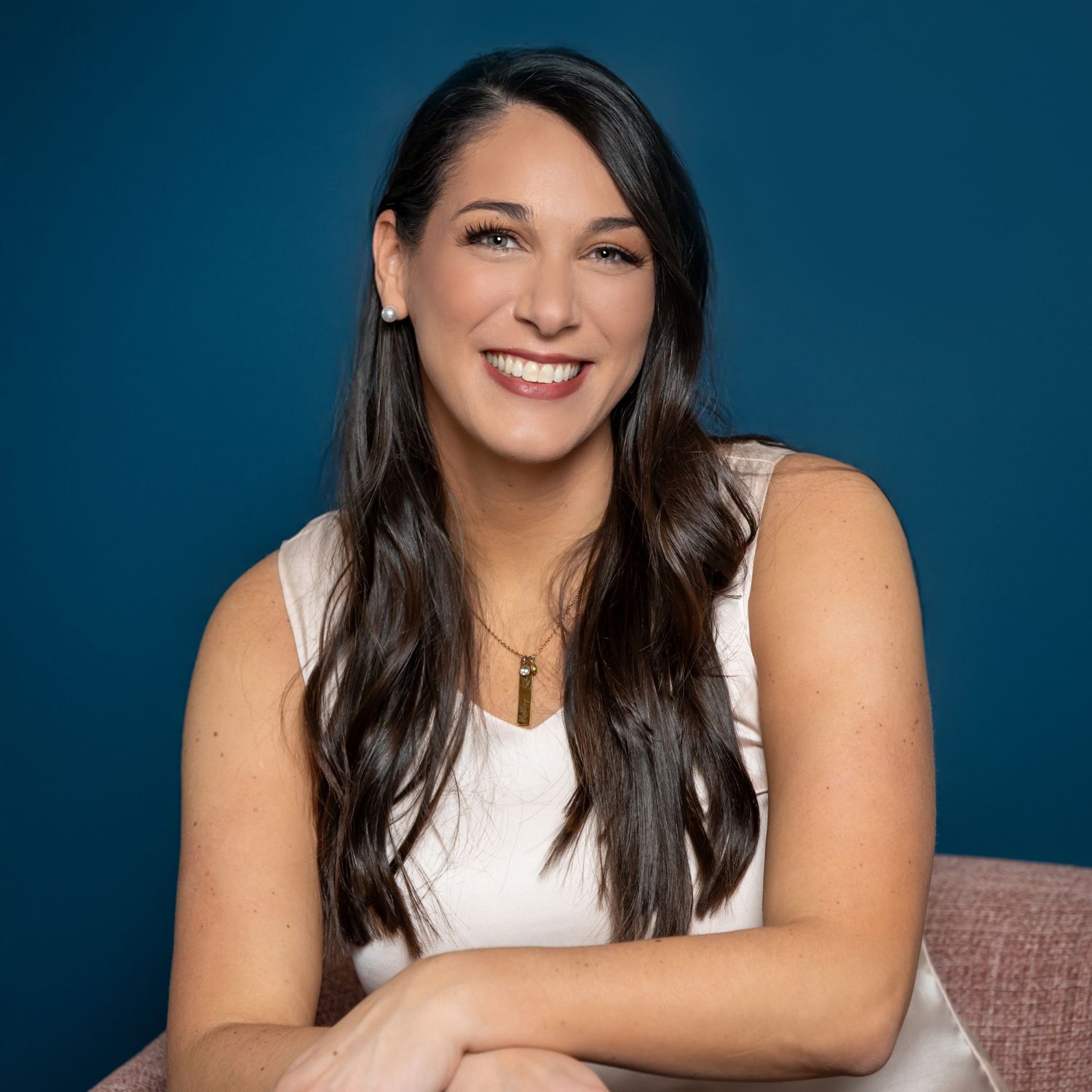
CEO + Founder
Erin Fantozz is a single mom and recovering corporate burnout who accidentally built a business that's changing how architecture firm's scale.
She spent years doing the "right things"—going to classes at Kent State while working full-time, grinding through corporate roles, commuting two hours a day—until she hit a wall. She was stuck in production when she should've been leading. Missing bedtime with her daughter. Working weekends. And watching firms around her struggle with the same impossible math: too much work, not enough people or the alternative, too many people and not enough work. (ebbs and flows of business), and a hiring timeline that takes six damn months.
So, she built the solution she needed.
EFDesigns is a strategic BIM execution firm that gives growing architecture practices what they're actually asking for—senior-level production capacity, US-based, no hiring risk, no turnover drama, one flat monthly fee. Her clients scale from 6 projects to 50 without adding internal staff. They get their lives back. They stop turning down work because they "don't have capacity."
Erin's business model is simple: architecture firms don't have a talent shortage—they have a business model problem. And she's the fix.
She's WBE-certified, runs an all-women team, and has zero patience for the "passion for architecture" narrative that's used to justify underpaying people and working them into the ground.
If you've ever wondered if there's a bette…