Beyond the Headcount: Why AEC Firms Should Rethink Their Work Models
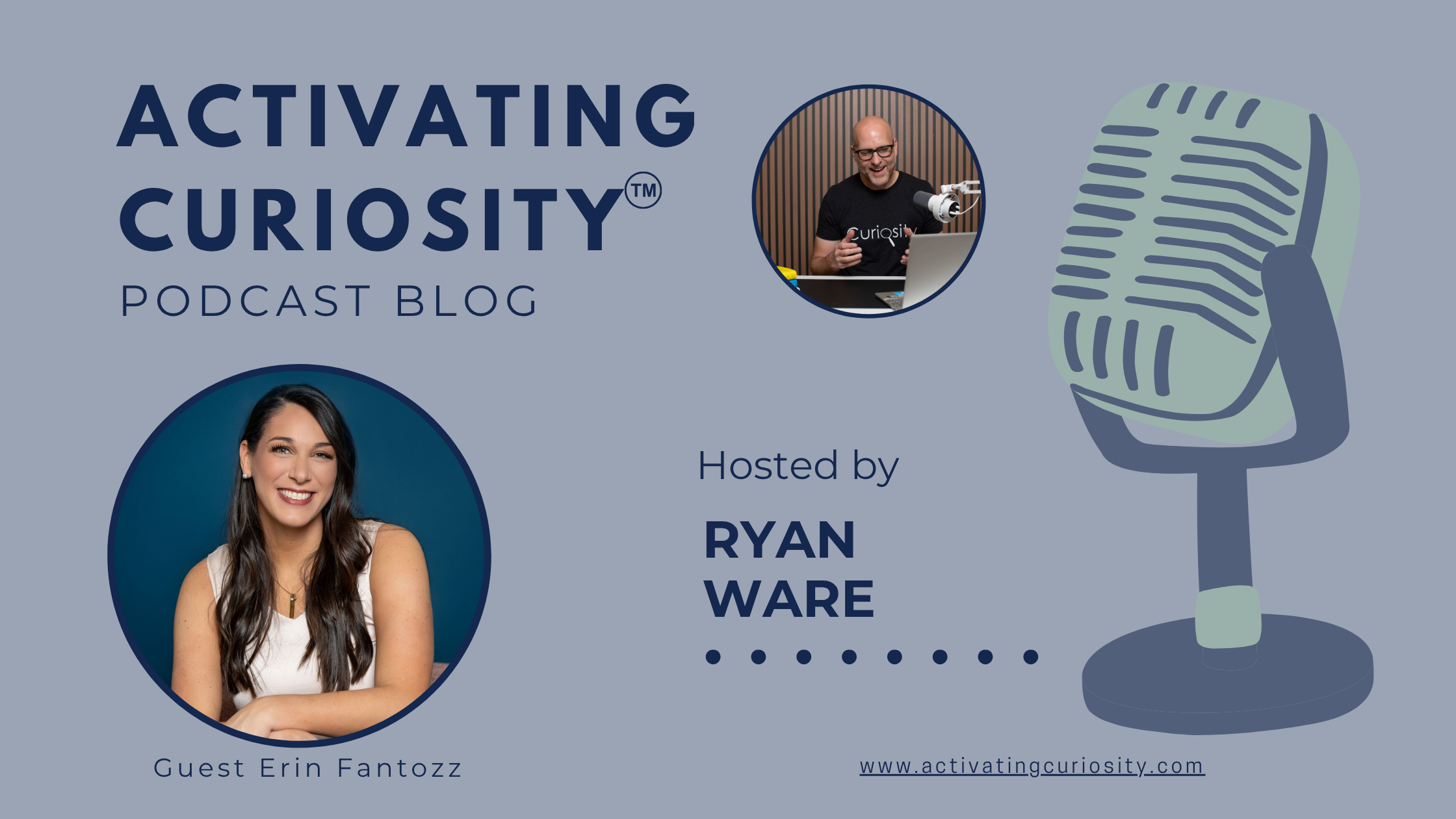
Welcome back to the blog, where we dive deeper into the conversations we’re having on the podcast! In a recent episode, titled "What If It’s Not a Staffing Problem in AEC—But a Work Model Problem?", we unpacked a critical issue facing the Architecture, Engineering, and Construction (AEC) industry. It’s a puzzle that’s been vexing leaders for years: the persistent challenge of finding and retaining talent. But what if the solution isn't simply about hiring more people? What if the real culprit lies in the very structures and models we use to organize our work? This blog post will expand on that core argument, exploring how a shift from focusing on headcount to strategically staffing projects can be a transformative approach for AEC firms.
The AEC Industry's Persistent Staffing Puzzle
For what feels like an eternity, the AEC industry has been grappling with a seemingly intractable staffing problem. Every conversation with a firm leader, every industry report, seems to echo the same refrain: we need more people. Architects are stretched thin, engineers are overloaded, and construction sites are struggling to find skilled labor. This narrative has become so ingrained that it's almost taken as gospel. Companies are pouring resources into recruitment, offering signing bonuses, and trying to entice new graduates, all in a relentless pursuit of filling empty seats. Yet, despite these efforts, the staffing gap persists. It’s a frustrating cycle, and for many, it feels like a fundamental flaw in the industry’s ability to attract and retain its most valuable asset: its people. This constant struggle to maintain adequate staffing levels impacts project timelines, profitability, and, most importantly, the well-being of the individuals who make these complex projects happen.
The Misdiagnosis: Are We Lacking People or Outdated Structures?
This is where our recent podcast episode, and this blog post, really starts to question the status quo. We’ve been so focused on the symptom – the lack of available bodies – that we’ve potentially misdiagnosed the underlying cause. The argument we put forth, echoed by our insightful guest Erin Fantozz founder of EFDesigns, is that the AEC industry might not be suffering from a fundamental lack of skilled individuals, but rather from outdated work structures that are no longer serving the needs of the modern workforce or the demands of today’s projects.
The traditional model, often built around a 40-hour work week, strict office-bound environments, and the relentless pursuit of billable hours, is increasingly showing its cracks. This model was conceived in a different era, for different economic conditions and with different societal expectations. Trying to force today’s talent into these rigid frameworks often leads to burnout, disengagement, and ultimately, a high turnover rate. It’s like trying to fit a square peg into a round hole; it might eventually go in, but it’s a messy, inefficient, and ultimately unsustainable process. We’re not just looking for more hands; we’re looking for a more effective way to harness the hands we have, and the minds that guide them.
Rethinking the Core Problem: Work Models, Not Just Headcounts
The critical insight from our discussion is this: the focus on headcount is a distraction from the real issue. We need to shift our perspective from "how many people do we need to hire?" to "how can we best structure our work to achieve our project goals and support our people?". This means questioning fundamental assumptions about how work gets done in AEC. It involves exploring flexible work arrangements, embracing technology that enables remote collaboration, and re-evaluating traditional metrics of success. Instead of filling roles that are often defined by archaic structures, we should be thinking about how to assemble the right talent for specific projects, for specific durations.
This is a fundamental paradigm shift that moves us away from a traditional employment model towards a more strategic, project-centric approach to talent acquisition and management. It’s about creating an ecosystem where talent is fluid, adaptable, and aligned with the dynamic needs of the projects themselves, rather than being tied to the fixed costs and rigid structures of a permanent payroll.
Erin Fantozz's Journey: From Burnout to Decentralized Workforce
Our guest, Erin Fantozz, provides a powerful real-world example of this shift in action. Her own journey through traditional AEC practice led to burnout, a common experience that highlights the unsustainable nature of many established work models. Recognizing this, she didn't just seek a new job; she sought a new way of working. Erin founded EFDesigns with a vision for a decentralized workforce. This model is built on the idea of fractional talent – bringing in specialists and skilled professionals on a project-by-project basis, rather than on a permanent payroll.
This approach allows firms to scale their capacity up or down as needed, accessing expertise without the long-term overhead of full-time employees. It’s a testament to the fact that innovation in AEC doesn’t always have to be about building materials or construction techniques; it can also be about how we build our teams and manage our workflows. Erin’s story is a beacon of hope for firms struggling with the limitations of traditional employment, demonstrating a viable and efficient alternative that prioritizes both project success and individual well-being.
The Limitations of Traditional Models: Billable Hours and the 40-Hour Week
Let's dig a little deeper into why the traditional models are failing. The concept of "billable hours" is a cornerstone of many AEC business models. While it provides a clear metric for revenue generation, it can also create perverse incentives. It encourages employees to stay busy, regardless of actual project needs, and can lead to a culture where presenteeism is valued over productivity. The relentless pressure to fill those billable hours can be exhausting and contribute significantly to burnout. Coupled with this is the rigid 40-hour work week. In a world where flexibility is increasingly valued, this one-size-fits-all approach often fails to accommodate diverse working styles and personal commitments.
For many professionals, especially those in creative or technical fields, peak productivity doesn't always align with a strict 9-to-5 schedule. This inflexibility can alienate talented individuals who seek a better work-life balance, pushing them towards industries with more adaptable employment structures. The limitations of these entrenched systems are becoming increasingly apparent as they struggle to meet the evolving expectations of the modern workforce.
Communication Over Proximity: A Paradigm Shift in Performance
A crucial element of the discussion revolved around the outdated notion that physical proximity is essential for effective collaboration and productivity. For decades, AEC firms have largely operated under the assumption that teams need to be in the same office, under the same roof, to perform optimally. This "command and control" mentality, where managers can physically see their teams working, has been a default setting. However, the pandemic accelerated a realization that technology has made effective communication and collaboration possible across vast distances. The key isn't where people are located, but how effectively they communicate and manage their work. With the right tools and processes, a decentralized team can be just as, if not more, productive than a co-located one.
This shift in thinking requires leadership to trust their teams and to focus on outcomes rather than surveillance. It means investing in robust communication platforms, establishing clear project management protocols, and fostering a culture of transparency. The focus must be on the quality of communication and the shared understanding of project goals, not on the physical presence of individuals within an office space.
Staffing Projects, Not Just People: A Strategic Approach
This is the heart of the matter. Instead of viewing staffing as a continuous hiring process to fill predetermined roles, AEC firms should adopt a project-centric staffing strategy. This means analyzing upcoming projects and identifying the specific skill sets, expertise, and capacity required for each. Once these needs are clearly defined, firms can then assemble the optimal team for that particular project. This team might consist of a mix of in-house staff and fractional talent.
This approach offers several significant advantages. Firstly, it ensures that projects are staffed with the most qualified individuals for the tasks at hand, leading to higher quality outcomes. Secondly, it provides unparalleled flexibility. Firms can scale their workforce up or down as project demands fluctuate, avoiding the inefficiencies of overstaffing during lean periods or understaffing during peak demand. Thirdly, it allows firms to tap into specialized expertise that might not be cost-effective to maintain on a permanent basis. This strategic approach moves beyond simply filling seats and instead focuses on building the most effective and efficient teams for each unique project, ultimately driving better results and a more sustainable business model.
Building a Decentralized Workforce: Efficiency, Flexibility, and Reduced Overhead
Implementing a decentralized workforce model, as exemplified by Erin Fantozz, offers tangible benefits that are hard to ignore. The efficiency gains are substantial. By accessing talent on demand for specific projects, firms avoid the costs associated with full-time employees, such as salaries, benefits, office space, and equipment. This reduction in overhead can significantly improve a firm’s bottom line. Furthermore, the flexibility offered by a decentralized model is invaluable. Firms can adapt quickly to changing market conditions or project scopes without the lengthy and complex process of hiring or laying off permanent staff.
This agility is a significant competitive advantage in the fast-paced AEC industry. For the professionals themselves, this model offers greater autonomy, work-life balance, and the opportunity to work on diverse and challenging projects. This appeal can attract a wider pool of talent, including experienced professionals who may be seeking more flexible arrangements. The combination of increased efficiency, enhanced flexibility, and reduced overhead makes the decentralized workforce model a compelling proposition for firms looking to modernize their operations.
Leadership's Role: Fostering Trust and Driving Change
Ultimately, the successful implementation of any new work model hinges on leadership. For AEC firms to move beyond outdated structures, leaders must be willing to challenge their own assumptions and embrace change. This requires a fundamental shift in mindset, moving away from traditional command-and-control to a more empowering and trust-based approach. Leaders need to cultivate a culture where trust is paramount, where employees are empowered to work autonomously, and where performance is measured by outcomes, not by physical presence.
This involves investing in the right technologies to facilitate communication and collaboration, providing clear direction and expectations, and offering ongoing support and development for their teams. The transition to a decentralized or more flexible workforce model requires courage, vision, and a commitment to continuous improvement. Leaders who can successfully foster this environment will not only attract and retain top talent but will also position their firms for long-term success in an evolving industry.
Conclusion: Building an AEC Work Model That Actually Works
As we’ve explored in this blog post and in our latest podcast episode, "What If It’s Not a Staffing Problem in AEC—But a Work Model Problem?", the AEC industry's persistent staffing challenges are often a symptom of deeper issues related to outdated work structures. The relentless focus on headcount, the rigid adherence to traditional models like the 40-hour week and billable hours, and the outdated belief that proximity equals productivity are all contributing to a talent crisis.
The path forward lies in rethinking how we organize work, embracing flexibility, and prioritizing effective communication over physical presence. By shifting to a project-centric staffing approach and building decentralized workforces, AEC firms can unlock greater efficiency, reduce overhead, and attract a wider pool of talent. This requires strong leadership that fosters trust, embraces innovation, and is willing to drive meaningful change. The future of work in AEC isn't just about finding more people; it's about building work models that actually work for both the firms and the talented individuals who power them.
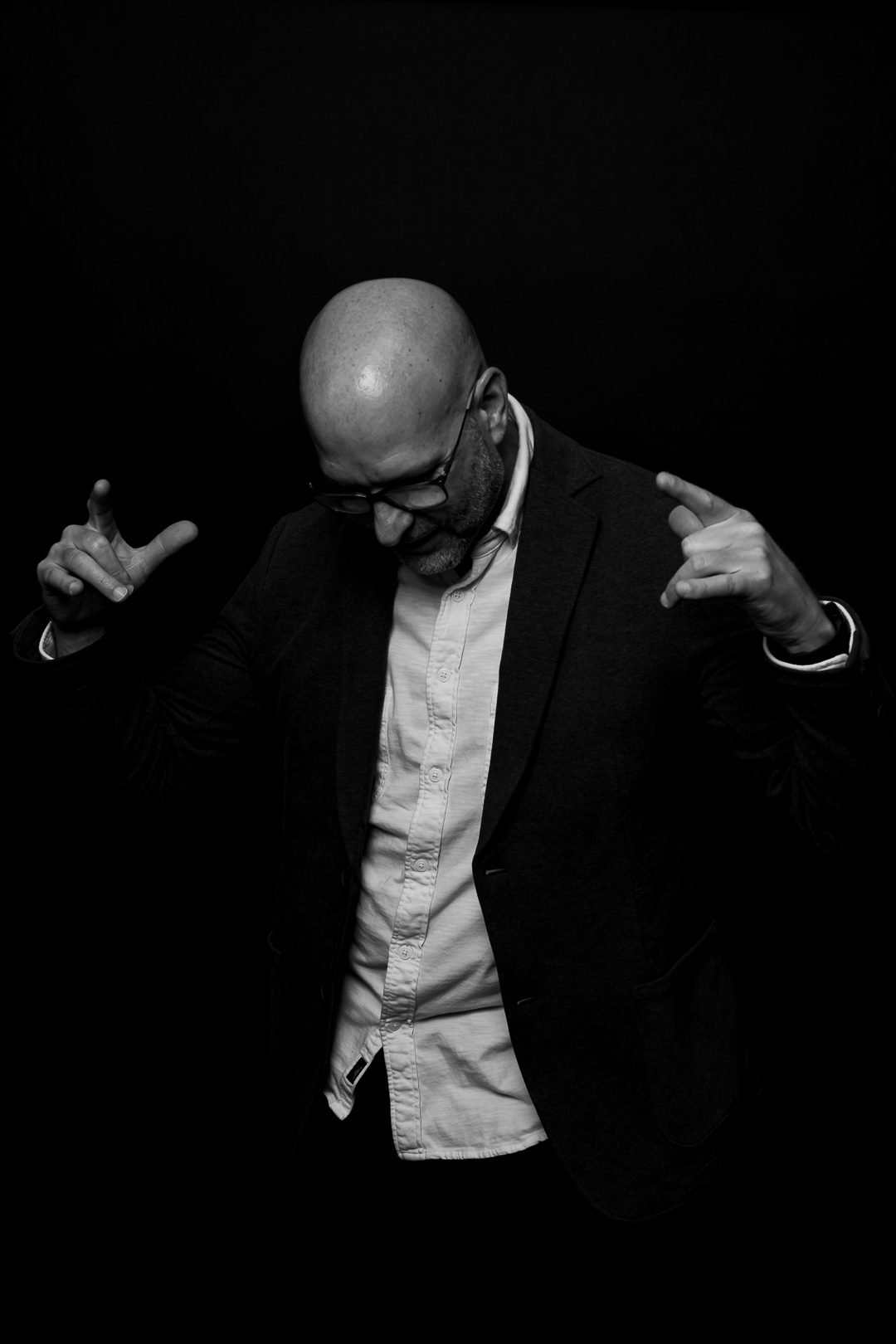
CEO/ Change Management & Leadership Coach/ Key Note Speaker & Podcast Host
Ryan Ware is Founder and CEO driving construction leadership development. With over two decades of experience across every segment and level of management in the construction industry, Ryan’s career journey began in architecture and expanded into construction and prefabrication manufacturing. Throughout, he encountered consistent challenges with change management implementation.
Driven by passion and purpose to advance the construction industry, Ryan took to the stage to support as many leaders as possible. He helps audiences build stronger relationships with change and challenges the way leaders think about change, innovation, and leadership. His mission as a speaker, coach, and consultant is simple: to help the construction industry evolve by empowering those who shape it to better navigate change.
Why Construction Leaders Must Treat I-PPE Just Like Hard Hats
 Apple Podcasts
  Spotify
  Amazon Music
  Youtube Music
  Goodpods
  iHeartRadio
  Deezer
  Castro
  Castbox
  PocketCasts
  Audible
  RSS Feed