Beyond Speed: Why True Construction Efficiency is About Collaboration
Beyond Speed: Why True Construction Efficiency is About Collaboration
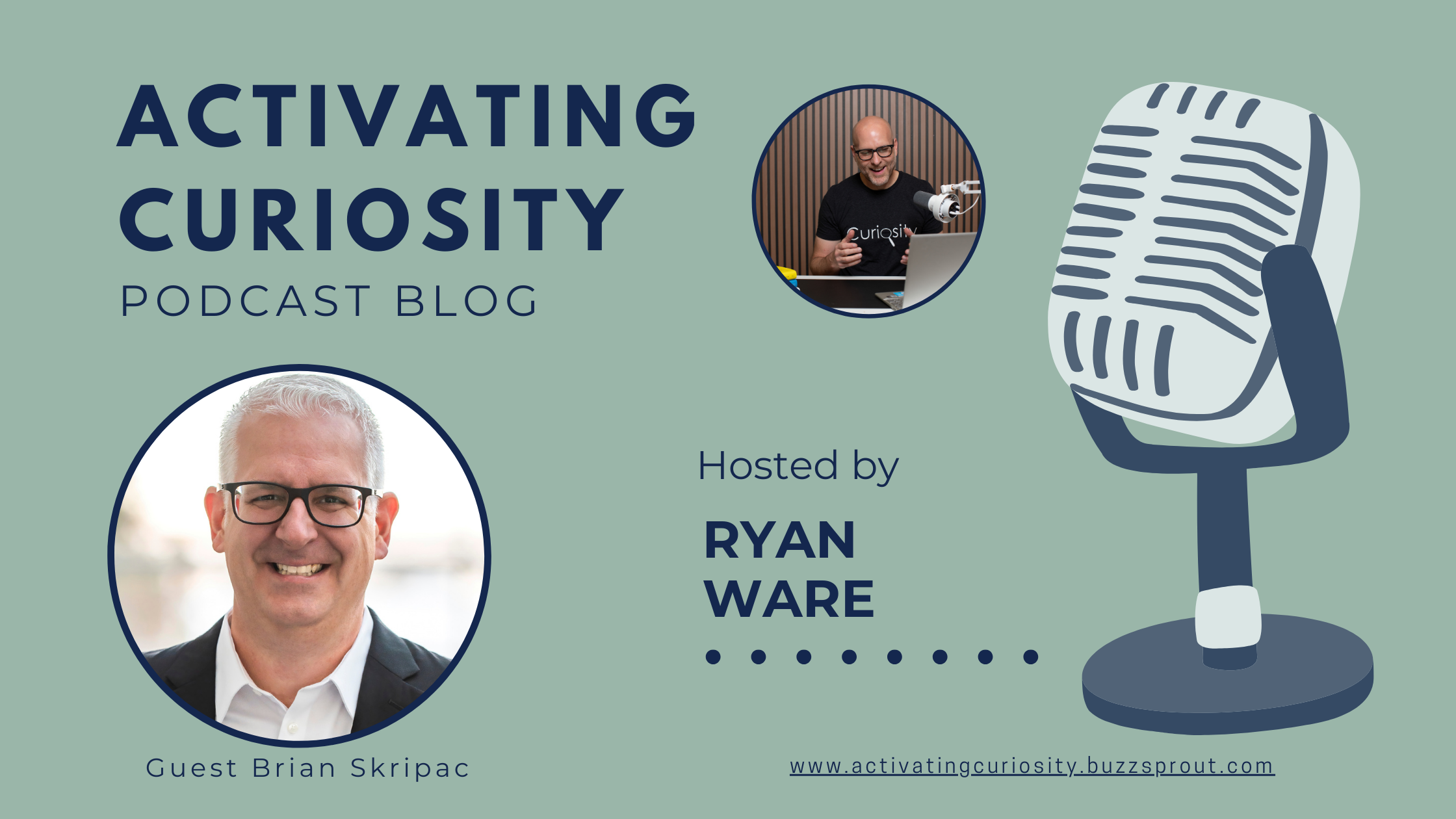
Welcome back to the blog! Today, we're diving deeper into the core message of our recent podcast episode, "Efficiency in Construction Leadership: How Collaboration Drives Innovation." In that conversation with the insightful Brian Skripac from the Design-Build Institute of America (DBIA), we explored a critical shift happening in the construction industry. It's a shift away from a singular focus on speed and towards a more holistic understanding of true efficiency, one that is fundamentally built on collaboration. This blog post will unpack that concept further, exploring why simply doing things faster isn't the ultimate goal, and how fostering genuine teamwork can lead to unparalleled project success.
The Pitfalls of Fragmented Workflows
For decades, the construction industry has often operated with what we can call 'fragmented workflows.' Imagine a relay race where each runner only sees their own lane and hands off the baton with minimal communication or awareness of what the next runner might face. In construction, this translates to siloed teams, where designers focus solely on design, contractors on construction, and subcontractors on their specific trades, often without robust, early, and continuous communication.
This fragmentation breeds inefficiency in several insidious ways. Firstly, it leads to a lack of understanding and buy-in. When teams work in isolation, the rationale behind certain design decisions or construction methods can be lost, leading to assumptions and potential misinterpretations down the line. This can manifest as requests for information (RFIs) that could have been avoided with earlier collaboration, or design changes made late in the process that are costly and time-consuming to implement.
Secondly, fragmented workflows often result in an "us vs. them" mentality. Designers might feel their creative vision is being compromised by constructability concerns, while contractors might feel designers are out of touch with practical realities. This adversarial dynamic erodes trust and discourages proactive problem-solving. Instead of working together to find the best solution, teams can become defensive, focused on protecting their own interests rather than the overall project goals.
The consequences of this fragmented approach are tangible: increased rework, schedule delays, budget overruns, and ultimately, a less satisfactory outcome for all stakeholders. Each silo, while perhaps efficient in its own narrow scope, becomes a bottleneck for the entire project. This is akin to having individual workers who are incredibly fast at their specific task, but the overall assembly line grinds to a halt because of poor coordination and communication between stations. This is the illusion of speed masking underlying inefficiency.
The Power of Integrated Teams: Collaboration as the Cornerstone
The antithesis of fragmented workflows is the concept of 'integrated teams.' This is where true construction efficiency takes root. An integrated team operates on the principle that the collective intelligence and shared responsibility of all project participants are far more valuable than the sum of their individual efforts.
Collaboration in this context isn't just about occasional meetings; it's about creating an environment where open communication, mutual respect, and shared decision-making are the norm. It means bringing together all key stakeholders – owners, designers, contractors, and even key subcontractors and suppliers – early in the project lifecycle and keeping them engaged throughout. This early and continuous collaboration allows for the identification and mitigation of potential issues long before they become costly problems.
Think of it like a symphony orchestra. Each musician is a master of their instrument, but their individual brilliance only shines when they are playing in harmony, guided by a conductor, and understanding how their part contributes to the overall masterpiece. In construction, the "conductor" can be the project leadership, and the "score" is the shared project vision and goals. When everyone understands their role, the potential for errors and delays is significantly reduced, and the likelihood of achieving a high-quality outcome increases dramatically.
The benefits of an integrated team are profound. It fosters a culture of shared ownership, where everyone feels invested in the project's success. This leads to a more proactive approach to problem-solving, as team members are more likely to offer solutions and support each other when they feel valued and heard. Furthermore, integrated teams are better equipped to innovate. When diverse perspectives are brought to the table early on, creative solutions that might not have emerged in a siloed environment can be developed and implemented.
This shift from fragmentation to integration isn't just a philosophical change; it requires tangible adjustments in how projects are structured and managed. This is where collaborative delivery methods and advanced technologies come into play, which we’ll explore next.
Design-Build and VDC: Tools for Enhanced Collaboration
To truly foster integrated teams and move beyond fragmented workflows, the construction industry has embraced delivery methods and technologies that inherently promote collaboration. Two of the most significant are Design-Build and Virtual Design and Construction (VDC).
The Design-Build delivery method is a powerful example of how to integrate design and construction from the outset. In a traditional Design-Bid-Build model, these phases are sequential and often adversarial. With Design-Build, a single entity is responsible for both the design and construction of a project. This means the contractor and designer are working together from day one, aligning their efforts towards a common goal. This single point of responsibility streamlines communication, reduces the potential for disputes, and allows for constructability reviews to happen concurrently with design development. As Brian Skripac highlighted in our episode, Design-Build significantly reduces friction and leads to more predictable outcomes.
Complementing these delivery methods are advanced technological tools like Virtual Design and Construction (VDC). VDC is more than just 3D modeling; it’s a management process that leverages integrated digital models to improve project outcomes. VDC encompasses Building Information Modeling (BIM) but extends its application to encompass the entire project lifecycle. Through VDC, teams can create detailed digital twins of their projects, allowing for extensive simulation, clash detection, and visualization before construction even begins.
Imagine being able to walk through a fully realized digital version of your building, identify all potential conflicts between structural elements, mechanical systems, and electrical conduits, and resolve them in the virtual space. This proactive approach, facilitated by VDC, drastically reduces costly rework and delays on the physical job site. It also provides a powerful platform for communication and collaboration. When all team members are working from the same, up-to-date digital model, there’s a shared understanding of the project's progress and intricacies. This shared digital environment becomes a central hub for decision-making and problem-solving, further strengthening the collaborative fabric of the project team.
These tools and methods are not just about adopting new technology; they are about fundamentally changing how teams interact and how projects are conceived and executed. They provide the framework and the means for true collaboration to flourish.
Overcoming Resistance to Change: Building Trust and Psychological Safety
Even with the clear benefits of integrated teams, design-build, and VDC, the path to adopting these collaborative approaches is often met with resistance. This resistance is understandable and often rooted in deeply ingrained habits, fear of the unknown, and perceived risks.
One of the primary drivers of resistance is the inherent uncertainty that comes with change. For individuals accustomed to working in silos, stepping into a more collaborative environment can feel like stepping outside their comfort zone. They may worry about losing control, having their expertise challenged, or being held accountable for issues outside their direct purview. As Brian discussed, this resistance is often a manifestation of risk aversion. People are naturally hesitant to adopt new processes if they perceive them as introducing new risks or jeopardizing their existing workflows and perceived security.
To overcome this, leaders must prioritize building trust and cultivating psychological safety within their teams. Psychological safety is the belief that one will not be punished or humiliated for speaking up with ideas, questions, concerns, or mistakes. When team members feel psychologically safe, they are more likely to take risks, share their honest opinions, and collaborate openly without fear of reprisal.
Building trust requires consistent effort and transparency. Leaders need to model the collaborative behaviors they want to see, actively listen to concerns, and demonstrate that all voices are valued. This involves:
- Open Communication: Regularly sharing project goals, challenges, and progress.
- Active Listening: Genuinely hearing and considering the perspectives of all team members.
- Empathy: Understanding the challenges and pressures faced by different team members.
- Inclusivity: Ensuring that all team members feel involved in the decision-making process.
- Constructive Feedback: Providing feedback that is focused on improvement rather than blame.
- Celebrating Successes Together: Recognizing and rewarding collective achievements.
When teams feel psychologically safe and trust their leaders and colleagues, they become more willing to embrace new ways of working. The fear of the unknown diminishes when individuals know they have a supportive network around them, ready to help navigate challenges and learn from inevitable mistakes. This is crucial for unlocking the full potential of collaborative construction practices.
The Role of Technology and Data in Fostering Collaboration
While people and processes are fundamental to collaboration, technology and data act as powerful enablers, providing the infrastructure and insights needed to support and enhance teamwork. In today's construction landscape, the effective use of technology and data is not just an advantage; it's a necessity for achieving true efficiency.
As mentioned earlier, VDC and BIM software create a common digital environment where all project information converges. This shared platform facilitates real-time communication and collaboration. Teams can access the latest model updates, view annotated plans, track changes, and communicate directly within the software, ensuring everyone is working from the same, up-to-date information. This eliminates the confusion and errors that arise from using outdated drawings or disparate data sources.
Beyond VDC, a myriad of other technologies contribute to collaboration. Cloud-based project management platforms allow for seamless document sharing, task management, and communication tracking. Mobile applications enable field teams to report progress, capture site conditions, and access project information on demand, bridging the gap between the office and the job site. Drones and laser scanning provide accurate site data, feeding into the digital models and ensuring that the virtual project aligns with the reality on the ground.
Crucially, these technologies generate vast amounts of data. When collected and analyzed effectively, this data becomes a powerful tool for collaborative decision-making. By tracking key performance indicators (KPIs) related to schedule, budget, safety, and quality, teams can identify trends, pinpoint areas for improvement, and make data-driven adjustments in real-time. This data-driven approach fosters accountability and provides an objective basis for discussions, moving away from subjective opinions towards evidence-based problem-solving.
The insights derived from data can inform not only current project execution but also future projects. By analyzing the performance of different processes, materials, or design strategies, teams can learn from their experiences and continuously optimize their collaborative workflows. In essence, technology and data provide the tools and the intelligence that empower integrated teams to work more effectively, efficiently, and innovatively.
Aligning People, Process, and Technology for Success
The ultimate goal in achieving true construction efficiency is to create a harmonious alignment between people, process, and technology. These three elements are interdependent, and success hinges on their synchronized integration. As Brian Skripac emphasized, this is the core of successful change management in the AEC industry.
People are the heart of any collaborative endeavor. This involves fostering a culture of trust, transparency, and psychological safety, as discussed earlier. It also means investing in training and development to equip teams with the skills and knowledge necessary to operate in collaborative environments and utilize new technologies. Leaders play a pivotal role in championing this cultural shift, setting clear expectations, and reinforcing collaborative behaviors.
Process refers to the workflows, methodologies, and delivery models that govern how projects are executed. Shifting from fragmented workflows to integrated ones, embracing methods like Design-Build, and implementing structured VDC processes are all critical aspects of optimizing the project execution. These processes need to be designed to facilitate collaboration, streamline communication, and ensure accountability at every stage.
Technology provides the tools and platforms that enable people to execute these collaborative processes effectively. This includes BIM and VDC software, cloud-based project management systems, communication platforms, and data analytics tools. The key is to select and implement technologies that genuinely support collaboration and enhance the workflows, rather than simply adopting them for the sake of having the latest gadgets.
When these three elements are out of sync, the result is inefficiency and frustration. For example, investing in advanced VDC technology without fostering a collaborative culture or redesigning workflows will likely lead to underutilization and resistance. Conversely, having a great collaborative culture with talented people but outdated processes and tools will limit the potential for innovation and efficiency.
The strategic alignment of people, process, and technology creates a powerful synergy. It ensures that individuals are empowered and motivated to work together, that the project execution is streamlined and efficient, and that the right tools are in place to support these efforts. This holistic approach is what truly drives superior project outcomes, moving beyond the superficial measure of speed to a deeper understanding of effectiveness, quality, and stakeholder satisfaction.
Conclusion: Rethinking How Work Gets Done for Better Project Outcomes
As we've explored in this post and in our latest episode, "Efficiency in Construction Leadership: How Collaboration Drives Innovation," the construction industry is undergoing a fundamental transformation. The traditional obsession with speed, often achieved through siloed and fragmented efforts, is giving way to a more profound understanding of true efficiency. This deeper efficiency is rooted in the power of collaboration, the strength of integrated teams, and the strategic alignment of people, process, and technology.
We've seen how fragmented workflows can lead to costly errors, delays, and a breakdown in communication. Conversely, the embrace of collaborative delivery methods like Design-Build and the utilization of technologies like VDC provide the framework for teams to work together seamlessly, from initial concept to project completion. Overcoming the natural resistance to change requires a deliberate focus on building trust and fostering psychological safety, creating an environment where open communication and shared problem-solving can flourish.
Ultimately, achieving superior project outcomes isn't about working faster; it's about working smarter, together. It's about rethinking how work gets done by prioritizing connection, communication, and a shared vision. The insights from our conversation with Brian Skripac underscore that this shift requires strong leadership, a commitment to innovation, and a willingness to embrace new ways of thinking and operating. By focusing on these principles, the construction industry can move beyond the illusion of speed and unlock a new era of true efficiency, leading to more successful, innovative, and impactful projects for everyone involved.

CEO/ Change Management & Leadership Coach/ Key Note Speaker & Podcast Host
Ryan Ware is Founder and CEO driving construction leadership development. With over two decades of experience across every segment and level of management in the construction industry, Ryan’s career journey began in architecture and expanded into construction and prefabrication manufacturing. Throughout, he encountered consistent challenges with change management implementation.
Driven by passion and purpose to advance the construction industry, Ryan took to the stage to support as many leaders as possible. He helps audiences build stronger relationships with change and challenges the way leaders think about change, innovation, and leadership. His mission as a speaker, coach, and consultant is simple: to help the construction industry evolve by empowering those who shape it to better navigate change.
Why Construction Leaders Must Move Past The 'Hit the Ground Running' Onboarding Myth
 Apple Podcasts
  Spotify
  Amazon Music
  Youtube Music
  Goodpods
  iHeartRadio
  Deezer
  Castro
  Castbox
  PocketCasts
  Audible
  RSS Feed