Apple Podcasts

 Spotify

 Amazon Music

 Youtube Music

 Goodpods

 iHeartRadio

 Deezer

 Castro

 Castbox

 PocketCasts

 Audible

 RSS Feed
Why Subcontractors Struggle to Make a Profit in Construction

Key Takeaways
- Many skilled subcontractors deliver exceptional quality work on construction projects but struggle financially due to poor contract management, delayed change orders, and thin margins.
- As a subcontracting business grows past the $5adian or million-dollar threshold, the skills that built the company are no longer enough, and owners must transition into business leaders who understand risk profiles and cash flow.
- General contractors often push risk down to subcontractors through heavily amended contracts, making contract review and negotiation critical for protecting business profitability.
- Failing to submit and approve change orders quickly can cause severe margin leakage, with every delayed day resulting in hidden financial losses that suffocate cash flow.
- Understanding basic financial reporting and cash management systems allows subcontractors to diagnose constraints, avoid downward financial spirals, and build sustainable businesses.
Winning more construction work should mean making more money. But for many subcontractors, growth brings tighter cash flow, greater contract risk, and pressure on profit.
Cian Brennan, founder of Quantum Contract Solutions and author of The Subcontractor's Edge, joins Ryan Ware to explore why skilled subcontractors can deliver great work and still struggle to build profitable construction businesses.
Cian's perspective comes from nearly two decades working on major construction projects and a family history that shaped his understanding of business risk. After watching subcontractors struggle with contracts, changes, and delayed payments, he discovered how his own family's construction company had collapsed while pursuing bigger projects and smaller margins.
Ryan and Cian explore how contract terms shift risk, why delayed change orders can quietly erode profit, and how cash-flow problems can create a downward spiral even for companies doing quality work. They also examine why subcontractors often reach a point in their growth when the skills that built the company are no longer enough to manage it.
The conversation moves beyond individual projects to the business itself. From financial reporting and cash-management systems to knowing when to ask for help, Cian shares why understanding the numbers matters as much as delivering the work. Ryan connects these challenges to trust, relationships, and the broader impact financially healthy subcontractors have on the construction industry and the communities it serves.
What becomes possible when subcontractors focus not only on building great projects, but on building businesses that can last?
In This Episode
- Why winning more construction work doesn't always lead to greater profit
- How construction contracts and delayed change orders affect cash flow
- Why growing a subcontracting business introduces new financial risks
- How margin leakage and slow payments can create a downward spiral
- What simple financial reporting can reveal about business health
- Why skilled tradespeople must also develop business leadership skills
- How stronger subcontractors support healthier projects and communities
- What it means to build a construction business that can outlast its founder
Chapters
00:00 – Why Subcontractors Struggle to Make a Profit
02:13 – Cian's Family Construction Legacy
10:12 – How Construction Contracts Shift Risk to Subcontractors
14:51 – Why Growing a Construction Business Gets Riskier
17:01 – How Cash Flow Problems Become a Downward Spiral
21:00 – The Hidden Cost of Slow Payments
25:56 – Understanding the Financial Health of Your Business
33:02 – A Simple System for Managing Cash and Profit
41:48 – From Skilled Tradesperson to Business Owner
50:48 – Building a Construction Business That Lasts
Guest
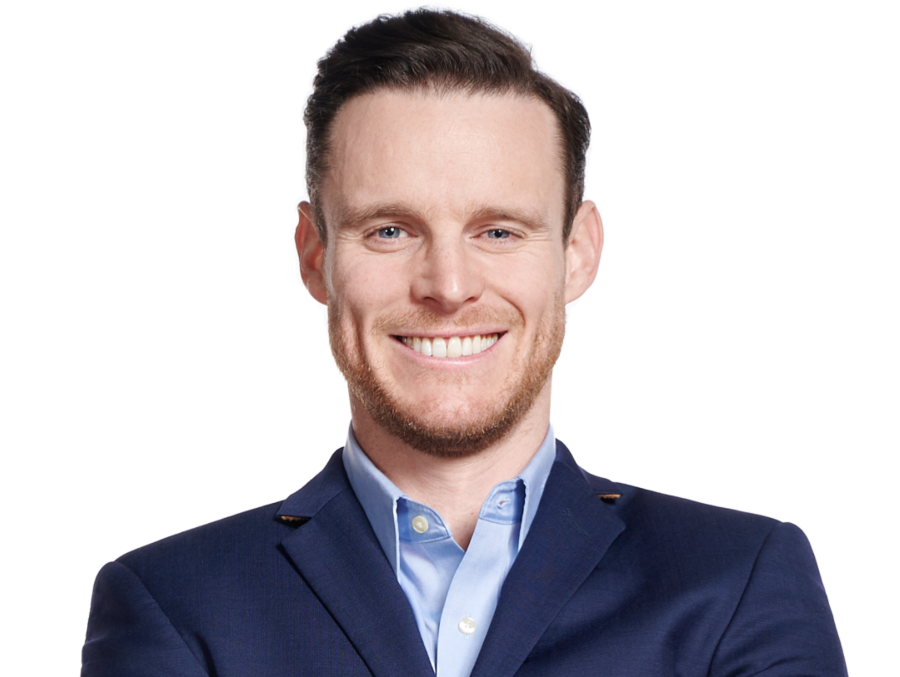
Cian Brennan is the founder of Quantum Contract Solutions, a done-for-you contracts management service that protects construction subcontractors from costly contract risk across Australia, New Zealand, and the UK.
He is also the author of The Subcontractor's Edge. Drawing on his experience working with major contractors and infrastructure projects, Cian focuses on helping subcontractors better manage contracts, change orders, cash flow, and the financial challenges of growing a construction business.
Connect with Cian Brennan
https://quantumcontracts.com/
Overcast Innovations
Helping project teams coordinate building systems earlier for more predictable outcomes.
New Lyfe Accounting
Free Diagnostic ($500 value) for Activating Curiosity Listeners by NLA, to help your financial goals
Connective Consulting Group
Helping construction leaders simplify change, strengthen trust, and move forward with clarity.
Disclaimer: This post contains affiliate links. If you make a purchase, I may receive a commission at no extra cost to you.
Have feedback or stories to share? Drop us a note or leave a VM—we’re listening!
Follow Ryan at the following:
https://www.linkedin.com/in/ryankware/
https://www.linkedin.com/company/connective-consulting-group-llc
https://connectiveconsultinggrp.com/
https://connective-coaching.com/
https://ryanware.me/
Don't miss out on future episodes! Follow & subscribe now to our newsletter and stay informed about the latest trends and insights in the construction industry.
If this show helps you, please consider supporting it. Just $3/month helps cover production and keeps the conversations going.
⭐ “Love the show? Toss some stars my way, it’s the easiest applause ever.
Frequently Asked Questions
Why do many subcontractors struggle to make a profit in construction?
Subcontractors often struggle because general contractors push project risks down through amended contracts, and subcontractors frequently fail to manage paperwork like change orders and delays efficiently, leading to severe margin leakage.
What is margin leakage in construction sub-contracting?
Margin leakage refers to the revenue that evaporates from a business due to unbilled change orders, delayed payments, and poor contract terms, which can drain up to 10 to 12% of a company's revenue annually.
At what point do subcontractors need to shift their focus to business management?
Subcontractors typically need to shift from just performing the trade to managing the business of construction when they hit the threshold of around $5 million in revenue and start taking on larger, more complex projects.
How do delayed change orders affect subcontractor cash flow?
Delayed change orders stall the invoicing process, creating a gap of weeks or months between performing the work and receiving payment, which restricts cash flow and forces companies to shoulder heavy upfront costs.
Cian
If you don't turn that change around quick enough, it's $1,000 every day you don't get it signed and get an invoice for. Every day that's later, that's how much it that's the impact it has on your business. Well, what is variable? What's variable and how they can make money is how much they pay their subcontractors. Right? That is it. And what's also variable is the risk, right? So what happened is lawyers came in and they go, right, well, if we can push the risk down to the subcontractors, what actually happens is that your cash flow gets restricted and restricted and restricted. It's like a suffocation. And then all of a sudden you haven't got enough cash flow to pay your guys. There's a pivotal moment at 5 million that changes, and then you gotta be like, okay, I'm a business owner.
Ryan
And if you are enjoying these conversations, don't forget to follow us on YouTube at Activating Curiosity. Or go to our website at activatingcuriosity.com and you can follow us there in order to make sure you're not missing any of these conversations. Sign up for our newsletter and get to know gentlemen. Like we're about to have this conversation here with Kean Brennan and just learn more about each of the guests that we have on each week. So today's guest is Kean Brennan. He is the founder of Quantum Contracts. He is located in Australia. They do business in Australia, New Zealand, as well as the UK. He is also the author of the Subcontractors Edge. Hey Kian, how are you? I'm excellent. How are you, Ryan? I'm doing well. Thanks for uh being willing to come on to Activating Curiosity and have this conversation. So before we uh dive into the conversation a little deeper, just take a step back. Tell a little bit about yourself and kind of how you got into founding quantum contracts and how you got into construction overall.
Cian
Yeah, so um my family back in Ireland, my grandfather had a construction company called uh Brennan Construction. And he was someone I really looked up to at the time when he died, Galway Advertisers, the newspaper there, and it had um you know the headline on the front of the newspaper that said um you know debt of the man who built Galway. So construction is in our blood. Um and I remember very well I wanted to get into construction, and my father said, Don't become a subcontractor or contractor, go go client side, right? I was like, okay, so I did the that sort of thing, did it went to university and did the education side, and then for for the guts of 20 years, worked for main contractors, large, large clients around the world on large infrastructure projects, um, oil and gas mining projects, uh very big on these super projects sort of things around the world. So even spent a bit of a time working in Iraq, had some bulletproof vests on, getting onto site and armored vehicles, which was a lot of fun. Uh, I remember incidentally when we were talking to some of the security guards, you know, it wasn't very dangerous, I will, I will say, at the time. There was no you know issues happening at the time, but we had some of the special forces guys, they you know, used to escort us around, and we put on these bulletproof vests, and they would say to us, Ryan, they would say, You're better off with this sitting on the bulletproof vest than wearing the bulletproof vest. I was like, Why, why is that? And it's like, Well, you're not gonna get shot, you're gonna get blown up. So we're like, okay, that was fun. So um, but one of the things I I saw time and time again was I like to say subcontractor, I know there's a lot of different terminologies of contractors, subcontractors. What I'm really talking about is about the trades. So steel fabricators, concrete companies, um, all of these, you know, the trades that sit under the general contractors, main contractors. And I would just see these guys coming into a project, you know, with a thin margin, scraping into the project to win the bid, and something would go wrong, and ultimately they would go out of business or they would lose money. And this just happened over and over and over again. And the interesting thing was I could see from the client side what was happening. You know, a lot of times they were doing great work, like almost all of the design, they were doing really good work, and they just weren't able to do the paperwork side of the business, which is getting your changes in, getting your delays in, like managing disputes, negotiating your contract up front. They just got all of that wrong. Or maybe they didn't see the value in it. They, you know, a lot of these guys think you know, if I just do a great job, things will all work out. And when you're on these larger projects, when you're at a project essentially when you're signing their contract, then it's different stakes. You're bigger projects, and then there's the risk changes and the game changes a little bit. So I could see these guys losing money constantly, going out of business. I remember in that Iraq project, I think three separate occasions I watched some contractors just leave site, and that was it. Game over. You know, they had gone out of business, their cash flow had gone. And so I said, you know, I I felt that the way that these companies were set up, you know, the bigger companies, was to really penalize these guys and not pay them what they should be paid. And also their paperwork was also horrendous. So those two things together made them lose money. And so I felt I was doing a bit of a disservice to my grandfather, who would be like, you know, I this is this is me like putting those guys out of business because it was me not paying them. It was me saying, No, this is rejected, you're not getting paid for this, um, you've not done what we've asked you to do. And there's all these different problems that happen. And I felt my grandfather would have been like, No, that's like I'm I I would be putting him out of business. And when I investigated, I said, What happened? Why how did that business go? Like, what happened? I was speaking to my father. What like how did it end? And he goes, Well, when our grandfather like he handed it over to the eldest son, and it's almost exactly he started going for bigger jobs. My grandfather had a very simple rule: 33, 33, 33, right? It's uh 33% people, 33% material, 33% margin, right? That was his rule for everything. And then if they couldn't get a job, they turned it down. And so my the the eldest son decided, no, we're not gonna do that, we're gonna go for these bigger jobs, we're gonna take smaller margins, a bit more risk. I guess the idea would be, you know, there's more revenue, and so a smaller margin would you know ultimately lead to more money, and it didn't work, so a big dispute, lost a lot of money. Uh, and my father said he had just he had just graduated and he was an accountant, and his first ever thing out of graduation from being an accountant, his first ever thing he ever had to do as an accountant was to liquidate his father's business, put it into administration. So from there, I decided, right, well, I'm gonna start a business called Quantum Contracts, which is said is an outsourced or a managed service for reviewing your contracts, negotiating your contracts, um, doing all your changes, just so these subcontractors get it done, right? Because a lot of times it's just getting the work, just getting this done. These guys are amazing at the trade that they do, but when it comes to this stuff, they they could be better. And that's how it started. And then so we're in business almost like the guts of a decade now, and yeah, we've helped over 400 different subcontractors all around the world in the US as well. We don't actively try to get clients in the US, but we get a lot in-bend just through through content and stuff that we put out there. It's changed the way subcontractors do business, so they're able to compete like for like. Uh, because a lot of these general contractors have huge contracts teams for a reason. Right. And the subcontractors don't, and now they're able to kind of fight toe-to-toe. And that's that's the story of how we got to to where we are.
Ryan
It's interesting to kind of go through the the history because it's been in a family. And you're talking about like the human piece of this and the things that you felt as a human watching your father, watching as you were mentioning before, like it feels like me who are not paying these subs. It feels like me who are not supporting those who are also supporting the building industry and getting things constructed for your community. So the human piece was coming out for you, not only because of the family, but just things that you were seeing. And you mentioned this too. It's like, and we'll get into kind of why, you know, you're really talking about the subcontractor side, because in the US, right, most contractors are not self-performing. There are a lot of the larger ones do self-performing. They'll do drywall, some do concrete, uh, and some of those uh carpentry trades. But generally these subtrades, and if it's if, you know, really think about a lot of the prime contracts, if you will, MEP and larger contracts, and then there's, you know, the sub tiers blow blow each of them, like it takes so many subcontractors to build that if one goes into default or one has a major issue, like the whole project suffers. And that ends up hurting a lot of people, right? So just to to dive in this a little more, the problem that you're aiming to solve then with the subcontractors, just, you know, you've been spending 10 years kind of focused on this, you've you've written the book. You know, when as you're looking at it, what have you learned over these 10 years as you're diving into this problem that you're aiming to solve? And and what has that really kind of helped you kind of guide each of these subcontractors as well as as well as you're looking forward, right? Like, like what might be changing as far as contract models. But um, because like as you mentioned, like they don't have large contract teams inside of these. And and now with a lot of the technology that's coming out and other things, there's there's some benefit there. But talk talk a little bit more about that problem.
Cian
The real problem is, and this this happened pretty aggressively. Um, it's it's getting close to 20 years ago. It's about 15 years ago where this happened, and a load of you know, these big consultancies, the general contractors you got started getting really, you know, really big, right? And really profitable and making a lot of money. You know, we you got huge lots of examples in in the States and Canada of these massive companies. And these consultants came in and lawyers and said, you know, you're in the game just for the general contract so you understand their game. Their game is they have they win the whole project from the the ultimate client. And so they're how much they're gonna get paid is is fixed in general, right? Here's how much you're gonna get paid, here's what you quoted for the whole project. And then what they do is they get a loan from the bank to finance that project, right? And how they make money is an arbitrage between those two things. How much I'm gonna get make from the client, how much I'm gonna have to pay back the client, uh as I pay back the bank, and the delta between that is how much money I'm gonna make. That's that's their model. And so they're fixed. I have to pay back the bank this much, and this is how much I'm gonna get from a client. Sure, there's changes and stuff, right? Well, what is variable? The what's variable and how they can make money is how much they pay their subcontractors, right? That is it. And what's also variable is the risk, right? So what happened is lawyers came in and they go, right, well, if we can push the risk down to the subcontractors, yeah, because construction, if stuff goes wrong, which it always does, right? It's construction, right? We have a delay, you know. There's the famous one in Ireland where there's a massive delay in uh building a like a really you know well-known uh uh highway in Ireland, and the whole thing got delayed for a year because of snails, these exotic snails that they found on a land, right? And so stuff happens, yeah. And so they learned that if we push the risk down to the subcontractors in our contracts, when stuff goes wrong, they will bear the burden of the cost of these delays, and we will we will have less of the burden, and that again that helps with their arbitrage and how much money they make. So they started making these contracts. We used to have a lot of standard contracts which were reasonably fair, and now almost every single contract is no longer standard. It is written by the client, or they take a standard form contract which looks standard, and then they amend it with these different changes to push the risk. Then that's that's what we see. Like there's standard contracts, just a plain, plain, plain standard contracts don't exist anymore. Uh like an industry body standard contract. They they exist, but then they're amended, right? Which is even more concerning because as a subcontractor, you see, oh, it's a standard contract, and then you're like, okay, fine, I'll sign it. And then they actually go into the detail and like, oh no, they've they've changed this, right? So that's what's happened. And over the years as well, with with technology, the smaller main contractors have adopted this way of doing it as well, smaller general contractors. And with technology, with corporate governance and you know, software like Procore and all of that sort of stuff coming in, they're able to manage like and they're able to uh act like these big companies. And so even smaller subcontractors now are getting handed these extremely risky contracts, and so uh construction has the highest insolvency rate, bankruptcy rate of any industry, right? And it's this this is the problem. Now, the problem is it the real problem is it's a game, right? And they're gonna give you their worst possible contract in the first instance, and they know that they've given you the worst contract. They have backup things to everything. If you negotiate, they will, you know, they'll they'll move on stuff, and then you have to understand the risk that you're signing up to. Are you putting your your are you signing a director's guarantee? Are you putting your own house on the line? Are you are you signing up to something that you know that says, oh, any delay is at your cost, right? Or whatever. Are we at you you have to proceed with the work even if we have an agreed cost, whatever these things are, you gotta understand your risk tolerance and what you will accept and what you won't accept. And so that's that's what's happened the industry in entirely now, right? And that's the game that we're playing. And ultimately, what that means is relationships, although important in construction, the nature of how important relationships are in construction has changed in that they're not as important, right? They just aren't, right? Contracts are more important, it's all fun and games, we're all we're all buddies until we have to reach all of a sudden there's a problem. Then when there's a problem, we'll reach into the contract, and then you know that you sign a contract that's not in your favor and you are candidly in the SH1T, right? So we gotta flip that dynamic and start getting more professional about how we operate our contracts. That's what's happened. Now, the next thing I I really want trades people to understand is you've got this guy, right? This is and these are my people, right? Who is at some stage in his life, he's he's working for some other, let's just say scaffolding company, right? Or steel, let's let's say steel fabrication. He's working for some sort of other steel fabrication, he's trade, and he said to himself, fuck it, I can do this better. This is shit, right? And and he does, right? He starts his own business, he he does great, and he grows his reputation for being excellent at what he does, right? And then uh doesn't have any sort of marketing system. He grows by referrals because he has developed all of these, you know, you know, word of mouth, he do, he does an excellent job, put him on, and he grows and he grows until he gets to around 5 million is kind of the threshold where we see stuff changing. Then the problem I said at the start happens, now we start going on bigger projects and now we start getting their contracts. And that's where construction changes from being in construction to being in the business of construction, where that tradesperson now needs to understand there's risk profiles, there's cash real cash flow issues. And so this is where contracts become so important because I'll give you an example, right? And so we do this a lot of times with it with our clients to demonstrate. We see about a 10, 10 to 12% margin leakage every year. So if your revenue is say, I don't know, let's say your revenue is 5 million, okay? That means that 400k is just evaporating out of your business every year, right? Which is if you and then when we talk about debtor days and we talk about cash flow management, every day that you don't get a change in is about $1,000. And that's you don't understand, you don't see that, right? Because you're like, okay, so let's say they ask me to do work, and then let's just say you do it badly. Ask me to do work. I went ahead and did the work, right? Which means you've paid your guys to do the work. You've paid for equipment, you've paid your guys to do the work. If you don't turn that change around quick enough, it's a thousand dollars every day you don't get it signed and get it invoiced for. Every day that's later, that's how much it that's the impact it has on your business. So once you understand that and you get real quick with your changes, real quick with your delays, firstly, they're going to approve them quicker because they just happened and they know that the thing. Whereas if you try to get them, you know, two months later and you're trying to explain this delay that happened, they're like, no, that didn't happen. Then they don't pay you for it. And so you're you're you've done it, you've done the work, you've paid your guys, and then you get paid 60 days later. And it's not the the payment terms, it's but your slowness of getting the change in, them approving it, then you invoicing against it. That's the 60-day period. Like it's literally, we're not talking about payment terms, we're talking about from the time you did the work to the time the money hits the bank account, right? Because that's your cash flow, right? We're not talking in fictional money, we're talking in cash money. So that's the problem. If you get good at that, you you shrink that window, and then your cash flow becomes a lot better. And so construction companies that like you know, we talk about companies going bust, which which kind of it makes people think that there's an explosion. There's one event that puts you under, right? That's not how it works. I've seen it so many times over the years. What actually happens is that your cash flow gets restricted and restricted and restricted. It's like a suffocation. And then all of a sudden you haven't got enough cash flow to pay your guys. Then you get this, you know, bridging loan, right, to cover you, right? And then you're just playing this downhill game because the bridging loan comes with fees and it's downhill, downhill, downhill. Then you got to get another job, right? Uh, to like because you're in trouble. And then to get that job, what do you do? Okay, well, I got I gotta go, I gotta win this job, so I take my margin down. And it's a downhill spiral, right? And we want to get out of that downhill spiral and start creating an uphill spiral where you know the opposite of that is you are expensive, right? You uh people know you're expensive, but they're okay with you being expensive because you're really good, you're really quick, and the quality is great, right? And then you get this uphill spiral, you get better margins, you get better work, you get a good reputation because if you have if you're getting better margins, you're getting better people, you're getting better equipment, and then it goes up and up and up that way. That's the spiral we want you to go in, not the downward spiral of it going nasty.
Ryan
Yeah. Does that make sense? Yeah, it all makes total sense. And I think you said it at the beginning. Like the the life expectancy of a lot of contractors is very short when they start a construction company. Like most do not make it five years to even get to that five million. And it and again, we're we could talk about commercial, you can talk about residential, but we're talking about it like holistically. It's subcontractors, even general contractors, it's a difficult industry to get into due to the as you're saying, the cash flow and managing all those things because you're upfronting a lot of the cost. And with subcontractors, especially here in the States, and it's it seems this way in in Australia, as you're describing, or New Zealand or the UK that you work in, like it's everything is built on the backs of subcontractors, and they become the bank of the contracts and of the construction because they have to go out, procure the materials, as you said, pay for the they have the warehouses, they have to go make something, they have to get it to the project site. And as we go into more prefabrication and a lot more upfront cost, it's been very difficult for people. I think about electrical and I think about mechanical. Like they, you know, they have to have the sheet metal, they have to have the condom, they have to have the wiring, they got to do all of that in their in their warehouse or in their factory, then get it to a project site. So there is a lot of upfront cost, as you're saying. And that's one area where that makes it very difficult that if you are going into that spiral where you're robbing from this project to pay for that one and just keep going through that, that's how you end up into that five-year and out program.
Cian
You get a you get a bad reputation, right? So let's say you know, this is the worst thing, like, you know, so not every subcontractor is good, right? So, you know, I've I've had experiences myself where I've a subcontractor's up for uh asked for an upfront payment, which I'm totally for. I I tell all of our guys you got to ask for an upfront payment, right? Because that again is going to help your cash flow. But if my upfront payment is paying for your last job, well then no way, right? And that's what happens. And that's they get into this spiral. Can I tell you a little uh little story about a guy called Corey? He actually it is a steel fabrication business, really good business, really, really good business. And he he comes to me and he goes, Can you have this dispute issue, right? And like, okay. And I just I really wanted to wind him up. I want to get I wanted him to get angry, right? So he just doesn't make this mistake again. So he was like, This this guy owes me two million dollars, right? Over many invoices, right? And it's uh at any one time, right? So it's not owed two million in one in one hit, but over the year, right, we I got up all of how it was just Payments. They were really slow with their payments, like late, right? And so we added up the whole, the total figure, right? I go, right, here's the total figure, and here's how late it was, right? Now let's look at an overdraft facility, right? Of of how much it would cost, right? And so we we got the percentage and I showed him, right, that you have just because of them not paying you, right? If they had to pay you, or you had to handle this as an overdraft, right? So he had a good business, he didn't have to have an overdraft, he had the cash flow, right, which was good. But if you had an overdraft facility, you would have paid 160 grand to the bank. So you have just instead of for them paying you slowly, right, as slow as they did, you have just gifted them 160 grand that they didn't have to pay. Gifted. You're the most generous man I know, right? Because you just let them have it, right? Yeah. And that's your systems about being paid slow. Like you let it happen, essentially.
Ryan
Mm-hmm. No, it's that's so true. And I've heard it over and over again. And I think about like I've I've been the general contractor and I've been the subcontractor, and you think about like the payment terms in one, like I said, you're you are fronting a lot of the cash. Yes, we should not be spending, and and this comes into you know, the agreement of like how do you go through escrow or some other account to ensure that the money is going where it needs to go to build trust? Because I think that's a lot of the problems that we have in the industry is there's a lack of trust. And that trust gets broken by one subcontractor and a GC that had a bad experience. And once they go to the next job, it doesn't have to be that same subcontractor. It's all of them. We all begin to pay increased price or increased pain points, or as you described, contracts with flow-down clauses in them that become these things that bury us as subcontractors. So yeah, I this is such an important problem to address because nothing can be built if our subcontractors do not have strong financials. And if they're constantly, you know, going through the challenges and any stress inside of any human, right? But you start to see a business start to have that financial stress, everybody begins to feel it, which then makes it more of a challenge on the project site. And not only is it a financial thing, now things become even riskier for how you know people start leaving or the quality goes down even worse, and then things be, they just spiral into other more challenging areas. And you can't get surety. You can't get, you know, there's all kinds of things that become more difficult, not just for that sub, but for everyone else in that region where the costs begin to increase. So one challenge for one sub is a tremendous hardship for a lot of people. And I think that's, you know, you focusing on the subcontractor side, because uh again, some of them are smaller and they can do quality work, but we as the industry, and I get it, like the whole thing has been like, I've been bitten too many times as a general contractor. I can't do it again. And I I've heard this, Keen. I don't know if you have, but like I've had events and subcontractors saying, like, are we supposed to learn business first or construction first? And and that sounds like a hard question, but it's like you you got to do both. Like you have to have at least a team or support group like you're doing, and the attorney side to be able to help you navigate that as well as the financial side. So a good uh you know, accounting person or project accountants that can help you see all these things so that you are getting the paperwork in on time. You're not losing money because you're not filing a change order because you just want to be the nice guy, right? Like that's what ends up biting you. I think that's as such a good point.
Cian
Now, I don't necessarily obviously I have a I have quantum contracts. I don't think you need to use a company like ours, quantum contracts, right? You can learn this stuff yourself. And I would say that of course you need to learn the business side, you know, when you're starting uh starting, but that's typically not what happens. Typically they just do the story I said, which is right, but at five million, roughly, that's when you got you have to learn the business side. And what we I like to call it is constraint diagnosis, right? As in you need to be able to have a set of reports that you are very simple. You have your your cash reporting, right, which is a monthly, right? So you can understand in the cash management system. You need to have your acquisition report, which shows you how like how many proposals, where am I getting my clients from, how many proposals am I submitting to see that, and then your your expenses uh diagnosis. And then when you have that, and you can you see those three reports every single, every week ideally, but every single month, you can diagnose specific constraints. So that means you can work on the areas of your business that actually matter and bring in bring in money, right? So if you're a lot of these guys don't understand, so if I say contracts, and this is I guess why I'm I'm chatting to you today, is to get that out there, is contracts is where the money is. And I'm not talking about the stupid paperwork or like I'm just completely dis degrading myself, right? Or negotiating contracts, but I needed you to understand that from a business perspective, right, managing your contracts, and when I'm saying contract, I'm talking about change orders, you know, delays, all of that is is where the money is, right? So you get your margin right at the start, and then you get an upfront cash payment uh to get your your cash flow in the right way, right? And you can say there's loads of different ways to do that, doing that. But getting the changes and stuff in, that is so important as a lever to pull to improve your margins and to improve your cash flow.
Ryan
Yeah, it's it as you just said, the contracts aren't the paper, right? Like every project is going to have a contract. That contract value is your revenue. And as you're talking about, it's like understanding the cost on those jobs, understanding your margin of how you've how you've set it up and structured it. One, if you can't see the cost coming in and getting the revenue and the cost align in the same period, you're going to have a problem, which is what ends up happening, I think, to a lot of people. I'm sure you've seen this. It's like they're not tracking the costs. Like they don't have a whip, they don't have a report that that they even understand like all of the cost for the month as they came in. So they'll they'll they'll recognize some sort of either cash flow or you know, do a certain dollar amount, and then they're like, oh, we're doing okay. And then they see the cost when they finally get the report in, when they finally get the invoices or a change order or whatever information is coming into the accounting side. So, you know, I'm interested in this because if everyone gets, you know, if you start a business, you want to start it because you want to be successful, right? Like that's the thing. Like, and then at the same time, it's they want to build. So it's like, I want to do this because I love to build for my community. I love to, whether it's residential or they're building uh hospitals, whatever it is, right? Whatever protocol they choose to do, like there is this resistance, right, to do some of these things. Like, we all have things that we hate to do and we just hold off and we don't want to do them. But what are some of those additional obstacles and barriers that you've heard, can, as you've had these discussions and kind of been out doing this for 10 years of like the roadblocks that they're putting up? Like, hey, you know, I do it if if this happened, or or what barriers that they're just putting up in front of themselves when the reality is like, like, hey, these little steps that we're talking about can be the difference between getting past five million and being past five years in business. So can can you walk through some of those things you've heard and how have you helped those mindsets be changed?
Cian
Yeah, for sure. I mean, so one of the things is, you know, you don't have to be a contracts expert, right? You don't have to be an accountant. In fact, you want to make all of these things much simpler for yourself. So uh an example of we got a uh a lady in the in the subcontractor's boardroom, and she was, you know, she I've been working with her for a little while, and she's had a bumper year, right? She's had a fantastic year. She's made, you know, more money than she's she's ever made before. She does um typically we don't we you don't deal with these sort of clients, but uh she does luxury bathrooms and kitchens and uh all of that stuff, like marble, everything like for high-end houses. So these are even though they're like bathrooms and kitchens, you wouldn't believe how much people spend in cabinetry and stuff like it's it's big money, like it's crazy. Right. And so she she she kind of hit our five million dollar threshold to be part of the group. She's basically just gone done really, really well. And next thing she says, I've done well. My biggest problem now is I have a huge tax bill and I've got no money to pay it. And I'm like, what? What like I'm like, what? Like she's like, yeah, well, I've because I made all this extra money. I've all this ex I have all this extra tax now, I have to pay. And I'm like, yeah, obviously, right? Uh that's a good thing, really. But like, what's going on here? And so we established that you didn't have uh any sort of cash management system. And so one of the things that we have is people, accountants are really complicated. And I'm not, I'm about to disaccount accountants, so before I get into it, I'm not going to disaccountants, right? Just so you're clear. Accountants are amazing at helping you save money. Um, and you know, they'll tell you, okay, you need to you need to buy yourself a car before the end of tax year, or they'll, you know, they give you these big lumpsum advices, right? Which is fine, right? And they'll help you, you know, code stuff in their rights here, but just let them off and do that. One of the things that happens with accountants is they they follow something called gap, right? General account accepted practices, yeah. There's a good A there, right? Which is essentially accrual accounting. Okay, and accrual accounting to me is fictional money, right? So they if you invoice your client, they consider that they you you're due this revenue. And so they'll put that revenue in your revenue, even though you haven't been paid that money, right? So stuff like that happens, or they'll distribute out costs over a period of time, even though you paid it all in one month. Or there's loads of creative accountants that they do to make your tax return better, and that's totally great, right? But I would almost completely ignore that, right? Just let them do their thing and you manage your business from a cash accounting point of view. Right. So how much money is coming in, actual real dollars coming in every month. And so if you have a system, right, very simply, and do you mind if I share screen? Is that okay?
Ryan
Yeah, sure. So if you're listening on audio, just be sure to check in on the YouTube, um, be able to see what Keyan is share.
Cian
Okay, so the simple, and this is where you can manage, like I guess my ultimately what I'm trying to say here is if you have a couple of really simple dashboards, like a couple of Excel spreadsheets, right? Nothing complicated, where you're just seeing the highest level figures of the business, then you can easily diagnose your constraints, right? So the first thing we want to have in our bank account to have a cash management system is very simply we want to have an income account. Okay, so the first thing up here is your income account. Income. Then all of your invoices and everything get paid into this one income account. Everything comes in there, right? So this is basically a system. Then you're gonna have some sort of tax, right? Depending on what state you're in in the US. So let's in Australia you've got GST, right? So GST is 10%. So that's not your money, that's gonna go straight to the government. So after that, under that, you've got to take out the 10%, and then you have your real, uh, you have your real income. Okay. So in this real income account, the system that you want to employ every single Wednesday evening is when we tell our clients to do it, you go by percentage into these accounts, right? You first of all, you got your profit, right? So you take your profit out first, right? So profit first methodology. Let's just say you gotta work out your own figures. Let's say that's 10%. Then after that, you've got your owner's compensation. Owner's compensation, and then let's just say that is whatever you pay yourself, right? But let's just say it's another 10%, right? Again, you've got to work out the percentages yourself. And then after that, you've got uh you got your profits, you've got your owner's uh owner's compensation, then you have you have opex, right? Which is your operational expenses, which will be your percentage, right? And then after that, you have something called your sorry, I missed tax in there. So you have your profit, your operational, uh, your owner's compensation, then you have tax that you have to pay, right? So let's just say the taxes and put it in as 15% of your total revenue. Then you have your opex, which is the remaining percentages, and if you're good, you have a vault account at the bottom, right? So the vault account at the bottom is you're putting away 5% of it every every month, so you have money to buy equipment or whatever. Now, what ends up happening here is every Wednesday, the money comes in, you distribute it that way, right? And so you know that I need to operate my whole business on 50 or say 60% of my op-ex, right? So every your first of all, your tax is every like there's no way that you're not paying your tax because it's in a bucket of money, every single one. There are different bank accounts in your bank account. There's no way that you're not making profit because um your profit has been set aside before you even pay anyone else. And then you know that I have 67% of real income to run my business on. So if it's over that 60%, you know I need to take down my expenses, and that that alerts you to that situation. And then you also have uh your tax coverage, you have your profit covered, and then you should be growing money. Getting the percentages right is important, but ultimately that system will make sure that you don't have any issues with your tax, you don't have any issues with taking profit out of the business, and it alerts you to the point where, hey, my overheads are too high, I need to take some overheads down. And you can see that every single Wednesday just by doing these transfers in your business. So then that's the first warning system to know that okay, I'm spending too much money.
Ryan
Does that make sense, Rob? Yeah, no, that makes total sense. In fact, that's uh actually I run my business, which I'm not in construction, but yeah, that is that is uh from a high level and kind of being able to understand, because you know, we have a PL, you can look at your AP, you can look at your uh your cash flow, all of those sort of reports. But if you don't have the system like you're talking about, having something like that is a tremendous way to see the business at that high level as an owner working with an accountant. I won't push too much, but I know what you're talking about with the gap. And as you get larger, especially with general contractors, but this is really like project accounting. This is really understanding if a project is getting off. When you're mentioning kind of the gap and you're mentioning the revenue and how it gets recognized, that's that's one thing with the whip. But from a project management standpoint, understanding the job costing coming in monthly, that is still important from an earned value management um process. 100% because that is going to feed up into what that report you're talking about right there. That's that's how I envision it, at least when I was running, running the construction company. For me, it was I could pretty much run the business off the whip because I understood the other pieces that you're describing and could easily go into my PL and kind of understand those things. But if you're a small subcontractor, yes, this gives you that visibility about the health of the business overall. Be sure you're understanding your costing, depending on how small you are, and you know this too, like coming in on every job. Because otherwise, the the that's what you're getting, that's where the earned value management gets so important.
Cian
I absolutely totally agree. But that sits under this.
Ryan
Exactly.
Cian
Exactly. So you're all of your software should be able to do that for you. But as a business owner, looking at this is the business healthy at all as a whole? And that's I I think being able to have that high level every single Wednesday, you get to understand the flow of your business. And there's another rule that I really like. I can't remember his full name. He's an old English gentleman called Parkinson's Parkinson. Have you have you heard of Parkinson's Law? Right? So so Parkinson's Law, it's that is let's say you have a uh a project, time expands to fill the project. Okay, so his example is let's just say you have uh a pro like let's just say you're in you're back in school and you have a project due, right? And you've got six weeks to do it, right? Who spends the six weeks doing it, right? Everyone does it the night before. That's just it's just human nature, right? It just is human. So everyone does it to human nature. So his rule is if I had a week to do it, it would take me a week. If I had six weeks to do it, it'd take me six weeks. The same project, right? Because you're always just gonna do it at the end. So that's it. So the other example of that is Parkinson's law applied applied to money. Now, my example I like to give people is I remember when I was, you know, a young, a young fella, right? And I was uh out in the world broke, right? And so back in Ireland we had the Euros. And so if I was going out on a night and I managed to scrape together 20 euro, right, I would go out that night and I would I would have a great night, right? And I'd wake up the next morning, zero dollars in my pocket, right? Let and then let's just say I had a bumper, a bumper week, right? And I worked the job in a bar or something, and now I have 200 euro, right? I would go out that same night and I would have just a good time. And the next morning I wake up and there's zero dollars in my pocket, right? Which means that what I'm trying to say is whatever money you have available, you will spend. Right. So if you instantly separate the money into a profit account, your owner's oper uh owner's expenses account first, and your tax account, that's money you won't spend because they're somewhere else. If you leave them all in one account, like a lot most people do, or they split it out, they're just gonna spend that money, and then you have no profit left at the end.
Ryan
Right.
Cian
Or you've in the you end up in a situation um like like this go.
Ryan
Yeah. Well, not to give QuickBooks a uh promotion here, but that they do allow those envelopes as you're describing. So I know a lot of subcontractors use that, especially here in the States, is like you can create those envelopes and you can you can create it by those tiers that you're mentioning, and you can go through and create it by year if you want to. So there are the tools, those things are there, and as you're talking about sort of the obstacles and these things and the mental side, it's like you're showing them an easier way to think about it, to pull these apart. And I do, you know, I love these analogies you're talking about because it's true. Like as humans, it's just human nature to take till the last minute, which is why it's so difficult, I think, a lot of times to estimate how long something is going to take, because we've never really, you know, I when have we started something and just finished it within two hours and been like, well, that was a lot easier. I thought it was going to take me two months. Humans are amazing creatures. Like, we can finish something very quickly if we can focus. And again, in this world, there's a lot of attention grabbing that takes us off course, um, that draws things out as well. But can as you've doing a lot of this work over the last 10 years, you've spent your career like, you know, kind of focused here, as you mentioned before, and then your family. Like, as you're working with with all of these subtrades, like how are you and you, you know, you or anyone else that you're kind of working with, what makes it so important for the industry, and not just the subcontractor, but the industry as a whole, wherever we are, that we, you know, we do solve this problem that you're aiming to solve?
Cian
It's I think it's more of a knowledge thing than anything. It's not necessarily that there's a knowledge gap on, you know, the understanding. So I think people are absolutely willing to learn all of these things of uh how to run a business. Like so ultimately, when you get to five million, you've got to understand that your construction, your output is the delivery, it's the product. Right. And the product is only one stage of the business. You still have marketing, sales, your HR, all of those different things that become into business. That's what you're running. And so it's move it's really hard in construction for the these guys to move away from construction. It's all about construction because it's not. You're you're in the business of construction. And so that understanding that that's that's there's a pivotal moment at five million that changes, and that you've got to be like, okay, I'm a business owner now. And there's a couple of different things once you understand that that is that is the truth, and you need to do that, there's different things that you can do. I've seen guys who go, that's just not me. Right? I've got a solar business, it's just just not me, right? And so you got to be humble enough to say, I can't be the I can't run this company, right? But I can run the delivery side, I can run the operations of the business. And so my role in this business, even though I'm an owner in the business, in one hat is I'm the owner of the business. The other hat is I'm in charge of operations, and I need some other one to employ that needs to run the business because that's just not my skill set. I don't know how to do marketing, I don't know how to do sales, I don't know how to do finance. I need someone else to do that and understanding, or you got to learn it and then you become that person because it's a different person than who you started off the business with.
Ryan
Yeah. I mean, that's a humbling moment when you're able to kind of say, like, I know my skill set. Well, I know your passion too, like as you're describing. Like if you're passionate about being in something, like you letting go of something else to get the business to take off will be far greater reward and and worth it to you than holding on because I'm not passionate about it, I don't really want to learn it, and and I want to be. Over here. Like we we do that a lot, I think as humans. Like we that's that, you know, obstacle and barriers that kind of come up is like, look, this is mine. Why would I ever release this? Well, you know, you sometimes I admit all the time, like, hey, I'm not good at that. I don't want anything to do with it. I need to hand this off uh to someone else. 100%. Once you reach, especially like you're saying, that 5 million threshold is even here in the States, like that, that once you're at that number, like you can no longer, like you're not pretending anymore, even though you're not pretending under 5 million, but you can't pretend that you don't know business or that you do know it because suddenly you're just like, it is it is a different game, not only from the size of the potential size of the projects, but the but the risk is obviously getting higher. But you can't, you you probably the quantity of projects you're doing is increasing as well, which means the paperwork is now beginning beginning to stack even more than it was before, which puts change orders even further behind. And as you mentioned before, yeah, that's dollars that's exiting the business, not going to enter. You're giving away money to a general contractor. And something else that you said too, I think it's it's it's important because again, we we we like to believe that we're built on relationships, but the contractual side has made it so contentious and so difficult for subcontractors to say that they're not going to start doing work until the con until the change order is signed. Or, you know, you get an author and notice notice to proceed or some sort of authoration, you know, and this has happened to me. You get an authorization, they tell you to go do it, and the contract says, you gotta go do it. So you go do it, and then you find out like where's when is the change order coming? And it never comes. You know, and then you so you pull the work off, next thing you know, you're in a you're in a dispute. And part of it is like no one upstream is ever going to say they're at fault for anything. Like they're never going to say, you know, this what this was our problem. They will shove every bit of it downstream. That's why it's called flow down clauses. And and again, that's why I think it's so important what what you're talking about and the teams that you're working with, that the subcontract like this we cannot build without subcontractors. So if we if we do the work, they do the work. And if we want to continue to sit and squeeze and put them out of business, like it's only going to continue to increase the cost of construction. It's going to continue to, as you said, the the timeline is just going to continue to increase. What used to take nine months to build will now be 18 or even more. And and those things, okay, fine, those are our businesses. But but we're talking about our communities. We're talking about our family members, we're talking about those that we live around, watching all of this happen and wondering like, why is this why does this take so long just to get a bridge built, a road built, a house built, um, or anything in our communities. So we do have a responsibility as humans within this industry to look at it. 100%.
Cian
And it let's just like if we scroll right back, right? And if you look at some of the architecture and buildings, you know, I mean, mainly around Europe, right? Um, these old churches and old castles, and I know the US obviously has some some amazing stuff as well, but I'm just saying the old like if you go back quite a period of time, right? They were able to build these beautiful, ornate, um, amazing structures, like beautiful, right? And you know, and and again, I'm looking at you know Australia here, and I recently went to uh to to Bali and they have uh a Kapinski over there, and this thing is outrageous, it is massive. And we were and at the bottom of the uh at the bottom of this thing, there is um they have a full aquarium, right? So you're eating your dinner and there's like sharks swimming around you, like all these fishes. They bring a scuba diver down in the middle, and he's he comes right beside your table and he he does something, and all the fish come around him. Like it's amazing. But I saw then I was like, okay, so they've built this thing that's amazing in Bali, right? So it's a bit I wouldn't say it's a third world country, but it's a it's a lower level country. But in Australia, there is no way they're not building that for for under a billion, and there's no way it's getting approval or can be financially viable in any way to happen. And that's like a sad state of affairs. Like, why? Because of all of these things we're talking about, right? Then we're not able to actually build amazing things because they're no longer financially viable, because they just cost too much because of all of these talks that we're talking about, everything that we're talking about, all this red tape in the middle, you know. So yeah.
Ryan
Yeah, and that's you know, that's part of living, right? We want it's an experience. As you just described, like an experience that you can have while you're sitting there eating. Like those are things that we're providing you know, other humans who, you know, we want to see these structures. We uh we don't just want, you know, want things to be built because we need them. Sometimes we want, we want to have that experience, want to have that memory of walking through a space, a location, whatever it is. And and this comes back to why it's so important is that we each who are working in the industry, if you're running a business, like like there is there are ways to find help, as you said. There are ways to educate yourself. And there are people, there are ways to ask for help, which is which is the humbling piece again, because we're not good at it. Like in construction, we're not good at asking for help. That's why the spiral happens. But but if you're ever feeling that as somebody that's out there listening, like there are people to talk to, there are ways to talk through things. And it doesn't mean that you're giving, like it actually means you're taking your agency back. You're not stuck in a pattern that is allowing you to uh uh to kind of spiral into these conditions. So I guess then, you know, Kian, we we talked a little bit about what makes it so important. You hit on some of these, maybe there's more to add here, but like like what do you think the cost is of not solving this, not just like as as an individual company, because you can go through that as well, but like, you know, again, as an industry and as a as a community and as a country, because you just talked through some of it, but what other costs do you think that are impacting us by not solving these problems? It's a good question.
Cian
If we go back to what we talked about before with regards to subcontractors being the only people actually doing construction, actually building, literally do moving stuff from here to there, building stuff. One is these subcontractors, they're families themselves, not gonna be as profitable. They're not gonna make money, they're gonna go out of business. And then as an industry as a whole, they're there's not gonna be, you know, we we could end up turning into a tech sort of a scenario where there's like three or four players that do all sort of that do everything. Right. And I don't think anybody wants that. Like you you gotta really appreciate the small business community where you know you're you're in a small town. I mean, you could be in a small city, but you're you're contributing to the business. Like you you want to be able to one day walk, drive by, and this is what I do, uh what I did as a kid, and like driving by in Galway, my granddad built that, my granddad built that, my granddad built that, you know what I mean? And so as an individual, you've got to sort the money side out of construction so that you can stay in business long enough that you can either uh step out operationally, or you can uh have the business that you can sell uh down the line and or you can hand it off to your kids and uh and continue that tradition um of what you've built.
Ryan
Yeah. Well, and that's part of the imagery of the industry. Like we there's no more or no other industry that has as much pride as the construction industry, coming from architects, designers to to the trades, you know, general contracts, we're we're always showing our work. It's it, you know, you've written a book, right? Like you think about an artist and you think about like how many people have to come together to build one building and that pride that everyone has to do it. And we can also have, as you're saying, this pride in in building a successful business, a business that that goes through our legacy that we can hand down as you're describing, you know, that you've grown up in in this industry. Like that's your legacy. We get to leave an industry, we get to leave a business that is stronger, that it's healthier, that has done great for our communities. And that's that's powerful. That's why we get into it. So it may feel like, hey, filling out that change order or spending a little extra time doing the paperwork feels like a heavier lift. You're doing those things. So what you just said, Keen, right? Like can be possible, can't be something that we all achieve. So now that you've you you've kind of gone through a lot of these uh the challenges and obstacles, you talked about sort of the problems. Like how how do you look at success then, Kian? How you know with your the groups that you're working with? I know you you're you've got uh the subcontractors, boardroom, it's from an individual level, you know, working with the teams, but also from the industry. How do you define success?
Cian
I talk a lot about virtue signaling sometimes. And you know, a lot of people say, I want to make a big difference in the world and you know, I want to build something meaningful. And so there's different levels to to it, right? I think that is a lot about that, a lot of that when people say that when they're not making enough money is virtue signaling. It's just pretending that you don't want to make more money, right? And so I think a lot of these guys got to be like, you know what? Fuck it. I I don't want to work this fucking hard. Right. I want to make a load of money, I want to be a successful company. And then once you do that, once you're making enough money, then then things change because you you've got your your own personal Maslow's hierarchy of needs, you've got your own personal stuff sorted. Uh after your own sort of personal stuff, then you then you reach outwards. And then because you also reach a point where you're already quite successful, that you don't keep pushing. And so this is where this is where it it matters because then you get comfortable and you don't want to grow anymore. And so it's it's very important to, when you get to that stage, you you have all your personal stuff is covered, you don't get any more joy out of houses or cars or whatever it is that you you want. Then to go that next stage, that's when you reach out, and that's when you're like, well, no, I want to have a mission for what I want to do with my company. And so it's helping people find like you know, what I want to do is I want to help, you know, subcontractors who are already successful get a whole lot more successful so that they can grow and help their own families, but then after they've done that, that they can um make a difference to whatever it is that they want to make a difference to in their life. So, you know, I don't think there should be one definition of success. I think a lot of these subcontractors need to define their own success. And if I can help them do that and keep them motivated to keep growing and building and getting bigger and bigger, that's what I want to do.
Ryan
Yeah. No, I I'm glad you said that because I think it is again, it it should have a changing definition, right? Because when we go through life, as we go through different stages and we have lived experiences, like I, you know, every 10 years for me has been a different sort of view of purpose and a view of success. So yeah, we need individuals like yourself and what you've been spending your career on realizing like the importance of the subcontractors, the importance of helping them upscale their knowledge in the business side while they're upscaling themselves, you know, and understanding like, hey, this is how we build, right? They they can go hand in hand, they can happen at the same time in order to make sure that they are able to do a lot of the things that you were mentioning uh for themselves as well as their community and their family. So I think that's a a great place to sort of wrap up, then Kian, I is there anything that I haven't asked you or or you know something you want to mention, just let people know how to find you, how to connect with you. Um go ahead and and let the let the listeners know now.
Cian
No, so uh I don't think we've we've not covered anything. Just you know, for for the listeners, like awesome job getting this far into a podcast and learning. If you're the type of person who has gotten this far, I think you're the type of person that understands this stuff and you're interested in this stuff. And I think it's the right thing to be interested in. So kudos to you. And if you want help, we've got this subcontractors boardroom. You just need to go to keenbrennan.com, which is me, c-i-a-n brennan.com. And what it is is um a mastermind four times a year. We've got weekly group coaching, and we've got individual coaching with me, and we got a great community of other subcontractors who are doing a minimum of five million and are all looking to, you know, we've got guys in there doing over 50 million, uh, guys who've doubled their revenue. So it is it's a great group. Um, and I think it's it's that push from five to more that uh people need is when so you you see another guy crushing it, that it it's it really inspires you to be like, you know what, that's that's what I need to do. I need to get back. I need to I understand what actually makes me money in my business and push really hard in that specific area.
Ryan
Yeah, yeah. It's when they can start to ask deeper questions and be able to work alongside a coach like you're mentioning, and and and not be not be ashamed of the questions. So like this is this should be a safe space. These are areas that they can come in and and have these conversations, hear from other people, I'm sure, as well as Keenan. So I appreciate the conversation. I'm glad that you, you know, all the work that I see you doing kind of out there and showing things on on LinkedIn, but your book and these, you know, subcontractors' boardrooms, like it's it's much needed because again, that's just this group, these individuals who are who are working in that portion of the industry, like we need you to be successful. We cannot build what we need in today's world without you. And I'm hoping that um everybody kind of checks out what what Keen has going on their quantum contracts. So, Kian, thanks for being on Activating Curiosity.
Cian
My pleasure. My pleasure. Okay, so go search Keen Brennan training. I do breakdowns and videos twice a week on trying to grow your subcontracting business to 20, 30, 40 million.
Ryan
So that is the episode with Keen Brennan. He is the founder of Quantum Contracts and author of the Subcontractors Edge. He also does the subcontractors boardroom. His whole business is focused on helping subcontractors, as you've heard in the discussion. I think this is so critical. It's so important, having spent a career in architecture and then kind of stepping into construction and subcontracting work, like the subcontractors, especially here in the US, and it sounds like all over the all over the planet, like we just spend so much of our energy trying to have those flowdown clauses and create the tension due to, I get it, risk mitigation and everything we're supposed to be doing to protect ourselves, that we forget that we're we're trying to build a building that is required to have those subcontractors and their talent and their skill sets. That said, like we need to be focusing on our businesses as subcontractors. We need to understand what all of this means. And sometimes that's a balancing act of when do I do the paperwork? When am I building? When do I focus on these areas because I don't have time to go back into the office because so much other things are happening and so many other things are going on. So Caen gave a lot of good tips about how to look at the high level of your business and to think about those things and to be able to understand like how you're able to kind of see what is happening with the business as well as the projects and how the projects are doing from an earned value management and understanding how job costing is coming in. So I hope you enjoyed this conversation. I hope it was helpful for you, not only as a general contractor, but also as subcontractors and with anyone else in the design community to understand how important the subcontractor role is on a project. So until next time, I hope you're able to continue to go through those things in your daily lives that you're saying, hey, I want to learn more about this, I want to focus on it, I need to understand how I can improve my knowledge around it, and I want to figure out how to solve problems as it relates to those challenges. So until next time, I hope you continue to activate your curiosity as well as curiosity within others. The Activating Curiosity podcast is brought to you by Connective Consulting Group and Connective Coaching, part of the Curiosity Building Experiences. If you enjoyed today's episode, don't forget to subscribe so you'll never miss a conversation. Share the podcast with your network and help us bring more curiosity into the construction industry. Interested in becoming a guest or a sponsor? Visit us at activatingcuriosity.com for more details. Until next time, keep leading with curiosity.