Beyond Regulation: How Markets and Communities Drive Climate Action in Construction
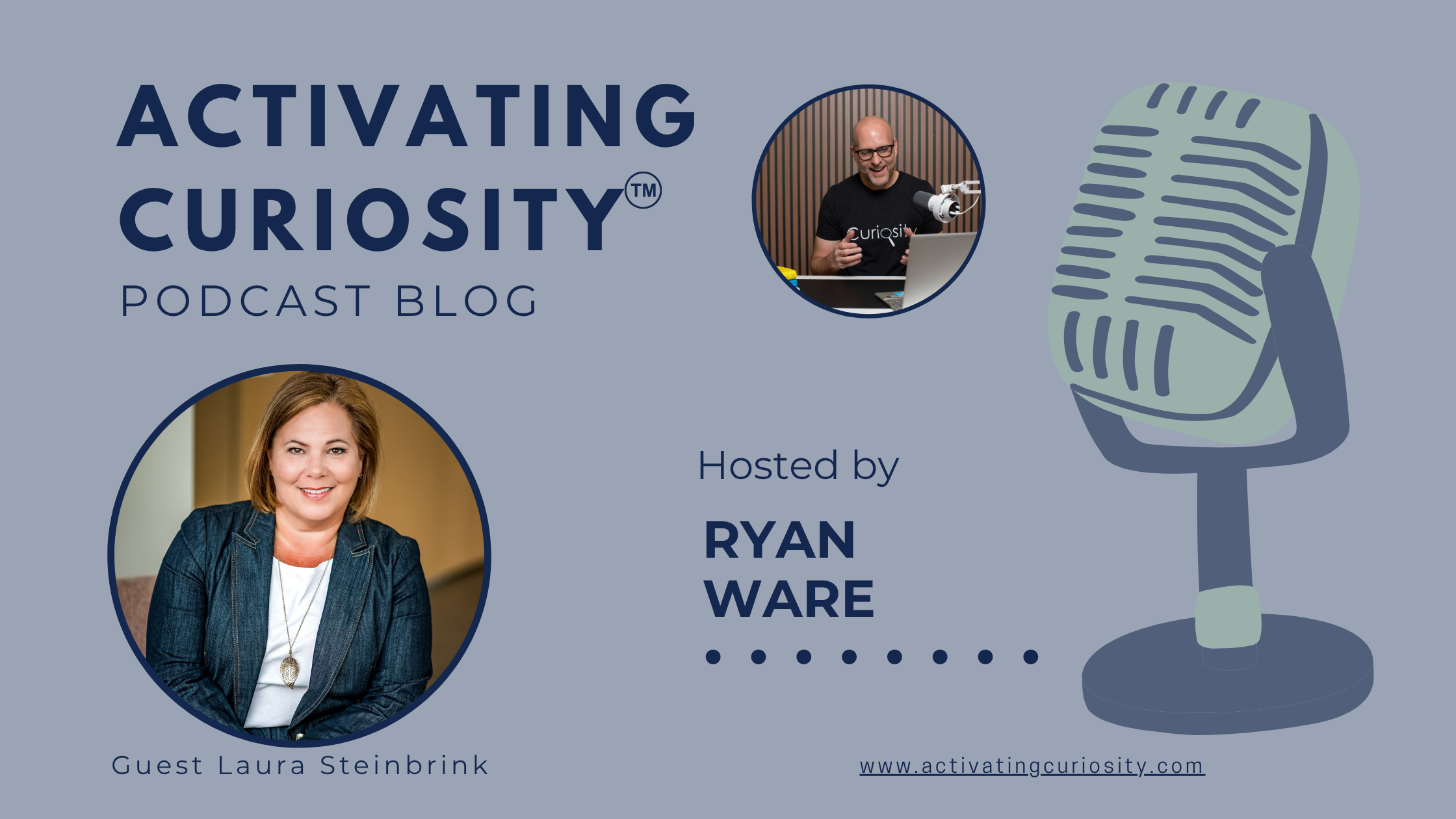
Welcome back to the blog, fellow curious minds and industry trailblazers! In our latest episode of Activating Curiosity with Laura Steinbrink, CEO of Emarald Built Environments, we dove deep into the often-turbulent waters of climate policy and its impact on the construction industry. We discussed the concept of "Climate Policy Whiplash," a term that perfectly captures the feeling of whiplash many of us experience when regulations shift unexpectedly. You can catch up on that pivotal discussion right here: Climate Policy Whiplash: AEC’s Next Move.
This blog post expands on the critical idea we explored in the episode: that while policy changes are certainly impactful, they are far from the sole drivers of progress, especially when it comes to sustainability in the built environment. In fact, as we'll uncover, the relentless forces of market demands, the grassroots power of community initiatives, and the internal drive of visionary leadership often prove to be even more potent catalysts for sustainable change. We'll look beyond the headlines and regulations to understand where the real momentum is building.
The Illusion of Policy as the Sole Driver
For a long time, the prevailing narrative has been that government regulation is the primary, if not the only, mechanism for driving significant environmental action. When it comes to climate change, this often translates to a focus on legislative mandates, emissions standards, and permitting processes. And to be clear, these policy levers are important. They can set a baseline, create a framework, and signal societal priorities. However, relying solely on policy to achieve ambitious climate goals is like expecting a single sail to power an entire ship across a vast ocean. It’s insufficient, and it overlooks the more dynamic, often more powerful, forces at play.
The reality, as we explored in the episode with Laura Steinbrink, is far more nuanced. Policy can be volatile. It can change with administrations, with economic pressures, and with shifting political winds. This inherent unpredictability can create significant challenges for an industry like construction, which relies on long-term planning, stable investment, and predictable project lifecycles. When policies designed to drive sustainability are suddenly reversed or weakened, it can indeed feel like whiplash, leaving businesses scrambling and progress stalled.
But what if this perceived reliance on policy is, in itself, an illusion? What if the real engine of change has been humming along all along, independent of the political thermostat?
Understanding the EPA Decision: Legal vs. Scientific Reality
The recent EPA decision, which we touched upon in the episode, serves as a stark example of this disconnect. It's crucial to understand that legal rulings, while binding, are not always reflective of scientific consensus or the undeniable realities of climate change. The debate around regulatory authority and the scope of environmental protection can become entangled in legal interpretations, sometimes leading to outcomes that seem at odds with the urgent need for action based on scientific evidence. This distinction is critical for industry leaders. It underscores that even if a specific regulation is rolled back, the underlying scientific imperative – the need to reduce carbon emissions and build more sustainably – remains entirely unchanged.
The scientific community has been unequivocal for decades about the causes and consequences of climate change. The data on rising global temperatures, extreme weather events, and sea-level rise is overwhelming. This scientific reality doesn't disappear because of a legal decision. It continues to manifest in tangible ways, impacting everything from supply chains and resource availability to insurance costs and the long-term viability of assets. Therefore, viewing the EPA decision solely through a legal lens misses the larger, more pressing context. The scientific reality is the bedrock upon which any durable climate action must be built, regardless of the legal scaffolding supporting it at any given moment.
This gap between legal pronouncements and scientific reality highlights a fundamental truth: waiting for perfect, unchanging policy is a recipe for stagnation. The real opportunity lies in recognizing that the scientific and environmental challenges are persistent, and our solutions must therefore be equally enduring, drawing strength from sources that are less susceptible to political flux.
Market Demands: The Unseen Force Shaping Sustainable Construction
While policymakers deliberate and regulations ebb and flow, the market is constantly speaking. Today, a growing chorus of voices is demanding more sustainable buildings. This demand comes from a variety of powerful stakeholders. Tenants, particularly large corporations and institutions, are increasingly incorporating sustainability criteria into their leasing agreements. They understand that green buildings can translate to lower operating costs, healthier and more productive workspaces, and a stronger corporate social responsibility (CSR) image. This translates directly into a competitive advantage for building owners who can offer these features.
Investors, too, are playing a significant role. The rise of Environmental, Social, and Governance (ESG) investing means that financial institutions are scrutinizing the environmental performance of companies and their assets. Buildings that are energy-efficient, utilize sustainable materials, and have a lower carbon footprint are becoming more attractive investments. This financial pressure incentivizes developers and owners to prioritize sustainability, not just as an ethical choice, but as a sound business strategy that can enhance asset value and attract capital.
Furthermore, the end-users of buildings – the people who live and work in them – are becoming more aware and concerned about climate change. They are seeking out brands and developments that align with their values. This consumer pressure, though perhaps less visible than corporate mandates, is a powerful undercurrent shaping demand. From homebuyers looking for healthier, more energy-efficient homes to office workers seeking workplaces with better indoor air quality and lower environmental impact, the end-user is a critical part of the market equation.
In essence, the market is signaling that sustainability is no longer a niche concern or a costly add-on. It is becoming an expectation, a differentiator, and a driver of value. This market-driven momentum can often outpace regulatory change, creating a powerful impetus for innovation and adoption of sustainable practices in construction. Developers and builders who anticipate and respond to these market demands are not only doing good; they are positioning themselves for long-term success.
Community Initiatives: Local Action, Global Impact
Beyond the dictates of policy and the nudges of the market, there exists a vibrant and potent force for climate action at the community level. Local governments, often more agile and responsive to the immediate concerns of their residents, are increasingly developing and implementing their own climate action plans. These plans can range from ambitious targets for renewable energy adoption and waste reduction to specific zoning ordinances that encourage green building practices and the development of sustainable infrastructure.
These local initiatives are crucial because they translate global climate challenges into actionable, place-based solutions. They can address the unique environmental and social contexts of a region, fostering buy-in from residents and businesses alike. When communities set their own sustainability goals, driven by local needs and aspirations, the commitment to achieving them often runs deeper and is more resilient to external policy shifts.
Moreover, community engagement can create powerful advocacy groups and citizen-led organizations that push for more sustainable development. These groups can champion innovative projects, hold developers accountable, and foster a culture of environmental responsibility. Think of local groups advocating for more green spaces, better public transportation, or stricter building codes that prioritize energy efficiency. Their persistent efforts build momentum and create an environment where sustainable practices are not just accepted but actively desired.
The impact of these local actions, when aggregated across many communities, can be profound. They create a mosaic of progress that, collectively, contributes significantly to national and international climate goals. This bottom-up approach to climate action is a testament to the power of collective will and the inherent desire of people to create healthier, more sustainable places to live. It’s a reminder that meaningful change can and does begin at home, powered by the people who care about their immediate environment.
Internal Leadership: Setting the Standard from Within
While external pressures from policy, markets, and communities are significant, perhaps the most potent and sustainable driver of change lies within the organizations themselves: visionary internal leadership. Companies that proactively embrace sustainability, not as a compliance burden but as a core value and a strategic imperative, are the ones truly leading the way. This internal commitment goes beyond ticking boxes or meeting minimum requirements.
It involves a deep-seated understanding of the long-term risks and opportunities associated with climate change. It means embedding sustainability into the company’s mission, values, and day-to-day operations. This can manifest in numerous ways: investing in research and development of green technologies, adopting ambitious internal carbon reduction targets, prioritizing the use of sustainable materials, implementing circular economy principles in design and construction, and fostering a culture of innovation and continuous improvement among employees.
Companies with strong internal leadership in sustainability often find that it not only mitigates risks but also unlocks new opportunities. It can lead to greater operational efficiency, reduced waste, enhanced brand reputation, and improved employee morale and retention. When leadership champions sustainability, it cascades throughout the organization, inspiring teams to find creative solutions and to take ownership of their environmental impact. This proactive approach builds resilience, making the company less vulnerable to the unpredictable shifts in external policies.
The episode highlights how leaders like Laura Steinbrink are not waiting for directives; they are actively shaping the future by integrating sustainability into their business models. This internal drive is a powerful engine of change, capable of setting new benchmarks and influencing the broader industry. It's about recognizing that being a responsible steward of the environment is not just good for the planet; it's good for business, and it’s a hallmark of forward-thinking leadership.
Navigating Uncertainty: Opportunity in Shifting Regulations
The inherent uncertainty associated with shifting regulations might seem like a deterrent to progress, but for astute leaders, it presents a unique opportunity. Instead of viewing policy changes as obstacles, forward-thinking organizations can see them as prompts to build greater resilience and adaptability into their operations. This is precisely the kind of mindset that was discussed in our related episode.
When regulations are in flux, it signals a need to look beyond the immediate compliance requirements and focus on the underlying principles of sustainability. This means investing in strategies that deliver environmental benefits regardless of the specific policy framework in place. For example, improving energy efficiency in buildings provides long-term cost savings and reduces carbon emissions, a benefit that remains valuable whether emissions standards are tightened or loosened.
Uncertainty also creates a space for innovation. When the rules are not rigidly defined, there is more freedom to explore and implement cutting-edge sustainable solutions. Companies that are willing to experiment, to pilot new technologies, and to adopt best practices that go above and beyond minimum requirements will often find themselves ahead of the curve when new, more stringent policies are eventually enacted. They become the trendsetters, rather than the reluctant followers.
Moreover, by focusing on market demands and community needs, organizations can build a strong foundation for sustainable practices that are less dependent on government mandates. When customers and stakeholders are actively seeking out sustainable products and services, the business case for sustainability becomes self-evident, even in the face of regulatory ambiguity. This proactive, principle-driven approach to sustainability allows companies to not only weather regulatory storms but to emerge stronger and more competitive.
Smarter Building Strategies: Reducing Risk and Enhancing Value
In a landscape characterized by both policy flux and an increasing awareness of climate-related risks, adopting smarter building strategies is not just a pathway to sustainability; it's a crucial risk mitigation tactic and a significant value enhancer. The construction industry, with its long project timelines and substantial capital investments, is particularly vulnerable to the impacts of climate change and evolving regulatory environments.
Consider the increasing frequency and intensity of extreme weather events. Buildings designed and constructed without accounting for these risks—such as enhanced resilience to flooding, high winds, or heatwaves—face greater potential for damage, costly repairs, and operational disruptions. Smarter building strategies involve incorporating climate-resilient design principles from the outset, selecting materials that can withstand environmental stresses, and situating projects in locations that minimize exposure to known climate hazards.
Beyond physical resilience, there are also significant financial risks associated with unsustainable building practices. These include potential penalties for non-compliance with future regulations, increased insurance premiums, and the risk of stranded assets as the market increasingly favors low-carbon, high-performance buildings. By proactively investing in energy efficiency, renewable energy integration, and sustainable material sourcing, developers can not only avoid these risks but also create assets that are more attractive to tenants and investors, thereby enhancing their long-term value and marketability.
Furthermore, the concept of "smart buildings" extends beyond mere energy efficiency. It encompasses integrated systems for monitoring and managing building performance, optimizing resource consumption, and improving occupant comfort and well-being. These intelligent systems can provide valuable data that informs ongoing operational improvements and allows for proactive maintenance, further reducing risk and enhancing the building's overall lifecycle value. In an environment where the definition of a "good building" is constantly evolving, embracing these smarter strategies ensures that projects remain relevant, valuable, and responsible for years to come.
Conclusion: Leading the Way Beyond Regulation
As we've explored throughout this post, the conversation surrounding climate action in construction is far richer and more dynamic than simply adhering to regulations. While policy plays a role, it is the confluence of powerful market demands, the grass-roots energy of community initiatives, and the unwavering commitment of internal leadership that truly propels sustainable progress forward. Our latest episode, Climate Policy Whiplash: AEC’s Next Move, provided a crucial lens through which to view these forces, emphasizing that the responsibility for sustainability doesn't evaporate when regulations shift. Instead, it highlights the opportunity for AEC professionals to lead with confidence, drawing strength from these enduring drivers of change.
The built environment has a profound impact on our planet, and its transformation is essential. By recognizing and harnessing the power of market preferences for sustainable options, by championing the innovative solutions emerging from local communities, and by fostering a culture of proactive, values-driven leadership within our organizations, we can build a future that is not only more resilient and environmentally sound but also more economically robust and socially equitable. The path beyond regulation is not one of avoidance, but one of proactive, informed, and inspired action. It's about building better, for ourselves and for generations to come.

CEO/ Change Management & Leadership Coach/ Key Note Speaker & Podcast Host
Ryan Ware is Founder and CEO driving construction leadership development. With over two decades of experience across every segment and level of management in the construction industry, Ryan’s career journey began in architecture and expanded into construction and prefabrication manufacturing. Throughout, he encountered consistent challenges with change management implementation.
Driven by passion and purpose to advance the construction industry, Ryan took to the stage to support as many leaders as possible. He helps audiences build stronger relationships with change and challenges the way leaders think about change, innovation, and leadership. His mission as a speaker, coach, and consultant is simple: to help the construction industry evolve by empowering those who shape it to better navigate change.
Why Construction Estimating Is the Real Bottleneck in Housing Affordability
 Apple Podcasts
  Spotify
  Amazon Music
  Youtube Music
  Goodpods
  iHeartRadio
  Deezer
  Castro
  Castbox
  PocketCasts
  Audible
  RSS Feed