Beyond Bricks and Mortar: Why True Housing Solutions Require Systems Thinking
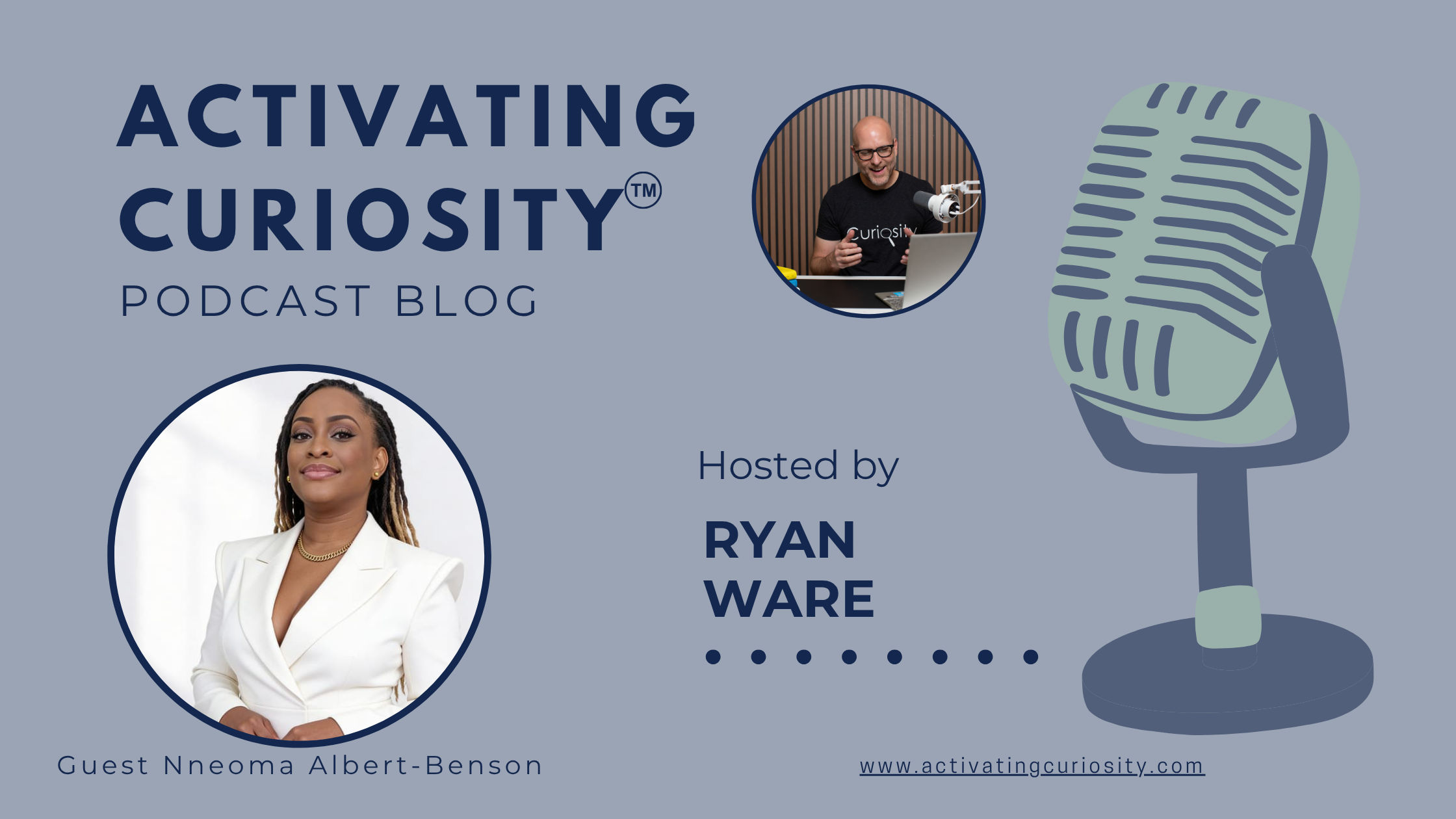
Welcome back to Activating Curiosity! In a recent bonus episode, we dove deep into a critical aspect of the housing crisis, one that often gets overshadowed by headlines about construction rates and property values. We had an incredibly insightful conversation with Nneoma Albert-Benson, the visionary founder of BEFA Women and Child Care Foundation, and co-founder of Helichrysum Construction. Her perspective is not just refreshing; it’s fundamentally transformative. This blog post is an extension of that vital discussion, aimed at unpacking Nneoma's powerful argument: the housing crisis is not merely a deficit of units, but a symptom of deeper, systemic failures. We'll explore how those of us in construction leadership can, and must, shift our focus from simply erecting structures to cultivating environments that nurture long-term affordability and human well-being. You can catch the full episode here: Housing Instability: Why Construction Leaders Should Care | Systems Over Structures.
Nneoma Albert-Benson's Perspective: Shifting from Structures to Systems
Nneoma Albert-Benson brings a unique and powerful lens to the housing debate, shaped by her background in human rights law, social impact development, and her practical involvement in the construction industry. She challenges a prevailing, and frankly, insufficient, narrative: that the housing crisis can be solved simply by building more homes. While increasing supply is undoubtedly a piece of the puzzle, Nneoma argues passionately that it’s not the whole picture, nor is it the most critical part. Her core message is a call for a paradigm shift – from viewing housing as merely a collection of physical structures to understanding it as an integrated system designed to support human flourishing.
This distinction is crucial. When we focus solely on bricks and mortar, we tend to think about permits, materials, labor, and timelines. These are all essential operational aspects of construction, of course. However, this perspective often neglects the human element, the very reason we build in the first place: to provide safe, stable, and affordable homes for people. Nneoma’s work, particularly through the BEFA Haven model, demonstrates that true housing solutions require us to look beyond the tangible and address the intangible, yet equally critical, systems that enable people to truly live in their homes, not just exist in them.
Her argument is that affordability isn't solely about the initial price tag of a home. It's about the ongoing costs of living, the availability of resources, and the presence of support networks that prevent residents from falling into instability. This is where the concept of "systems over structures" truly comes to life. It means designing housing developments not as isolated buildings, but as interconnected communities that provide pathways to economic security, access to essential services like childcare, and opportunities for social engagement. This holistic approach, rooted in understanding human needs and systemic challenges, is what Nneoma champions as the way forward.
Understanding Systemic Failures: Why Homelessness is a Symptom, Not the Cause
One of the most profound insights Nneoma shared in our episode, and one that deserves significant expansion here, is the reframing of homelessness. For too long, society has often treated homelessness as the core problem, a failure of individuals to manage their lives. Nneoma, with her background in human rights, powerfully asserts that homelessness is, in fact, a symptom. It is the visible manifestation of a much larger, more complex web of systemic failures.
Think about it: what leads someone to lose their housing? It's rarely a single event, but often a cascade of challenges. A sudden job loss, an unexpected medical emergency, a lack of affordable childcare that prevents a parent from working, a spouse leaving, or simply the ever-increasing cost of rent outstripping stagnant wages. These are not individual failings; they are often the cracks in a societal system that is not designed to catch people before they fall. When these support systems are weak or non-existent, individuals and families are left vulnerable, and homelessness becomes an inevitable outcome for many.
This perspective is critical for construction leaders and developers. If we continue to view homelessness as an individual problem, our solutions will remain superficial. We might build more affordable housing units, which is good, but without addressing the underlying pressures that push people towards instability, those units can quickly become unaffordable or unsustainable for the very people who need them most. The "systemic failure" Nneoma highlights includes inadequate social safety nets, a lack of investment in affordable childcare and elder care, stagnant minimum wages that haven't kept pace with the cost of living, and economic policies that concentrate wealth rather than distribute opportunity.
To truly solve the housing crisis, we must diagnose the underlying conditions. We need to ask: what economic policies are exacerbating housing instability? What social support structures are failing? How can our built environment, and the industries that create it, actively contribute to strengthening these systems rather than inadvertently weakening them? This requires a fundamental shift in how we perceive the problem and, consequently, how we design and implement solutions. It means moving beyond simply constructing dwellings to actively participating in the creation of resilient communities.
The Hidden Pressures: Factors Leading to Housing Instability for Working Families
Our conversation with Nneoma illuminated the often-invisible pressures that push working families to the brink of housing instability. It's a narrative that deviates sharply from stereotypes of those experiencing housing insecurity. These are not necessarily individuals who are unwilling to work; rather, they are often individuals and families who are working incredibly hard but are caught in a system that doesn't provide a stable foundation. The "hidden pressures" are multifaceted and deeply interconnected.
Firstly, consider the relentless rise in housing costs. Rents and mortgages have, in many areas, far outpaced wage growth. This creates a perpetual struggle for working families to allocate a reasonable portion of their income to housing, leaving little for other essentials like food, healthcare, or education. When a significant chunk of income is dedicated to just keeping a roof overhead, any unexpected expense can become a crisis.
Secondly, the exorbitant cost and limited availability of childcare present a significant hurdle. For many working parents, especially single parents, the cost of childcare can be nearly equivalent to a mortgage payment. This forces difficult choices: one parent may have to reduce their working hours or leave the workforce altogether, significantly impacting household income and, by extension, their ability to afford stable housing. This is not an individual choice; it's a systemic deficiency in supporting working families.
Thirdly, precarious employment and a lack of benefits contribute significantly. Many jobs, even full-time positions, offer low wages, inconsistent hours, and no benefits like health insurance or paid sick leave. This lack of stability means that a single illness, a temporary layoff, or a reduction in hours can instantly destabilize a household's finances, making it impossible to meet housing obligations.
Finally, a lack of accessible support services compounds these issues. When a family is struggling, where can they turn for help? Limited access to mental health services, job training programs, or financial counseling can leave individuals feeling isolated and overwhelmed, further increasing their vulnerability. These hidden pressures, acting in concert, create a fragile ecosystem where a minor disruption can lead to a complete collapse of housing stability for individuals and families who are, by all accounts, working diligently to provide for themselves.
Stability by Design: What Integrated Housing Models Look Like
The concept of "stability by design" is central to Nneoma Albert-Benson's vision for a more effective approach to housing. It’s a proactive strategy that moves beyond simply providing shelter and instead focuses on building integrated systems that foster long-term resilience and well-being for residents. This is the antithesis of the reactive approach that often characterizes our current housing landscape.
What does "stability by design" actually look like in practice? It means weaving together essential services and opportunities directly into the fabric of housing developments. Imagine a community where affordable housing units are co-located with accessible, high-quality childcare centers. This immediately alleviates a major financial and logistical burden for working parents, enabling them to maintain employment and contribute to the local economy.
Furthermore, integrated housing models prioritize economic empowerment. This could involve on-site job training programs, partnerships with local businesses to create employment opportunities for residents, or spaces dedicated to entrepreneurial development. The goal is to provide residents with pathways to increased income and financial security, making their housing truly sustainable in the long run. This goes beyond building a structure; it's about building a ladder of opportunity.
Community building is another crucial element. Integrated models often incorporate shared spaces, community gardens, recreational facilities, and opportunities for social engagement. This fosters a sense of belonging and mutual support, which are vital for mental well-being and can act as a crucial buffer during times of stress or crisis. When residents feel connected to their neighbors and their community, they are more likely to thrive.
These models also emphasize sustainable and resilient design. This includes energy-efficient buildings that reduce utility costs for residents, adaptable living spaces that can evolve with family needs, and potentially even features that promote food security, such as community farms or hydroponic systems. The intention is to create environments that are not only affordable but also healthy, environmentally conscious, and capable of withstanding economic and environmental fluctuations.
Essentially, "stability by design" is about creating holistic ecosystems within our housing developments. It acknowledges that housing is not an isolated need, but one that is deeply intertwined with economic opportunity, access to services, and community support. By intentionally designing these elements into the housing solution from the outset, we can create environments that actively prevent vulnerability rather than merely responding to its devastating consequences.
The Role of Construction Leaders: Beyond Building to Empowering Communities
For those of us in leadership positions within the construction industry, Nneoma Albert-Benson's insights offer a powerful call to action. Our role extends far beyond the technical aspects of erecting buildings. We have an immense opportunity, and indeed a responsibility, to leverage our expertise and influence to create housing solutions that truly serve communities and foster long-term stability.
This means shifting our perspective from being mere builders to becoming facilitators of holistic community development. Instead of solely focusing on the bottom line of a single project, we need to consider the long-term impact of our work on residents and the broader community. This involves actively seeking out and collaborating with organizations that specialize in social services, economic development, and community engagement. It means viewing housing development as an opportunity to build not just homes, but thriving ecosystems.
Construction leaders can champion integrated housing models by advocating for their adoption within their companies and in the industry at large. This might involve investing in research and development of such models, partnering with developers who are committed to this approach, or even initiating their own projects that incorporate these principles. It requires a willingness to innovate and to challenge the status quo of traditional development practices.
Furthermore, we have the power to influence policy and planning. By engaging with local governments and community stakeholders, construction leaders can advocate for zoning laws that encourage mixed-use development, incentives for affordable housing, and the integration of essential services within residential areas. Our voice, backed by our industry expertise, can be a powerful force for positive change.
Ultimately, it’s about embracing a more human-centered approach to construction. It means understanding that the true measure of success in housing development is not just the number of units built, but the quality of life and the long-term stability experienced by the people who inhabit them. By moving beyond the traditional focus on bricks and mortar and embracing the principles of systems thinking and integrated development, construction leaders can play a pivotal role in solving the housing crisis and empowering communities for generations to come.
The BEFA Haven Model: A Blueprint for Long-Term Solutions
The BEFA Haven model, as championed by Nneoma Albert-Benson and her foundation, serves as a concrete and inspiring blueprint for the kind of integrated, systems-focused housing solutions we've been discussing. It’s not a theoretical concept; it’s a tangible manifestation of "stability by design" in action.
At its core, BEFA Haven is built on the understanding that true housing stability requires more than just a physical structure. It integrates several critical pillars designed to support individuals and families comprehensively. Firstly, it provides safe and affordable housing, which is the fundamental requirement. However, this is just the starting point.
Secondly, BEFA Haven places a significant emphasis on economic empowerment. This involves offering residents access to job training programs, skill development workshops, and opportunities to connect with employers. The goal is to equip residents with the tools and resources they need to achieve sustainable employment and financial independence, thereby securing their housing situation long-term. This addresses the "hidden pressures" of precarious work and low wages head-on.
Thirdly, the model recognizes the crucial role of childcare. By integrating accessible and affordable childcare services within the BEFA Haven environment, it alleviates a major burden for working parents, allowing them to pursue education or employment without the constant worry of their children’s care. This directly tackles one of the most significant systemic barriers for working families.
Fourthly, community building is a vital component. BEFA Haven fosters a strong sense of community through shared spaces, organized activities, and mutual support networks. This social cohesion contributes to the overall well-being of residents, reducing isolation and providing a safety net during challenging times. It’s about creating a supportive neighborhood, not just a collection of individual units.
Finally, the model is designed with long-term sustainability in mind, encompassing both environmental and financial aspects. This includes employing energy-efficient building practices to reduce utility costs for residents and ensuring that the operational model is financially viable for the foundation and its partners. It's a holistic approach that considers the entire lifecycle of the housing solution.
The BEFA Haven model is a powerful example of how we can move beyond traditional, fragmented approaches to housing. It demonstrates that by thoughtfully integrating housing with economic opportunities, essential services like childcare, and robust community support, we can create environments that not only shelter people but empower them to thrive. It offers a scalable and replicable framework for addressing the housing crisis in a more profound and lasting way.
Conclusion: Redefining Our Approach to Housing and Leadership
As we wrap up this discussion, it's clear that the conversation we initiated in our latest episode, Housing Instability: Why Construction Leaders Should Care | Systems Over Structures, is more critical than ever. Nneoma Albert-Benson’s profound insights challenge us to look beyond the immediate task of building more units and instead, to confront the complex, interconnected systems that perpetuate housing instability. Her argument that homelessness is a symptom of systemic failures, not individual ones, compels us to re-examine our assumptions and our responsibilities.
We've explored how hidden pressures like stagnant wages, exorbitant childcare costs, and precarious employment push working families to the brink. The concept of "stability by design," as exemplified by the BEFA Haven model, offers a powerful antidote. This approach advocates for integrated housing solutions that weave together affordability, economic opportunity, accessible childcare, and strong community bonds. It's a shift from building structures to cultivating resilient environments.
For construction leaders, this means embracing a new definition of leadership. It’s about moving beyond traditional construction methodologies to become catalysts for community empowerment. It requires us to collaborate, innovate, and advocate for holistic solutions. The BEFA Haven model stands as a testament to what is possible when we apply systems thinking to housing development. By redefining our approach, we can move from merely constructing buildings to building futures, creating a more equitable and stable housing landscape for all.

CEO/ Change Management & Leadership Coach/ Key Note Speaker & Podcast Host
Ryan Ware is Founder and CEO driving construction leadership development. With over two decades of experience across every segment and level of management in the construction industry, Ryan’s career journey began in architecture and expanded into construction and prefabrication manufacturing. Throughout, he encountered consistent challenges with change management implementation.
Driven by passion and purpose to advance the construction industry, Ryan took to the stage to support as many leaders as possible. He helps audiences build stronger relationships with change and challenges the way leaders think about change, innovation, and leadership. His mission as a speaker, coach, and consultant is simple: to help the construction industry evolve by empowering those who shape it to better navigate change.

Why Construction Estimating Is the Real Bottleneck in Housing Affordability

 Apple Podcasts
  Spotify
  Amazon Music
  Youtube Music
  Goodpods
  iHeartRadio
  Deezer
  Castro
  Castbox
  PocketCasts
  Audible
  RSS Feed