Podcast Videos
Subscribe to our YouTube channel, and share with others.
https://www.youtube.com/@ActivatingCuriosity
https://www.youtube.com/@ActivatingCuriosity
Sept. 8, 2026
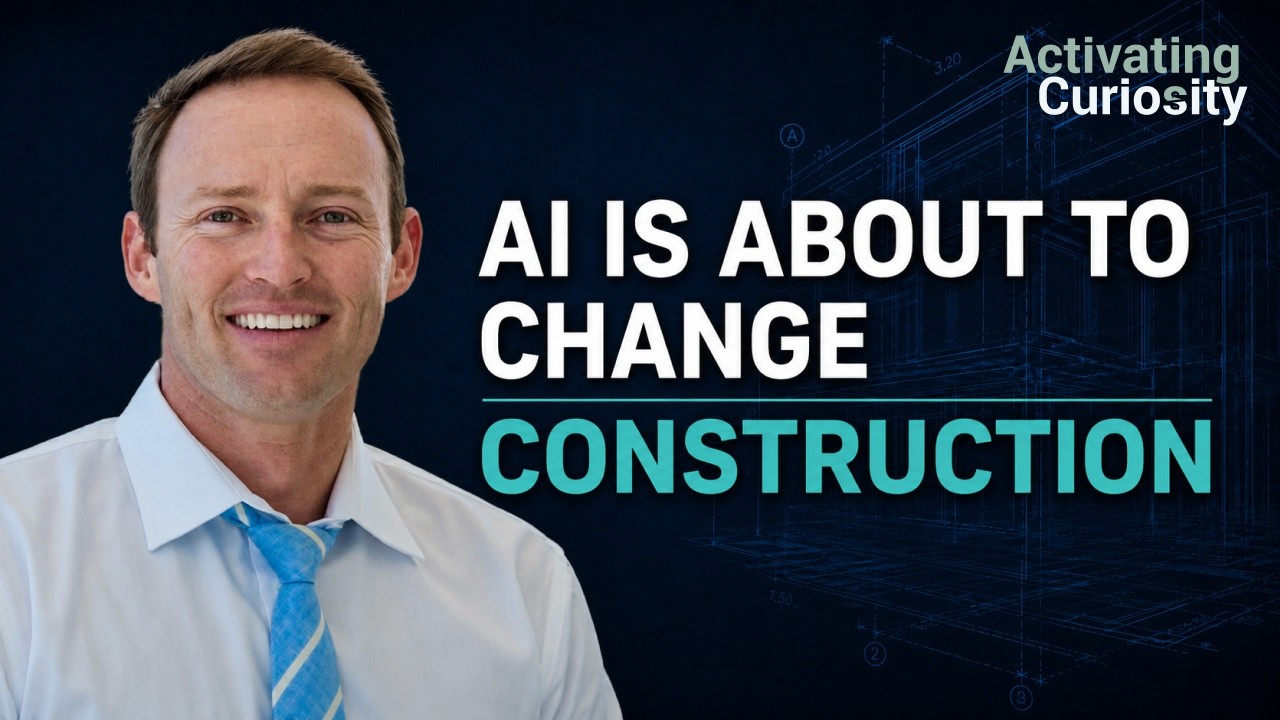
Construction Doesn't Have a Building Problem It Has an Information Problem
Construction and AEC leaders -You've been told the industry's biggest problem is building faster and cheaper. Patrick Murphy says that's wrong. The real problem is information - and it's been hiding in plain sight. Patrick Murphy joins Ryan Ware on Activating Curiosity to unpack why construction's decades-long productivity struggle isn't about labor, materials, or technique. It's about the chaos between the lines: estimating that takes months, preconstruction gaps that cascade into site-level disasters, and an industry that starts from scratch on every single project. Patrick Murphy is founder and CEO of Togal.AI and CodeComply.AI, Chief Innovation Officer at Coastal Construction (Florida's largest general contractor), a former U.S. Congressman, and a CPA. Raised in a multigenerational construction family, he began his career as a laborer before moving through project engineering, estimating, and accounting. In 2023, he was appointed to the President's Export Council as the sole rep…

Sept. 6, 2026
How Modular Construction Helps You Build More
Construction and AEC leaders know that modular construction changes more than the building process—it changes where revenue, workload, and value are captured. Construction margins are tight, and moving 80% of a project into a factory can create a different relationship between the GC and manufacturer. Key drivers: Modular construction moves significant work off-site. GCs may manage less of the total project workload. Revenue can shift between the GC and manufacturer. The business model requires stronger collaboration. The trade-off is increased capacity and the ability to build more. The shift toward modular construction is not simply about protecting the traditional revenue model. It is about understanding how AEC leaders can create more capacity, deliver more projects, and work differently with manufacturing partners. Listen to the full conversation on the Activating Curiosity with Ryan Ware podcast.
Sept. 4, 2026
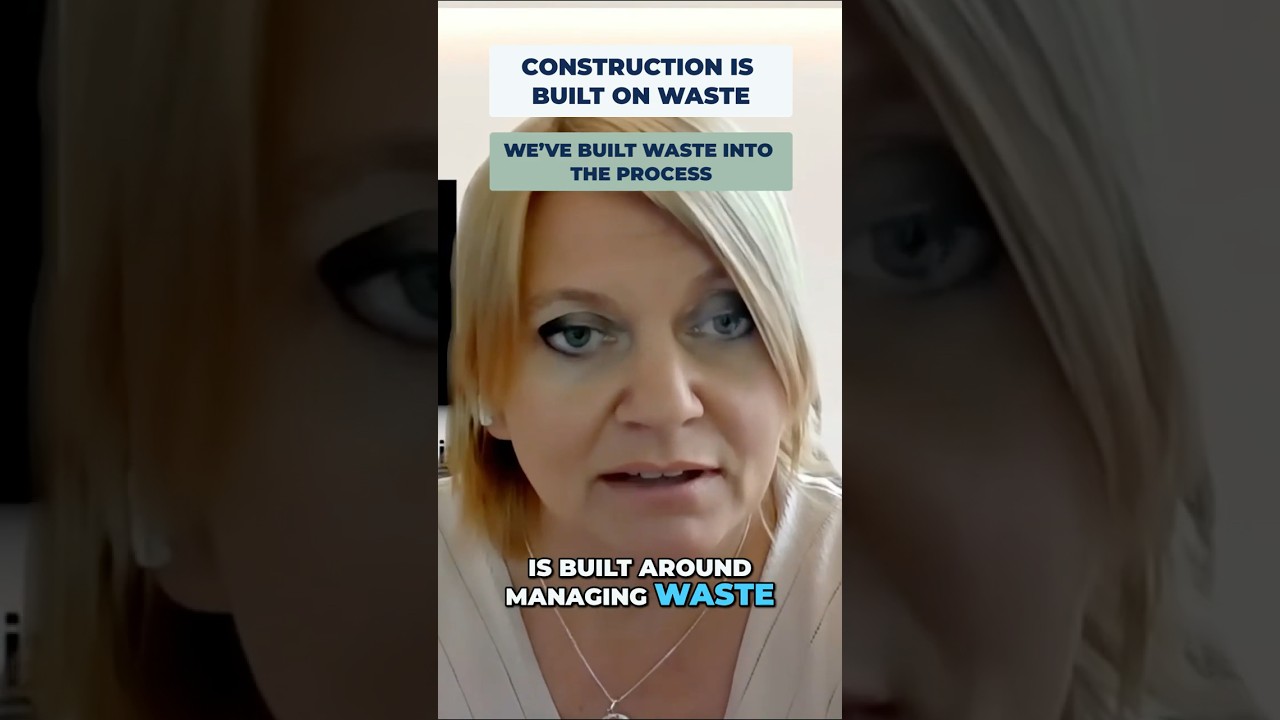
The Hidden Waste Built Into Construction
Construction and AEC leaders are often forced to manage waste instead of eliminating the conditions that create it. RFIs, submittals, field challenges, and rework consume time and energy across the construction industry. Key drivers: Construction teams spend significant time managing waste. Many problems begin before work reaches the field. Earlier collaboration can reduce downstream disruption. Design for Manufacturing and Assembly creates better alignment. DfMA helps teams solve more issues before construction begins. The shift is from reacting to waste in the field to designing better outcomes upstream. For AEC leaders, that means investing earlier in collaboration, planning, and constructability. Listen to the full conversation on the Activating Curiosity with Ryan Ware podcast.

Sept. 2, 2026
Retirement Won’t Solve Construction’s Workforce Problem
Construction and AEC leaders cannot solve the workforce crisis by simply waiting for experienced workers to retire. What if the answer is not replacing experienced people—but finding new ways for them to keep producing value? Episode context: Melanie Taylor of BILT discusses how experienced construction professionals can continue contributing through education, mentorship, and changing how the industry defines productivity. Key drivers: The coming construction workforce transition Why retirement should not mean the end of contribution The value of mentoring and education Knowledge transfer between generations Changing how the industry measures impact Experienced workers do not have to remain on the project site to shape the future of construction. Their knowledge can build stronger teams and better leaders. Watch the full Melanie Taylor episode through ActivatingCuriosity.com. Subscribe for more conversations about construction leadership, talent development, and change.
Aug. 30, 2026
Prefab Construction Has the Wrong Standard
Construction and AEC leaders may be using the wrong definition of standards in prefab and modular construction. What if the standard is not the size, color, or shape of the building—but the team behind it? Melanie Taylor of BILT explains why industrialized construction requires leaders to rethink what “standard” actually means. Key drivers: Prefab does not have to look one specific way Modular construction should not be limited by old assumptions The team may matter more than the physical format Better collaboration can redefine the standard The future of construction may depend less on making every building look the same and more on building stronger teams around better processes. Watch the full Melanie Taylor episode through ActivatingCuriosity.com. Subscribe for more conversations about construction leadership and change.

Aug. 28, 2026
How Construction Leaders Can Deliver Healthcare Where Labor Is Scarce
Construction and AEC leaders: rural communities can be forced to drive hours for healthcare—or go without it entirely. Melanie Taylor explains how faster healthcare construction can help close that access gap by fabricating a building and installing it in as little as six weeks. This conversation explores: Rural healthcare access Labor shortages in construction Faster healthcare construction Industrialized construction methods Better outcomes for underserved communities The shift is not simply about building faster. It is about helping construction leaders deliver essential facilities where traditional labor and timelines fall short. Watch the full conversation with Melanie Taylor on Activating Curiosity™: 📷Activating Curiosity™ Episodes Subscribe for more conversations on construction leadership, AEC innovation, and leading meaningful industry change.

Aug. 27, 2026
Great Construction Leaders Know Their People
Construction and AEC leaders — great leadership isn't managing the project. It's knowing the people. Dina Fodero on what separates a great leader from a busy one: understanding your people's strengths, their blind spots, and how to help them bring out the best in each other. The human side of leadership, in her own words. Full episode: "Construction Protects the Body. But What About the Person?" — watch here: https://youtu.be/Mi1UIN_ORvo
Aug. 26, 2026
The Building Matters More Than the Construction Process
Construction and AEC leaders often spend too much time dissecting the process and not enough time focusing on the finished building. We do not dissect every part of an engine before using it. So why do we keep dissecting every part of the construction process? Melanie Taylor of BILT explains why construction leaders should focus more on the product—the building—and allow better systems to manage the complexity behind it. Key drivers: Why construction processes are overcomplicated The difference between managing parts and managing outcomes How industrialized construction can simplify delivery Why process improvement should raise quality The value of focusing on the finished building Construction leaders do not need to personally manage every component of the process. They need to create systems that consistently produce better buildings. Watch the full Melanie Taylor episode through ActivatingCuriosity.com https://www.activatingcuriosity.com/videos/built-on-waste-why-construction-…
Aug. 25, 2026
Built on Waste: Why Construction Leaders Are Still Building for Yesterday
Construction and AEC leaders — the whole industry is built around managing waste. What if we changed the definition of standards instead? RFIs. Submittals. Field challenges. Rework. For decades, construction has treated waste as the cost of doing business. Melanie Taylor, Vice President of BILT, argues it doesn't have to be that way. In fact, the organizations that are choosing differently are already pulling ahead — and the math backs them up. In this episode of Activating Curiosity™, Ryan Ware sits down with Melanie Taylor to explore why industrialized construction isn't about factories. It's about leadership, collaboration, and the courage to challenge assumptions the rest of the industry still accepts as standard. What we get into: • Why "the math didn't math" — yet the results blew every projection out of the water • Why industrialized construction is about people, not factories • How DfMA and early collaboration eliminate waste before ground breaks • The labor cliff coming i…

Aug. 23, 2026
Make Men Your Allies on Construction Teams
Construction and AEC leaders — the seat at the table isn't meant to be guarded. It's meant to be shared. "Once you get the seat at the table, you're thinking that I better protect this seat, not let anybody else come near this seat." Dina Fodero — creator of I-PPE™ — flips that instinct: there's enough room on the beam for everyone. Why women in construction supporting each other — and making men their allies — is how power and opportunity actually multiply on the jobsite. Full episode: "Construction Protects the Body. But What About the Person?" — watch here: https://youtu.be/Mi1UIN_ORvo