
 Apple Podcasts

 Spotify

 Amazon Music

 Youtube Music

 Goodpods

 iHeartRadio

 Deezer

 Castro

 Castbox

 PocketCasts

 Audible

 RSS Feed
Climate Migration and Resilience: Why We Stay, Move, and Rebuild
Key Takeaways
- Climate adaptation requires shifting the conversation from abstract global models to personal, localized experiences that resonate with communities.
- Bridging the gap between climate science and everyday action involves understanding how weather extremes impact livelihoods, agriculture, and local infrastructure.
- By reframing climate change through shared human stories and common language, leaders can engage diverse stakeholders without political polarization.
- Urban planning and disaster recovery must address compounding risks, such as how flooding disrupts emergency services, utilities, and daily community life.
- Architecture, engineering, and construction professionals need to look beyond baseline codes to design and build for future climate conditions rather than just restoring the past.
What would it take to leave the place you call home? And when disaster strikes, why do we so often rebuild the same way?
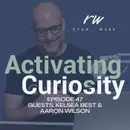
Dr. Aaron Wilson, Ohio's State Climatologist, and Dr. Kelsea Best, an assistant professor researching urban climate resilience at The Ohio State University, join Ryan Ware to explore climate migration, adaptation, and the human decisions behind them.
Why do people stay despite growing risks? Are "climate havens" really safe? And how do disaster recovery policies and funding make it difficult to rebuild differently?
From flooded infrastructure and emergency access to the cultural cost of displacement, the conversation connects climate science with the people and communities affected by it.
For architecture, engineering, and construction professionals, it raises a larger question: Are we preparing communities for the future, or restoring what was there before?
In This Episode
- Why people stay or move as climate risks change
- How lived experience complements climate models
- What "climate havens" overlook about local risks
- How flooding disrupts infrastructure and essential services
- Why policy and funding can discourage rebuilding differently
Chapters
00:00 – Episode Preview
02:16 – Meet Aaron Wilson and Kelsea Best
08:32 – Making Climate Science Local
11:32 – Climate Migration: Staying or Moving
18:27 – Lived Experience and Climate Models
25:40 – Climate Change by Any Other Name
29:55 – Flooding and Community Infrastructure
33:27 – Planning for Future Conditions
38:24 – The Human Cost of Displacement
41:15 – Are Climate Havens Really Safe?
47:30 – Barriers to Planning Ahead
50:25 – Why We Rebuild the Same Way
55:15 – Prevention and the Cost of Inaction
57:01 – Building Resilient Communities
1:02:04 – Guest Resources
1:05:00 – Closing Reflections
About the Guests
Dr. Aaron Wilson is Ohio's State Climatologist and an agricultural weather and climate specialist at The Ohio State University.
Dr. Kelsea Best is an assistant professor at The Ohio State University studying urban climate resilience, adaptation, and migration, and co-author of Migration and Displacement in a Changing Climate.
Guest Resources
Ohio State Climate Office: https://climate.osu.edu/
https://artsandsciences.osu.edu/events/science-sundays-climate-any-other-name
Kelsea Best's book: https://www.cambridge.org/core/books/migration-and-displacement-in-a-changing-climate/BAA037334059A70844805592223C9790
Emerald Built Environments
Emerald helps architects, contractors, and owners deliver energy-efficient, high-performing building
New Lyfe Accounting
Free Diagnostic ($500 value) for Activating Curiosity Listeners by NLA, to help your financial goals
Helping construction leaders simplify change, strengthen trust, and move forward with clarity.
Disclaimer: This post contains affiliate links. If you make a purchase, I may receive a commission at no extra cost to you.
Have feedback or stories to share? Drop us a note or leave a VM—we’re listening!
Activating Curiosity® is proud to be featured among MillionPodcasts' top Construction Management Podcasts.
Follow Ryan at the following:
https://www.linkedin.com/in/ryankware/
https://www.linkedin.com/company/connective-consulting-group-llc
https://connectiveconsultinggrp.com/
https://connective-coaching.com/
https://ryanware.me/
Don't miss out on future episodes! Follow & subscribe now to our newsletter and stay informed about the latest trends and insights in the construction industry.
If this show helps you, please consider supporting it. Just $3/month helps cover production and keeps the conversations going.
⭐ “Love the show? Toss some stars my way, it’s the easiest applause ever.
Frequently Asked Questions
Who are the guests on this episode of Activating Curiosity?
This episode features Dr. Aaron Wilson, Ohio's State Climatologist, and Dr. Kelsea Best, an assistant professor researching urban climate resilience and adaptation at The Ohio State University.
What is the main focus of Dr. Aaron Wilson's work as a climatologist?
Dr. Wilson focuses on making climate science local, helping agricultural stakeholders and emergency managers understand weather variability, and building resilience around changing water patterns in the Midwest.
How does Dr. Kelsea Best study urban climate resilience?
Dr. Best combines quantitative modeling with qualitative methods like interviews and focus groups to understand lived experiences, community migration decisions, and equity in climate adaptation.
Why is local storytelling important in climate change communication?
Storytelling helps translate complex scientific data into personal experiences, allowing people to connect emotionally with the real-world impacts of climate change on their homes and communities.
Aaron
Habitable space and living environments for humans and other creatures and cultures.
Kelsea
Where will people live? How will people be able to live in different places? We love a model because that can help us simplify all of these complexities to the right level of abstraction. I've found it's so important to also, for the work that I do, supplement it with things like interviews and focus groups trying to understand and capture their lived experience and their knowledge. Because I do believe that people are the experts of their own homes and their experiences.
Aaron
It's unfortunate that even the term climate, which is very scientific, it's just the averages of weather patterns over long periods of time, has kind of fallen out of favor. There are other ways that we can discuss this. And it does get back to the human, you know, for better or worse, this is a human story.
Ryan
Hey everybody, welcome back to another episode of Activating Curiosity. I am Ryan Ware, and today's conversation is one of those that it brings out a lot of emotion for people as we have It is a very large problem that many around the world are aiming to solve. And for a lot of others, it is something that they don't want to hear about anymore. But I have two guests with me that I think can bring unique perspectives given their backgrounds and roles and areas of focus to try to really break these things down and understand sometimes big problems aren't about taking the hugest of swings. It is about chipping away and trying to really understand how it's impacting us as humans and humanity across the planet. And today's conversation is really going to dive in it from a couple different perspectives based off the guests' roles and passions for their work. Today I have with me Dr. Aaron Wilson. He is the state climatologist of Ohio. He's an associate professor, ag weather and climate field specialist with the Department of Extension and the College of Food and Agricultural and Environmental Sciences at the Ohio State University. And I also have with me Dr. Kelsey Best. She is a research and educator and associate professor of urban climate resilience and adaptation disparities at the Ohio State University. Aaron and Kelsey, welcome to Activating Curiosity.
Aaron
It's great to be here. Thank you.
Kelsea
Thanks for having me, Ryan.
Ryan
Yeah, I'm looking forward to this conversation. I think I came across Aaron originally through an article. And as we were talking, he knew nobody, nobody else would be able to bring this conversation to the level that we want to we want to have than you, Dr. Kelsey Best. And I appreciate both of you willing to come on Activating Curiosity. Before we get into the deeper conversation, just give a high-level background on your past, on your experience, kind of what brought you to this point in your careers. Kelsey, I'll ask you to go first and then Aaron, and then we'll dive into the first question.
Kelsea
Sure. Yeah, I had a bit of a windy path to get here. Um I studied chemical engineering in undergrad and then worked in industry for a few years. And I think I missed school. So I ended up going back and got my graduate degrees and my PhD in earth and environmental science, where I was really interested in thinking about these connections between the natural environment, people and human well-being, and the built environment. So I was really lucky to be kind of trained in a very interdisciplinary group. I was working in coastal Bangladesh, looking at some of these challenges we're going to discuss today, and just really kind of found my passion for thinking about how all of our well-being is so tied to the environment and how climate change is really putting a lot of pressure on the systems that we live in and try to thrive in.
Aaron
Yeah, so uh similar, you know, kind of a winding path here, but I've always had a passion for weather. I've grow, you know, grew up mostly in Ohio, but lived three years in Miami, Florida as a kid and just experiencing what tropical activity can do to the atmosphere and to the ocean. That's when I got hooked on weather and thinking about 50 degrees and everybody's bundled up in coats in Miami, Florida. I mean, it was just really, really fascinating to me. But I've always had a deep passion for the Midwest in terms of weather and weather variability. I remember back in sixth grade talking about cycles of weather and certainly kind of investigating that. I actually stepped away after my bachelor's uh from academia just a little bit and came back in 2008 with the idea I was going to study climate change policy. I missed the heart of what I would call the actual numerical prediction or the modeling and the math. So I got back into that. I was uh in a polar meteorology group at the Bird Polar and Climate Research Center here at the Ohio State University, working on things like Arctic variability and then also how the tropics interact with uh circulation around Antarctica and really through that process or gained an appreciation for how these distant locations are very much connected to where we live. And the things that we do impact these places that, you know, we grew up largely not even thinking about. Uh Antarctica is this huge like blob at the bottom of the map that's, if you're lucky to have a map that has Antarctica. And so, you know, I had that opportunity of blending together this idea of weather variability in the Midwest and what's happening elsewhere, and had opportunities to work with the Agricultural College through extension for the last decade and really addressing, you know, what are farmers and agricultural stakeholder needs when it comes to building resilience around the changes that we see in our climate. Not always, you know, a straight linear path, as Kelsey talked about, but uh certainly help bubble up all the passion and bring those things together, which is really exciting.
Ryan
Mm-hmm. Well, I think just even hearing, you know, the backgrounds and your passions and area of focus, it's just goes back to something I one of you said is the interconnectivity of all of this, right? Like we climate is it's impacted by so many things and impacts so many of us in different ways all across the planet that you can lived experiences and knowledge and and to try to solve these things. So as we address these things on on activating curiosity, we always like to focus on the on what is the problem you're trying to solve and why. And obviously, with this conversation, it is one taking a coach's perspective. We have to chunk it down. We have to like shrink this down to try to understand it, you know, from sometimes like smaller actions that can be taken or or changing our actions, right? So before, you know, thinking through this and and trying to understand what each of your areas of focus are are really on, Aaron, start with start with your, you know, you just mentioned some of the things that from your past like led you to this, but what are, you know, some of the there's still large problems, I'm sure, that you're aiming to solve. But what are some of those main problems you're trying to solve? And why do you believe that they're the most important from your perspective?
Aaron
Yeah. So I'll I'll start really globally first. I think a lot of times the conversation comes down to, you know, it comes down to one, what one being a sort of a survivability question of Earth itself. But then the other side, it's it's really uh habitable space and living environments for humans and and other creatures and cultures, right? And and so I think it starts there. And if if you see that, then automatically, none of us, very rarely do we really have the opportunity or the privilege, privilege to think, well, how can I ensure that humanity survives, right? Let alone trying to address that problem. So my method is to really bring it down to the local scale because ultimately it's where people live. This is their lived experiences. It's also, I think, uh, an area that's ripe for action, whether that be, you know, we we could talk about adaptation to the changing conditions, which at this point are almost mandatory, right? To maintain habitable life in some of some of and eventually more increasing number of our spaces, or even mitigation. How do we, for that greater good, limit those impacts overall across the globe? So for me, you know, what better place than to bring it back to Ohio? Uh, a place that experiences a ton of weather variability in a normal year. I mean, one of the things that I love about living here, we do see all four seasons, sometimes three of them in the same week. I mean, I've always had a get a little enjoyment out of that. The extremes have always fascinated me, but it's certainly those extremes that are impacting everything here, our way of life in Ohio, that's really important. What I've also sort of uh gained an appreciation for as you know, my academic career has moved on is just all, again, not just the interconnected in space, interconnections through space, but through the other disciplines. Just the ability to reach out to there is a playing field for every pretty much every discipline you can imagine or work or job on this planet when it comes to climate. So my goal as a state climatologist is to help people see those connections. I I can't be prescriptive, right? I can't, I don't have all of that knowledge. Collectively, we have that knowledge. What can we do to bring it together? And here in Ohio, I think water is such a unifying theme for us because we we see the changes in our in our water balance and distribution seasonally and geographically in water. At the same time, we're thinking about construction, we're thinking about development, we're thinking about land use, we're thinking about energy, we're thinking about transportation that connect all of these great things together. And it's, I think it is for Ohio, most of the time I see the water quantity and quality, these are interlinked. For me, I think we we shouldn't separate water quality from quantity. These are this is the big climate issue facing Ohioans uh today.
Kelsea
Sure. Yeah, that was very well said. And I think it's fascinating that Aaron and I are really trying to address the same overarching problem. I think we're just looking at it from different points of view. I think Erin, you're focusing a lot on the climate system, the natural variability, and the lens that I bring to these same questions is a little more human focused. So thinking about, and Erin's asking and thinking about those questions as well. But the question of where will people live, how will people be able to live in different places is really one of those root questions that I'm thinking about. And from the global level and these questions of habitability, but also thinking about how those kinds of questions influence where people move and how people think about moving. So, how people make those decisions to stay in a place that might be experiencing increasing climate-related pressures, or how people make that decision to move away and try to start a life somewhere else. Where do they go? And what does it mean for the places they're leaving behind, and then also the places that they're going? So, kind of larger scale shifts in where people might be living, but then also very locally, like Aaron touched on as well. What does that mean when people go into a new city in terms of housing access and affordability? Who is able to live within communities in safer or riskier areas? Um, we know that these extremes that Erin mentioned can manifest really hyper-locally, right? I might be safe from a flood, but my neighbor experiences really intense damage. So thinking about who is able to access that kind of relative safety or not. And then the lens that I bring as well is thinking about how that interacts with questions of equity and justice. So, how do some of our historical and current patterns of discrimination and marginalization, how might those be amplified as we're all trying to grapple with the changing natural world around us? And how can ideally we as scientists and people who are trying to address these problems and builders and planners, how can we try to shift towards more equitable adaptation as we're thinking about responding to the natural challenges?
Ryan
I mean, it's so interesting when we break it down to that human side. I can think back to Hurricane Katrina, right? And as you just said, it's one of those things where how, you know, once the water, you know, came over the levees, right? Like it was lower income levels that really were greatly impacted. And, you know, there there were choices like a long time ago that that started placing people in certain areas, but now we're feeling the impact. And that Katrina was two years ago. I don't even know. Um throwing that one out there. I have to fact check it, but but it's one where it's like a story that we all know and that it impacted, you know, an entire city. Everyone paid for it, right, across the United States. And we're seeing it not just here in the States, we see it everywhere. The fires that were going on earlier in in Spain and all through Europe continuing to happen. And Europe is obviously one of the largest impacted due to the polar ice melt and everything, and how the heat waves that are happening in Paris and France, and and their infrastructure wasn't built for any of that. And and of course, society reacting to it, that adaptation to it, they don't want to change. They're they're trying to understand, like, this is how we've always lived in this way. And as a lot of Persians, this is this is just how we want to live. We don't want to have air conditioning. So all of these things, and Aaron, you were getting into it. It's like the survivability, whether spaces are we can live in them or not. And I think something that caught my eye that that you wrote, because it was something I kept saying, is like, we're a lot of times we design, like codes are behind, and we continue to design to meet bare minimum codes. And we do try to increase them based off what we what we know. But we don't, we can't predict everything. And you meant you said this before. Ohio and I have seen it actually in the same day. I've seen it snow and I was mowing in the afternoon. You know, it's like, how's it snowing in the morning, mowing in the afternoon in one day four climates? It is something that we've all experienced and and throughout our life that something is shifting. Something is definitely changing. And and I think with another point you both made is that migration out of countries to other countries is not just a US thing. That is a global thing that's happening where people don't want to pack up and leave. They're doing it because they have to. And and that can be famine, that can be war, and famine is driven from climate. War is usually driven by a couple of different areas: food, resources, water, you know, trying to capture something that the planet can give them, right? That's that's generally why we start things as humans. So I look at it, you know, from an architectural standpoint of as we see these things shift, our current infrastructures in our cities barely are up to par for who's there now. And if we start shifting and migrating around the country based off climate change, and I I said this to I think both of you, living in Cleveland, the Great Lakes are like, that's a safe haven, like it's a climate safe haven. And I tell everybody, he's like, but you don't want everybody migrating to that region. Not every human is going to want it from a societal standpoint, because it's gonna feel like, well, they're taking our resources now. They're taking all of those things. So when you when you both think about like those what you're describing as those bigger problems, I'm sure you this goes back to the society piece, Kelsey. How are you studying the human mindset around these societal changes? And what have you explored or learned through your studies of like how how do you best not make the argument, but translate the language into something that's more simply put that everybody can understand?
Kelsea
Yeah, it's a great question. And I know Aaron has a ton of expertise in that as the state climatologist. And just to go back a little bit, I started a lot of my work being very quantitative, model-driven, right? I love we love a model because that can help us simplify all of these complexities to the right level of abstraction that we can understand or think we understand better what's going on. And more and more I still do that work, but I found it so important to also for the work that I do supplement it with things like interviews and focus groups, like really simply just talking to people and trying to understand and capture their lived experience and their knowledge. Because I do believe that people are the experts of their own homes and their experiences. And if we're not going and learning from that local knowledge, then we're missing a huge piece of the puzzle. And I do think those stories that come out can be really powerful then for also communicating these kinds of challenges bad. Right? Maybe not everyone can understand what it means to have to leave because of a drought that disrupts your agriculture. But everyone can understand, or most people can understand how hard it is generally to move and all of the complex factors that go into thinking about a move and planning for a move. So coming back to I think those shared experiences and helping people empathize with what might be happening. And I said too, I started a lot of my work in coastal Bangladesh, which I think for some here in the United States and maybe in Ohio, that feels like a completely different world, right? Maybe you don't even really know where that is on a map, which is totally fair. But the challenges that people experience there are not fundamentally different from the challenges we experience here. So I think finding those points of connection and that shared lived experience through stories can be really helpful.
Aaron
Kelsey, I think it's interesting that you bring that up because when we started, so I I had the honor of being the lead author of the Midwest chapter of the Fifth National Climate Assessment, which has been out for three years now. But when we started back in 2021, that's one of the things that we wanted to capture were what were the stories that are happening at the community level throughout the Midwest that we could raise up and see and let others see about, you know, to see those personal connections with climate and what communities are doing, right, to adapt to and mitigate from these changes. And I think in a way, you know, it was a way of learning from even our tribal nations within the Midwest, uh, that traditional ecological knowledge approach of while it may not, you know, be as maybe old as some of those that knowledge, right? Where people might have lived in a city for the last a hundred years or so, but there's some trans sort of um information and and culture about that city or where they live that gets transpired throughout the generations, and and people really want to cling on to that. This is my little community. We have our community traditions. And at the same time, then I see on social media, which uh has its good and bad sides, you see just the number of people saying this summer in my town here in southwest Ohio, I've never seen this city flood this much before. I've never seen this street with this much water on it, right? What's happening? Why isn't the city doing more? Why are what, you know, and it's like that's such a complex problem because I I wish we could snap our fingers and fix it. But again, it takes all of these disciplines coming together to really address the problems. But that storytelling is provocative because it's it's um it's personal. And that's what I, you know, what I really think climate change comes down to is being personal. So
Ryan
oh, I think I mean that's so powerful, is uh again, breaking it down and outside of the where you started, Kelsey was like, we can do modeling and quantitative, but it's really the interviews and the conversations. So that requires us to go sit with people who maybe we disagree with and people who don't always see things eye to eye. And that's that's the key to this, I think you just said about social media too, is like we tend to just want to argue about some of these big problems. And like you said, is like, I don't want to pay taxes, why isn't the government? At doing something. I don't want to pay for the invisible. I don't want to solve something that may never happen. Sort of a failure of imagination, right? Like as humans, we we tend to have that. We don't, you know, we had it at 9-11. We've we've seen it around other areas in our lives of just like not being able to think that something can happen. And Kelsey alluded to this too. It's like it does feel like it's a world away, other countries and kind of seeing what's happening, or even across the country. Well, that's their area. That that would never happen here. But as you just said, is like I grew up in a small town in Southeast Ohio, Marietta, and it we had two 100-year floods in a matter of like a year when I was living there practicing architecture. My kids were young, and it was like that was happening because hurricanes, it wasn't even, you know, used to be snowstorms were happening, right? And now it's now it's hurricanes and just massive rainstorms. And um, they had they had massive storms go through there. I can even think this year. And I was talking texting with my mom who had to get like all new roof and siding. I said, well, just wait until your insurance won't cover this stuff, or or we can't afford the insurance because that's happening everywhere, whether it's floods or massive storms, and the way what you both just said is the things that we experience in our communities. And then we start asking those questions. But going back to what you said, I think it's I think a lot of times with we've called it global warming, it's it's climate change. And it sometimes it feels too scientific and too big for a lot of us. And it's like everyone kind of feels like, oh, they're all these, they're talking down to us and over top of us, and it gets lost in translation. But you both just said it. The most important thing is that we just start talking and we just start hearing the stories of uh from the individuals to realize like this is real and this is happening. Because when you're able to understand like your neighbors, like you said, and I see that I saw this, I think earlier on the year there was a tornado that went through, and just people talking about the communities all jumping in and helping one another. And that's that's that's humanity at its best. But what if we what if we got ahead of those storms and started as humanity as the best, like you're both talking? Aaron, you've you've written some things and you've talked about this as like climate change by any other name. Can you can you share a little bit about that and like what is it about putting that pen to paper and those thoughts down of like that mindset that you were aiming to help people understand?
Aaron
Yeah. So, you know, I'll start with, you know, my primary audience through my position is with farmers. It's with those in the agricultural community that, you know, traditionally have been a little bit more conservative when it comes to climate change as stated climate change, global warming. I would say that most of my encounters and engagements are folks that understand that patterns are changing, that weather's changing, and it's having an impact, not in isolation, but again, a sort of as the um the threat multiplier for what they do. And and when we get into these situations where we maybe flood so much that they can't plant on time in the spring, combine that with the late season drought and poor markets or very little value in the crops, then all of a sudden, let's add high fuel costs and stuff. So now all of a sudden you've got a perfect storm of ingredients coming together that affect their bottom line. And ultimately, you know, farming is a livelihood. It's, you know, it's a livelihood that people have chosen to continue with very tight margins. And so, you know, when I talk to them, climate is the ability to do what they love, to maintain the farm, to maintain profitability and stay ahead of these challenges that they're seeing. When I talk to emergency management officers across the state, you know, to them, climate is about being prepared. I think emergency preparedness is climate resilience, right? So having communities that are able to know hey, if we get this flood uh that we keep occurring, this fire station is going to be cut off or has been cut off two or three years in a row. Like that's a big problem when it comes to emergency response in the meantime. And so for me, when I think about climate by any other name, uh, and it's unfortunate that even the term climate, which is very scientific, it's just the averages of weather patterns over long periods of time, has, you know, kind of fallen out of favor. There are other ways that we can discuss this. And it does get back to the human, you know, for better or worse, this is a human story, right? Or at least a big aspect of this is a human story. So let's speak the language that resonates with people when you're engaging with them. If it's not climate change, that's okay. Because as long as you're having those conversations, you come to a mutual understanding without the word. So that's that was really my approach uh to thinking about things now is you know, climate by any other name.
Ryan
Yeah, and just thinking about what you just said and and the work you're doing, Kelsey, it's like the farmers and not being able to get the best out of their crops, like that's a societal impact, right? Or even from a societal like the block off of the of the fire station, that's urban planning and thinking through it. So just hearing kind of from Aaron's approach, like, and you're having these discussions, like how are communities and people thinking, like you mentioned, like the flooding that was happening, how it impacts the infrastructure, the urban planning or or food and water and those things, and and and how have those stories helped people rethink or redefine or however it needs to be done to address it.
Kelsea
Yeah, I think all of the challenges that Aaron mentioned are really tricky challenges for like urban planners to think about. And I think there is a shift towards considering more of these compounding, overlapping risks like Aaron was getting into, right? It's not just the flood that we need to be thinking about and building resilience to, it's the flood's impact on emergency services, it's the ability for someone to get to a cooling center if there's a heat wave, right? So there's a lot of interesting work that can help us. I think bringing in a lot of the data that Aaron uses, bringing in some of these projections with information that we have about how our cities are set up. We can start to try to anticipate and identify where some of these problems might be appearing. And I have a close colleague at Purdue who I work with a bit, and he is working with the state of Louisiana to think about their flood planning. Obviously, Louisiana, this is they're right at the forefront of this, but a lot of the work that he does for them is mapping out where they could experience disruptions in terms of community access to like the fire stations, hospitals, places that people need to get to. And the piece that I bring coming into that project, for example, is then going back out, talking to people, surveying people. We know that people need access to the hospitals and the fire stations, but what about places that people rely on for their day-to-day? Places like places of worship or third spaces or parks, you know, places that are still really important for well-being. And access could also be disrupted. And so then, you know, we try to combine those models with the stories and the survey data and hopefully then bring that back to like the state of Louisiana. And we don't tell them here's what you should do, right? But then they have more information and can think about these risks more comprehensively with the natural, the built environment and the human impacts. And the hope is that when they have this more comprehensive information, then they can be thinking about planning around that.
Aaron
I have a metaphor that I like to use when it comes to like climate projections. One way you can think this is soup season, right? We're in the fall, this is soup season. Do you start your soup with vegetable stock, chicken stock, or beef stock? And do you do low sodium or high sodium versions of that? And I think climate projections are the same. What we try to do is what kind of soup do you want to make, right? What are the options? What are those that stock that you use? Is it vegetable or chicken or beef? And does that give you the outcome range that's most likely to lead to the positive outcomes that you want to see, the type of soup that you want to make? So, you know, I think that's a way of thinking about, you know, when Kelsey's talking about we're, we're, when it comes to climate projections, we can give a lot of numbers. We can give a large range. Can we build systems that are equipped to handle the biggest portion of that range, that uncertainty, maybe you say, or probability of getting a certain way. Which stock gets us to that soup, or at least as close to the perfect recipe for the soup that we want? So something that I kind of kick around. And Kelsey, you just kind of had me thinking about that a little bit.
Kelsea
I like the metaphor.
Ryan
It is fall and heading into that winter season, and which, you know, even even winter has changed everywhere. Although, although I moved back to Cleveland and I've seen some pretty, pretty bad winters lately. And so I moved to Charlotte this this fall. But something you both said, and it it's this goes back to the upstream, like getting upstream and getting into planning. And that's the that's the invisible side. Like we feel what's happening now, but it's this to be able to imagine. And like you're saying, like we can run projections, we can do modeling and getting you know each community to sort of be able to have the information so that they can plan, and it's their decision to to work through it. Because I can think back. I mentioned my small hometown in Ohio, like down the river, like they build a floodball. But in my hometown, they're like, no, our rivers are, you know, that's that's it's a beautiful part of our city. We're not going to build a floodball. So they make their choice. They know sort of what the impact might be. But I think a lot going back to the sort of upstream piece, and realizing like when we're talking about, you know, architecture, engineering, construction, like we're a big part of like a lot of there's urban planning and there's designers and architects that are out there working with cities and thinking about 25-year, 30-year plan. This has to be part of it. Like, if there's when I when I say this has to be part of it, it's not just like climate is going to change, the possibility that it will change and what happens if there is mass migration or migration to different communities. That currently, as you said, Aaron, I've never seen the streets flood so much. Well, having been in Louisiana with a little bit of a storm, like in some rain, like they all flood. That's the case pretty much everywhere. I've saw them in the streets of Cleveland where the infrastructure wasn't quite, they were going through some major renovation uh along highways to try to deal with it because every time that we build something else new, like it displaces things, right? Where there's only so many places things go for storm or making sure that the rest of the infrastructure can deal with these things. And I think part of it is like the planning piece is like, well, we can plan to not need the migration if we look at it from a perspective of the lived experiences of what is it in our communities that you're both saying is like, how has this changed in my lifetime? And it gets hard for us, I think sometimes I think about our perspective of of change. And I can go back to my hometown and it's like nothing's changed, and they all think everything's changed, it's just moving too fast. And it's like, so it depends, right? It depends on our perspective. But for both of you, like to me, to me, I think it's great that you know, one, the discussions, getting upstream, having the conversations. We all know, like, like the challenge of this conversation is like it is so critical for us to solve as a society, as a as having a societal contract between all of us, that interdependency that we have. I think that there's a lot of good action that gets taken. And then I think there's a lot of inaction that, like, even at the smallest realm, will bring benefit to answering some of these things. What do you both feel with the work that you're doing? Like, we talked about the most important thing that you're trying to solve, like, and and then kind of why, but like drill into what you think the cost might be to some of those that you're working with, like if we don't start getting further upstream, if we don't open up the conversation. Like, what do you think the cost? And I'll start with you, Kelsey, from a societal of the the adaptation piece and some of those things could end up not just financially costing, but as a as a society.
Kelsea
Yeah, and I'm glad you said not just financially, because I I do think about there are so many costs that we really can't put dollars and cents on. So these Aaron alluded to and mentioned some indigenous communities, for example. How do we think of loss of a place that has generational importance or for some cultures in in some cultures the river might be considered a family member, right? Or the land itself is just unquantifiably important. And we have cases of those kinds of indigenous communities that are deciding to move away from those really deep ties because of the impacts of climate change. Some Native Alaskan communities are going through that process and deciding to move as a tribe to respond to these risks that they're experiencing. And those are losses that right, you you can't really put dollars on in zooming out of Ohio too. There are island nations where these questions are really existential, right? The the place might not exist in the future or be inhabitable. And then I you know, there are some of the smaller cases too. I think even if it's not an indigenous tie, a lot of people do have strong sense of place attachment or sense of place in home. We know that there will be physical health impacts with climate impacts, mental health as well, I think is emerging and rightfully getting more attention. And yeah, I think shifts in what we thought you know was true for a place that can come with a lot of challenge to to grapple with. And I also I do want to mention, because Ryan, you have talked about kind of this idea of the climate haven as Cleveland as an example. Um, and there is more conversation around that idea, especially in the Great Lakes, that this will be this is a haven, right? And I think I personally have some issues with that language because I think it gives this false sense of safety. It creates this image of a place that will be untouched by climate change. And as Aaron's talked about, that's not the case in our Ohio communities either. And I think in some cases, people could be trading one set of risks or harms for another, and maybe unintentionally. So there really isn't a place that's going to be untouched or is untouched by the kinds of effects we're thinking about. So how do we again? A lot of my work is how do we plan for maybe some of those shifts while not losing the consideration for those really localized risks that people will experience.
Aaron
Kelsey, I was thinking about, you know, this this idea about the haven, I think it's a really important point to kind of sit on for a second. Was that bore out? Do you think that that comes about because we it might be easier to think we go somewhere that's already climate safe versus doing the work that we need to locally? Because what we really need to do is maybe shift that to let's make as many spaces climate havens as possible. And then that urgency to move becomes you know is decreases. But you know, I often think about that. I'm with you. Like people, I cringe at that idea that the Midwest is this climate haven. It's like, wait, our streets are flooding, our our highways are inundated, um, we're losing a ton of soil, we've got tons of nutrients going into our waterways from farms and lawns. And we've we've got those those, you know, different challenges, but it's it's by no means a haven. So I I'm just kind of curious from your perspective, if that's why it sort of came around that way, or is it just in our nature to want to move because the grass is greener somewhere else?
Kelsea
That's a great question. And I I should also say that people are not moving to these havens yet, where we still see a lot of movement to very high-risk places like the southeast, Florida. So I think there's this idea that there could be a shift, which there very well could be. But Ryan pointed to this early in the conversation, and I think he's completely right. Most people don't want to move. And it's can be really hard to get people to the point where they do. And so honestly, I think some of the climate haven language is marketing. There are cities that are really intentionally putting that label out there and see it as an opportunity to draw in people, increase tax bases, right? Maybe invest in infrastructure in places like Buffalo, New York. It's on their city webpage. Essentially, we're not that hot and we have water to come to Buffalo. Um, so I think in some ways these cities are seeing it as an opportunity, and there is a level of marketing around the climate haven language.
Ryan
That's a great question, Aaron. And I think what you both just laid out is I think you said this, Aaron, not doing the work. I think for humans, staying in the same pattern. If it feels too big, we're not sure where to begin. And and this goes back to some of the definitions and thinking about this this issue. And then in you you can take it, you know, our belief systems to something we're told and inherited kind of things through our communities and kind of just get into our tribalism, if you will. This is just what I I don't even know why I believe it, but my parents believed it. So I'm just gonna stay stay in that lane without asking the deeper questions, which I think is so important to the work you're talking about, Kelsey, of like breaking down the barriers and just starting to have dialogue in your community. Like you said, Aaron, about the things that that we feel impacted by. Cause I think I think a lot of it is go back to the selling the invisible again. It's like insurance, right? Like we pay insurance for things that we hope never happen. And getting people to like buy into something and spend money to to stop something from happening is a is a big ask for a lot of people. And it's like, well, why do we need to put up these? We we've never had this problem. Why do we need to put up this security system? Or why do we need to do this? Why do we need to pay for those things? But the reality is, is like there's the human societal cost. It's that the lived experience that we have during the time that we're here, that if we've got to keep relocating, if we got to keep moving, if we gotta, we gotta keep seeing costs increase due to farmers not being able to produce crops, like we're seeing right now, like costs going up. It's not like one choice was made. They're all so interconnected across across the planet in a global economy that we're all impacted financially. The health side is so important. And I think back towards other conversations I've had about rural health care. Like, okay, so now you have we have climate change also coming into this from the mental health side, younger generation getting seeing no, you know, a lot of them struggle with understanding like why we haven't addressed some of these things and like what is it? You know, like we're talking about going to Mars, like, why don't we protect the planet that we're on, right? Like all of these conversations bring out real human emotion. And then, and then again, going back towards like, well, it just feels like a a lot of work. It just feels like too much money needs to be spent to address something that may never happen. And I would say, like, well, you're already paying for something now. Like, there's already, there's already tremendous cost because once it's something does happen, it's getting more and more expensive to to replenish, to rebuild, to do these things. Like you're talking about people moving to coastal areas. Like there was a rainstorm in North Carolina and it took out the whole highway, right? And like now we're back in the rebuild, and that happens on on California coastals. And it's like like there's evidence showing you like it's getting more expensive to just maintain the status quo than it is to have the to step out of the failure of imagination and into maybe we need to be in that preventative and getting upstream. I know there's not a question there yet, but like that goes to the this isn't costless staying where we're at. Like in this status quo. So as a chief climatologist, how you're talking to these farmers, like what upstream things are they thinking about? And as you're talking to some of them or as you're talking to other officials in the state, like, like, because there has to be money set aside and allocated, right? To make sure things are dealt with, but also understanding like there's a societal cost to this if we don't address it.
Aaron
Yeah. And I think, you know, it gives me a second to clarify too. You know, when we think about not doing the work, there's so many institutional barriers to for action. I mean, when I talk to farmers, but generally when I'm talking to stakeholders across the state, most people are just trying to survive, you know, 30% increases in grocery bills and, you know, 17% increase in energy costs. And that's a lot, right? Especially when when institutionally so much of our industry is driven by combustion of fossil fuels, right? And so it sort of touches on the mitigation aspect. But I think, you know, for farmers, obviously they are largely at the hands of what the markets are doing, uh, what other countries are doing. And of course, uh, some of the other things that really play into is this land use, land change, and and how are we going to approach our energy uh generation moving forward or today and into the future? And solar and uh wind are not typically positive topics in a lot of our rural communities. There are some that you've seen that have embraced it and and have brought it in. Others, you you know, obviously the control has been given to the local commissioners to really be able to clamp down on what happens on quote unquote prime ag land. So they are they are thinking about these sort of uh policy-driven decisions and how it impacts uh the communities. I see a lot of rural communities right now facing this idea of transmission lines and sizes of transmission lines that it takes to power some of the data centers that may not be close to where they are. Maybe there's a couple counties over, but it takes these large transmission lines that they're now having to deal with cutting across agland. So I again, I think it would, it's easy to say that's not a climate-influenced decision, but but ultimately we know that there's a connection there. And then with water, you know, water quality is something that has been a target for farmers for a long time. And and and I would argue, you know, in a lot of the communities that I see, they've really done a lot through conservation to help limit nutrients and to limit runoff from agland. I think we could always do more both in our rural and our urban, suburban communities when it comes to this. Uh, because, you know, I'll phrase it this way with farmers, like if I tell you tomorrow that you're gonna have a five-inch rainfall event between 2 and 4 p.m., what are you gonna do today to keep your soil in place? I don't know. You know, there's not a lot, but what if I said it's next June 22nd? Uh, or what if I said it's June 22nd in 2032? And ultimately it comes down to a planning idea. And so the more we can do to build in that resilience, I think that does make a connection with folks to some of these larger policy-driven transformational or institutional obstacles.
Kelsea
And I'm glad you brought up some of the structural barriers too, Erin, because it's not the case that everyone has their head in the sand, right? I think there's a lot of there is increasing understanding of the problems, there's increasing understanding of the need to do something different, and sometimes our structures make that really hard. The example of disaster recovery, I think, is a great one. We still approach recovery as let's get the same infrastructure in the same place as quickly as possible. And that is how the policies that dictate recovery are set up. That's how dollars get to places to support recovery. It is really difficult, even if a household or a local jurisdiction or community wanted to say, wait a minute, let's think about maybe this as an opportunity to build that differently or build that better. The structures make that very hard. And I think that's where we do need the higher policy level changes to make these kinds of shifts easier and ideally as easy as possible for the people who are willing to maybe take some of that action.
Ryan
Yeah, I think it's it's interesting because I was talking with somebody else on the podcast. And having lived in California, which is high regulatory, and then looking at Texas, which is not, and they both they both have their, you know, solar and and wind. And I I was like, well, what is it, what is the difference there? Like, what can drive some of those? Like where it's like you want to deregulate, you want to regulate, you want to write policies. And this is where I I agree with both of you. It's like we we put up human barriers to and that impact humans. And it's sometimes it's money, sometimes it's, you know, you we we are a big country here in you know, the US, and our constituents, like they're all different and they're experiencing these things different. But I think this is where the power of the local communities, like you were saying, because I even think with the policy changes that have happened over the last couple of years, there's so many things that have been written into policies that they're already down the road trying to address some of these things, which which I think is great from a planning. You know, they're the ones that are feeling the impact, right? That they are starting to address it. But hopefully what we see is like people getting involved, they see it as a as an opportunity where it doesn't feel too big. And like you're saying with the inaction, like we get other generational leaders involved in in their communities and asking different questions and not doing it in a I'll say a cancel culture kind of way, that if someone has a difference of opinion, it's asking the question of like, like, where did you learn that and have situations changed? What have you noticed over the last few years versus maybe what you're thinking? Could it be possible that we mess remember as humans all the time, like how how much snow we had as kids or how cold it was, right? Versus now. Like we do, like, but we don't necessarily like when we start noticing the impact on our communities, when we notice that that the streets are flooding more often and that there's more damage uh to cars, that my car insurance is going up, that these things are happening, like, you know, there's more hail, there's more wind that's causing roof shingles to blow off, and suddenly everybody's getting, you know, getting their roof replaced. Like those things are they're they're signals just like a price of a gas at a gas gasoline station, right? Like we notice things in our neighborhood of like this seems to be happening a lot more. And part of it too is people say, well, is it the summer of the shark? But the reality is like just ask deeper questions, get involved, listen, be willing to listen, be willing to disagree. But I think if we're having these conversations of like we're doing it from a humanity standpoint, and that it's not costless now. Like it's just, and like I said before, I don't want to make it all about cost, but I do think capitalist society will drive a lot of this from the energy side, like you're talking, Aaron. Like at some point, we just can't get enough energy to places, and we're going to have to look for alternative because there's just there's just no other option. And when is that going to happen? Like you said, is it might happen tomorrow at noon, or it could happen five years from now. But how would you plan for it? How could you think about it differently? Is you two, well, do you want to add something, Aaron?
Aaron
Well, I was going to say, you know, there's a lot of literature out there, and some of it's because it was articulated in the Fifth National Climate Assessment. We mentioned earned insurance, road infrastructure, rail infrastructure. There are great studies that have shown that the cost savings, so the financial savings of being more adaptation versus no adaptation. And then even more on top of that, if you go preventative versus adaptation. So this adaptation to what we expect and preventative toward more or a higher range in terms of that climate variability, it's just we don't, you know, what are all of our savings accounts right now? Like, you know, are they really strong or are they really struggling? It's hard for, I think, as humans to save today for something, like you said, that invisible cost. But there's a lot of evidence out there that suggests that the more we could do now to be preventative, the lower the costs will be in the future. So
Ryan
I was just gonna ask Kelsey based off of that, then in some of those conversations, as you're looking out and thinking like how what makes this successful in some of some of these conversations. But if you were if you were to think about success as it relates to the work you're doing, and this is probably gonna evolve, like you said, you nothing's linear, your your path's probably gonna change, and as as all of these situations change, it probably will too. But when you think about success and your work and think about like getting those communities asking questions and you're getting information and thinking through it, how do you define success, you know, for your work? And how would you define success, I guess, if you take a step back and say, like, uh, you know, I look back and in 15 years, these are the most important things that we've actually accomplished.
Kelsea
Yeah, I think fundamentally success is having more resilient communities and having communities that can deal with these shocks that are coming and will continue to come, but reduce that amount of damage, reduce the time it takes it takes to recover. And as I mentioned up front, for me a big part of that is how can we try to do that equitably or in a way that doesn't exacerbate current inequities that we do have. So how can we and maybe it sounds corny or idealistic, but really the goal is to increase resilience for everybody so that we can cope with the changing world around us.
Ryan
Oh, I don't think it's corny. Um, I think we need more corny. We
Kelsea
need some hope and aspiration.
Ryan
Exactly. I think it's one of those things where, like you just said, the resilience in the communities, like that's the human piece. Like we all feel it. And when it pulls on when we s notice our someone struggling around us and we understand it, like that that shouldn't feel corny. We shouldn't feel embarrassed by not knowing something or or all of a sudden we believe one thing to be true our whole life and suddenly situations are making us change. Like that's in a human emotion, it's a human feeling. But if we don't be a little more corny to understand the humanity side of why we're doing all this, then I I you know, I'll go back to some of my favorite lines of movies, then then I don't know what we're fighting for. Like if if we aren't trying to solve some of these problems. So keep keep the corny going. I like it. Aaron, what about you? How how corny do you want to bring it? No,
Aaron
you know, I yeah, when I think about success, one of the things that I think about is, you know, the collaborators in in my space. Because it the more collect and and it's not from a collection perspective, but the more conversations I'm having like this one, uh, I feel like that's success because it it is, I can give all the science, numbers, data that folks want. But if we're not having these conversations, as a state carmatologist, if I'm not collaborating with partners that we traditionally haven't in the past, uh, then I'm I would not see that as successful. You know, we started back in, I don't know, 2015, started doing ground rounds at the the uh the medical center here on campus. And you've seen this evolution toward more and more climate and health or integration of climate and health. And I think that is, you know, that's a sign of success that you're having those conversations that really affect people, that impact people in our communities. Uh, having more conversations with planners and architects and, you know, a lot of these businesses, as you've talked about before, I mean, they they have climatologists or they have folks that have those skills uh on hand. Um, and that offers more opportunities for folks in the workforce, climatologists or meteorologists, to have opportunities to get out there and and help sort of make these connections. So that that to me is is successful is having those conversations, uh seeing what collaborations and how they're evolving, how they're changing, it's it's really important for me to be able to show that and demonstrate that.
Ryan
Yeah, I agree. I think I think even just this conversation and just like as a group and like as people in architecture and as we go out and we talk to other people, because I think a lot of times I hear people want to force compliance. Like it's just like we got to force this down people's throats and they just have to grab it and take it. And I'm like, well, that's been part of the problem is that they're not seeing the problem the way we're seeing it, or maybe someone else has defined it and it's not, they don't feel like it's their choice. But with these conversations like you're having, you're bringing them in and you're giving them the freedom to speak, the psychological safety to speak up, to disagree as humans and talk through it. Because I think you can have good debate. And we need to under, like if we want to move the needle, we have to have conversations with people that we're we do disagree with and that have been somewhat argumentative, maybe in the past, because it is the only way to get buy-in is to try to understand the why behind the way they feel and and not talk over them and let them come into it. So I'm I'm so appreciative that that I've gotten to meet both of you and the work that both of you are doing. And I think helping helping the AEC industry understand their, you know, the work you're doing and how you're out having those conversations, I'm sure a lot of them will want to like follow and bring you in and have conversations in their firms to try to understand like to their communities, like what can we be doing differently? How can we be having different types of talks with groups? So before um before we let both of you go, each of you tell where where where you can be found, like where you've got Substack, you got articles where they can find you. Kelsey, I'll let you go first and then Aaron.
Kelsea
Yeah, I'm always happy to have these conversations. So would definitely encourage your listeners to reach out. I've been thinking a lot lately about this concept of building back better and transformative recovery and how can we integrate these topics that we we're discussing into our built environment. So um that's just where my head has been a lot lately. Um you can find me on Google Scholar. It's not that exciting. Um, but that's where all my work goes. And then I do have a book. It's called Migration and Displacement in a Changing Climate, and that's with Cambridge University Press. So if you're interested in these questions of movement and where people go and how they decide to move or stay, that's meant to be kind of a state of the science book that just came out last year.
Aaron
Yeah, for me, you know, I I think there's a ton of information. Uh, there's a ton of resources. There's a lot of good stuff, actually, uh, out there as well. But I think, you know, for me personally, uh, climate.oshu.edu is our state climate office. I would argue, not argue, um, we have a state climatologist office in every state except for Arkansas currently. So reach out through the American Association of State Climatologists. You can find that online, just Google that, and you can find your state climatologist. And they are going to be a wealth of information within your state and also provide great networking and connections to the types of information that you want. I think that is a great place to start within. I would also, you know, casual reading is to stay abreast of Yale Climate Connections, Six America study. You know, when when Kelsey talked about, well, most folks actually do care. That's absolutely correct. An overwhelming majority of folks care about climate change, but the research shows we're not talking about it enough and how to integrate. So I would follow along with that. And then just, yeah, again, reach out uh to the climate office. That'll, for here in Ohio, you can get my email address that way. And I'm always happy to talk about weather and climate and uh exciting to hear about things that are happening all over this country.
Ryan
Yeah. Well, I will definitely add everything into the show notes so they can reach out, your book, Kelsey, and connections there with both of you and where to find some of the articles and the things that both of you have been doing and sharing. And I I love what you just said. I do think that that's what we need to be doing. We need to be talking more and really just, hey, be more curious, right? Ask different questions, even even our own beliefs. Like, hey, maybe maybe I've been doing this, but maybe there are other things that I'm interested in. And I just I'm so appreciative, all the work that both of you are doing. I'm so grateful I got a chance to meet you both. I'm having you on, activating curiosity, and have this conversation. So thanks for being on.
Kelsea
Thank you so much. Yeah, I we both like talking about this, so thanks for having us.
Ryan
Yeah. Yeah. I wish we could go longer, uh, but we'll uh we'll definitely see. I'm sure this is gonna be an ongoing conversation. Maybe we can get another panel. But thank you both.
Kelsea
Thank you.
Ryan
Thanks. So that is the episode with Dr. Aaron Wilson and Dr. Kelsey Best. Kelsey is actually an assistant professor of urban and climate resilience. I may have said associate professor. What an enjoyable conversation. What two amazing people who are really focused on the human side of climate and helping those in their communities and the states and all around get a better understanding of climate and really climate from, you know, by any other name, as Aaron has written in his past, that sometimes we as humans, and I know a lot in our industry, like we understand climate change. We've been really addressing it within the AEC industry, but our communities, and as we go out and we start working with people, they don't find it as important. They don't really know where to begin. They don't know how to start to address it. And by asking deeper questions and slowing down and having conversations, as they both said, which is why I want to have them on, is this a societal issue. It's a human issue. And while it's being caused, and a lot of the things are by what we build and how we build and where we build and our energy use and all of those things, it's impacting us all as humans, our health, our mental health, where we live, forcing some to move, forcing people to change, forcing people to go through a disruption due to climate situations that are happening in our community. So look them up both up, follow them, read their book, read their articles, reach out to them. As they said, they will answer anybody's emails. They'll have more conversations. I think they're just great resources, not only for the state of Ohio, but all across the planet if you're willing to have the conversation. So continue to break those big problems down, shrink them, get them what we call chunked down and look at them from a different perspective, asking different questions. It might help you start to address and find those first action steps that you want to take. So until next time, I hope you continue to activate your curiosity as well as curiosity within others. The Activating Curiosity podcast is brought to you by Connective Consulting Group and Connective Coaching, part of the Curiosity Building Experiences. If you enjoyed today's episode, don't forget to subscribe so you'll never miss a conversation. Share the podcast with your network and help us bring more curiosity into the construction industry. Interested in becoming a guest or a sponsor? Visit us at activatingcuriosity.com for more details. Until next time, keep leading with curiosity.
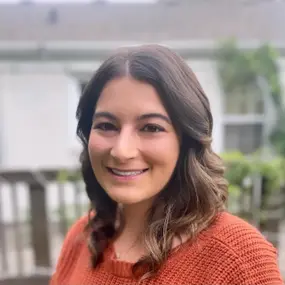
Researcher and Educator
Dr. Kelsea Best is an Assistant Professor of Urban Climate Resilience and Adaptation Disparities at the Ohio State University. Her work focuses on understanding how climate change interacts with human societies and infrastructure, how people can adapt to climate change, and how adaptation measures can be designed and implemented equitably.
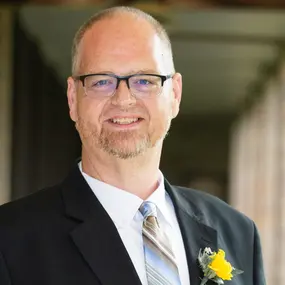
State Climatologist of Ohio
Dr. Aaron Wilson is an Associate Professor, Ag Weather and Climate Field Specialist with the Department of Extension in the College of Food, Agricultural, and Environmental Sciences at The Ohio State University. He is the State Climatologist of Ohio, a researcher at the Byrd Polar & Climate Research Center, and was the Midwest Chapter Lead Author of the Fifth National Climate Assessment. Aaron earned all three of his degrees (BS, MS, and PhD in Atmospheric Sciences) from The Ohio State University. As a nearly life-long Ohioan, Aaron was inspired from a young age by the power of weather and has followed his passion with a deep commitment to the Midwest. From the Drought of 1988 to the Christmas Storm of 2004, Aaron loves chatting about all things weather. He is married with three children, resides in Dayton, Ohio, and loves fishing, bird watching, and storm watching of course!