Why Construction Accounting Is the Key to Industry-Wide Innovation
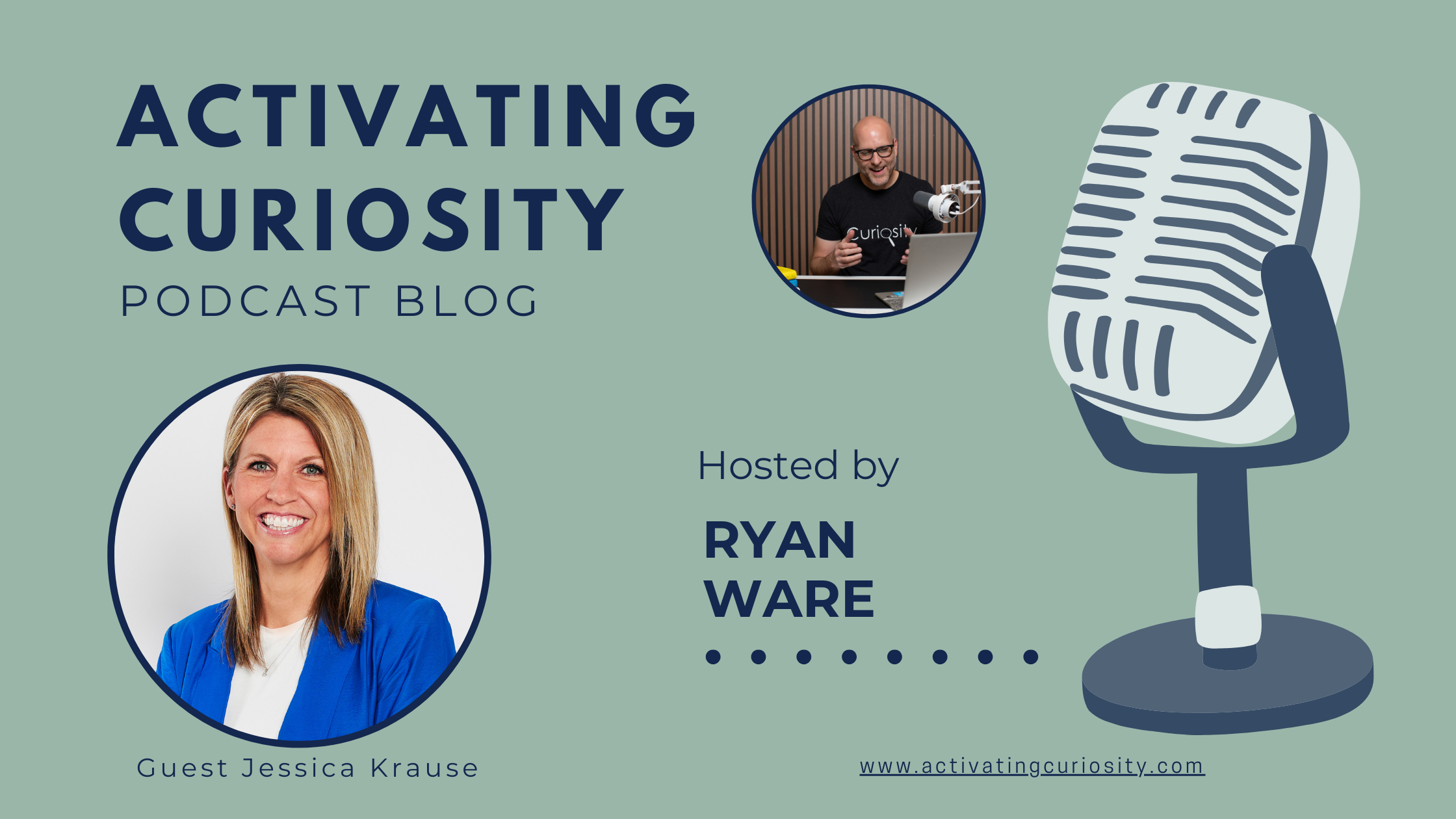
In a recent podcast episode of Activating Curiosity, I sat down with Jessica Krause, CPA, CCIFP, founder and CEO of New Lyfe Accounting, to explore one of the most overlooked yet critical aspects of the construction industry: financial management. Jessica’s deep experience in construction accounting and her passion for empowering contractors offered a powerful lens into how financial clarity can unlock innovation, stability, and growth...not just for individual businesses, but for the industry as a whole.
The Problem: Financial Blind Spots in Construction
Jessica shared how many contractors, especially small to mid-sized ones, struggle with managing cash flow, job costing, and financial data. These blind spots often stem from a lack of construction-specific accounting expertise, disconnected systems, and poor communication between project teams and finance departments.
“You can be busy winning work and building great projects and still go bankrupt if you’re not managing your cash, margins, and risk,” Jessica warned.
Why Construction Accounting Is Unique
Unlike other industries, construction involves long payment cycles, retention clauses, union reporting, and complex job costing. These factors make it essential for contractors to have accurate, timely financial data to make strategic decisions. Yet many still rely on Excel spreadsheets and generic accounting platforms like QuickBooks, which don’t offer the integration or insights needed.
The Ripple Effect of Poor Financial Management
Jessica emphasized that financial mismanagement doesn’t just hurt one company, it can stall entire projects, delay payments, and erode trust across the supply chain. When a subcontractor fails to manage cash properly, it can impact the GC, the owner, and every other trade on the job.
“The success of one relies on the success of many,” she said. “And when contractors can’t manage their financials, it hurts the entire industry.”
The Path Forward: Systems, Process, and People
Jessica outlined three fundamentals for solving this problem:
- Systems: Whether it’s technology or spreadsheets, contractors need tools that connect project data with financial data.
- Processes: Clear workflows for estimating, budgeting, change orders, and forecasting are essential.
- People: Having the right team with construction accounting expertise is non-negotiable.
She also stressed the importance of mindset, reframing financial management not as “extra work,” but as a core part of running a successful, resilient business.
What’s at Stake for the Industry
If we don’t solve this challenge, we risk losing the small contractors who build our homes, infrastructure, and communities. We also limit our ability to adopt new construction methods, attract younger talent, and innovate.
“If you’re constantly reacting to the industry instead of proactively managing your business, you’ll never have the ability to innovate and be curious,” Jessica said.
First Steps for Contractors
Jessica recommends starting with an honest assessment of your internal team and systems. Are your financials accurate? Do you have the right people in place? Are you using data to make decisions, or just reacting?
Resources like CFMA, New Life Accounting’s training programs, and fractional CFO services can help contractors build a stronger financial foundation without overwhelming their budgets.
Final Thoughts
This episode reminded me that curiosity isn’t just about asking questions, it’s about challenging assumptions and rethinking how we operate. Financial clarity isn’t a luxury; it’s a necessity. And by investing in our businesses, we invest in the future of construction.
If you missed the episode, I highly recommend giving it a listen. And if you’re a contractor wondering where to start, reach out to Jessica or explore the resources available through New Life Accounting.
Let’s keep building and leading with curiosity.
Activating Curiosity Podcast is part of the Curiosity Building Experiences® and brought to you by Connective Consulting Group and Connective Coaching.

CEO/ Change Management & Leadership Coach/ Key Note Speaker & Podcast Host
Founder, CEO, and business owner with over two decades working across every segment and level of management/leadership in the construction industry. His career began in Architecture and shifting to construction and prefabrication manufacturers. These different experiences had a commonality, a struggle with change management implementations.
His passion and purpose to help the construction industry advance, combined with his experience, Ryan took to the stage to help and support as many as possible; beginning with helping his audiences build stronger relationships with change. His voice in the construction industry is one that challenges the way leaders think about change, innovation, and leadership. His speaking, coaching, and consulting mission is simple: to help the construction industry evolve by helping those that shape it better navigate change.
Bringing Care Closer: Why Micro Hospitals Deserve Our Attention