Leading Change in Construction: Why Human-Centered Leadership Is Transforming the Industry
The construction industry has long been defined by toughness, speed, and relentless pressure to deliver. However, leading change in construction today requires something different—human-centered leadership.
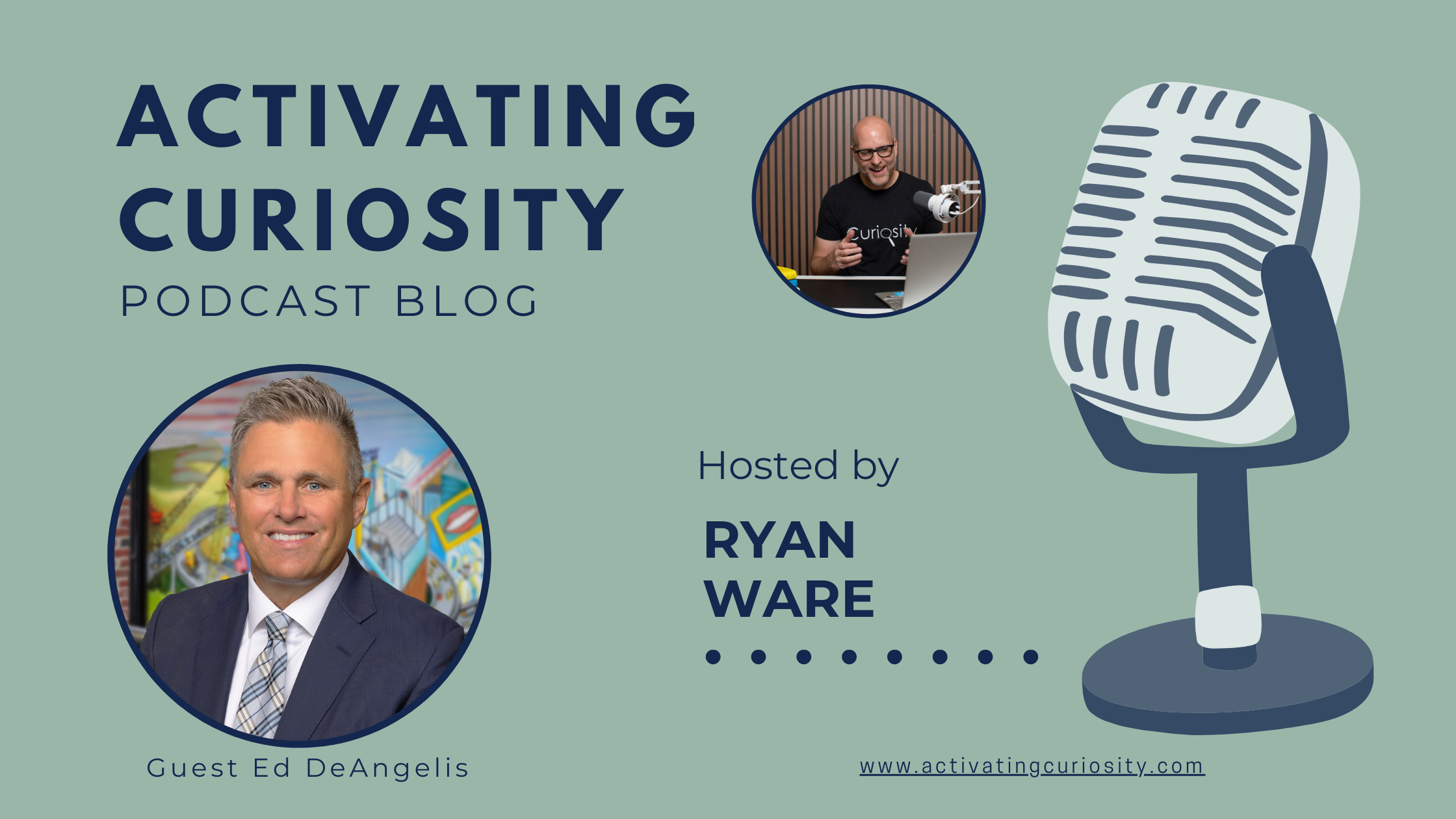
In this episode, Ryan sits down with Ed DeAngelis, Founder and CEO of EDA Contractors, to explore how curiosity, emotional intelligence, and trust can reshape construction leadership and create stronger teams.
More importantly, this conversation challenges one of the industry’s oldest assumptions: that toughness alone creates strong leaders.
Instead, Ed argues that humanity may be the most powerful leadership strategy in construction.
The Hidden Cost of “Toughness Culture” in Construction
For decades, many construction leaders believed toughness was the only way to survive in the industry. Yet this mindset often creates unintended consequences.
For example, it can lead to:
communication breakdowns between field teams and management
burnout and mental health struggles
resistance to innovation and change
difficulty attracting the next generation of talent
As Ed explains, when leaders prioritize control over curiosity, they limit both trust and performance.
Consequently, organizations that ignore the human side of leadership risk falling behind.
Human-Centered Leadership in Construction
So what does human-centered leadership actually look like on a job site?
According to Ed, it begins with a simple but powerful shift: leaders must see people first, not just projects.
Human-centered leadership focuses on:
emotional intelligence
psychological safety
trust-based communication
curiosity-driven leadership
relationship over transaction
When leaders adopt this approach, they unlock something many construction companies struggle to achieve: genuine engagement from their teams.
As a result, teams collaborate more effectively and adapt faster to industry change.
Why Psychological Safety Matters on Construction Teams
One of the most important ideas discussed in the episode is psychological safety.
Psychological safety means people feel comfortable:
speaking up about problems
sharing ideas
admitting mistakes
asking questions
In high-risk environments like construction, this matters more than many leaders realize.
When workers feel safe to speak up, companies experience:
improved safety outcomes
better problem solving
stronger collaboration
more innovation
In other words, psychological safety isn’t just a cultural idea—it’s a performance advantage.
Curiosity: The Leadership Skill Construction Needs Most
Another theme throughout the conversation is curiosity.
Construction leaders often operate in environments where speed and certainty are valued. However, curiosity creates something far more powerful: better decision-making.
Curious leaders ask questions such as:
What might we be missing?
How can we improve this process?
What can we learn from other industries?
As Ed explains, curiosity creates space for growth. Without it, organizations remain stuck in outdated leadership patterns.
Lessons Construction Leaders Can Learn from Other Industries
Interestingly, some of the strongest examples of human-centered leadership come from outside construction.
Companies like Southwest Airlines and Zappos have built cultures centered around trust, empowerment, and emotional intelligence.
Although construction operates differently, the leadership principles remain the same.
When leaders prioritize people, organizations benefit from:
stronger loyalty
higher engagement
better retention
improved performance
Therefore, construction companies that adopt human-centered leadership will likely gain a competitive advantage.
Building a Legacy Through Construction Leadership
Toward the end of the conversation, Ed reflects on a deeper leadership question:
What kind of legacy do you want to leave?
For many leaders, success has traditionally meant profit, growth, and project completion.
However, truly transformative leadership goes further. It creates environments where people grow, thrive, and contribute meaningfully.
When construction leaders focus on humanity, they build more than structures.
They build stronger teams, stronger organizations, and a stronger industry.
Final Takeaway: Leading Change in Construction Starts with People
The construction industry is evolving rapidly. Technology, labor shortages, and new expectations are reshaping how companies operate.
However, the leaders who will navigate this change most successfully will not rely solely on strategy or systems.
Instead, they will focus on people.
Human-centered leadership is not a soft skill. It is a strategic advantage that enables organizations to adapt, innovate, and grow.
And as this episode makes clear, leading change in construction begins with understanding the humans behind the hard hats.

CEO/ Change Management & Leadership Coach/ Key Note Speaker & Podcast Host
Founder, CEO, and business owner with over two decades working across every segment and level of management/leadership in the construction industry. His career began in Architecture and shifting to construction and prefabrication manufacturers. These different experiences had a commonality, a struggle with change management implementations.
His passion and purpose to help the construction industry advance, combined with his experience, Ryan took to the stage to help and support as many as possible; beginning with helping his audiences build stronger relationships with change. His voice in the construction industry is one that challenges the way leaders think about change, innovation, and leadership. His speaking, coaching, and consulting mission is simple: to help the construction industry evolve by helping those that shape it better navigate change.
Why Design Teams Keep going to “Default Mode” with Choices—and How to Fix It