AI Isn’t a Tool. It’s Air.
Curiosity, Change, and Leadership in the AEC Industry
Artificial intelligence is everywhere right now.
It shows up in conference agendas, articles, and vendor pitches across the AEC industry. Some people say AI will transform the construction industry overnight. Others worry it will replace jobs or disrupt the way firms operate.
Most of those conversations start in the wrong place.
They start with the technology.
But the real challenge with AI in the construction industry isn’t technical.
It’s human.
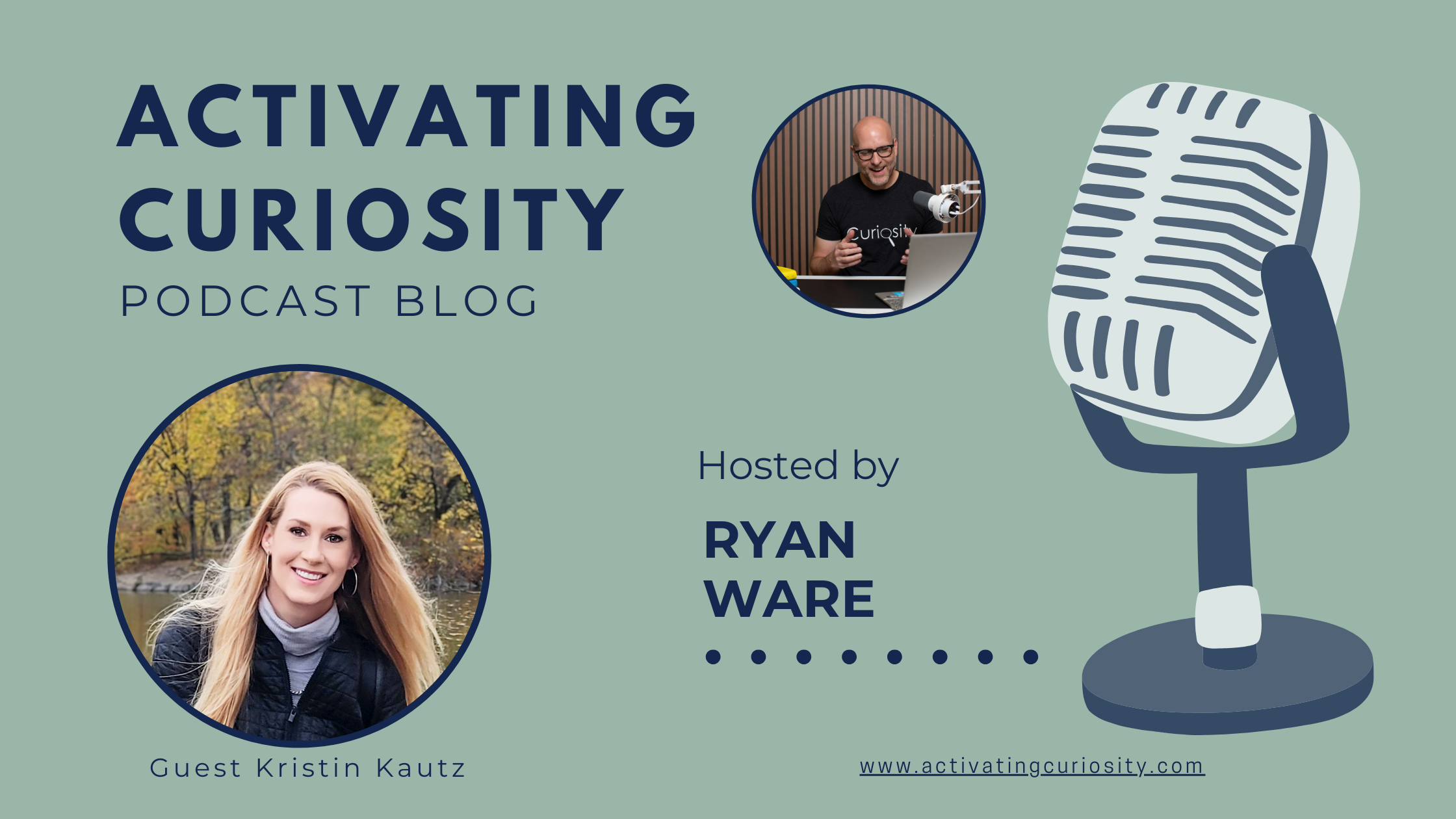
In a recent episode of Activating Curiosity, I sat down with Kristin Kauts to talk about leading change in construction, curiosity, and how firms can approach AI without overwhelming their people.
Early in the conversation, she reframed the entire discussion.
“Everyone is thinking about AI as this thing, you know, like external to them, which is why I try to rephrase it as air.”
That idea changes how we should think about change management in construction.
AI isn’t something separate from the work.
It becomes part of the environment where the work happens.
The Real Challenge in Change Management
Many leaders assume their firm struggles with AI because they lack the right software.
That’s rarely the real issue.
Most firms in the AEC industry already deal with pressure from every direction. Teams face shrinking workforces, tighter margins, and constant project demands. When leaders introduce new tools or digital construction systems on top of that pressure, people often feel overwhelmed rather than supported.
What looks like resistance to technology often comes from something deeper.
People hesitate because they worry about doing it wrong. They remember previous systems that promised transformation but delivered frustration. They question whether the investment of time and energy will actually help their teams.
Kristin captured it simply during our conversation.
“It’s not just the tech, it’s really a people issue.”
That reality sits at the center of change leadership in construction. Technology rarely fails on its own. Change fails when leaders overlook the human experience inside the organization.
Curiosity Drives Leadership in Change
One of the biggest myths about AI is that younger professionals understand it better.
In practice, that assumption rarely holds true.
During the conversation, Kristin described how curiosity matters more than age, title, or technical background.
“What makes people successful, team successful, firm successful? It is the curiosity of leadership.”
When leaders stay curious, teams feel permission to explore. When leaders resist change, curiosity fades.
That distinction matters for construction leadership development. Firms that build curiosity into their culture create space for experimentation. Teams begin to test ideas, ask better questions, and discover practical ways technology can support their work.
Without curiosity, even the best tools remain unused.
Stop Treating AI Like a Separate Initiative
Many firms approach AI as if it requires a new department or major transformation strategy.
That approach often creates unnecessary friction.
Kristin offered a much simpler way to think about it.
“I want you to look at all the things you're currently already doing and then just think of AI as a slant or lens.”
Instead of asking how to implement AI, leaders should examine the work already happening inside their teams.
Where do repetitive tasks appear?
Where do people lose time during the day?
Where do processes create unnecessary friction?
When leaders ask those questions, AI becomes less intimidating. It simply becomes one of many tools for change inside the organization.
Start With the Work
Leaders often ask a familiar question:
What AI tool should we use?
That question feels practical, but it starts in the wrong place.
The better starting point focuses on the work itself.
Kristin offered a relatable example during the conversation.
“Most people hate receipts and timesheets.”
Nobody enters architecture, engineering, or construction because they love administrative tasks.
When AI helps remove repetitive work, teams experience something valuable. They regain time and mental space. That shift often sparks curiosity about what else might improve.
For many firms exploring digital construction, this is where meaningful progress begins.
Not with transformation.
With relief.
AI Works More Like a Language
Another common misunderstanding comes from expecting AI to behave like traditional software.
It doesn’t.
Kristin described it in a way that reframes the learning process.
“It’s also just a language. You're learning the language of AI.”
Learning that language takes time. People experiment, adjust, and refine how they ask questions or analyze information. As they practice, their understanding deepens.
This approach shifts the focus away from automation alone. Instead, AI becomes part of leadership development in construction, helping professionals think differently about the work they do.
Training Creates Real Change
Many organizations hesitate to invest in AI because they view training as an expense.
That perspective misses the long-term opportunity.
Kristin addressed this directly during our discussion.
“The real investment… it goes into your people.”
Technology will continue evolving across the construction industry. Skills, however, compound over time. When firms invest in people’s ability to experiment, analyze, and adapt, those capabilities strengthen every future initiative.
This is where human-centered change becomes visible. Leaders stop focusing solely on tools and begin developing their teams.
What Success Looks Like Early
Many firms assume success with AI requires immediate transformation.
In reality, meaningful change happens gradually.
Kristin described a far more realistic starting point.
“Success for a firm early on would just be everyone understands what it is and that they have the opportunity to use it.”
When people understand the technology and feel safe experimenting with it, curiosity grows. Over time, small improvements accumulate across workflows, project delivery, and decision-making.
That process reflects effective change management leadership. Leaders guide exploration rather than forcing immediate results.
Focus on Your People First
Technology conversations often lead firms to compare themselves with competitors.
What tools are other firms using?
Who seems ahead?
Who might be falling behind?
That comparison rarely helps.
Kristin offered a better perspective.
“Your curiosity has to be focused on your own people.”
Every firm operates differently. Teams face unique challenges, workflows, and opportunities. When leaders focus inward—on the people doing the work—they discover practical ways to improve their organization.
This mindset strengthens construction leadership confidence. Instead of chasing trends, leaders build change from inside the business.
AI and Human Curiosity
AI will continue reshaping the construction industry. That shift is already underway.
But technology alone does not determine the future of the AEC industry.
People do.
Curiosity, leadership, and the willingness to experiment will shape how firms navigate the next chapter of industry change.
The goal isn’t to replace human thinking.
It’s to amplify it.
And that journey begins with curiosity.

CEO/ Change Management & Leadership Coach/ Key Note Speaker & Podcast Host
Founder, CEO, and business owner with over two decades working across every segment and level of management/leadership in the construction industry. His career began in Architecture and shifting to construction and prefabrication manufacturers. These different experiences had a commonality, a struggle with change management implementations.
His passion and purpose to help the construction industry advance, combined with his experience, Ryan took to the stage to help and support as many as possible; beginning with helping his audiences build stronger relationships with change. His voice in the construction industry is one that challenges the way leaders think about change, innovation, and leadership. His speaking, coaching, and consulting mission is simple: to help the construction industry evolve by helping those that shape it better navigate change.
Construction Leadership Development: Why Leading Change Matters